
Why People with Ehlers-Danlos Syndrome Need a Medical Alert Bracelet
August 11, 2007
10

Imagine a paramedic responding to a collapsed patient. They check for injuries, prepare to intubate — and unknowingly cause a cervical spine injury because no one knew the patient had Ehlers-Danlos Syndrome. A medical alert bracelet for EDS could have prevented that in seconds.
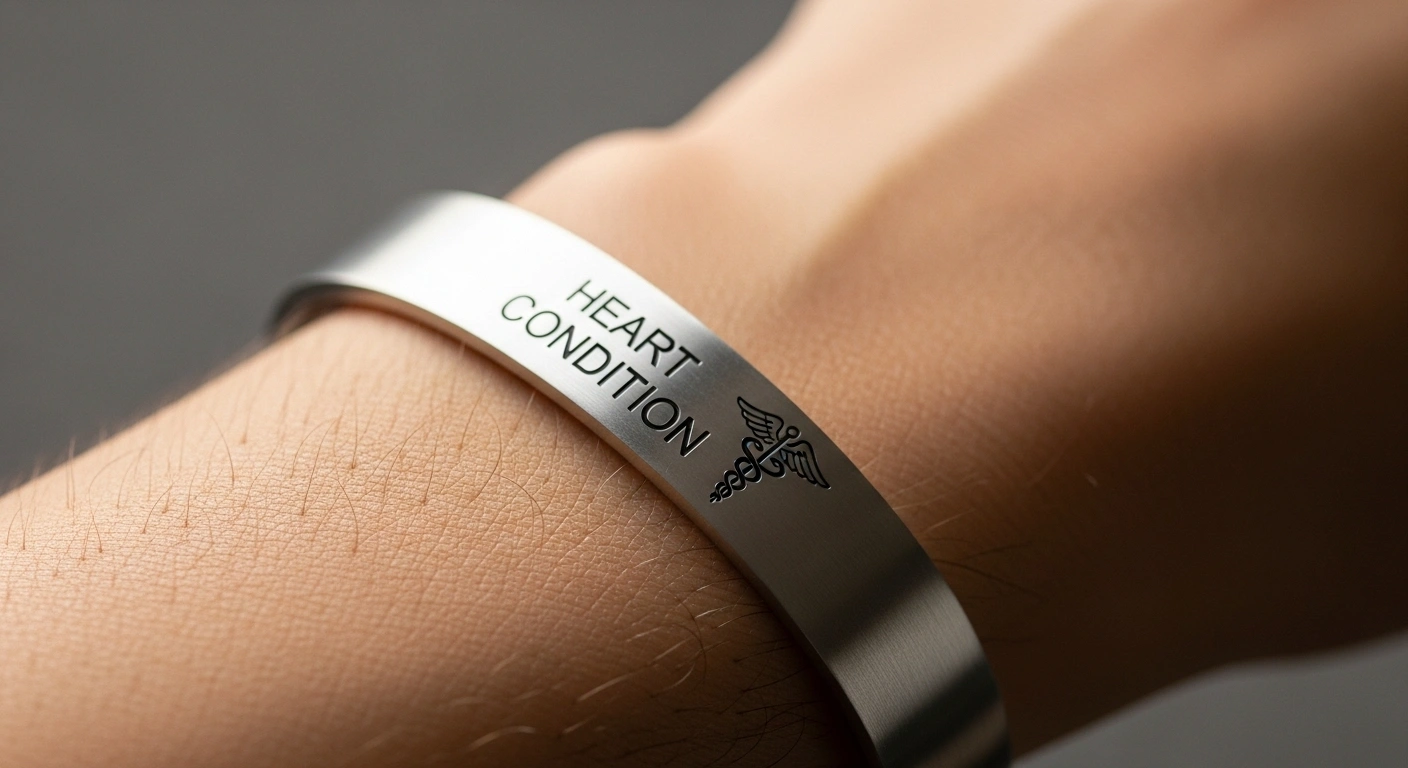
Ehlers-Danlos Syndrome (EDS) is a group of hereditary connective tissue disorders that affect collagen — the protein that holds your body together. Because EDS is largely invisible, first responders and emergency staff rarely know what they are dealing with unless you tell them. A medical ID bracelet for Ehlers-Danlos Syndrome does exactly that, even when you cannot speak for yourself.
What Is Ehlers-Danlos Syndrome?
EDS is not a single condition but a family of 13 distinct subtypes, each caused by different genetic mutations affecting collagen and connective tissue. The most common is hypermobile EDS (hEDS), which accounts for around 90% of all diagnoses and may affect as many as 1 in 500 people — far more common than the widely cited 1 in 5,000 figure, which reflects older, more conservative estimates (The Ehlers-Danlos Society, 2024).
Despite its prevalence, EDS is notoriously difficult to diagnose. A 2024 Australian study published in PLOS One found that 63.2% of Australian women with EDS experienced symptoms for more than 15 years before receiving a correct diagnosis, and 84.9% received at least one incorrect diagnosis first — most commonly anxiety, depression, or chronic fatigue (PMC, 2024).
Common symptoms across EDS subtypes include:
- Hypermobile, unstable joints prone to dislocation and subluxation
- Fragile, stretchy skin that bruises easily and heals poorly
- Chronic pain and fatigue
- Autonomic dysfunction (POTS/dysautonomia) in many hEDS patients
- Arterial, organ or bowel fragility in vascular EDS (vEDS)
Why Is EDS Dangerous in a Medical Emergency?
EDS creates specific, serious risks in emergency and surgical situations that standard first responders are not trained to anticipate. Without a visible EDS medical bracelet, well-intentioned emergency care can cause catastrophic harm.
Anaesthesia and Surgical Complications
EDS patients face significant anaesthesia risks that must be communicated before any procedure. Cervical spine instability means standard intubation techniques can damage the airway — fibreoptic intubation with a smaller tube is often required. Many EDS patients also show resistance to local anaesthetics because abnormal collagen affects how the medication diffuses through tissue, meaning routine doses fail and pain goes undertreated. Additionally, EDS skin and tissue tears easily under sutures, causing what surgeons call the “cheese-wiring effect” — where stitches cut through tissue rather than holding it (EDS Clinic, 2024; PMC Anaesthetic Management Study).
Joint Dislocations During Emergency Handling
Emergency responders routinely move patients quickly — rolling, lifting, repositioning for scans, performing CPR. For someone with hEDS, a standard patient transfer can dislocate the neck, shoulders, hips, or knees. A former firefighter and EDS specialist, Dr Mark Lavallee, has documented cases where EMTs dislocated both of a patient’s shoulders simply by pulling them from a vehicle. An EDS medical ID that reads “Joint Dislocation Risk — Handle with Care” prompts responders to use gentle, supported movement techniques.
Vascular Rupture Risk in Vascular EDS
Vascular EDS (vEDS) is the most life-threatening subtype. Patients face a risk of spontaneous arterial or aortic rupture that can be rapidly fatal and is frequently misidentified as other abdominal or chest emergencies. Without knowing the patient has vEDS, treating teams may miss the correct surgical intervention entirely. A vEDS medical bracelet specifying “Vascular EDS — Arterial Rupture Risk” gives emergency surgeons critical information before they operate (The VEDS Movement, 2024).
Bleeding and Wound Complications
Across most EDS types, excessive bruising, bleeding and poor wound healing are common. Routine procedures such as IV cannulation, blood pressure cuffs, and catheterisation can cause significant vascular trauma in EDS patients. Knowing this in advance allows emergency staff to use ultrasound-guided IV placement and adjusted haemostasis protocols — reducing injury and complications significantly.
What Should You Put on an EDS Medical Alert Bracelet?
Because EDS varies so much between individuals, what to engrave on your EDS medical bracelet depends on your specific subtype and comorbidities. Here is a practical guide.
Essential Information for All EDS Types
- Diagnosis: EHLERS-DANLOS SYNDROME (or EDS + your subtype, e.g. hEDS, vEDS)
- Primary alert: e.g. JOINT DISLOCATION RISK or ANESTHETIC RISK
- Allergies: Any known drug allergies
- ICE contact: Name and phone number of your emergency contact
Additional Details for Vascular EDS (vEDS)
- VASCULAR EDS — ARTERIAL RUPTURE RISK
- NO FLUOROQUINOLONES (antibiotics that increase rupture risk)
- SEE WALLET CARD (if more detail is stored in your wallet)
Including POTS and Comorbidities
Many people with hEDS also live with POTS (Postural Orthostatic Tachycardia Syndrome) or other forms of dysautonomia. Fainting episodes from POTS can be misread as seizures or cardiac events. If you have comorbidities, consider a medical ID with a companion wallet card — the bracelet carries your critical alerts while the wallet card holds the full detail.
Shop EDS Medical Alert Bracelets
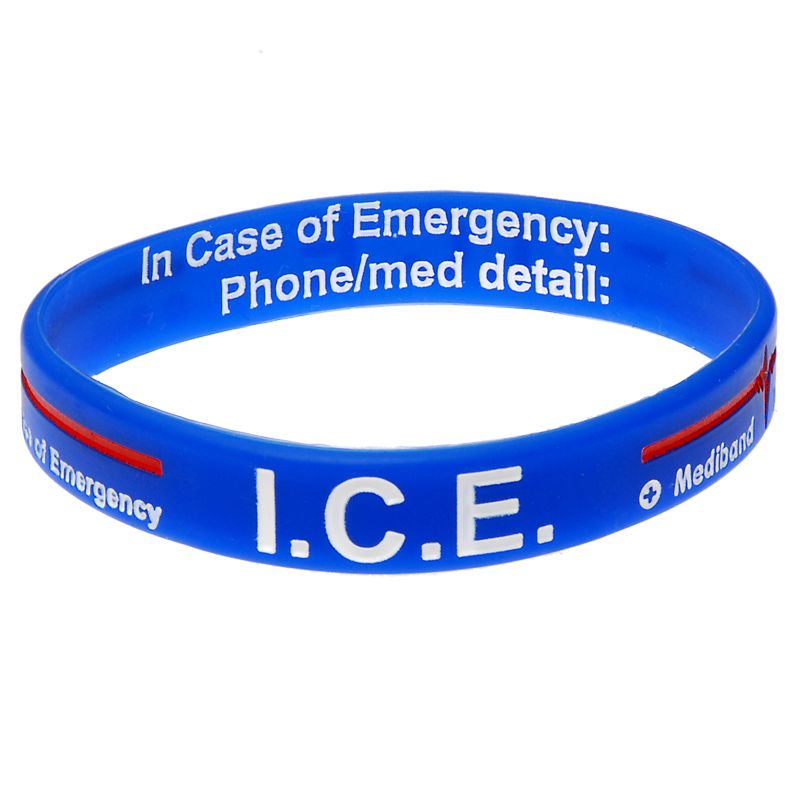
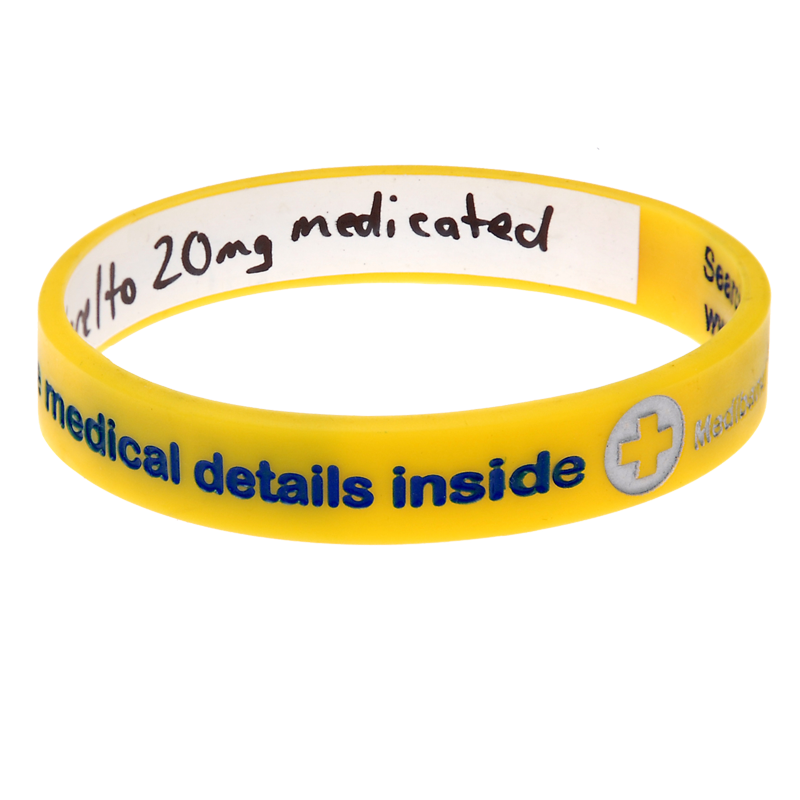
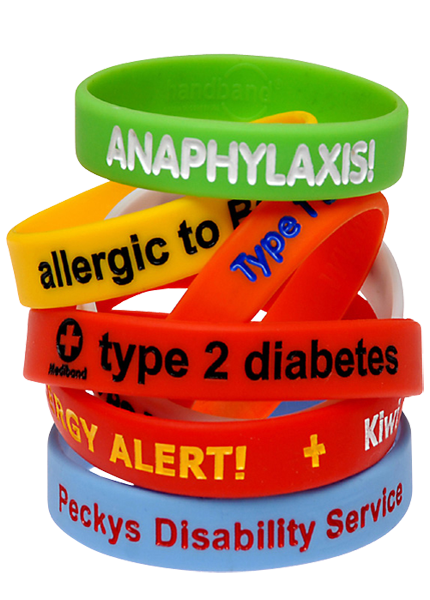
Because EDS symptoms vary so much between individuals, our write-on and custom ID options let you include exactly what first responders need to know.

How to Choose the Right EDS Medical ID Bracelet
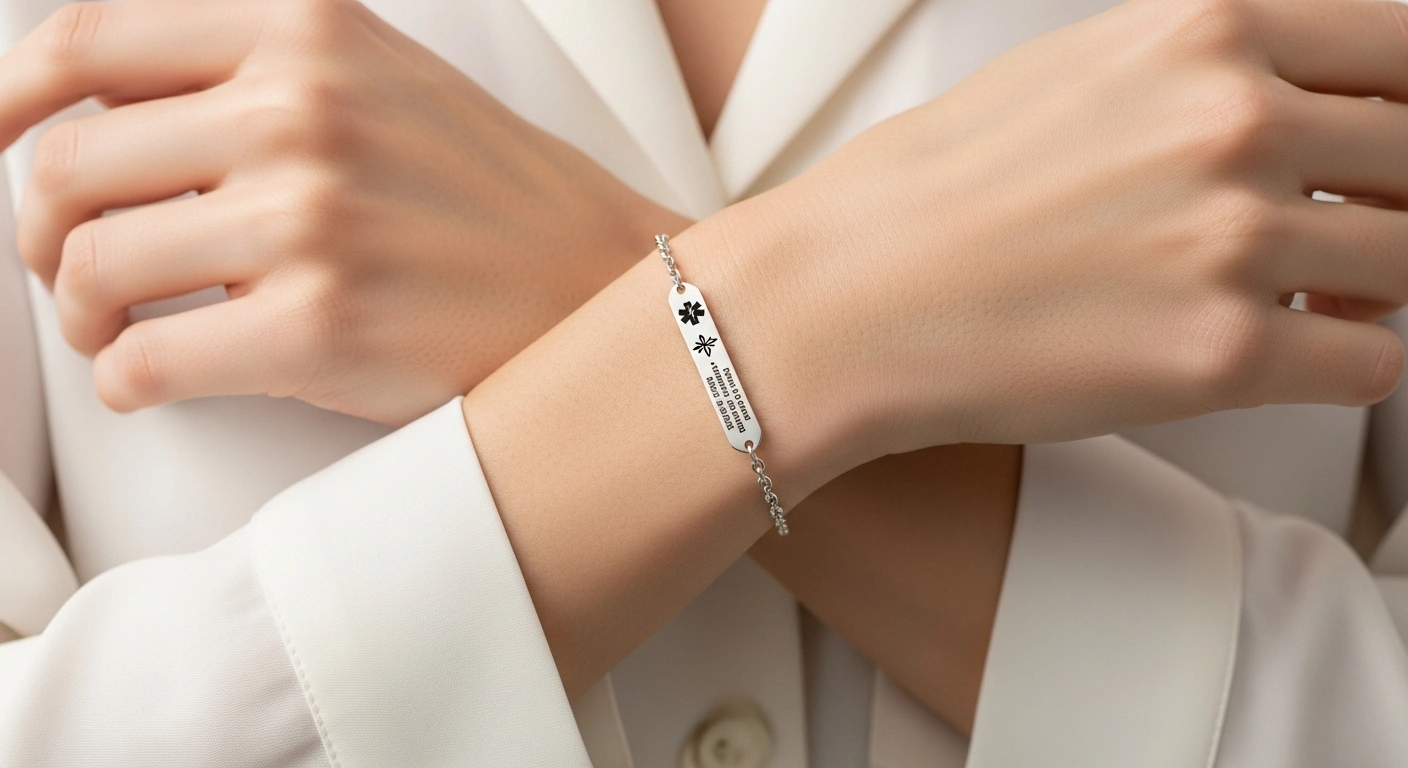
Because no two EDS presentations are alike, the best Ehlers-Danlos Syndrome medical alert bracelet is one that can carry your specific information and that you will wear every day. Consider:
- Write-on bracelets — Ideal for EDS, since your alerts, medications and contacts can change as your condition evolves. Update the information yourself without replacing the band.
- Custom engraved IDs — If your condition is stable, an engraved stainless steel or silicone band is durable, waterproof and clearly readable in an emergency.
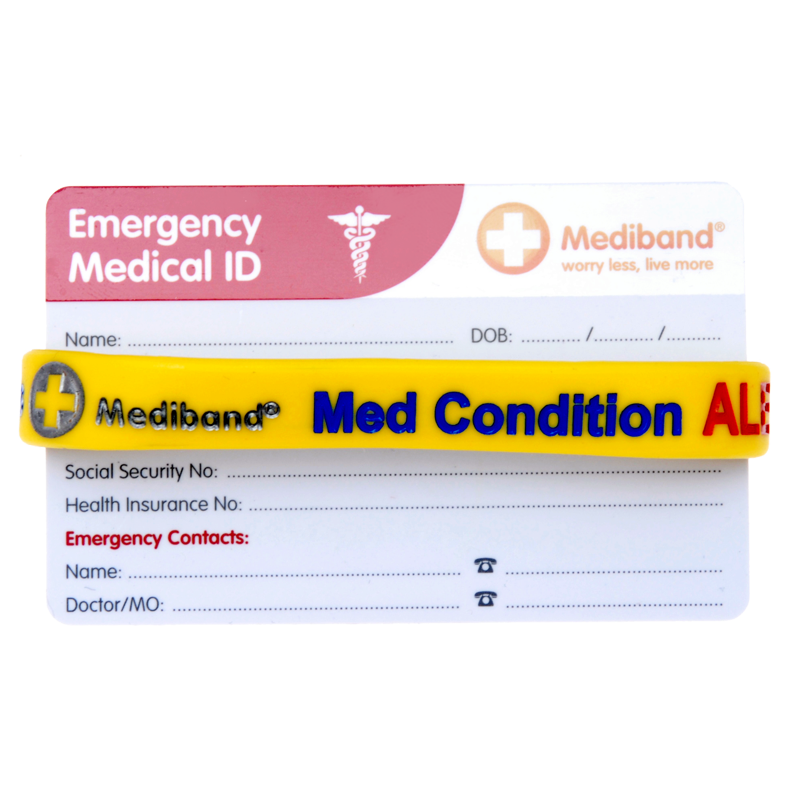
- Bracelet + wallet card combo — For complex cases with multiple conditions or long medication lists, a bracelet flags the emergency while the wallet card provides full detail to hospital staff.
- Dog tags — A stainless steel dog tag worn on a chain can be engraved with several lines of detail and is easy for paramedics to locate on the chest during assessment.
Whatever you choose, make sure it is worn visibly on your wrist or around your neck — not tucked under clothing. First responders check these areas within the first 60 seconds of a trauma assessment.
Frequently Asked Questions About EDS Medical Alert Bracelets
Do I need a medical alert bracelet if I have EDS?
Yes — particularly if you have anaesthesia sensitivity, joint dislocation risk, vascular fragility, or take medications that interact with emergency drugs. EDS is an invisible condition, and in an emergency you may not be able to communicate your diagnosis. A medical alert bracelet ensures first responders know immediately and can adjust their treatment accordingly.
What should I put on my EDS medical ID bracelet?
At minimum: your diagnosis (Ehlers-Danlos Syndrome or your subtype), your primary emergency alert (e.g. Joint Dislocation Risk or Anesthetic Risk), any drug allergies, and an ICE phone number. For vEDS patients, also include “Arterial Rupture Risk” and any contraindicated medications. If you have POTS or dysautonomia, include that too.
Is EDS dangerous in an emergency?
Yes, in ways that are not immediately obvious. Standard emergency procedures — intubation, patient transfers, IV cannulation — can cause serious harm in EDS patients if performed without care. Anaesthesia resistance means pain may be undertreated. Vascular EDS carries a risk of fatal arterial rupture that can be misidentified without the right information. A medical bracelet alerts emergency staff before they act.
Should I engrave POTS and EDS on the same bracelet?
Yes, if space allows. POTS causes fainting episodes that can be confused with seizures or cardiac events, so flagging both conditions is valuable. If you cannot fit everything on one bracelet, use a write-on band for the most critical alert and carry a wallet card with your full medical history.
Can children with EDS wear a medical alert bracelet?
Absolutely — and it is especially important for children in school or sports settings, where teachers and coaches may not understand why a child collapses, dislocates a joint, or bleeds more than expected from a minor injury. A child’s medical ID bracelet can also help prevent the child abuse accusations that some EDS families have faced due to the frequency of unexplained injuries.

Share on Facebook

Share on X

Share on Pinterest
Recent Posts
The Risk Of Not Wearing An Allergy Medical Alert Bracelet
March 23, 2026
You might also like to participate in the www.medibandplus.com forums. Feel free to post and ask questions: http://www.medibandplus.com/medibandplusForum/viewforum.php?f=45
Let me know of you have any questions about this.
Regards,
Michael
Keyra is 22 years old and has had 6 shoulder reconstructions with her 6th just last fortnight.
She is currenlty in hospital because of a fall downstairs and cannot move her hip, although typical xrays showing no dislocation however presentation is typical posterio disclocation. Please contact the site, I would appreciate an email and any help we can find.
Thanks