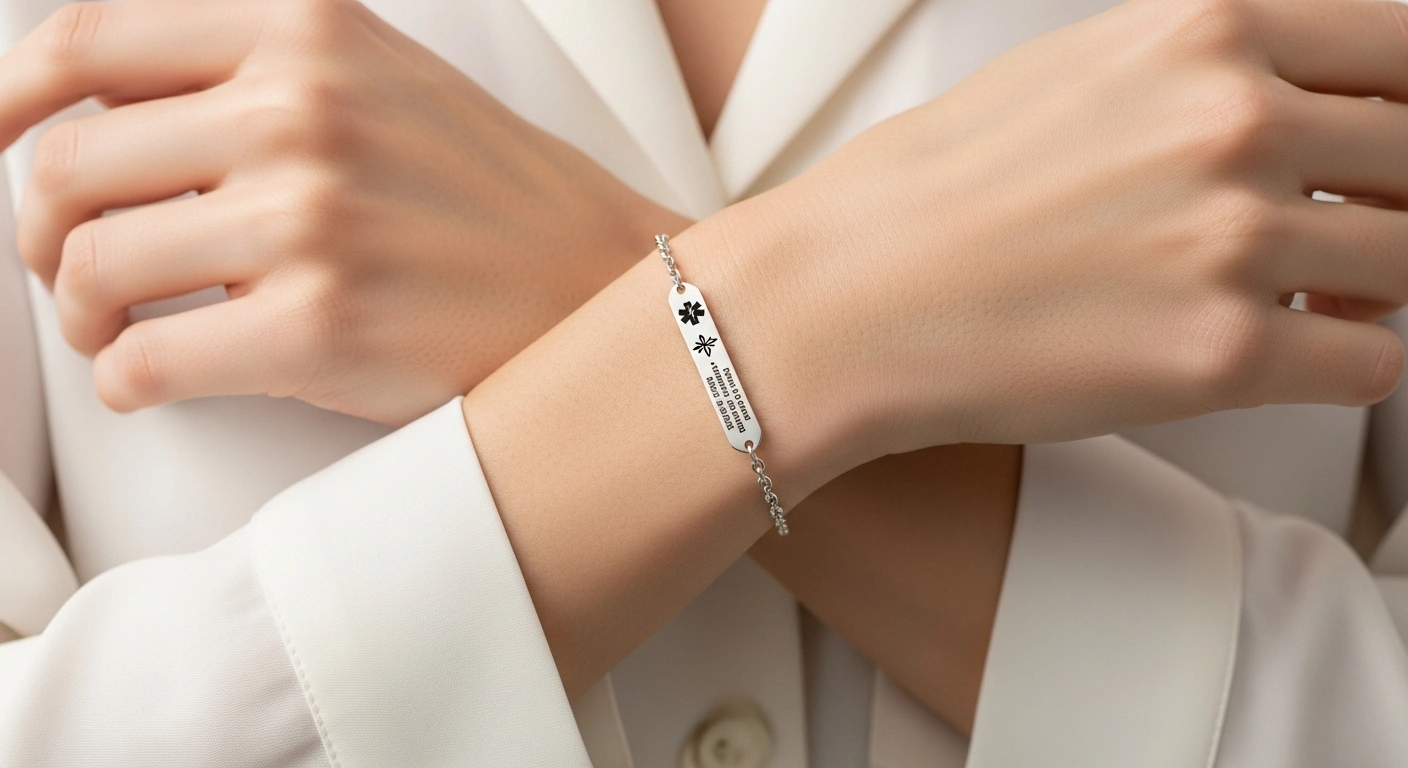
When to Get a DNR Bracelet and Why It Could Save Your Life
January 22, 2026
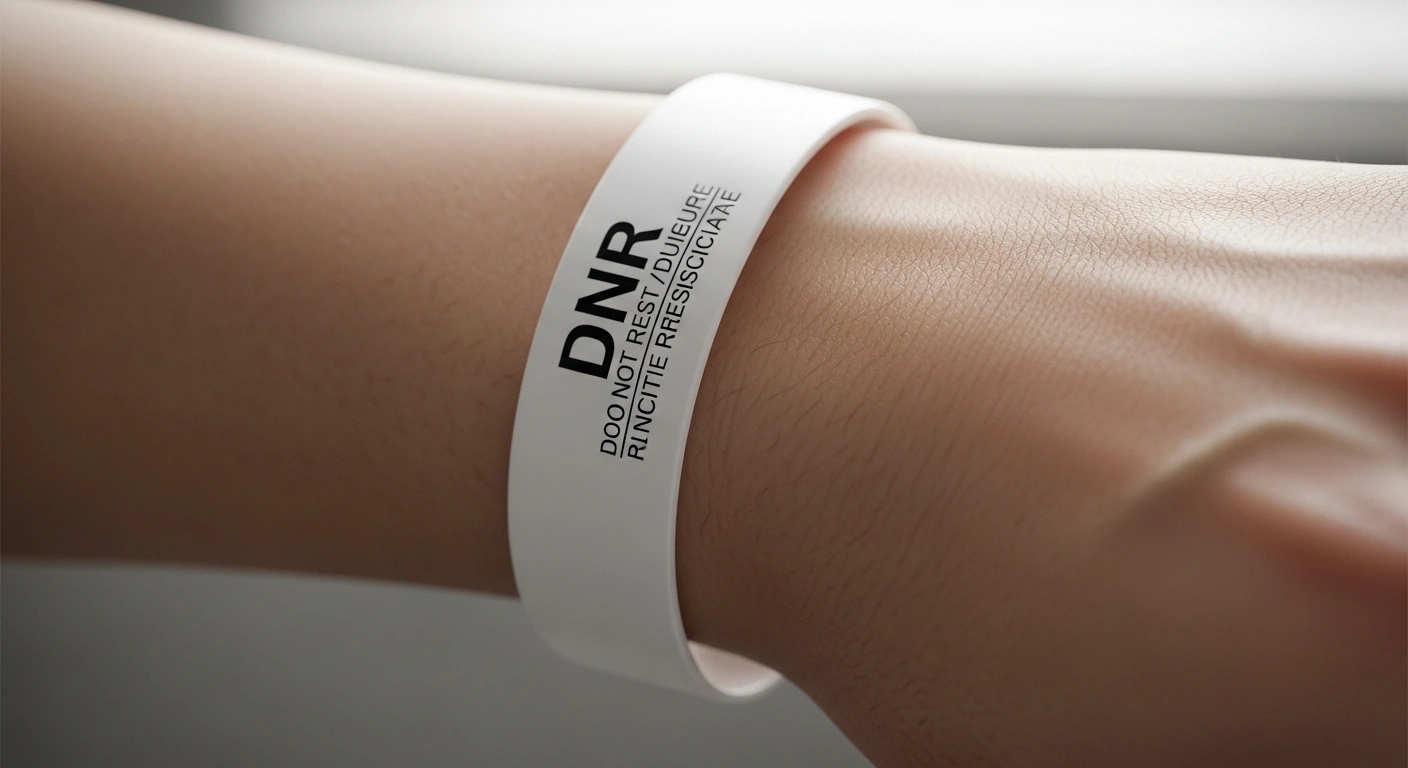
Medical decisions become complicated when someone can't speak for themselves. In those critical moments, a small piece of jewelry might be the only thing standing between your wishes and unwanted medical intervention. A DNR bracelet serves as a direct communication tool between you and emergency responders, making your healthcare preferences crystal clear when you're unable to voice them yourself.
For many people, the decision to wear a DNR bracelet represents a thoughtful choice about quality of life rather than quantity. These bracelets have become increasingly important as more individuals seek control over their end-of-life care. Understanding when to get one and why it matters could make all the difference in ensuring your final wishes are honored.
What Is a DNR Bracelet?
A DNR bracelet is a medical identification bracelet that informs healthcare providers and emergency personnel that the wearer has a Do Not Resuscitate order in place. The term "DNR" specifically instructs medical professionals not to perform cardiopulmonary resuscitation (CPR) or other life-saving measures if the person's heart stops beating or they stop breathing.
The primary purpose of wearing a DNR medical bracelet is to communicate these critical healthcare decisions instantly. During emergencies, when seconds count, and verbal communication is impossible, this bracelet speaks for you. It prevents medical teams from automatically beginning resuscitation efforts that go against your documented wishes.
How DNR Bracelets Work
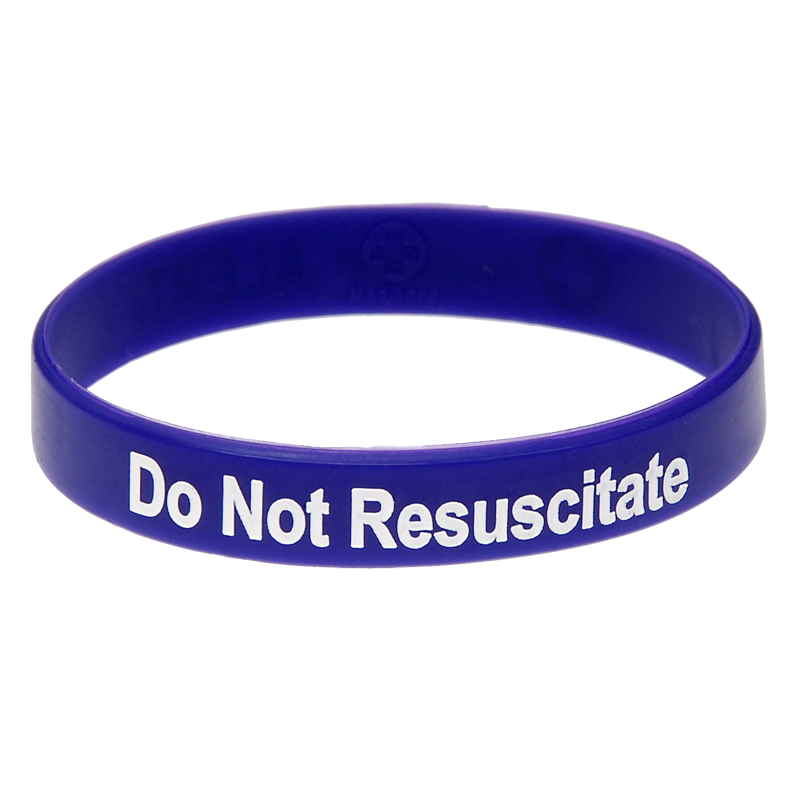
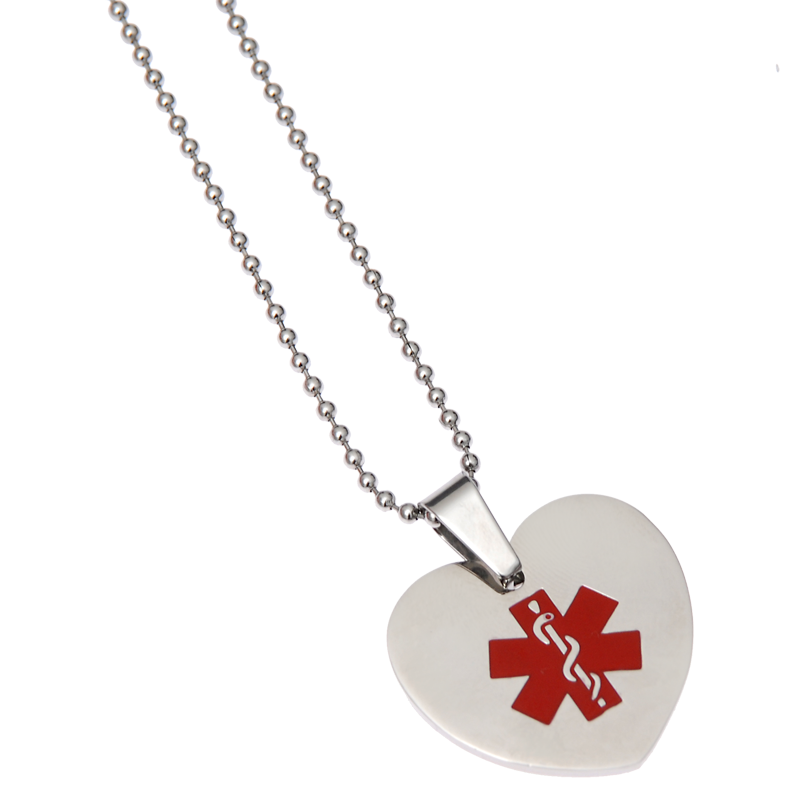
Emergency responders are trained to look for medical identification jewelry immediately upon arriving at a scene. When they spot a bracelet DNR, they know to check for supporting documentation and honor the stated wishes. Most bracelets include engraved text stating "DNR" or "Do Not Resuscitate" along with relevant medical information.
These bracelets work in conjunction with official DNR orders signed by a physician. The bracelet itself doesn't constitute a legal order, but it alerts first responders to check for the proper documentation. Many states have specific DNR programs that provide standardized bracelets or necklaces that emergency medical services recognize immediately.
Comparison to Other Medical Alerts
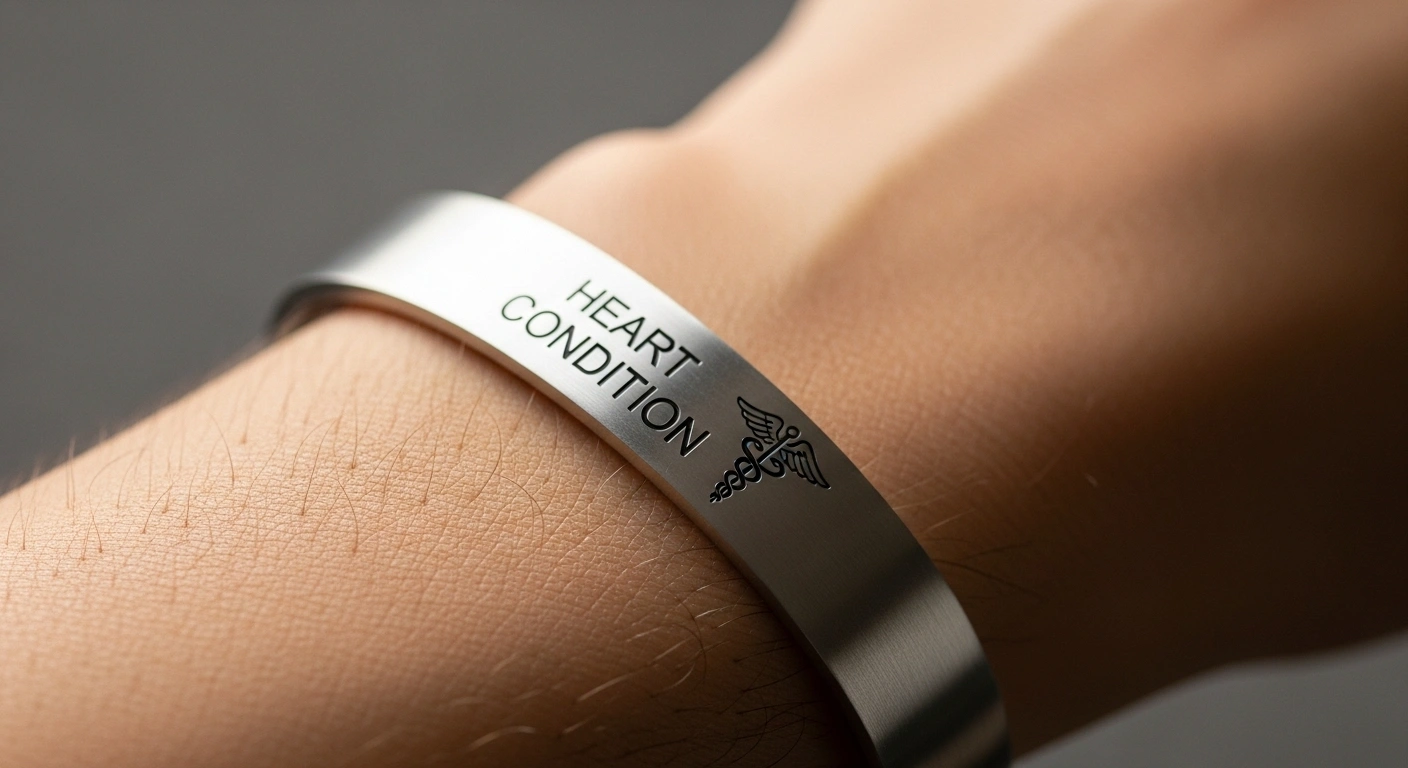
While standard medical alert bracelets might indicate allergies, diabetes, or heart conditions, DNR bracelets serve a fundamentally different purpose. Traditional medical alerts help responders provide better treatment, while DNR bracelets specify when certain treatments should be withheld. Both types of identification are important, but they communicate opposite intentions—one says "treat me with this information in mind," while the other says "respect my wishes not to be resuscitated."
Who Should Consider Getting a DNR Bracelet?
Elderly Individuals
Older adults who have thought carefully about their end-of-life care often choose to wear a DNR medical bracelet. As people age, the success rate of CPR decreases, and the procedure can cause significant injuries, including broken ribs and other trauma. Many elderly individuals decide they prefer a natural death over aggressive interventions that may only prolong suffering.
According to research published in the Journal of the American Geriatrics Society, only about 18% of nursing home residents who receive CPR outside of a hospital survive to discharge, and many who do survive experience diminished quality of life. This data helps explain why informed elderly patients increasingly choose DNR status.
People with Terminal or Life-Limiting Conditions
Individuals diagnosed with terminal illnesses such as advanced cancer, end-stage heart disease, or progressive neurological conditions often obtain DNR bracelets. For these patients, resuscitation would likely only extend suffering without improving their condition or prognosis. The bracelet ensures that during a medical crisis, their care focuses on comfort rather than aggressive intervention.
Individuals with Chronic Health Conditions
Some people with serious chronic conditions that significantly impact their quality of life choose a DNR status. These might include:
- Advanced chronic obstructive pulmonary disease (COPD)
- Severe heart failure
- Advanced kidney disease requiring dialysis
- Multiple serious health conditions that together create a poor prognosis
Patients in Hospice or Palliative Care
Nearly everyone enrolled in hospice care has a DNR order, and wearing a DNR bracelet DNR becomes especially important for these patients. Hospice focuses on comfort care rather than curative treatment, and resuscitation would directly contradict the goals of hospice philosophy. Having the bracelet visible ensures that well-meaning bystanders or emergency responders don't inadvertently violate these care plans.
Caregivers and Family Members
While caregivers don't wear DNR bracelets themselves, they play a crucial role in ensuring their loved ones have and wear them consistently. Family members should understand their loved one's wishes and help ensure the DNR medical bracelet is worn daily, especially if the person has memory issues or other conditions that might cause them to forget.
Shop DNR and Medical Alert Bracelets
Ensure your medical wishes are respected in any emergency — wear a DNR bracelet that speaks for you when you cannot.

Why a DNR Bracelet Could Save Your Life
Ensuring Your Wishes Are Respected
The phrase "save your life" might seem contradictory when discussing DNR orders, but saving your life from unwanted intervention is exactly what these bracelets do. They save you from experiencing medical procedures you've explicitly decided against. For many people, especially those with serious illnesses, aggressive resuscitation attempts can cause trauma, pain, and a prolonged dying process without meaningful recovery.
Preventing Unwanted Resuscitation Efforts
Without a visible DNR bracelet, emergency responders have a legal and ethical obligation to attempt resuscitation. They cannot wait to search for documentation or contact family members. CPR, while potentially life-saving for some, involves chest compressions forceful enough to break ribs, possible electrical shocks, and insertion of breathing tubes. For someone who has chosen not to receive these interventions, being subjected to them represents a violation of their autonomy and wishes.
Speeding Up Emergency Decision-Making
Emergency situations create chaos and confusion. Family members may be distraught, bystanders might pressure responders to "do something," and precious time gets lost searching for documentation. The immediate visibility of DNR bracelets cuts through all this confusion. Paramedics can make informed decisions quickly, focusing their efforts on comfort care and appropriate transport rather than unwanted interventions.
Reducing Family Burden
When family members must make urgent decisions during a crisis, they face enormous emotional pressure. Having a bracelet DNR eliminates this burden by making your wishes unmistakably clear. Your family won't have to wonder whether they made the right choice or carry guilt about decisions made in the heat of the moment. The bracelet becomes your voice when you cannot speak, protecting both you and your loved ones.
How to Obtain a DNR Bracelet
Consulting with Your Doctor
Getting a DNR medical bracelet starts with a conversation with your physician. This discussion should cover your current health status, prognosis, what DNR means practically, and whether it aligns with your values and goals. Your doctor needs to understand your wishes completely before writing the necessary order. This conversation might also involve family members if you choose to include them.
Creating a DNR Order
After your discussion, your physician will complete official DNR paperwork according to your state's requirements. This creates the legal foundation for your DNR status. The order typically requires:
- A detailed conversation between you and your doctor about the implications
- Your signature indicates informed consent
- Your physician's signature authorizing the order
- Specific documentation requirements that vary by state
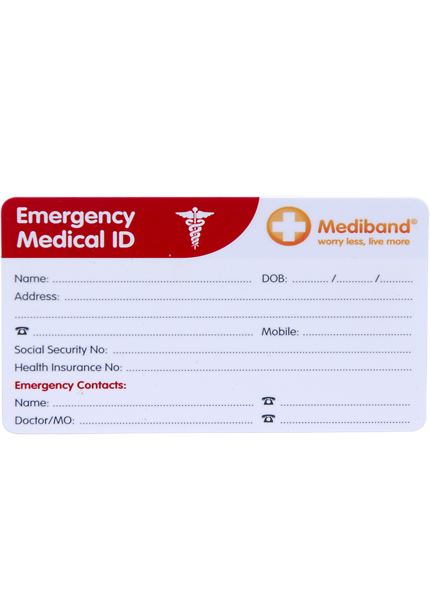
- Keep copies of this order in multiple places—with your medical records, at home where emergency responders can find it, and with trusted family members or caregivers.
Where to Get a DNR Bracelet
Once you have an official DNR order, you can obtain DNR bracelets from several sources. Many hospitals and hospice programs provide them directly to patients. Medical supply companies sell standardized versions that meet state requirements. Some organizations offer engraving services to customize bracelets with your name and physician contact information.
When selecting a bracelet, ensure it meets these criteria:
- Clearly visible and easily readable engraving
- Durable material that withstands daily wear
- Comfortable enough to wear continuously
- Meets your state's specific requirements for DNR identification
Some states have official DNR bracelet programs with specific designs that emergency medical services are trained to recognize immediately. Check with your state's health department or your physician about whether such a program exists in your area.
Taking Control of Your Healthcare Decisions
Choosing to wear a DNR bracelet represents one of the most personal healthcare decisions you'll make. It requires careful thought about your values, health situation, and what quality of life means to you.
The importance of wearing a DNR medical bracelet cannot be overstated for anyone who has decided that resuscitation does not align with their healthcare goals. If you've made the decision to have a DNR order, wearing the bracelet consistently ensures that your choice is honored when it matters most.
Frequently Asked Questions
Is a DNR bracelet legally binding in Australia?
A DNR bracelet itself is not a legal document, but it serves as a visible indicator of your wishes. In Australia, a valid Advance Care Directive or medical order signed by your doctor is the legally binding document. The bracelet alerts paramedics to check for your official paperwork before beginning resuscitation.
Who should consider wearing a DNR bracelet?
People with terminal illnesses, advanced chronic conditions, or those who have made an informed decision about end-of-life care in consultation with their doctor. It is also common among elderly patients in palliative care and individuals with progressive neurological conditions who wish to avoid aggressive medical intervention.
Do paramedics honour DNR bracelets in Australia?
Australian paramedics are trained to look for medical identification. However, they typically require a valid Advance Care Directive or medical order to withhold resuscitation. A DNR bracelet prompts them to search for official documentation and contact your listed emergency contacts to verify your wishes.
Can I change my mind after getting a DNR bracelet?
Yes, absolutely. You can remove your DNR bracelet and revoke your Advance Care Directive at any time. Medical wishes are not permanent — your doctor can help you update your documentation if your health situation or personal preferences change. Simply removing the bracelet is the first step.
What is the difference between a DNR bracelet and an Advance Care Directive?
A DNR bracelet is a wearable medical alert that visually communicates your do-not-resuscitate preference. An Advance Care Directive is a formal legal document that outlines your wishes for medical treatment. The bracelet is a quick-reference tool for emergencies, while the directive provides detailed, legally binding instructions.

Share on Facebook

Share on X

Share on Pinterest
Comment(s)
Recent Posts

The Risk Of Not Wearing An Allergy Medical Alert Bracelet
March 23, 2026