Why Diabetics Should Wear a Medical Alert Bracelet
May 10, 2007
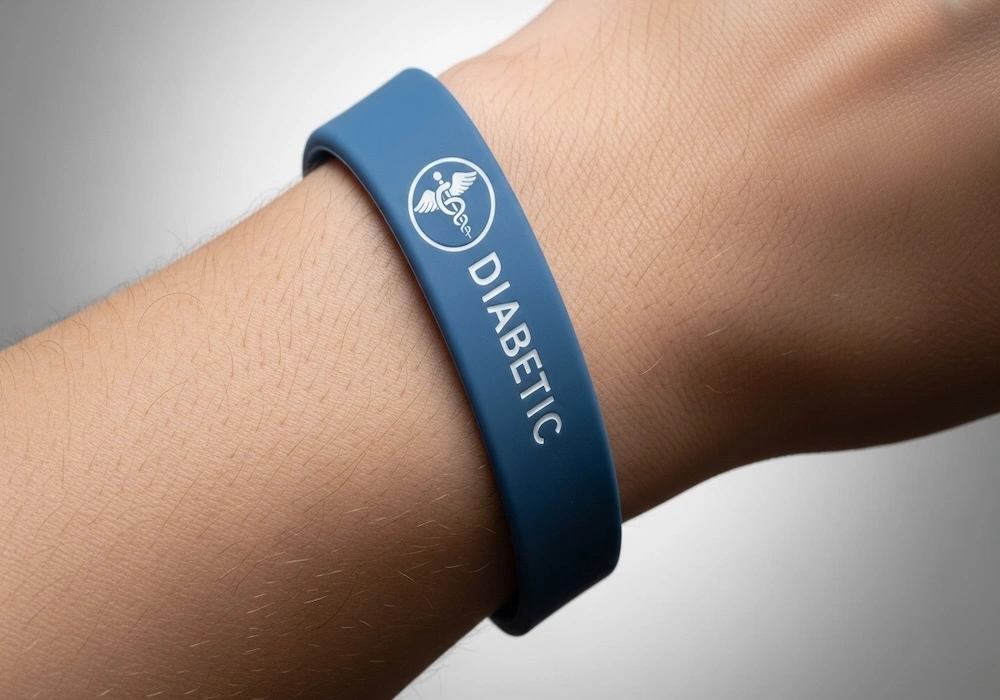
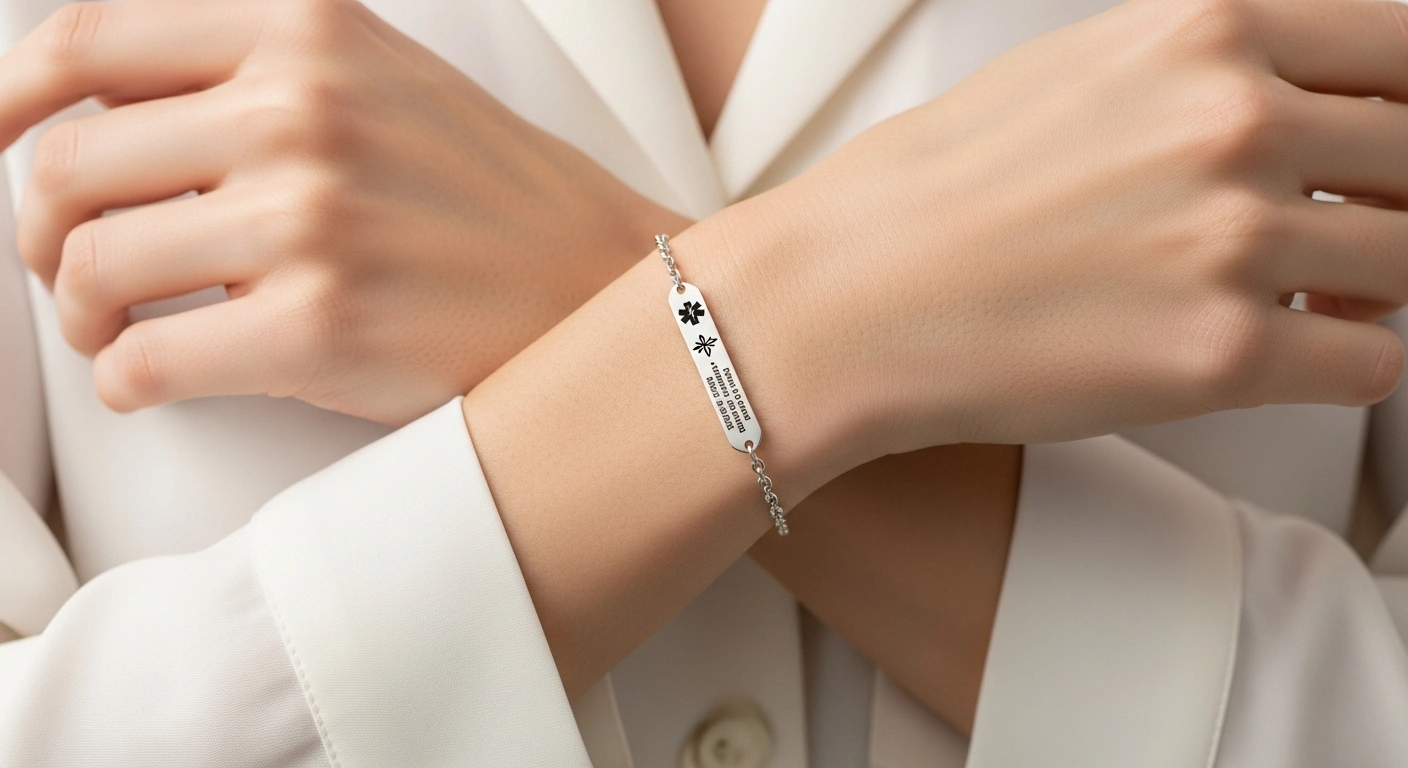
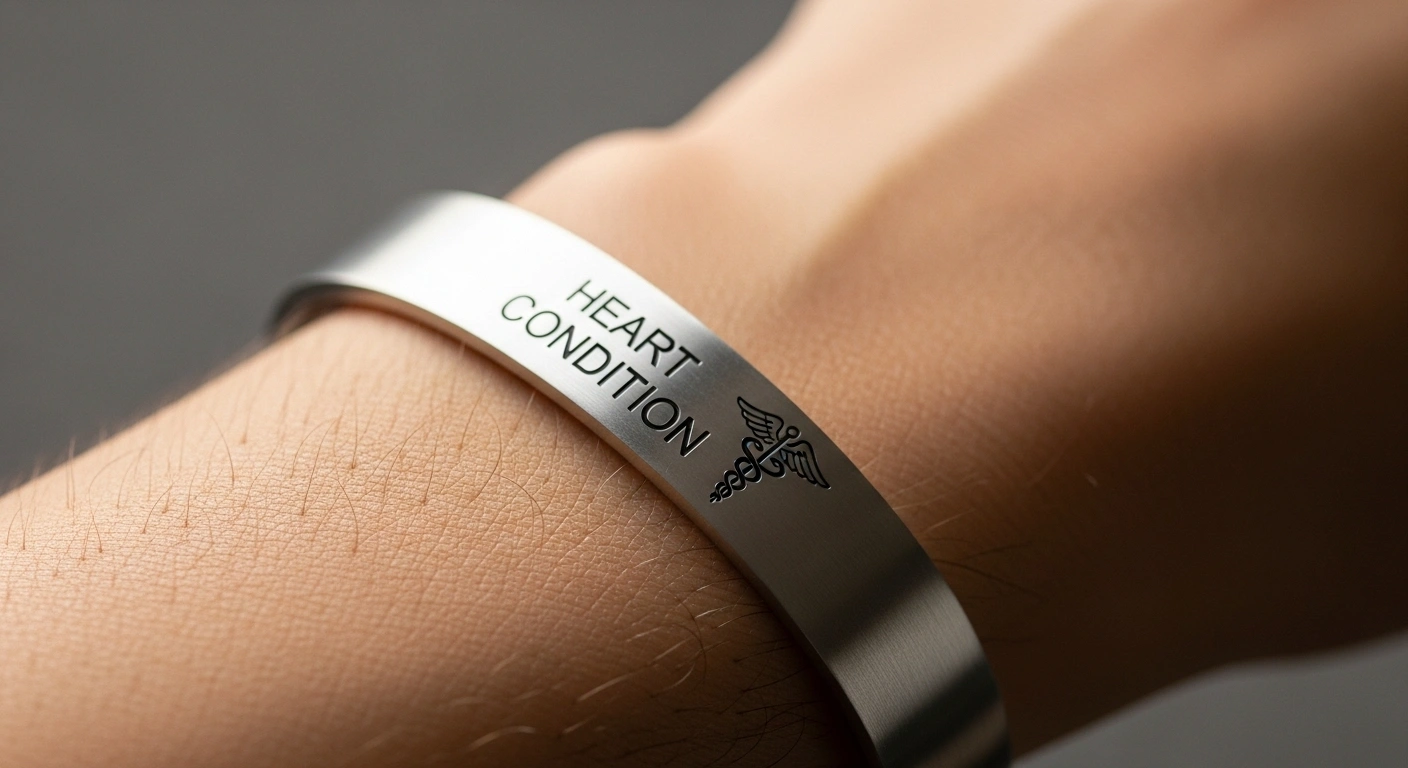
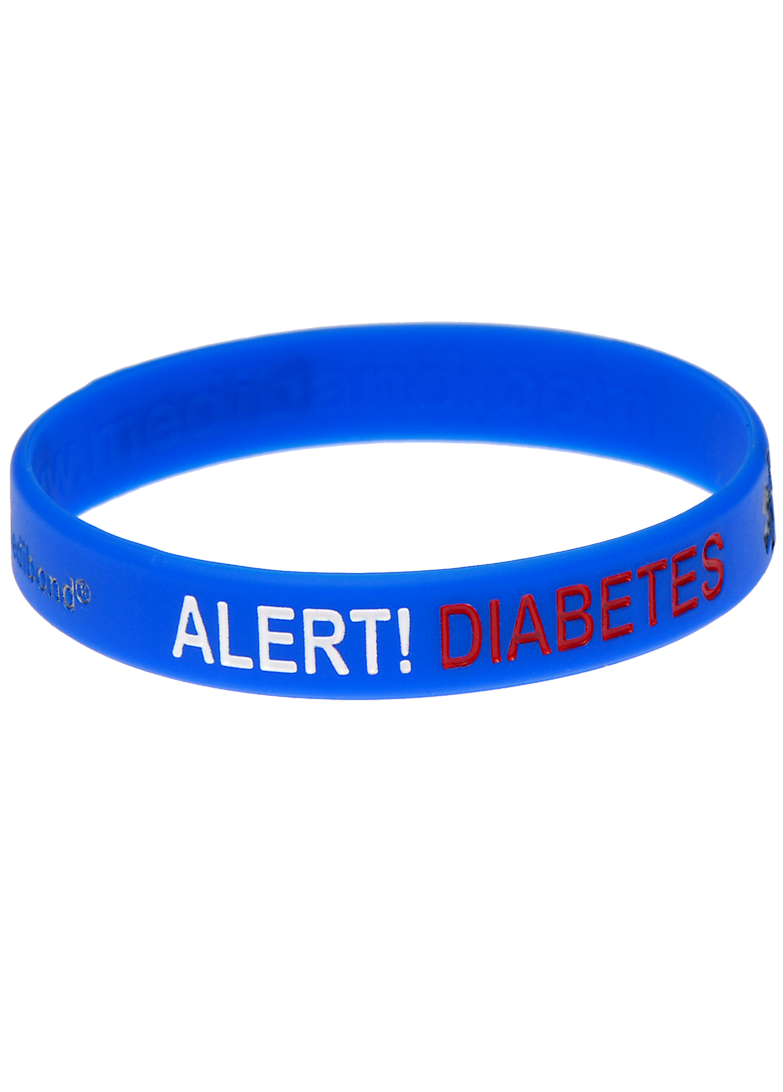
If you or someone you love has diabetes, wearing a medical alert bracelet for diabetics could be one of the most important decisions you make. In an emergency, a medical ID bracelet communicates critical information to paramedics and first responders when you can’t speak for yourself — and for diabetics, that information can be life-saving.
Why Do Diabetics Wear Medical Bracelets?
Diabetes is a complex condition that can cause life-threatening emergencies without warning. The two most common emergencies are:
- Hypoglycaemia (low blood sugar) — Can cause confusion, unconsciousness, or seizures that mimic other conditions like intoxication or stroke.
- Hyperglycaemia (high blood sugar) — Can develop slowly and cause diabetic ketoacidosis (DKA), a serious condition that requires urgent treatment.
In both scenarios, if you’re unconscious or unable to communicate, a diabetes medical ID bracelet tells paramedics immediately: this person has diabetes. That single piece of information can change the entire course of emergency treatment.
As one emergency room diabetes program director explains: “People can be asymptomatic — they can walk around with blood sugars three or four times higher than normal and have no symptoms at all.” That’s exactly why wearing a diabetic bracelet matters, even when you feel fine.
Should Type 1 Diabetics Wear a Medical Alert Bracelet?
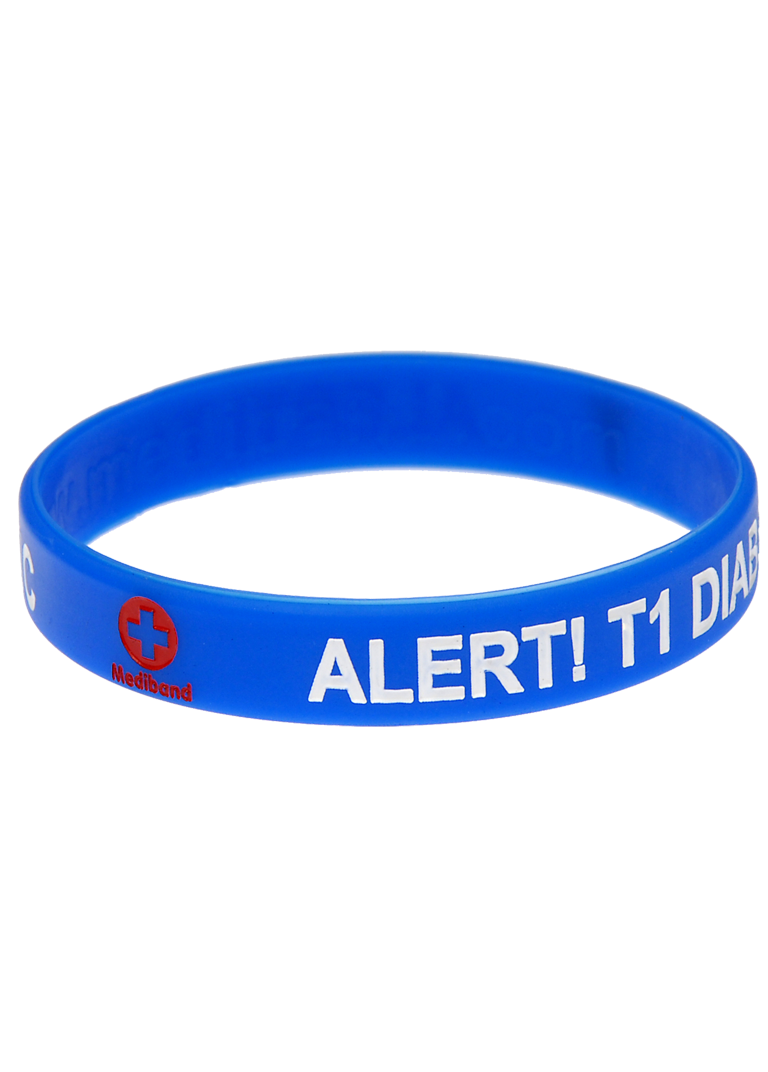
Absolutely. Type 1 diabetes is insulin-dependent, meaning your body produces no insulin at all. This makes hypoglycaemic episodes more frequent and more dangerous. If you take insulin — especially fast-acting insulin — a severe low can render you unconscious within minutes.
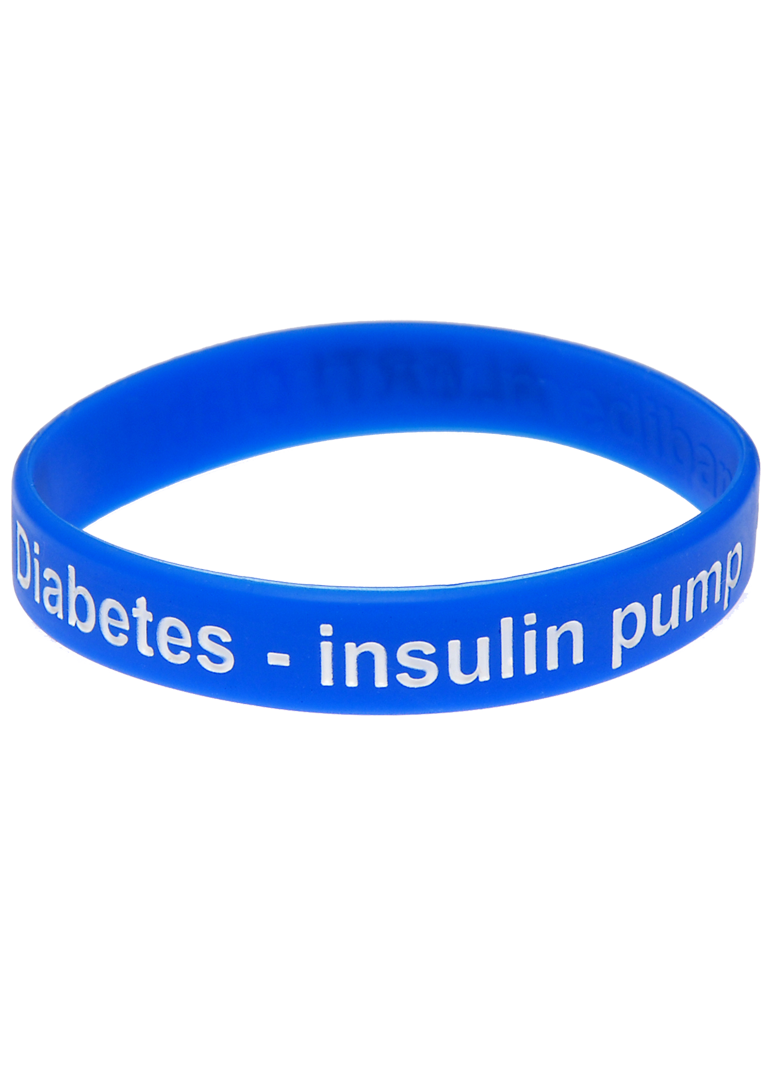
A Type 1 diabetes medical alert bracelet tells first responders to check your blood glucose immediately, avoid administering glucose incorrectly, and not confuse a hypoglycaemic episode with a stroke or seizure disorder. For insulin pump users, it also alerts medics to the pump itself, which affects how they manage your care.
Should Type 2 Diabetics Wear a Medical Alert Bracelet?
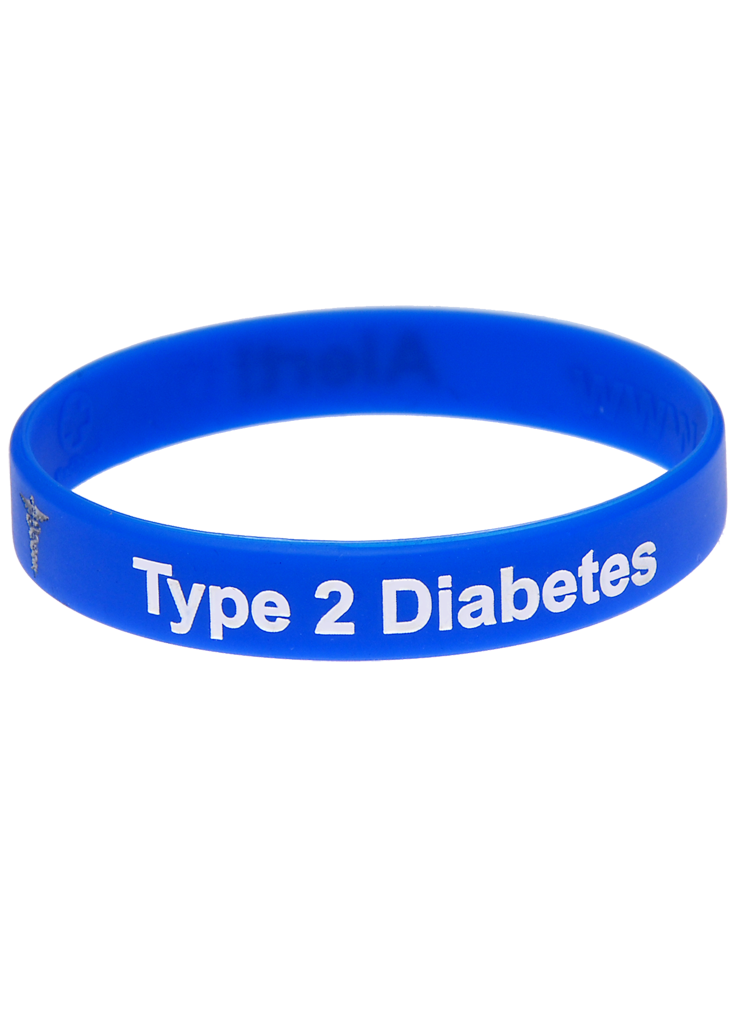
Yes — and this is one of the most common misconceptions about medical ID jewellery for diabetes. Many people with Type 2 diabetes assume only insulin-dependent diabetics need a bracelet. That’s not true.
If you manage Type 2 diabetes with oral medication, diet, or insulin, you are still at risk of hypoglycaemia, DKA, and other diabetes-related emergencies. A Type 2 diabetes medical ID bracelet ensures paramedics know about your condition and any medications that may interact with emergency treatments such as IV dextrose or glucagon.
Shop Diabetes Medical Alert Bracelets
Trusted by thousands of Australians living with diabetes — find the right ID for your condition.
What to Engrave on a Diabetic Medical Alert Bracelet?
Your diabetic medical alert bracelet should include the most important information a paramedic needs in the first 60 seconds of an emergency. Recommended information includes:
- Condition: e.g. “Diabetes — Type 1” or “Insulin Dependent Diabetic”
- Medications: e.g. “On Insulin” or “Insulin Pump”
- Allergies: Any drug allergies relevant to emergency treatment
- Emergency contact: Name and phone number of a trusted contact
- Doctor or clinic: Optional, but useful for non-urgent situations
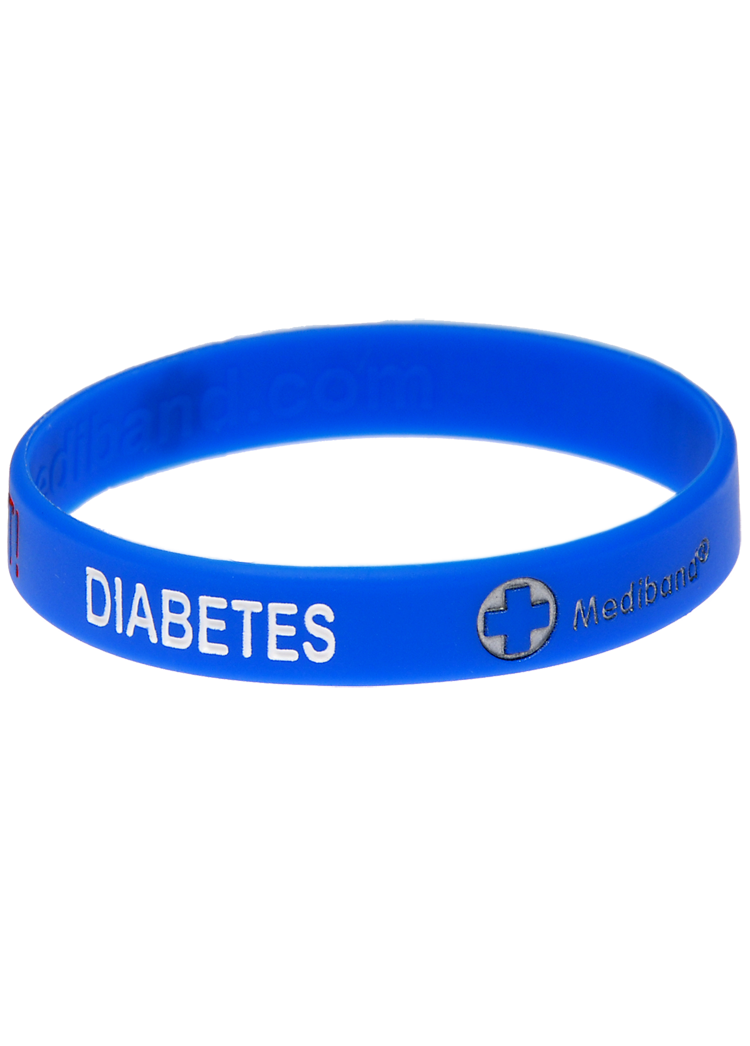
If you use Mediband’s write-on diabetes bracelet, you can update the information yourself whenever your treatment changes — no need to replace the band.
The Role of Exercise in Diabetes Management
Managing diabetes isn’t just about medication — exercise plays a critical role. Regular physical activity works like “invisible insulin,” helping your body use glucose more effectively. Even small changes help: parking further away, taking stairs instead of the elevator, or a 15-minute walk after meals can make a meaningful difference to blood glucose control.
However, exercise also increases the risk of hypoglycaemia for insulin-dependent diabetics. This makes wearing your medical ID bracelet for diabetes even more important during physical activity — especially outdoors or at the gym, where you may be away from people who know your condition.
Choosing the Right Diabetes Medical ID Bracelet
The best medical alert bracelet is one you’ll actually wear every day. Mediband offers several styles to suit different preferences:
- Silicone bracelets — Lightweight, comfortable, waterproof, and available in diabetes-specific designs. Great for everyday wear and exercise.
- Reversible write-on bands — Ideal if your treatment changes frequently. Write and update your own medical details.
- Stainless steel medical IDs — A more formal, jewellery-style option. Engraved with your details for a permanent, professional finish.
- Camouflage & designer styles — For those who want their bracelet to blend in as an everyday accessory.
Whatever style you choose, make sure it’s visible on your wrist — not worn under long sleeves — so first responders can find it quickly.
More Diabetes Medical ID Options
Can't find your specific diabetes type above? We've got more options.
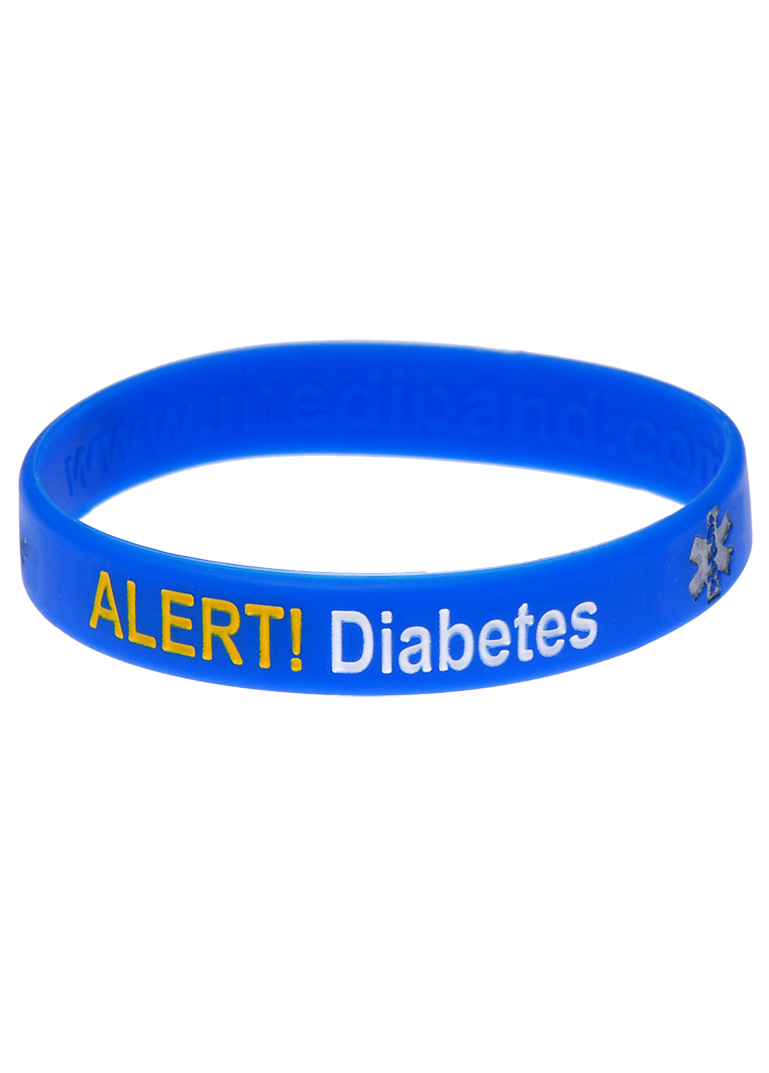
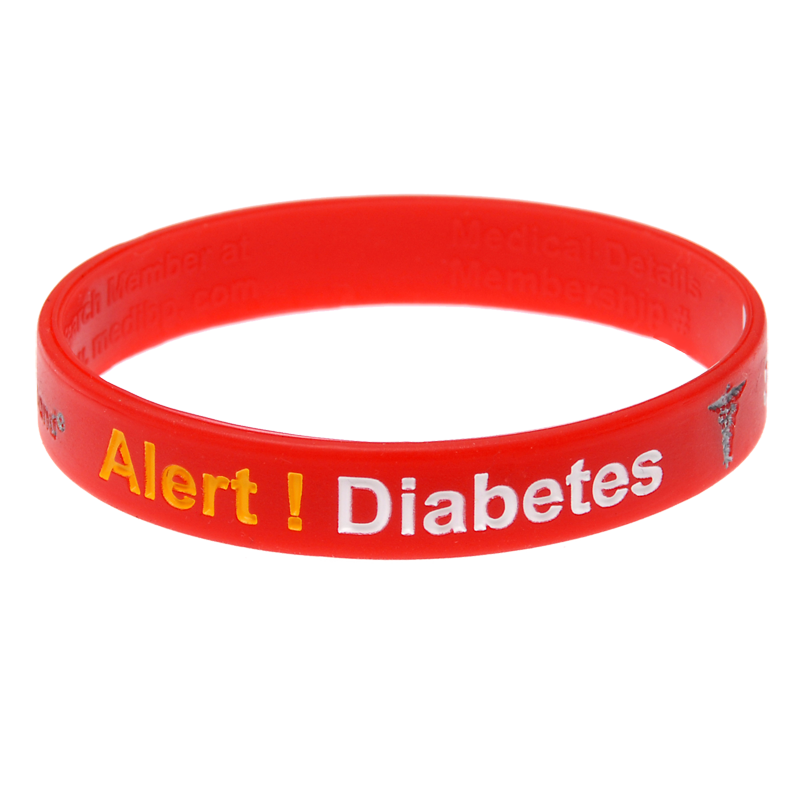
Need help choosing? Call us on 1300 796 401 — we're happy to help.

Share on Facebook

Share on X

Share on Pinterest
Comment(s)
Recent Posts

The Risk Of Not Wearing An Allergy Medical Alert Bracelet
March 23, 2026