The Evolution of Diabetic Bracelets: From Simple Identification to Advanced Health Tools
January 26, 2026
Living with diabetes means making dozens of health decisions every day. For millions worldwide, managing the condition requires constant vigilance, careful monitoring, and quick access to critical medical information. That’s where diabetic bracelets come in—small but powerful accessories that act as essential safety nets for people living with diabetes.
What began as a simple piece of metal engraved with basic medical details has evolved into something much more advanced. Today’s diabetic bracelets sit at the intersection of medical need and technology.
These devices have evolved from basic ID tags used in emergencies into full health-management tools that take an active role in daily diabetes care. Tracking that change shows not only advances in medical technology but also how society’s approach to managing chronic illness has shifted over the years.
The Origins of Diabetic Bracelets: Simple Identification Tools
Early Uses of Diabetic Bracelets
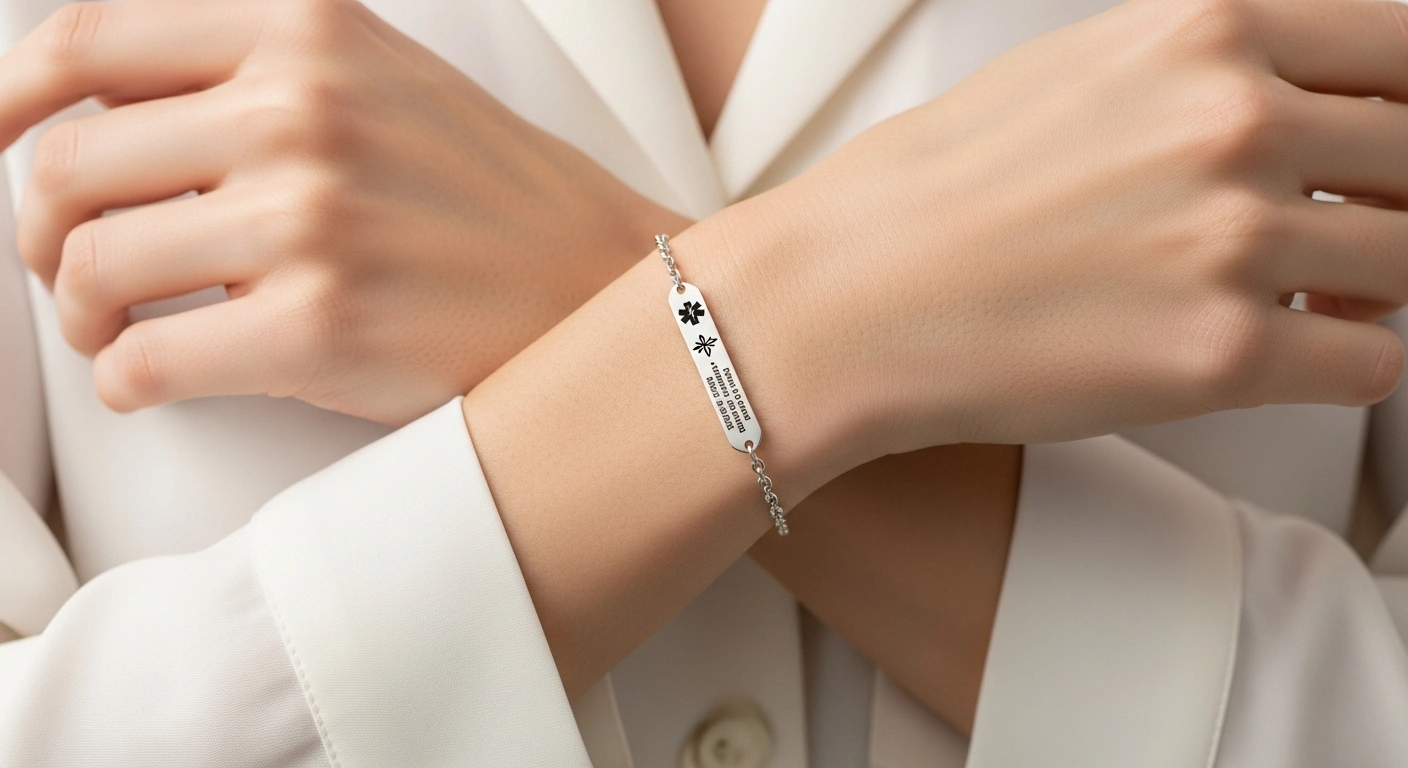
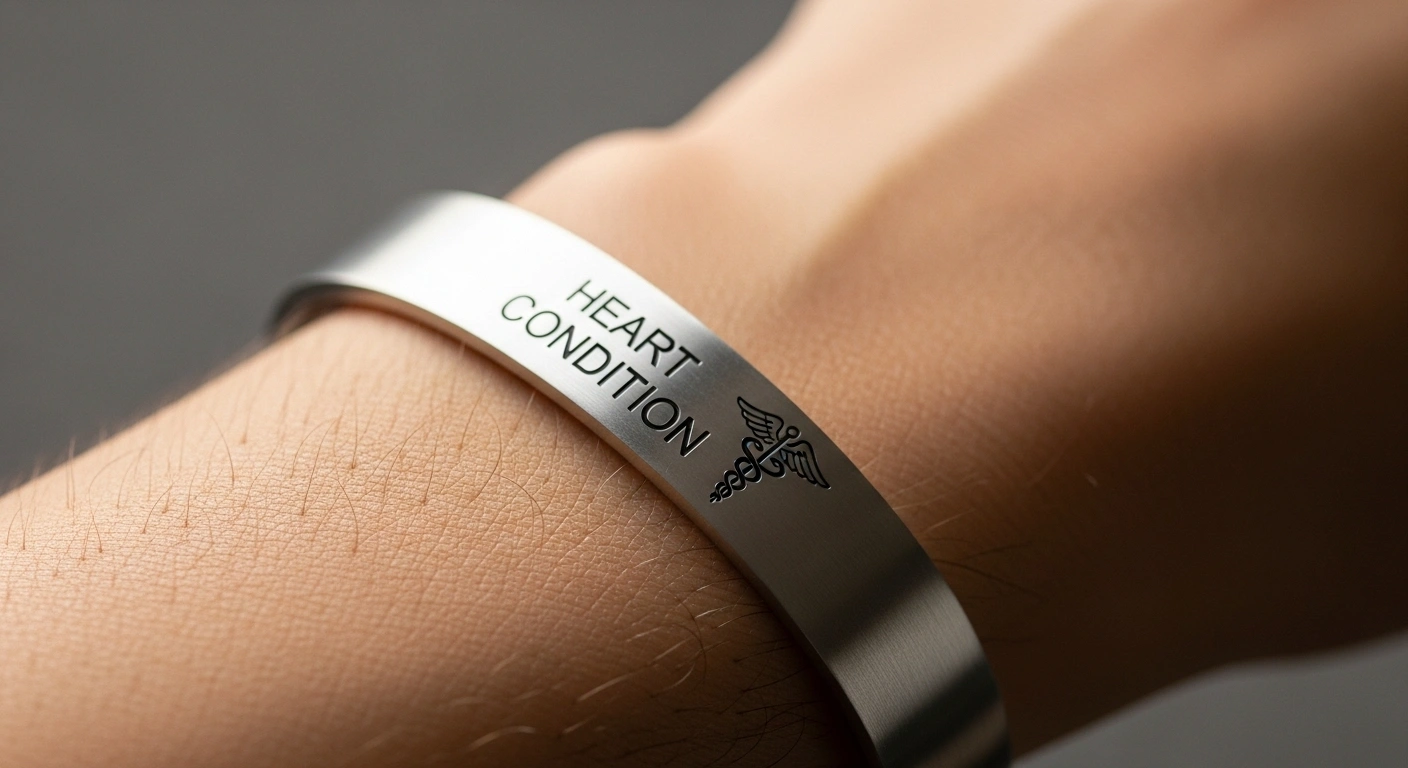
Medical ID jewelry goes back to the 1950s, when the first organized systems for emergency medical info appeared. Early diabetes bracelets were very simple—usually stainless steel or silver bands engraved with basic details. They showed the wearer’s name, that they had diabetes, and sometimes an emergency contact number. The idea was plain and practical: give first responders key information when the patient couldn’t speak for themselves.
These basic identification pieces served a singular but vital purpose. If someone with diabetes experienced a severe hypoglycemic episode and lost consciousness in public, the bracelet would alert paramedics or bystanders to the underlying condition. This distinction was crucial because the symptoms of low blood sugar—confusion, sweating, shakiness, and loss of consciousness—could easily be mistaken for intoxication, drug use, or other medical emergencies requiring completely different interventions.
Why Identification Was Important
In the past, before digital health records and quick access to information became common, a diabetic bracelet often served as the only quick way to learn about someone's medical history in emergencies. Getting the diagnosis wrong could lead to serious problems or even death. When first responders spotted a diabetes bracelet, they knew they had to check blood sugar levels right away. This allowed them to give the right treatment, which might mean glucose for low blood sugar or changes in insulin for high blood sugar.
Beyond emergency situations, these early identification tools provided psychological comfort to wearers and their families:
- Parents of children with diabetes found peace of mind knowing their kids carried identification at school or during activities
- Adults with diabetes gained confidence to travel and exercise, knowing they had a silent advocate speaking on their behalf if something went wrong
- Healthcare providers could quickly identify the underlying condition during medical emergencies, saving precious time in critical situations
The Rise of Advanced Features: The Shift Toward Monitoring and Alerts
The 1990s and early 2000s marked a turning point in how medical identification devices were conceived and manufactured.
The Introduction of Medical Alerts on Diabetic Bracelets
As technology became more miniaturized, manufacturers began incorporating additional features into diabetic bracelet designs. USB drives containing complete medical records were embedded into bracelet clasps. QR codes appeared on medallions, allowing emergency personnel to scan and instantly access detailed health information, medication lists, and physician contacts. Some models included small compartments for emergency glucose tablets or medication.
These incremental improvements represented a philosophical shift. Medical identification was no longer just about static information—it was becoming interactive. The diabetic bracelet evolved from a passive tag to an active participant in health management.
Technological Integration
The smartphone revolution changed everything. Suddenly, diabetic bracelets could connect to mobile applications, sync with health platforms, and communicate with other devices. Bluetooth-enabled models emerged that could receive alerts from continuous glucose monitors (CGMs) and insulin pumps. According to a 2019 study published in Diabetes Care, researchers demonstrated that measuring heart rate variability through wearable devices showed promise for early hypoglycemia detection in people with type 1 diabetes, as it causes early changes in heart rate variability that can be detected before symptoms appear.
This integration transformed the diabetes bracelet from emergency identification to a daily management tool. Wearers could now receive vibrating alerts on their wrists when blood sugar levels drifted outside target ranges, all while maintaining the traditional identification function.
Shop Diabetic Medical Alert Bracelets
From classic silicone to designer reversible styles — find the perfect diabetes bracelet for your lifestyle.
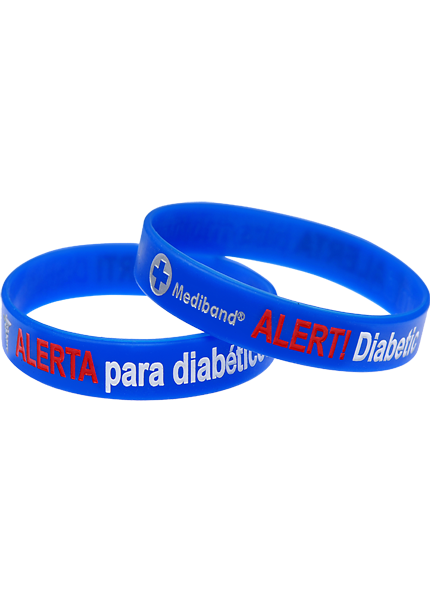
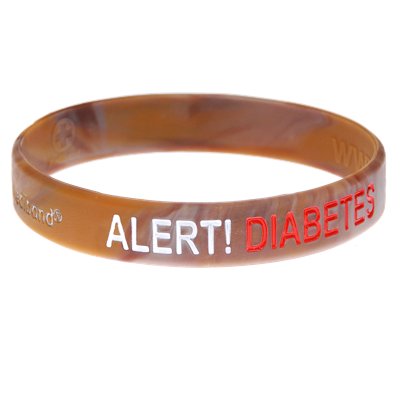
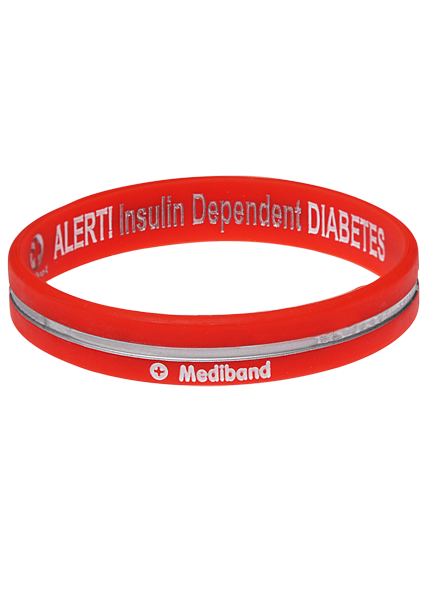
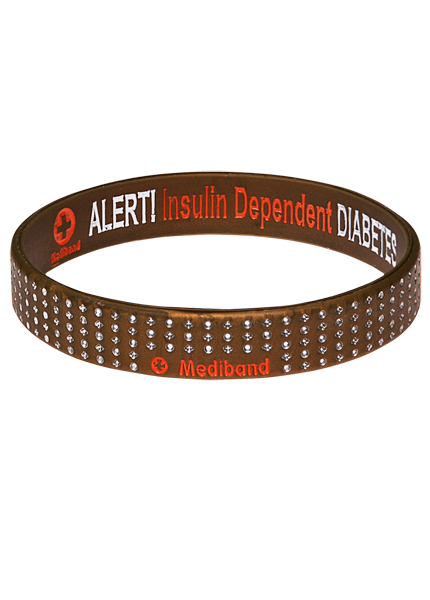
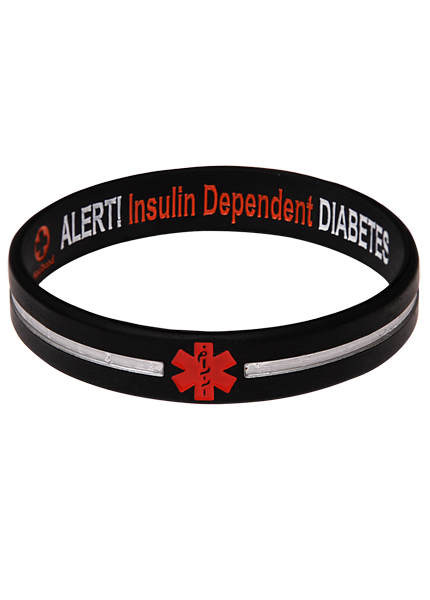
Modern-Day Diabetic Bracelets: Advanced Health Tools for Diabetes Management
Today's market offers an impressive array of options that would seem like science fiction to someone wearing a simple engraved band just two decades ago.
Smart Diabetic Bracelets: The Age of Wearables
Contemporary smart diabetic bracelets function as comprehensive health hubs. Many models feature touchscreens displaying real-time glucose readings pulled from CGM sensors. Others include activity trackers that help users understand how exercise affects their blood sugar levels. Some advanced versions even use algorithms to predict glucose trends, alerting wearers to potential problems before they become critical.
The aesthetic aspect hasn't been ignored either. Modern manufacturers recognize that people want medical devices that fit their personal style. Diabetic bracelets now come in countless designs, from sleek fitness tracker appearances to elegant jewelry pieces featuring precious metals and genuine leather. This customization means wearers are more likely to keep their identification on consistently, which improves safety outcomes.
Real-Time Alerts and Data Sharing
One of the most significant advances in modern diabetic bracelets is the ability to share information with caregivers, family members, and healthcare providers. When a person's glucose levels drop dangerously low, their bracelet can automatically send alerts to designated contacts:
- Parents can monitor their child's blood sugar from work, receiving instant notifications if levels become problematic
- Spouses can receive alerts if their partner experiences nocturnal hypoglycemia, allowing them to provide immediate assistance
- Healthcare teams can review weeks of data during appointments without relying on patient recall, enabling more informed treatment decisions
This connectivity creates a safety network that extends far beyond the individual wearer. The psychological benefits are substantial—many diabetes patients report feeling less isolated and more supported when they know others can monitor their condition remotely.
The Role of Diabetic Bracelets in Preventing Hypoglycemic Episodes
Hypoglycemia remains one of the most dangerous acute complications of diabetes management. Modern diabetic bracelets address this threat through multiple mechanisms. Predictive alerts analyze glucose trends and warn users 15-30 minutes before levels drop into dangerous territory, providing time for preventive action.
Pattern recognition features allow smart bracelets to learn individual glucose patterns and identify circumstances that typically precede low blood sugar events, such as specific exercise routines or times of day. Integration with insulin delivery systems enables some devices to communicate with insulin pumps to automatically reduce or suspend insulin delivery when hypoglycemia is imminent.
Improved Comfort and Customization
Early medical identification often meant uncomfortable metal that caused skin irritation or caught on clothing. Today's options prioritize wearer comfort with hypoallergenic materials, adjustable sizing systems, and lightweight designs. Silicone sport bands withstand intense athletic activities. Stainless steel mesh offers breathable elegance for professional settings. The variety ensures that everyone can find a diabetic bracelet they'll actually wear consistently.
Key Features of Modern Diabetic Bracelets
Understanding what contemporary models offer helps illustrate just how far this technology has progressed.
Continuous Glucose Monitoring (CGM)
While CGM sensors themselves attach to the body separately, many modern diabetic bracelets serve as display and alert devices for these systems. The bracelet becomes a discrete, always-visible interface for critical glucose data. Users can glance at their wrist rather than pulling out a phone or dedicated receiver, making monitoring more seamless and less disruptive to daily activities.
Medication and Insulin Tracking
Remembering medication schedules represents a common challenge in diabetes management. Advanced bracelets now include reminder systems that vibrate or chime when it's time for insulin or oral medications.
Some models allow users to log doses directly on the device, creating comprehensive records for healthcare providers. This tracking capability helps identify patterns between medication timing and glucose fluctuations.
Emergency Response Integration
Modern diabetic bracelets often include direct connections to emergency services. A single button press can initiate a call to 911 while simultaneously sharing the wearer's location and medical information.
Some premium models offer fall detection, automatically alerting emergency contacts if the device senses the wearer has collapsed—a feature particularly valuable for those living alone or at high risk for severe hypoglycemic episodes.
Waterproof and Durable Designs
Life doesn't stop for diabetes management, which is why contemporary diabetic bracelets are built to withstand real-world conditions:
- Water resistance: Most models now feature waterproof ratings, allowing swimming, showering, and water sports without removal
- Impact resistance: Reinforced screens and shock-absorbent casings protect the technology during accidental drops or impacts
- Long battery life: Energy-efficient components and optimized software mean many devices run for days or even weeks on a single charge
These durability improvements ensure that diabetic bracelets remain functional and reliable regardless of the wearer's lifestyle or activities.
Looking Back, Moving Forward
The shift from simple engraved diabetic bracelets to advanced health-management devices shows how medicine's approach to chronic illness has changed. What used to be just an emergency ID is now an active part of daily diabetes care, with monitoring, alerts, data analysis, and connectivity that would have been unimaginable a generation ago.
And it’s still evolving. Researchers are working on biosensors that could read glucose through the skin, removing the need for separate CGM sensors. AI promises more accurate predictive alerts and tailored management suggestions. As tech keeps improving, the gap between an ID bracelet and a full health assistant will keep shrinking.
For the millions living with diabetes, these innovations represent more than convenient gadgets. They offer increased safety, greater independence, and improved quality of life. The humble diabetic bracelet has proven that even the simplest medical tools can transform into powerful health allies when human ingenuity meets technological possibility.
Frequently Asked Questions
What information should I put on a diabetic bracelet?
At minimum, engrave your condition (Type 1 or Type 2 Diabetes), whether you are insulin dependent, any critical allergies, and an emergency contact number. If you use an insulin pump, note that too. Keep the information concise so first responders can read it quickly during an emergency.
Do paramedics actually check for medical alert bracelets?
Yes. Paramedics and emergency medical technicians in Australia are trained to check the wrists and neck of an unconscious or unresponsive patient for medical identification within the first 30 seconds of assessment. A visible diabetic bracelet can directly influence the treatment decisions they make.
What is the best material for a diabetic bracelet?
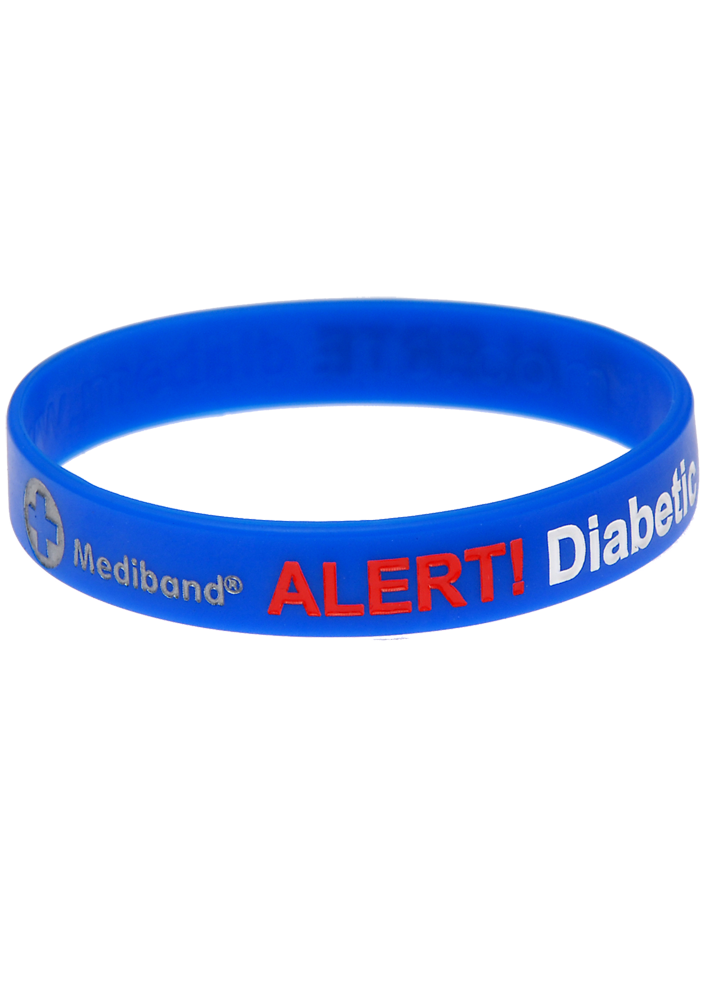
Medical-grade silicone is the most popular choice for everyday wear — it is waterproof, hypoallergenic, lightweight, and durable. Stainless steel bracelets offer a more premium look and are ideal for formal settings. Both materials are designed to withstand daily activities without irritation.
Should children with diabetes wear a medical alert bracelet?
Absolutely. Children with Type 1 Diabetes should wear a medical alert bracelet at all times, especially at school, during sports, and on excursions. Teachers, coaches, and emergency responders can use the bracelet to identify the child and respond correctly if a hypoglycaemic episode occurs.
Can a diabetic bracelet monitor blood sugar levels?
Traditional medical alert bracelets do not monitor blood sugar — they provide identification information for emergencies. However, some newer smart wristbands integrate with continuous glucose monitors. For reliable emergency identification, a dedicated medical alert bracelet remains the gold standard.

Share on Facebook

Share on X

Share on Pinterest
Comment(s)
Recent Posts
The Risk Of Not Wearing An Allergy Medical Alert Bracelet
March 23, 2026