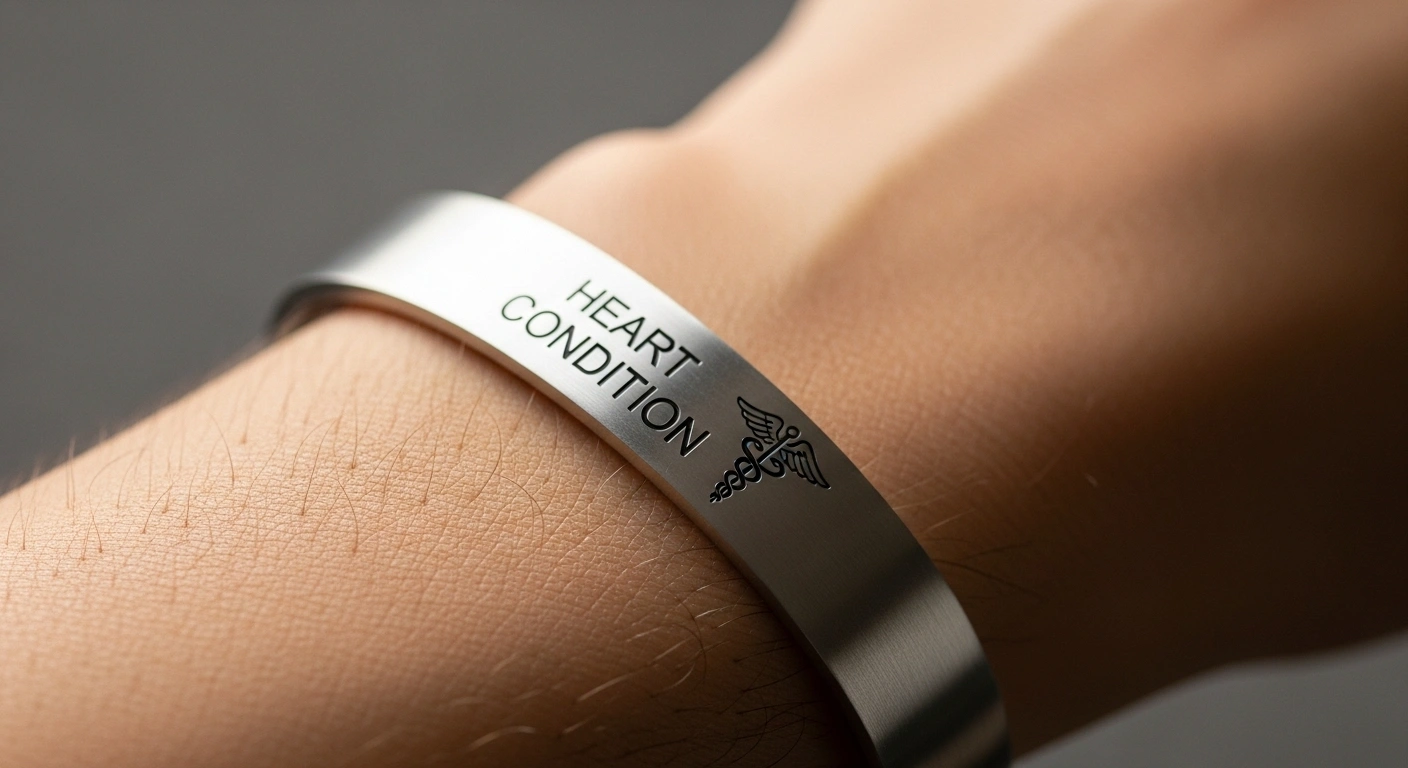
Diabetes: Types, Symptoms, and Why a Medical Alert Bracelet Could Save Your Life
October 14, 2020

Diabetes is one of the most prevalent chronic conditions in the world, affecting over 537 million adults globally as of 2021, with numbers projected to reach 783 million by 2045 according to the International Diabetes Federation. Despite its familiarity, diabetes is frequently misunderstood — and the life-threatening emergencies it can create are not always recognised quickly enough.
This guide provides a thorough overview of diabetes, covering the different types, their symptoms and causes, how they are managed, and why a medical alert bracelet is considered essential safety equipment for people living with this condition.
What Is Diabetes?
Diabetes mellitus is a group of metabolic disorders characterised by chronically elevated blood glucose (blood sugar) levels. Glucose is the primary fuel source for the body's cells, but in order to enter cells and be used for energy, it requires the hormone insulin — produced by beta cells in the pancreas. Diabetes occurs when this system breaks down: either not enough insulin is produced, the body's cells do not respond effectively to insulin (insulin resistance), or both.
Chronic hyperglycaemia — persistently high blood glucose — damages blood vessels and nerves throughout the body, leading to the long-term complications of diabetes: cardiovascular disease, kidney failure, blindness, nerve damage, and lower limb amputations. Effective management aims to keep blood glucose within target ranges to prevent these complications while also managing the risk of dangerous acute events.
Types of Diabetes: Key Differences
Type 1 Diabetes
Type 1 diabetes is an autoimmune condition in which the immune system destroys the insulin-producing beta cells of the pancreas. The result is an absolute deficiency of insulin — without insulin, cells cannot access glucose and the body begins breaking down fat for fuel, producing ketones as a by-product. Dangerously high ketone levels lead to diabetic ketoacidosis (DKA), a medical emergency that can be fatal without treatment.
Type 1 diabetes typically develops in childhood or adolescence, though it can occur at any age. It is managed exclusively with insulin — there is no alternative. People with Type 1 require insulin multiple times daily (via injections or an insulin pump) and must monitor their blood glucose levels closely, making multiple daily management decisions that directly affect their safety.
Type 2 Diabetes
Type 2 diabetes accounts for approximately 90–95% of all diabetes cases globally. It develops when the body's cells become resistant to insulin and the pancreas cannot produce enough additional insulin to compensate. Type 2 diabetes is strongly associated with excess weight, physical inactivity, and age, though genetic factors also play a significant role.
Early-stage Type 2 diabetes can often be managed with lifestyle modifications — improved diet and increased physical activity. As the condition progresses, oral medications and eventually insulin may be required. Type 2 diabetes is a progressive condition, and many people will need intensification of treatment over time.
Gestational Diabetes
Gestational diabetes develops during pregnancy in women who did not previously have diabetes. It occurs because pregnancy hormones impair insulin action, leading to elevated blood glucose. Gestational diabetes typically resolves after birth but significantly increases the risk of developing Type 2 diabetes later in life. It requires careful management during pregnancy to reduce risks for both mother and baby.
LADA and MODY
Less common forms include Latent Autoimmune Diabetes in Adults (LADA), which resembles Type 2 diabetes initially but has an autoimmune basis similar to Type 1, and Maturity-Onset Diabetes of the Young (MODY), a group of single-gene disorders affecting insulin secretion. These forms are frequently misdiagnosed and require specialist assessment.
Recognising Diabetes Symptoms
The classic symptoms of undiagnosed or poorly controlled diabetes result from hyperglycaemia and include:
- Frequent urination (polyuria): Excess glucose in the blood spills into the urine, drawing large amounts of water with it
- Excessive thirst (polydipsia): The body attempts to compensate for fluid lost through frequent urination
- Unexplained weight loss: Particularly in Type 1, as the body breaks down fat and muscle for fuel
- Fatigue: Cells starved of glucose despite elevated blood levels
- Blurred vision: Changes in the lens of the eye due to fluid shifts
- Slow-healing wounds: Elevated glucose impairs immune function and wound healing
- Recurrent infections: Particularly urinary tract and skin infections
Type 2 diabetes often develops gradually and may be present for years before symptoms become noticeable — which is why regular screening for people with risk factors is so important.
Diabetes Emergencies: Hypoglycaemia and Hyperglycaemia
The two acute emergencies of diabetes are at opposite ends of the blood glucose spectrum:
Hypoglycaemia (Low Blood Sugar)
Hypoglycaemia — blood glucose below the normal range — typically occurs when too much insulin has been taken, a meal has been missed or delayed, more exercise than usual has been done, or alcohol has been consumed without food. Symptoms include shakiness, sweating, confusion, irritability, pallor, rapid heartbeat, and in severe cases, seizures or loss of consciousness.
A person experiencing severe hypoglycaemia cannot treat themselves. Without rapid identification and glucose administration, the situation can escalate to brain damage or cardiac arrest. A medical alert bracelet for diabetes immediately tells bystanders and paramedics what is happening — allowing them to provide glucose rather than treating the person for intoxication, a psychiatric episode, or another cause of altered consciousness.
Hyperglycaemia and DKA
Diabetic ketoacidosis (DKA) is a life-threatening emergency primarily affecting people with Type 1 diabetes. It occurs when insulin levels are critically low, causing the body to produce ketones at a dangerous rate. Symptoms include nausea and vomiting, abdominal pain, deep rapid breathing, a distinctive fruity breath odour, confusion, and eventually loss of consciousness. DKA requires urgent hospital treatment with IV fluids, insulin infusion, and electrolyte replacement.
Why a Medical Alert Bracelet Is Life-Saving for People with Diabetes
Both hypoglycaemia and DKA can present with altered consciousness or behaviour. Without knowing the person has diabetes, responders may make incorrect assumptions about the cause — wasting critical time and potentially administering inappropriate treatment.
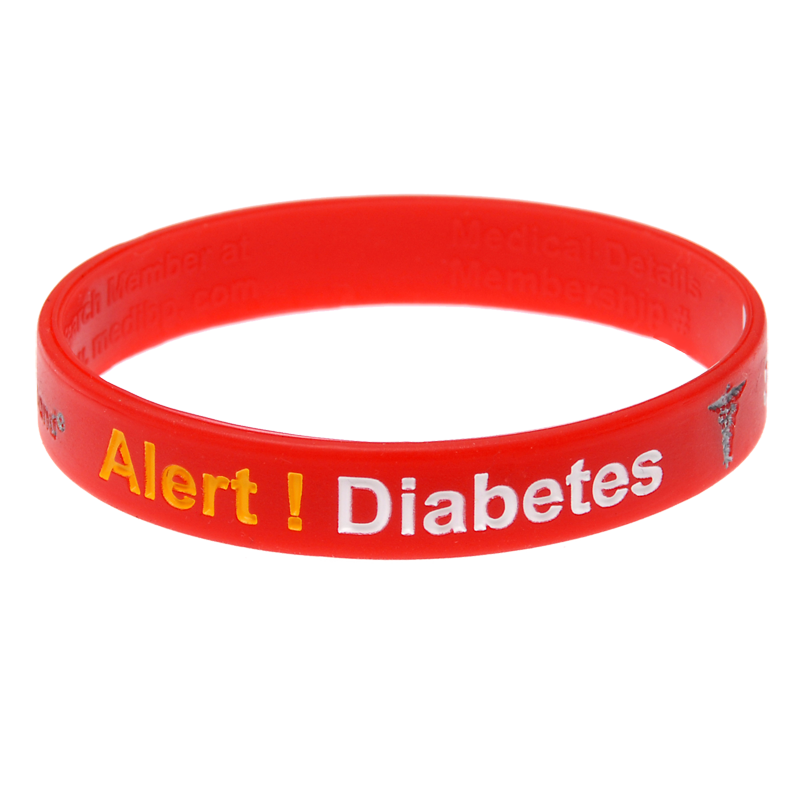
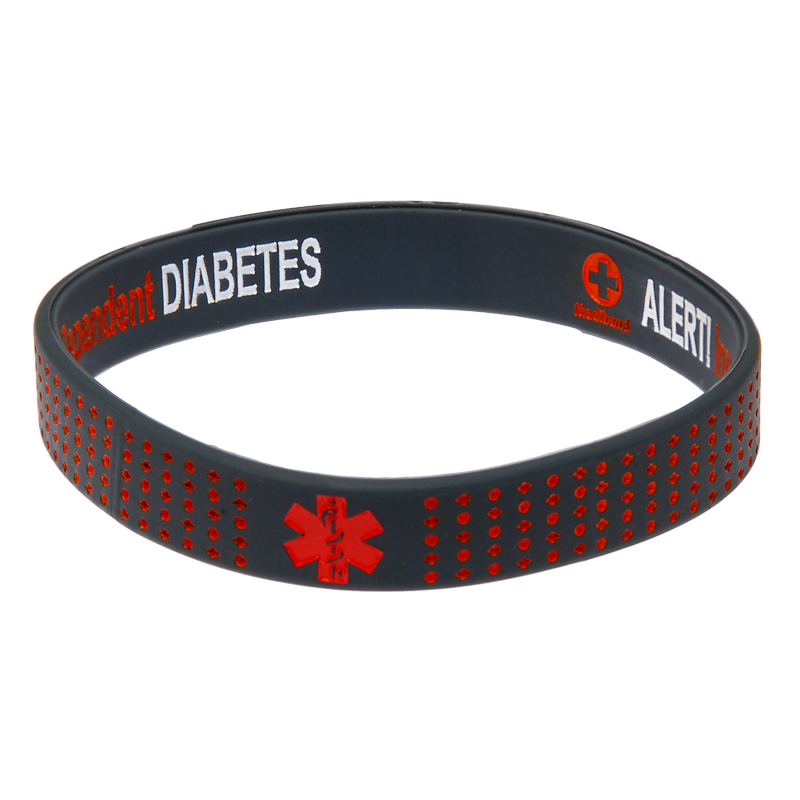
A diabetes alert medical bracelet immediately communicates the diagnosis. For Type 1, a insulin-dependent diabetes medical bracelet adds critical detail — that this person requires insulin and may be experiencing either hypoglycaemia or DKA. For Type 2, a Type 2 diabetes bracelet flags the condition and ensures appropriate assessment of blood glucose.
Write-on options like the red reversible diabetes bracelet allow people to include specific medication details, insulin types, or emergency contacts alongside the core diabetes identification.
Diabetes Medical Alert Bracelets
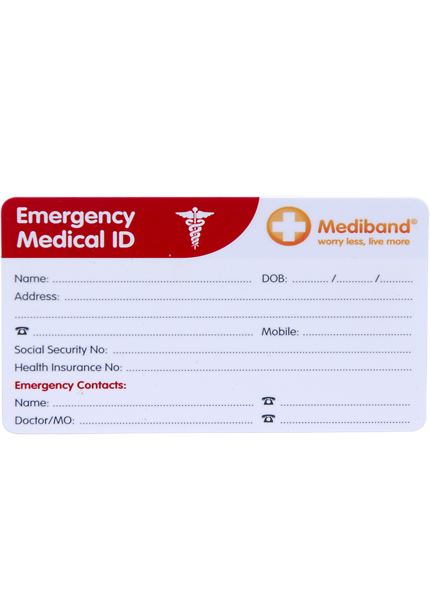
In a diabetes emergency, your bracelet speaks instantly — choose the right one for your type.
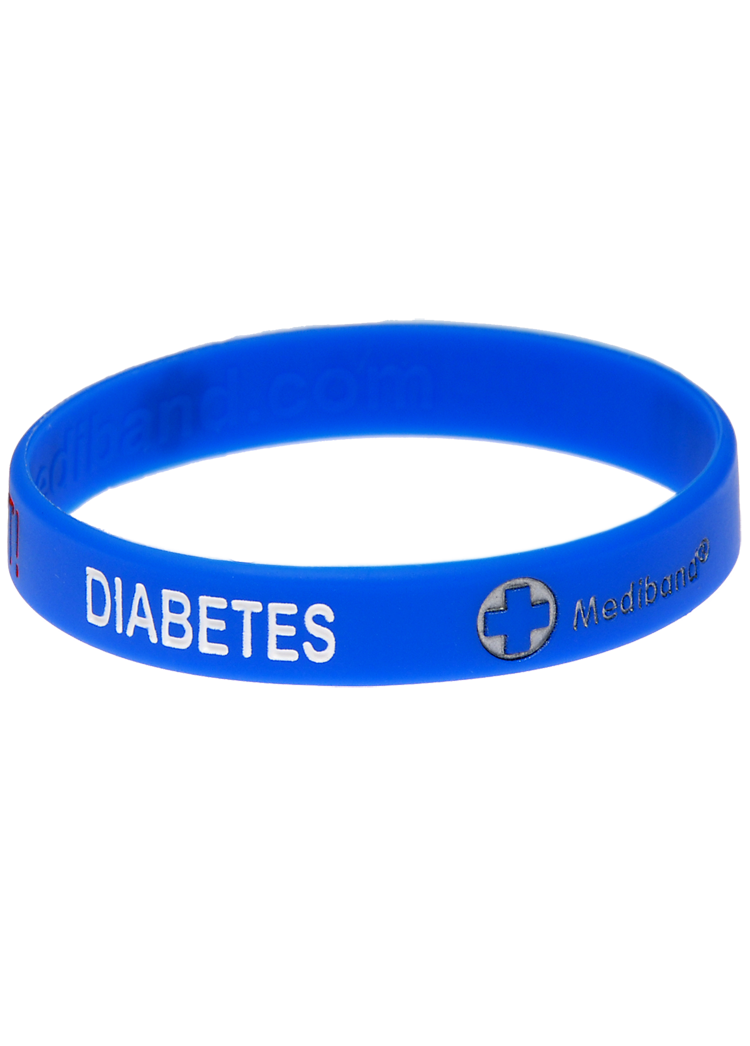
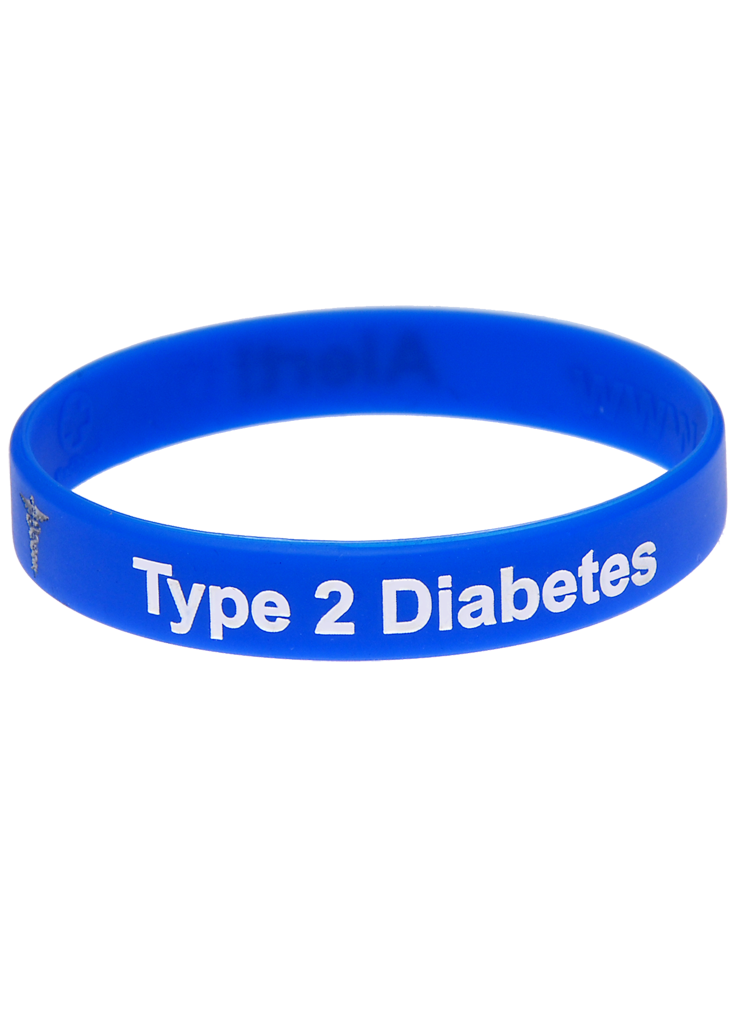
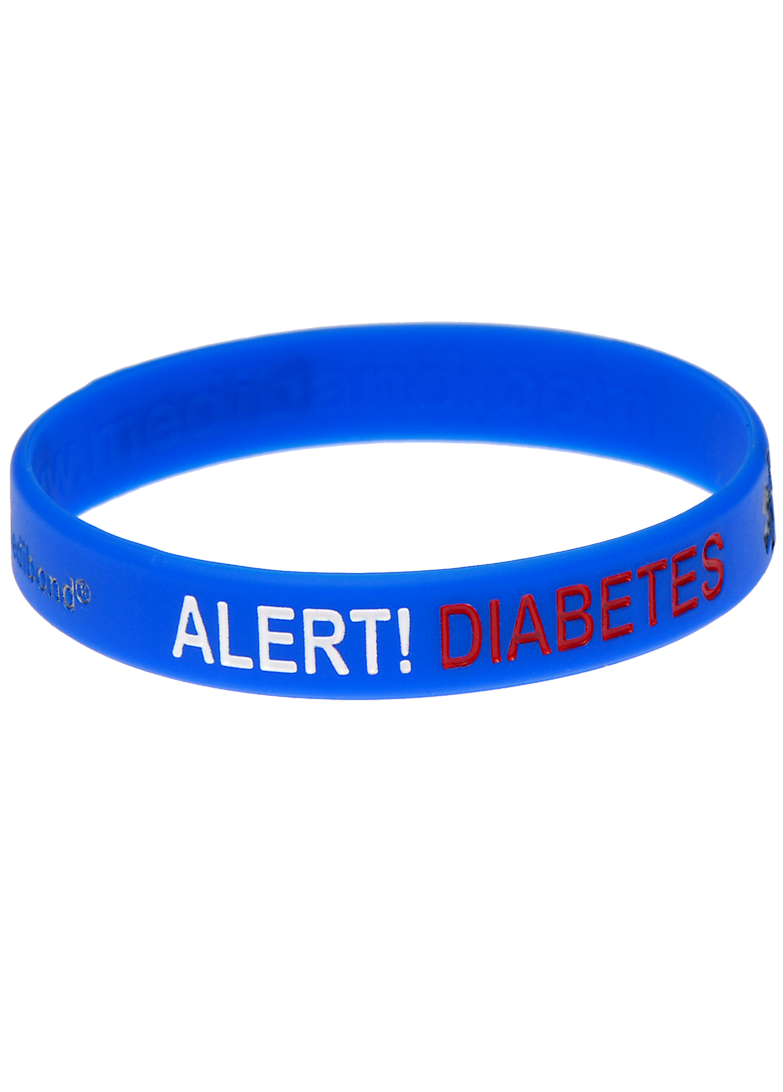
Diabetes Management: A Daily Commitment
Effective diabetes management is not a single action but a daily commitment to blood glucose monitoring, medication adherence, dietary management, physical activity, and regular medical review. For Type 1 diabetes, this means multiple daily decisions about insulin dosing, carbohydrate intake, and exercise adjustments. For Type 2, it may mean medication, dietary changes, weight management, and monitoring for complications.
Modern technology — continuous glucose monitors (CGMs), insulin pumps, and closed-loop "artificial pancreas" systems — has transformed diabetes management for many people, providing real-time glucose data and reducing the burden of manual blood glucose testing. However, these technologies do not remove the need for medical identification.
A medical alert bracelet combined with a medical wallet card listing insulin types, current medications, and emergency contacts provides a fail-safe layer of identification that works even when a CGM is not being checked, a phone is dead, or a person cannot speak for themselves.
Diabetes is a manageable condition. The combination of good medical care, self-management, technology where available, and reliable emergency identification through a medical alert bracelet gives people with diabetes the best foundation for a long, full, and healthy life.
Frequently Asked Questions
What is the difference between Type 1 and Type 2 diabetes?
Type 1 diabetes is an autoimmune condition in which the immune system destroys insulin-producing cells, resulting in absolute insulin deficiency. It requires insulin therapy and typically develops earlier in life. Type 2 diabetes develops when cells become resistant to insulin and the pancreas cannot compensate, often associated with lifestyle factors. Type 2 can initially be managed with lifestyle changes and oral medications, though insulin may be needed over time.
What is a hypoglycaemic episode and what should bystanders do?
Hypoglycaemia (a hypo) occurs when blood glucose drops too low — typically below 4 mmol/L. Symptoms include shakiness, sweating, confusion, and pale skin. If the person is conscious and can swallow, give fast-acting glucose — sugary drink, glucose tablets, or jelly beans. If they are unconscious or unable to swallow safely, do not give anything by mouth — call emergency services immediately. A diabetes medical alert bracelet will alert bystanders and paramedics to the likely cause.
Why should someone with diabetes wear a medical alert bracelet?
A medical alert bracelet communicates the diabetes diagnosis instantly to anyone providing care — from a bystander in a public place to a paramedic or emergency doctor. This is critical because both low blood sugar (hypoglycaemia) and diabetic ketoacidosis can cause confusion, unconsciousness, or behaviour that mimics other conditions. A bracelet prevents misdiagnosis and ensures appropriate treatment is given without delay.
Can diabetes be reversed?
Type 2 diabetes can in some cases be put into remission — particularly through significant and sustained weight loss in people who were recently diagnosed. Remission means blood glucose levels return to the normal range without diabetes medication. However, the underlying predisposition remains, and careful monitoring is needed. Type 1 diabetes cannot currently be reversed, as the immune destruction of beta cells is permanent, though research into beta cell replacement and immunotherapy is ongoing.

Share on Facebook

Share on X

Share on Pinterest
Comment(s)
Recent Posts

The Risk Of Not Wearing An Allergy Medical Alert Bracelet
March 23, 2026