Daily Situations Where A Diabetes Medical Alert Necklace Helps
March 06, 2026
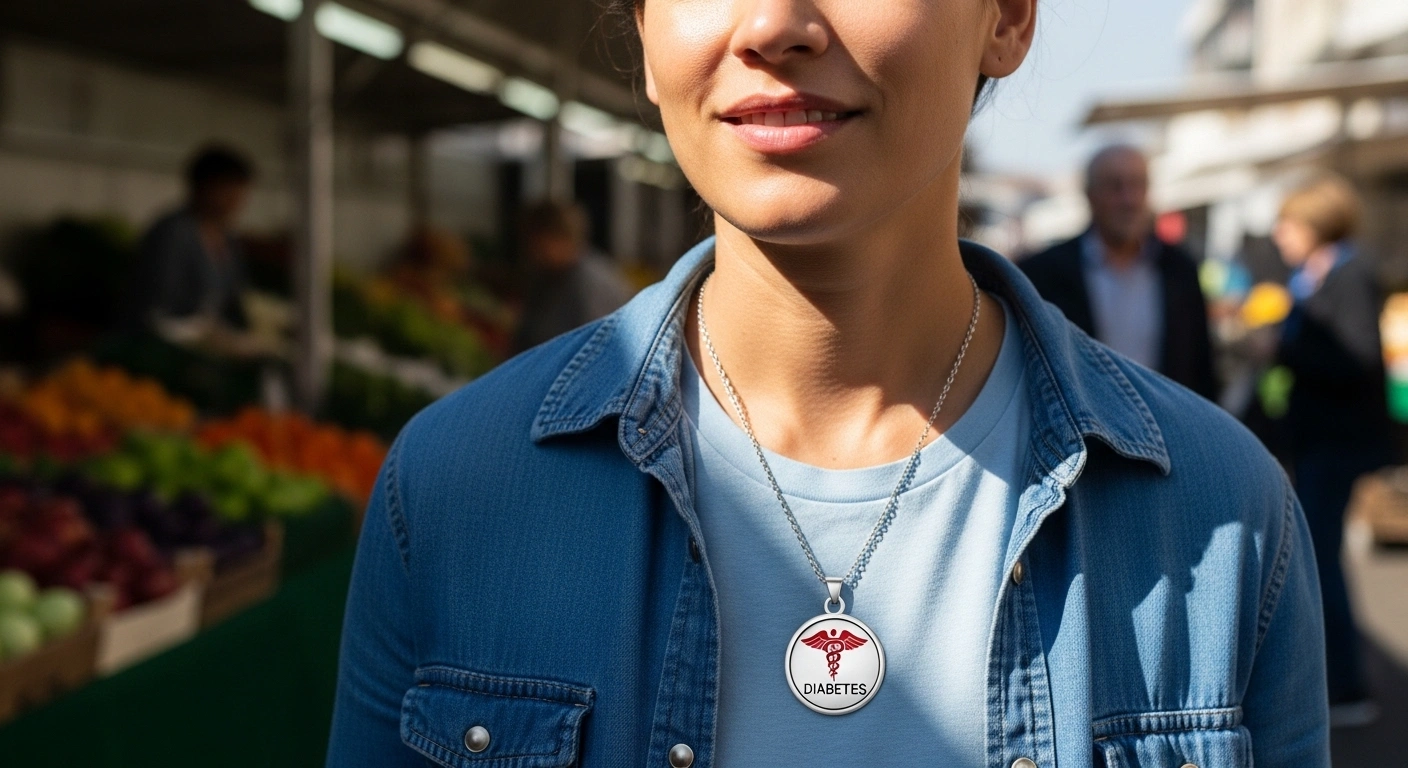
A diabetes medical alert necklace helps bystanders and first responders identify your condition instantly when you cannot speak for yourself. It works silently, every day - no phone, no app, no action required from the wearer. When blood sugar drops without warning, a visible necklace can be the difference between a fast, correct response and a dangerous delay.
Most people associate diabetic emergencies with dramatic, high-stakes moments. The truth is far more ordinary. Episodes happen at the grocery store, on the morning commute, during a work call. The people nearby usually have no idea the person next to them has diabetes - and even if they want to help, they do not know how. This article covers the specific everyday situations where a medical alert necklace for diabetes wearers becomes genuinely important, and why having that information visible at all times is not overcautious - it is practical.
Diabetes Emergencies Happen in the Routine, Not Just the Extreme
There is a widespread assumption that diabetic emergencies announce themselves clearly. In practice, the early signs are easy to miss or misread. Hypoglycemia can confuse, slurred speech, and disorientation - symptoms that look a lot like intoxication to someone who does not know the person. Without visible medical identification, bystanders and responders may treat the situation incorrectly or hesitate altogether while trying to figure out what is happening.
That delay is the core problem a diabetes medical alert necklace solves. It closes the information gap before anyone even has to ask a question. The condition is visible, the context is clear, and whoever is nearby can act with confidence rather than uncertainty.
When Symptoms Appear In Public Spaces
Public places are where diabetic incidents go unrecognized the longest. People are busy, distracted, and unlikely to ask a stranger about their medical history - which means the window for fast, informed help depends almost entirely on what the person is wearing.
Grocery Stores, Cafés, and Restaurants
Blood sugar does not pause for errands. A person experiencing a hypoglycemic episode in a store may look confused, move unsteadily, or struggle to respond to simple questions. Without a visible indicator, staff and nearby shoppers will not know what is happening or what to do.
In a café or restaurant, similar situations can come on quickly - a delayed meal, a longer wait than expected, or a miscalculated insulin dose can all tip blood sugar in the wrong direction. A visible diabetes medical alert necklace gives whoever is nearby an immediate, clear cue: this person has diabetes, they may need sugar or medical assistance, and calling for help is the right move.
Public Transport and Commuting
Buses, trains, and subways are some of the most isolating environments for a medical episode. A person may be seated alone, appear to be resting, and show no obvious signs of distress until symptoms become serious. By the time someone notices something is wrong, blood sugar may have already dropped to a dangerous level.
Transit staff are not medical professionals, but they know how to contact emergency services and clear a space. A medical alert necklace ensures that when help arrives, responders are not starting from zero - they know the patient is diabetic, which changes what they prioritize and how they respond from the first moment.
Gyms and Fitness Centers
Exercise has a direct and sometimes unpredictable effect on blood glucose. Even well-managed diabetes can produce a faster-than-expected drop during intense physical activity, particularly if the session runs longer or harder than planned. At a gym, surrounded by people focused on their own workouts, a sudden decline in blood sugar can go unnoticed until it becomes a serious problem.
Gym staff are trained in basic first aid, but they need context to act correctly. A medical alert necklace gives them something concrete to work with. It also helps them avoid misinterpreting symptoms - dizziness and confusion during a workout can easily be attributed to overexertion rather than a diabetic episode.
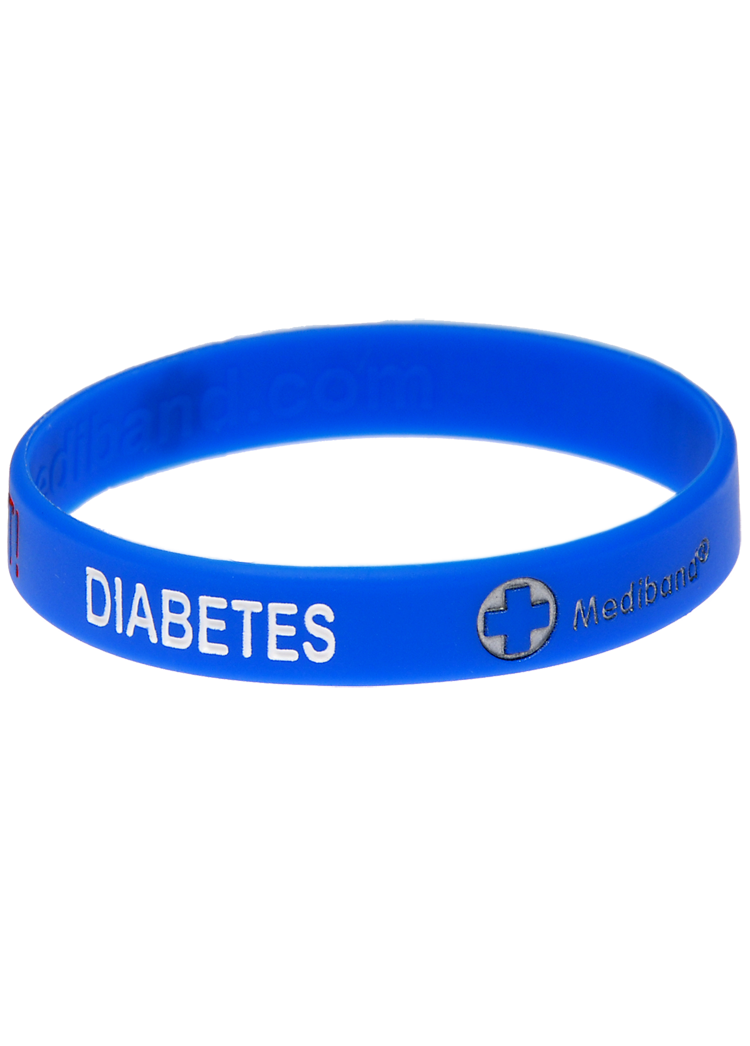
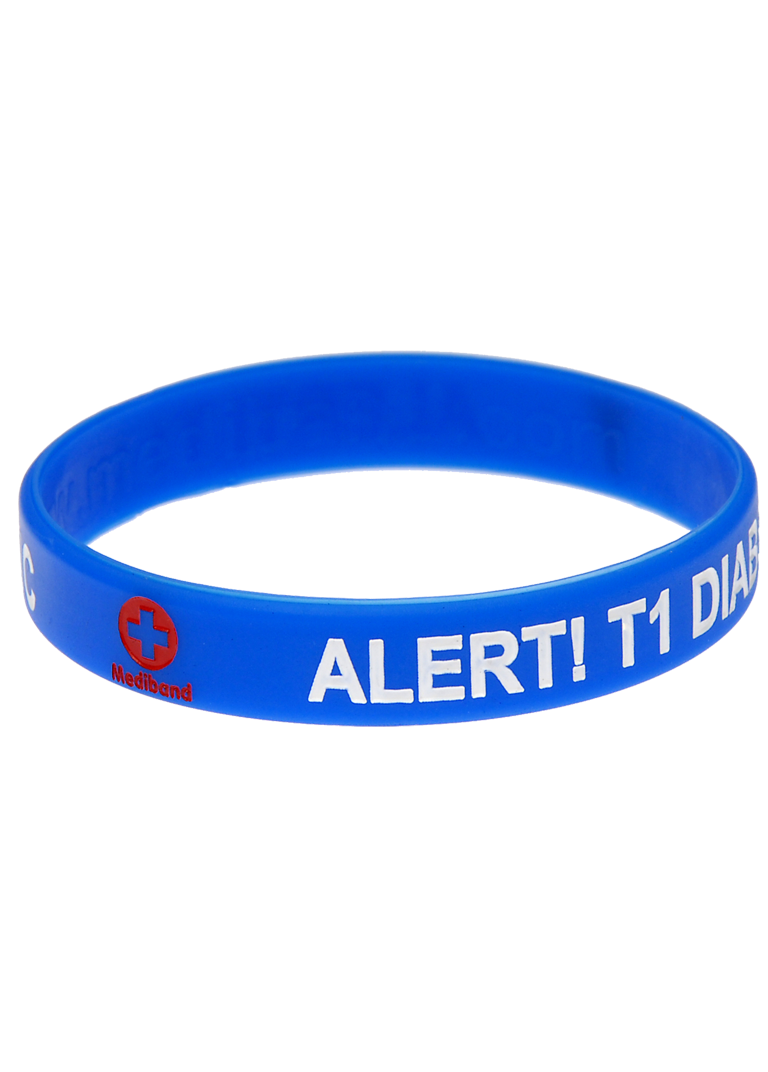
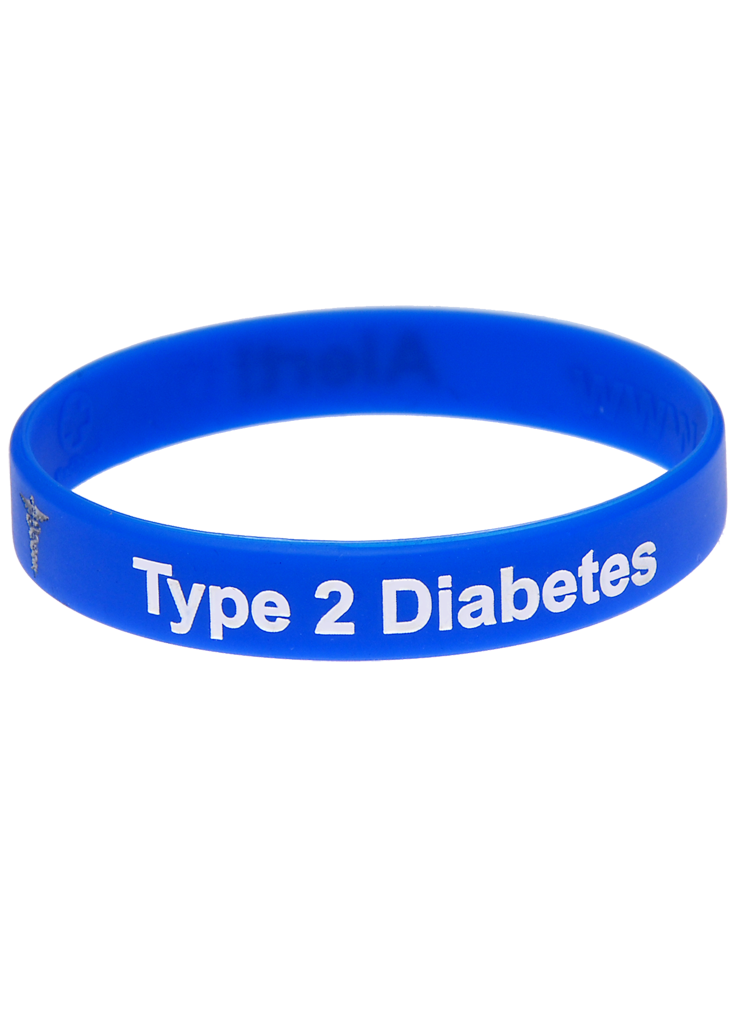
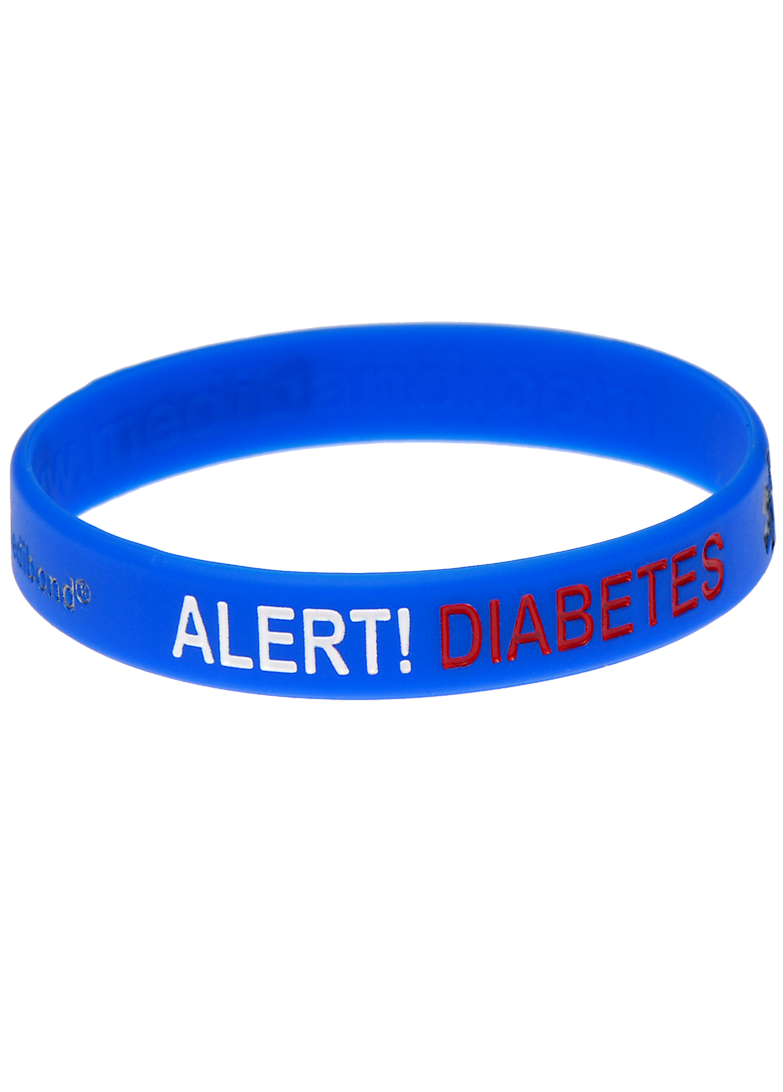
Shop Diabetes Medical Alert Jewellery
From bracelets to pendants — find the diabetes alert ID that fits your daily life.

When Traveling or Away from Familiar Support
Stepping outside the usual routine removes the safety net of people who already know about someone's condition. Whether it is a work trip or a weekend hike, the further you are from familiar surroundings, the more important visible identification becomes.
In professional settings, many people choose not to share their health details — and that is a reasonable personal choice. However, this can create a gap when something goes wrong. During a meeting or presentation, early signs of hypoglycemia, such as a slight tremor, difficulty concentrating, or changes in behaviour, are often mistaken for stress or fatigue. A clearly visible diabetes medical alert necklace helps bridge that gap by providing passive, always-on communication. It does not require any explanation or disclosure — the information is simply there, ready to be used if needed.
Physical activity and outdoor situations introduce a different kind of risk. Activities like hiking, cycling, or long walks take people away from their usual support network. Factors such as heat, dehydration, and sustained exertion can affect blood glucose levels in unpredictable ways. If something happens in a park or on a trail, the first person to respond may have no medical training at all. In these situations, a personalized medical alert necklace provides immediate, reliable information without relying on a phone, battery, or signal. Its simplicity is exactly what makes it effective outdoors.
Social and everyday interactions can also create challenges. Events like parties, dinners, or gatherings often involve irregular eating patterns, alcohol, and longer hours, all of which can affect blood sugar levels. Even close friends or family members may overlook early symptoms when the environment is busy or distracting. A medical alert necklace works quietly in the background, removing the need for constant reminders. If something does happen, anyone nearby can quickly understand the situation and respond appropriately — without guessing or searching for information.
How a Personalized Medical Alert Necklace Improves Response
The format and content of the ID piece matter significantly. A generic tag that only says 'diabetic' is better than nothing, but it provides far less value than a well-engraved, detailed identification.
Including Critical Medical Details
A properly engraved necklace should include the diabetes type, current medications, and insulin use, any relevant drug allergies, and an emergency contact number. These details help responders avoid treatments that could cause additional harm. A 2020 survey by Lauren's Hope - involving over 100 EMTs and paramedics - found that over 85% recommended medical alerts for people with diabetes, more than 95% agreed that wearing one improves patient outcomes, and over 80% considered custom-engraved IDs the most effective format available.
Enabling Faster Decision-Making
Speed matters in any medical emergency. The faster a responder understands the situation, the faster the right action follows. As noted by MedicAlert Foundation, when first responders can narrow their focus to high-probability issues based on a patient's known conditions, interventions can be employed faster, and outcomes improve. A personalized medical alert necklace compresses essential medical history into something readable in seconds - no login, no scrolling, no delay.
Supporting First Responders
Emergency professionals are trained to check wrists and necks for medical identification as part of standard patient assessment. Knowing that a patient is diabetic, uses insulin, and has a specific drug allergy changes the entire treatment approach - from what they administer to what they need to avoid. It can also prompt them to check for a CGM or insulin pump already on the body, which provides additional real-time data. The more information available at the scene, the fewer assumptions responders have to make under pressure.
What to Look for in a Diabetes Medical Alert Necklace
Visibility and Readability
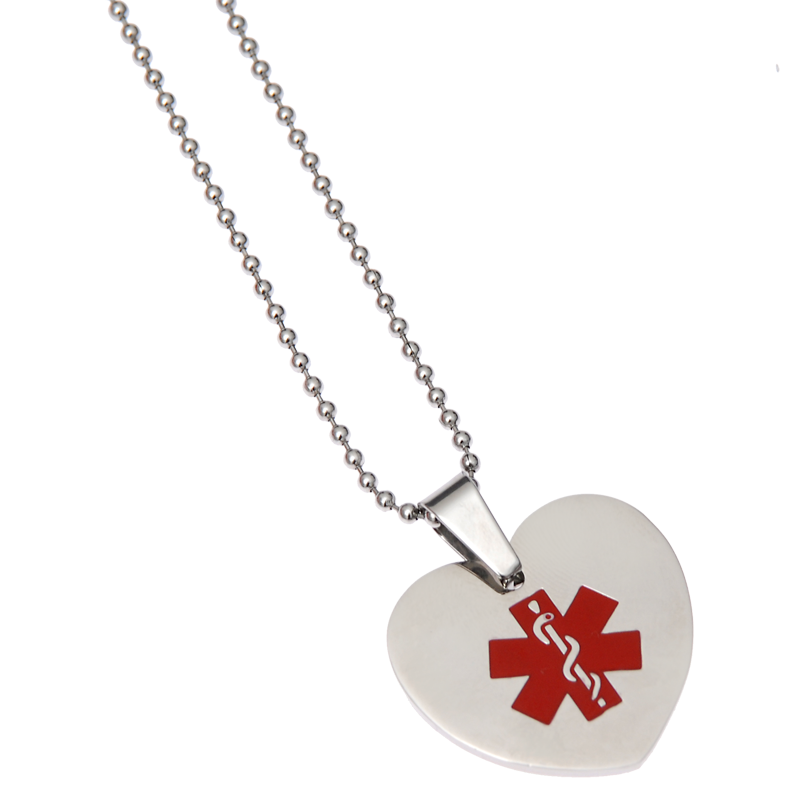
The universal medical alert symbol - the Rod of Asclepius - is recognized by first responders globally and should be prominently displayed. Engraved text needs to be large enough to read at a glance, without tools or special lighting. Key details to include on any diabetes medical alert necklace:
- Full name and diabetes type (Type 1 or Type 2)
- Insulin use, delivery method, and any CGM or insulin pump
- Known drug allergies and an emergency contact number
Comfort for Daily Wear
The best medical ID is the one that actually gets worn. A necklace that feels too heavy, looks too clinical, or does not suit a person's style is likely to end up in a drawer, which defeats its entire purpose. Lightweight materials like stainless steel, sterling silver, and titanium are popular for all-day wear. Today's options range from minimalist chains to more decorative pendants and sport-friendly designs. A medical alert necklace that diabetes wearers genuinely want to put on each morning is the one that will be there when it matters.
Durability for Continuous Use
A medical ID is worn through showers, workouts, outdoor activity, and sleep. It needs to hold up to all of it. Stainless steel and waterproof materials perform best over time. Laser engraving is the most durable option for the text itself - it stays legible after years of use, not just months. When investing in a personalized medical alert necklace, quality pays off. This is a safety device meant to last, not something to replace every season.
A Simple Tool With a Serious Job
Daily life is full of moments that cannot be planned for. Blood sugar does not follow a schedule, and the people around someone with diabetes will not always know what to do when something goes wrong. A diabetes medical alert necklace works as a constant, passive layer of protection - one that asks nothing of the wearer and is ready every single time.
It does not stop emergencies from happening. What it does is make sure that when one does - at the store, on the train, at the office, on a trail - the people trying to help have the information they need to act correctly and quickly. That is the job. It is a simple one, and it matters more than most people realize until the moment it is needed.
Frequently Asked Questions
Does wearing a medical alert necklace actually help when I'm unconscious?
Yes - this is exactly the scenario it is designed for. When someone cannot speak, first responders check for medical ID on the wrists and neck as part of standard protocol. A visible necklace tells them the patient is diabetic immediately, which changes both what they administer and what they need to avoid.
What information should I include on a diabetes medical alert necklace?
At minimum: your name, diabetes type, insulin use and delivery method, known drug allergies, and an emergency contact. If you use a CGM or insulin pump, note that too - responders will know to look for these devices during their assessment.
Is a necklace better than a bracelet for diabetes identification?
Both are effective. Wrists tend to be checked first since responders take the pulse there, but necks are also part of standard protocol. Many people choose to wear both. The most important factor is consistent wear - whatever format is actually worn every day is the right choice.

Share on Facebook

Share on X

Share on Pinterest
Comment(s)
Recent Posts
The Risk Of Not Wearing An Allergy Medical Alert Bracelet
March 23, 2026