Diabetes Medical Alert Bracelets Australia: The Essential Guide
January 29, 2008
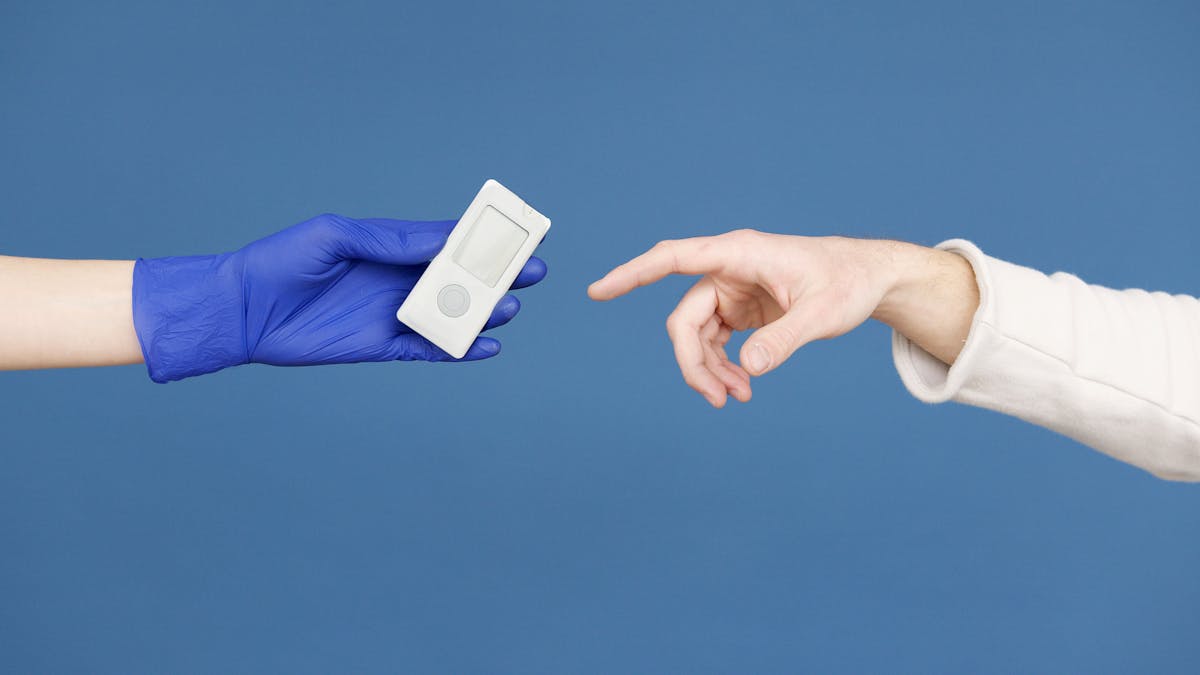
Over 1.8 million Australians are currently living with diagnosed diabetes, with more than 300 new diagnoses recorded every day — and that number continues to grow (Diabetes Australia, 2025). For people managing diabetes with insulin or glucose-lowering medications, a medical emergency can strike with little warning. In those critical moments, a diabetes medical alert bracelet gives paramedics and emergency responders the information they need to act correctly — within seconds of arriving on scene.
Why Every Diabetic Needs a Medical Alert Bracelet in Australia
Diabetes produces two life-threatening acute emergencies: severely low blood sugar (hypoglycaemia) and severely high blood sugar leading to diabetic ketoacidosis (DKA) or hyperosmolar coma. The dangerous overlap between these conditions — and with other medical events such as stroke, intoxication, or seizure — means that without clear identification, emergency responders face a guessing game that can cost precious time.
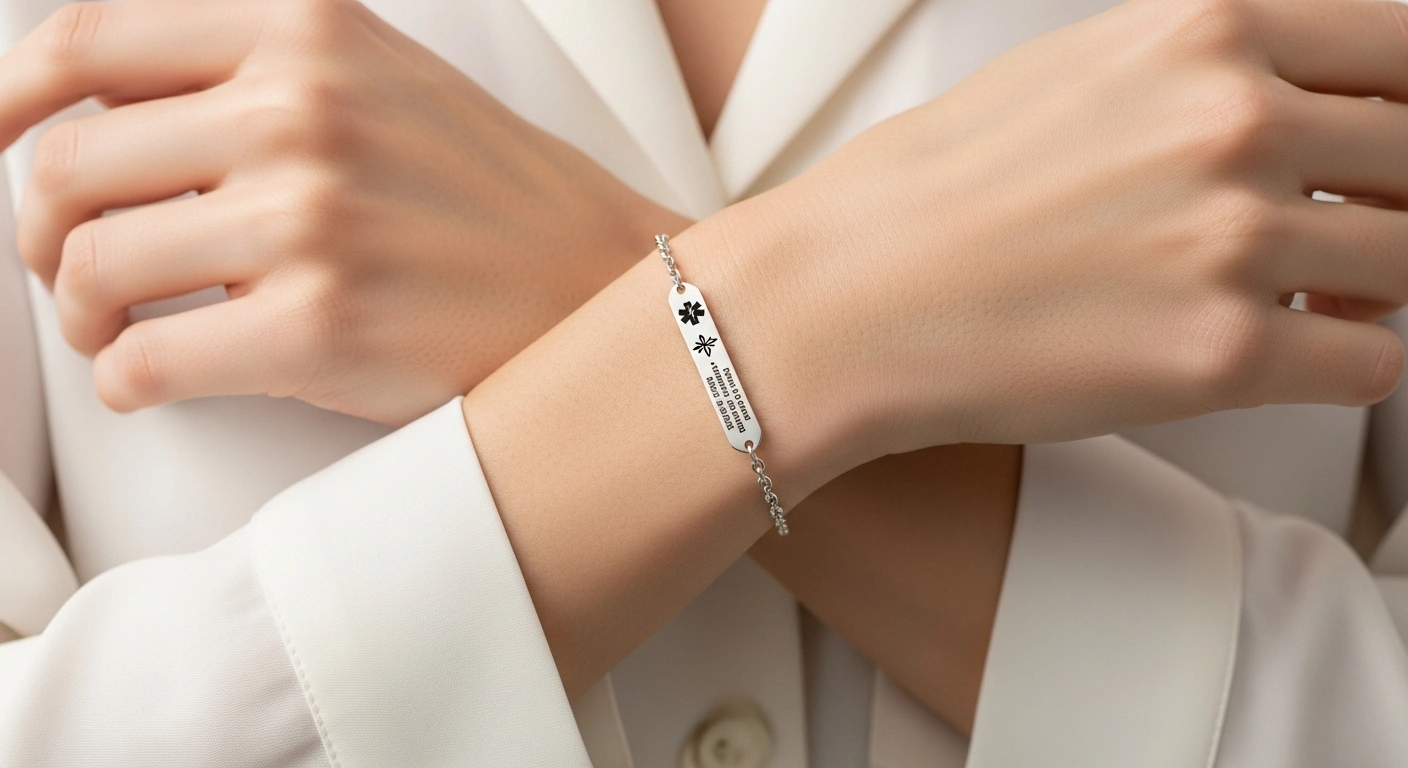
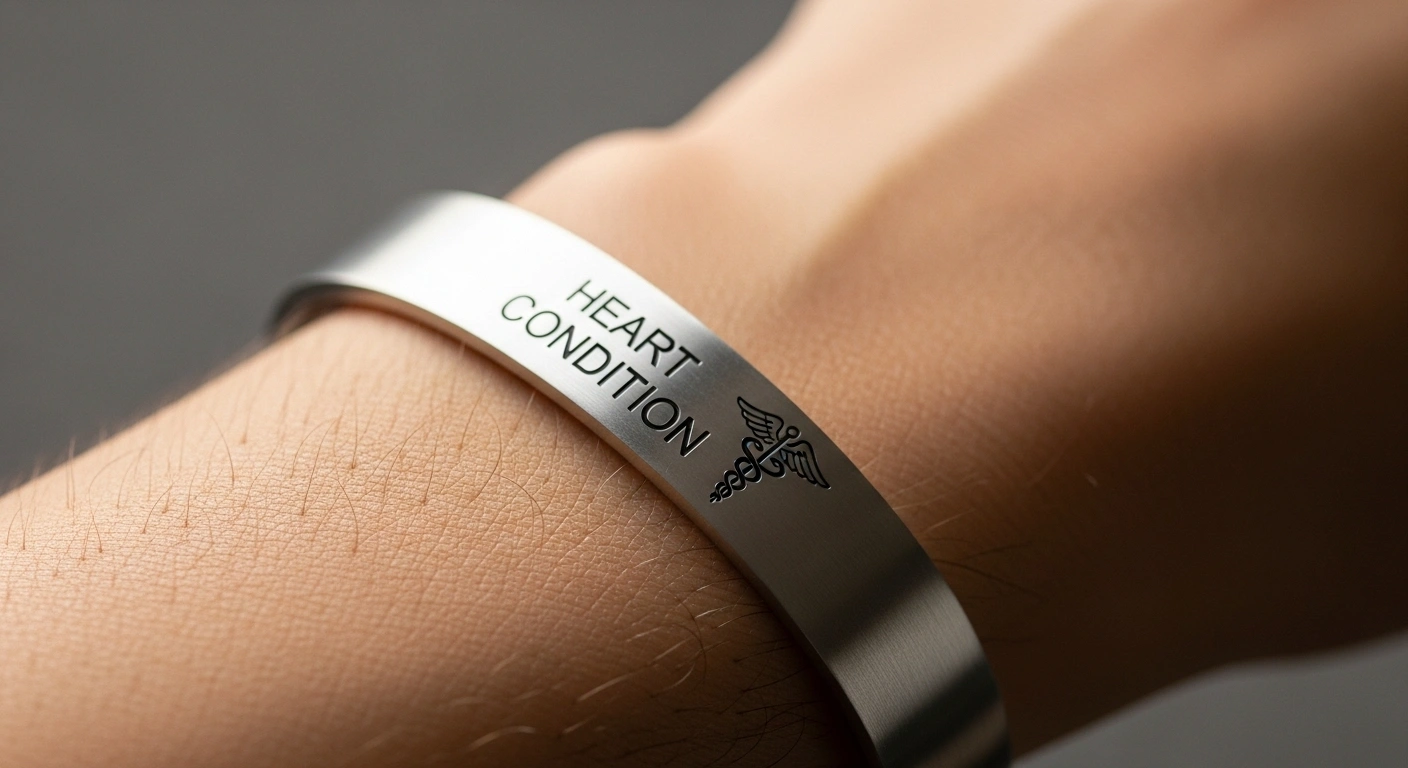
A diabetic ID bracelet Australia removes the guesswork. Ambulance services across Australia train first responders to check the wrist and neck for medical alert jewellery as a standard step in every patient assessment. According to St John Ambulance Australia, this check happens within the first 60 seconds of contact. That bracelet can immediately communicate "insulin-dependent diabetic" to a paramedic who would otherwise have no information to work with.
According to the Australian Institute of Health and Welfare (AIHW, 2022), diabetes was the seventh leading cause of death in Australia, contributing to over 6,000 deaths. Many of these deaths occur in emergency situations where rapid, accurate treatment is essential — making a visible medical ID bracelet one of the most practical safety tools a diabetic person can carry.
How Paramedics Use a Diabetes Medical ID Bracelet
When a paramedic attends an unconscious or disoriented patient, they look for medical alert identification before making treatment decisions. A diabetes bracelet triggers an immediate protocol shift — blood glucose testing becomes the first priority, and certain medications that could be dangerous for a diabetic patient are withheld until the situation is assessed.
Hypoglycaemia — The Silent Emergency
Hypoglycaemia (abnormally low blood sugar) is the most common diabetes emergency. Symptoms — dizziness, confusion, tremors, and unconsciousness — can closely resemble intoxication or a neurological event. Without a hypoglycaemia medical alert bracelet, a first responder may not immediately suspect a blood sugar crisis. A diabetic bracelet ensures the correct test is performed and the correct treatment — oral glucose or intravenous dextrose — is given without delay.
Blood sugar levels below 65 mg/dL typically produce symptoms; below 40 mg/dL, coma and irreversible brain damage become real risks. Speed of correct treatment is everything.
Diabetic Ketoacidosis (DKA)
DKA occurs primarily in Type 1 diabetics when insulin is absent and the body begins breaking down fat, producing ketones that acidify the blood. Symptoms include nausea, vomiting, abdominal pain, and rapid deterioration into shock and coma. DKA can be triggered by infection, stress, or a missed insulin dose. A bracelet identifying the patient as insulin-dependent allows paramedics to begin the correct protocol — intravenous fluid, electrolytes, and insulin — as early as possible.
Shop Diabetes Medical Alert Bracelets
Worn every day, read in seconds — give paramedics the information they need before it's too late.
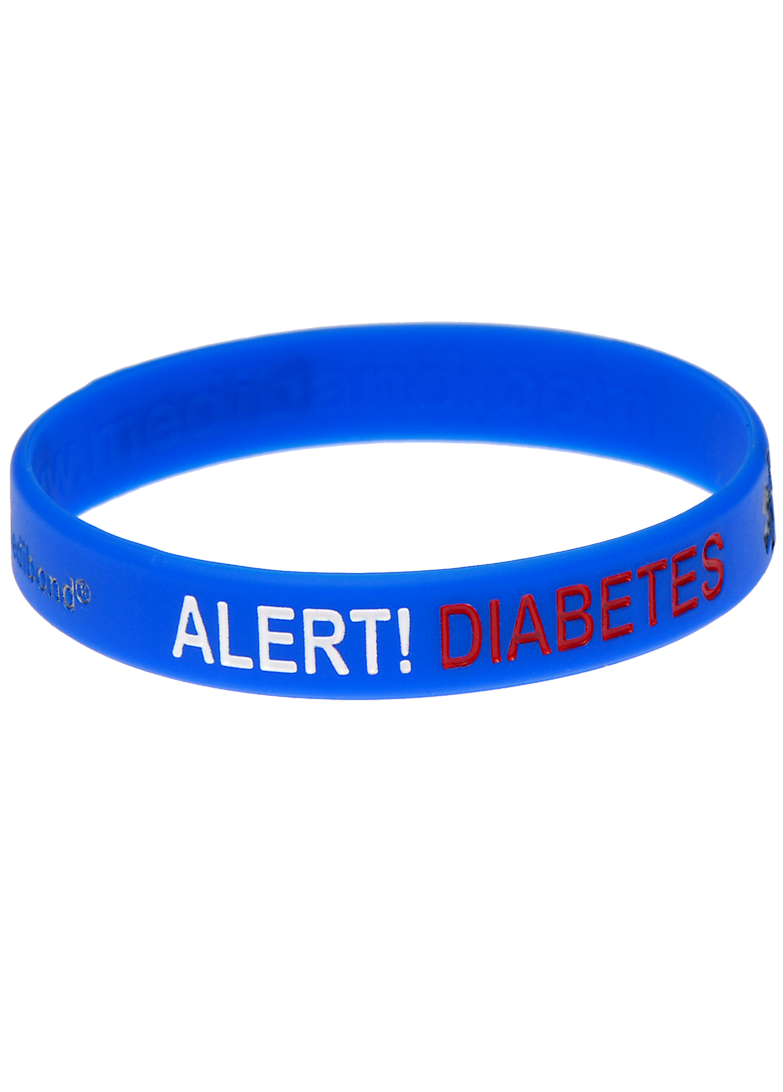
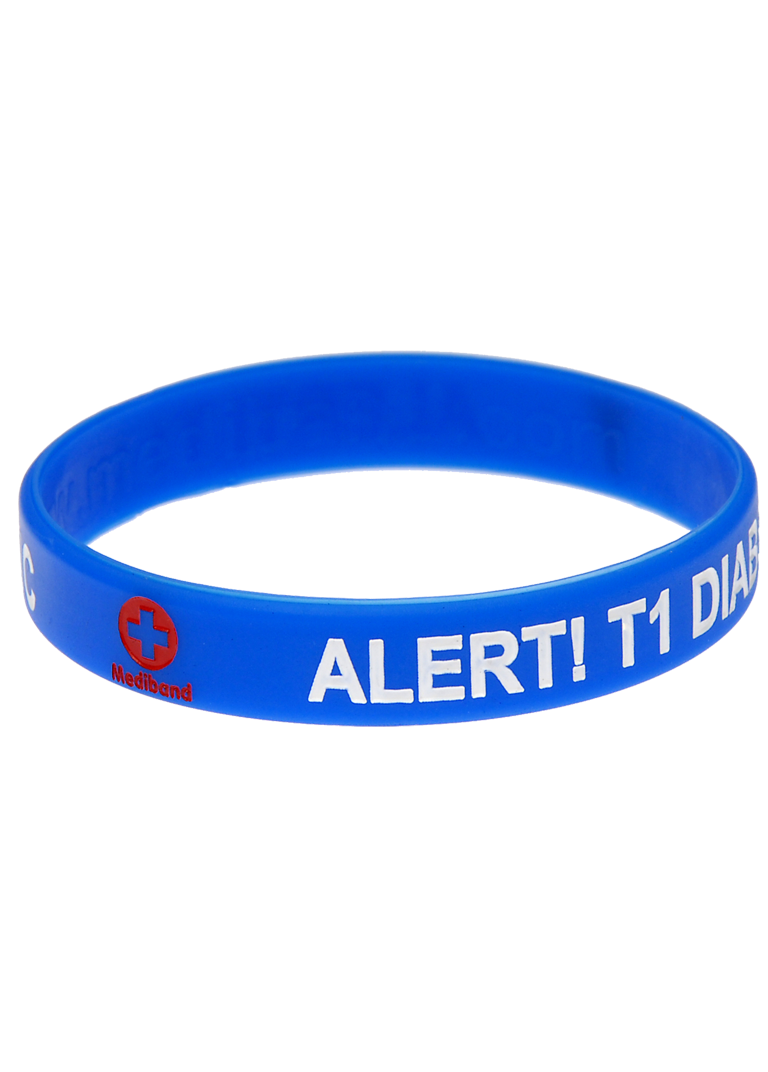
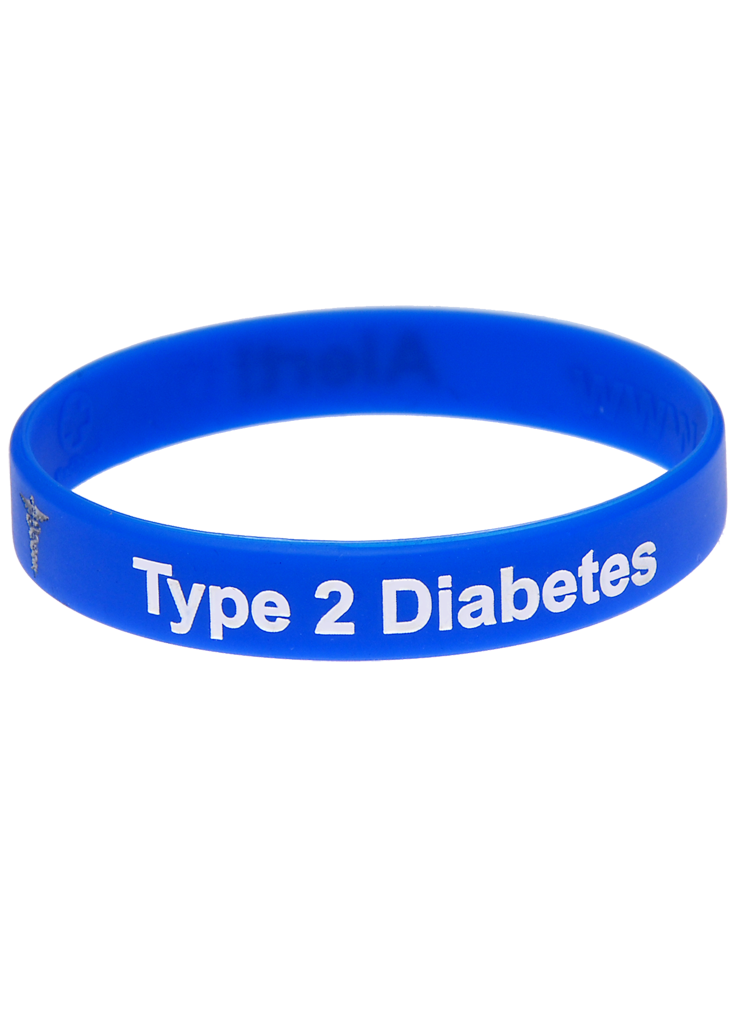
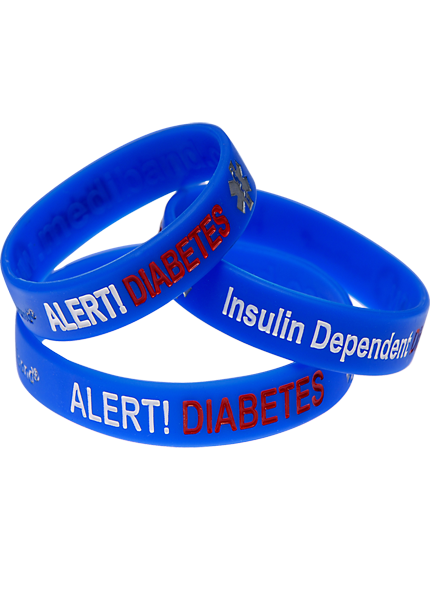
Type 1 Diabetes Medical Bracelets
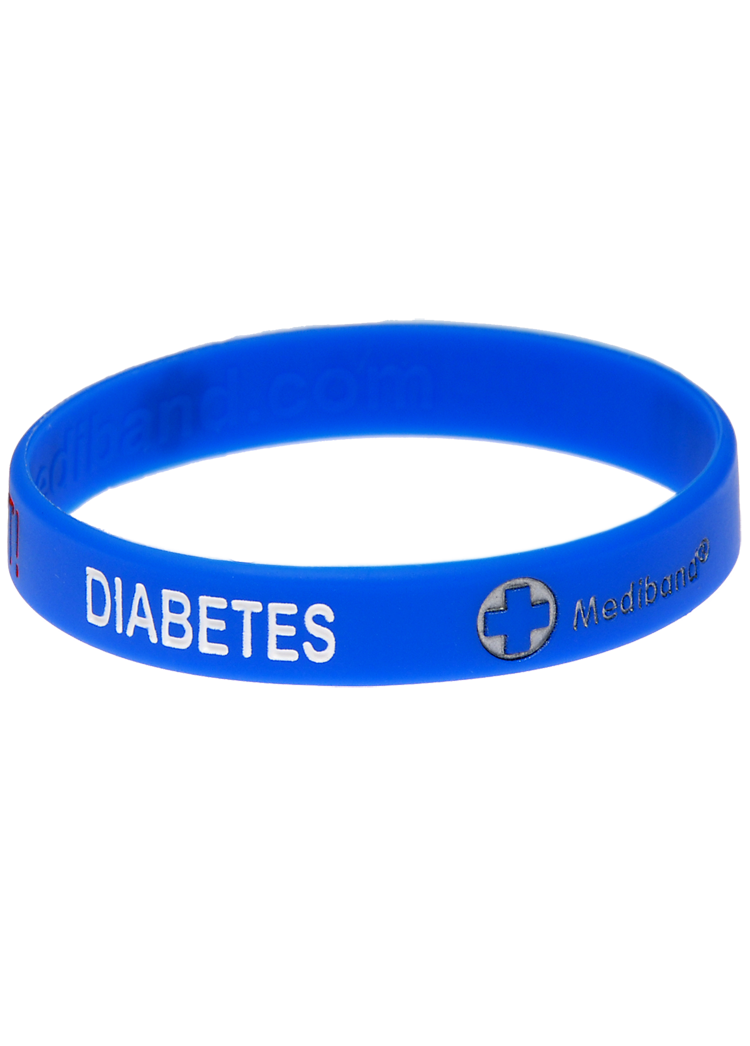
People with Type 1 diabetes cannot produce insulin and depend entirely on external insulin sources to survive. This makes them the highest-risk group for both hypoglycaemia and DKA. According to Breakthrough T1D Australia (2026), over 145,000 Australians live with Type 1 diabetes. A Type 1 diabetes medical bracelet should be considered non-negotiable for this group — particularly for those who live alone, exercise regularly, or are prone to hypoglycaemic unawareness (where the warning symptoms of low blood sugar no longer trigger reliably).
Insulin Pump Users
For the growing number of Australians using an insulin pump (continuous subcutaneous insulin infusion), the bracelet should specify pump use — "Type 1 Diabetic – Insulin Pump." In an emergency, paramedics need to know the pump exists and may need to assess whether it is still functioning correctly. An insulin dependent medical ID bracelet with this detail can prevent serious treatment errors.
Children with Type 1 Diabetes
Australia has one of the highest rates of childhood Type 1 diabetes in the world (AIHW). A diabetes bracelet for kids is strongly recommended for all children managing the condition — at school, during sport, and at social events. Teachers and coaches who are not trained in diabetes management will rely entirely on what the bracelet tells them while waiting for emergency services. The bracelet should include the child's name, condition, and a parent's mobile number.
Type 2 Diabetes Medical Bracelets
Not everyone with Type 2 diabetes needs a medical alert bracelet — but those who take insulin or sulfonylureas (medications that stimulate insulin production and can cause hypoglycaemia) are strongly advised to wear one. According to the ABS (2025), 1 in 15 Australian adults live with diabetes, the majority being Type 2. For Type 2 diabetics on medication, a Type 2 diabetes medical bracelet ensures that in any emergency, the treating team knows which medications are in play and can avoid dangerous drug interactions.
What to Engrave on a Diabetes Medical Alert Bracelet
The information on your bracelet should be concise, specific, and immediately useful to someone who doesn't know you. Emergency responders need to read it in seconds, not minutes.
Essential Information
- Condition: "Type 1 Diabetic – Insulin Dependent" or "Type 2 Diabetic – On Insulin"
- Emergency contact: One reliable mobile number
- Critical medication note (if relevant): e.g., "Uses Insulin Pump" or "On Glucagon"
Optional but Recommended
- Any secondary condition that affects emergency treatment (e.g., kidney disease, heart condition)
- Drug allergies that could affect treatment (e.g., "Penicillin Allergy")
- For children: school name and teacher contact during school hours
Avoid including home addresses, Medicare numbers, or excessive detail — the bracelet is not a medical record. It is a first-response trigger. The goal is to get the right treatment started in the first two minutes.
Frequently Asked Questions About Diabetes Medical Alert Bracelets
Do I need a medical alert bracelet if I have diabetes?
Yes — particularly if you use insulin or medications that can cause hypoglycaemia. Paramedics in Australia are trained to check wrists and necks for medical alert jewellery as a standard step in emergency assessment. A bracelet alerts first responders to your diabetes and prevents dangerous misdiagnosis — for example, treating a hypoglycaemic episode as intoxication or a neurological event.
What should I engrave on a diabetes medical alert bracelet?
At minimum: your condition (e.g. "Type 1 Diabetic – Insulin Dependent"), and an emergency contact number. Optionally add insulin pump use, glucagon kit, or any drug allergies. Keep it brief — emergency responders need to read it in seconds. Avoid home addresses or Medicare numbers.
Is a medical alert bracelet necessary for Type 2 diabetes?
It depends on your medications. If you take insulin or sulfonylureas (which can cause hypoglycaemia), wearing a bracelet is strongly recommended. Those managing Type 2 diabetes through diet alone or on metformin only are lower risk, but a bracelet is still a sensible safety measure — particularly for older adults or those who live alone.
Will Australian paramedics recognise a medical alert bracelet?
Yes. Ambulance services across Australia train first responders to look for medical identification jewellery — including bracelets, necklaces, and medical tattoos — as a standard step in patient assessment. A clearly labelled diabetes bracelet will trigger immediate blood glucose testing and the correct treatment protocol.
What is the best diabetes medical alert bracelet for a child?
Choose a lightweight, comfortable design in a bright colour that stands out and is unlikely to be removed. Include the child's full name, "Type 1 Diabetic", and a parent's mobile number. A write-on style bracelet allows you to update details easily. For school-age children, consider also including the school name so teachers and coaches can provide context to emergency responders.
At Mediband, we've been helping Australians with diabetes stay safe and identified since 2009. For more information on diabetes in Australia, visit Diabetes Australia or the AIHW diabetes report.

Share on Facebook

Share on X

Share on Pinterest
Comment(s)
Recent Posts
The Risk Of Not Wearing An Allergy Medical Alert Bracelet
March 23, 2026