Managing Asthma in Poor Air Quality: Smoke, Pollution, and Emergency Safety
July 14, 2020

Why Poor Air Quality Is a Serious Threat for People with Asthma
Air pollution and smoke exposure are among the most potent environmental triggers for asthma attacks. The World Health Organization (2022) reports that outdoor air pollution contributes to approximately 4.2 million premature deaths globally each year, with respiratory conditions bearing a disproportionate burden. For the estimated 300 million people worldwide living with asthma, poor air quality events — from smoke, industrial pollution, dust storms, and vehicle emissions — can escalate from mild symptoms to a life-threatening attack within hours.
This guide covers what happens to asthmatic airways during poor air quality events and practical steps to manage risk safely.
How Smoke and Pollution Affect Asthmatic Airways
In healthy lungs, the airways respond to smoke and particulate matter by triggering mucus production and coughing to expel irritants. In asthmatic airways, this response is dramatically amplified:
- Airway inflammation increases, causing swelling that narrows the breathing passage
- The smooth muscle around airways contracts (bronchospasm), further restricting airflow
- Excess mucus is produced, which can block the already narrowed airways
Fine particulate matter (PM2.5) — particles smaller than 2.5 micrometres found in smoke and vehicle exhaust — penetrates deep into the lung tissue. Research published in The Lancet Respiratory Medicine (2021) found that every 10 mcg/m³ increase in PM2.5 concentration was associated with a 4% increase in asthma emergency hospital admissions.
Monitoring Air Quality: Know Before You Go Outside
Most countries now provide real-time Air Quality Index (AQI) data through government health or environment websites and smartphone apps. An AQI above 100 is considered unhealthy for sensitive groups (including those with asthma). Above 150 is unhealthy for everyone. Above 200 is very unhealthy — people with asthma should stay indoors if at all possible.
Recommended Actions by AQI Level
- 0–50 (Good): Normal outdoor activities
- 51–100 (Moderate): Monitor symptoms; reduce strenuous outdoor exercise
- 101–150 (Unhealthy for Sensitive Groups): Limit prolonged outdoor exertion; carry reliever inhaler
- 151–200 (Unhealthy): Stay indoors; keep windows and doors closed
- 201+ (Very Unhealthy/Hazardous): Avoid all outdoor activity; seek medical advice if symptoms develop
Practical Steps to Protect Your Airways During Poor Air Quality
Indoors
- Keep windows and doors closed when outdoor air quality is poor
- Use a HEPA air purifier in the rooms where you spend the most time
- Avoid indoor combustion sources: candles, wood fires, incense, and gas cooktops (ensure ventilation)
- Seal gaps around doors and windows if smoke is particularly heavy outdoors
If You Must Go Outside
- Wear a P2 or N95 respirator mask, not a standard surgical mask (surgical masks do not filter fine particles adequately)
- Minimise time outdoors and avoid strenuous activity
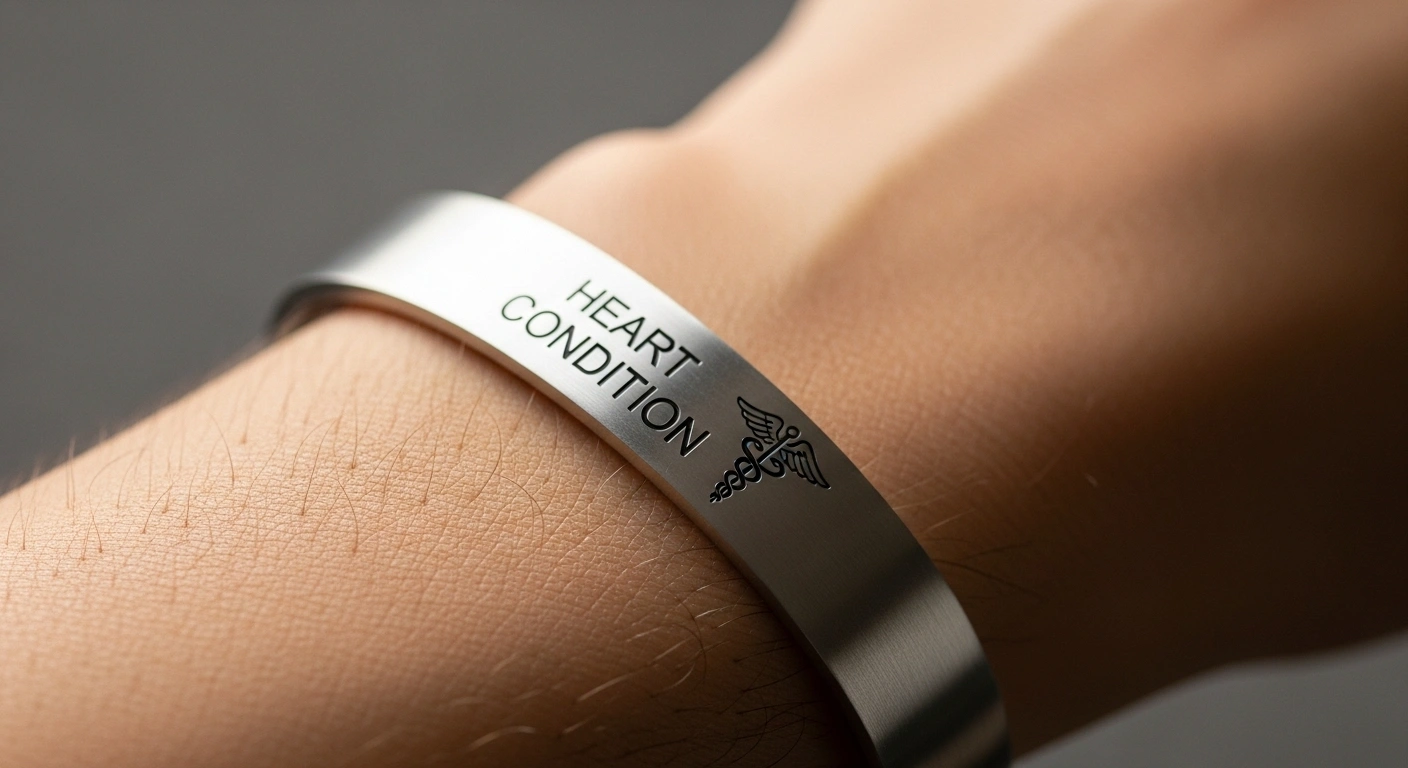
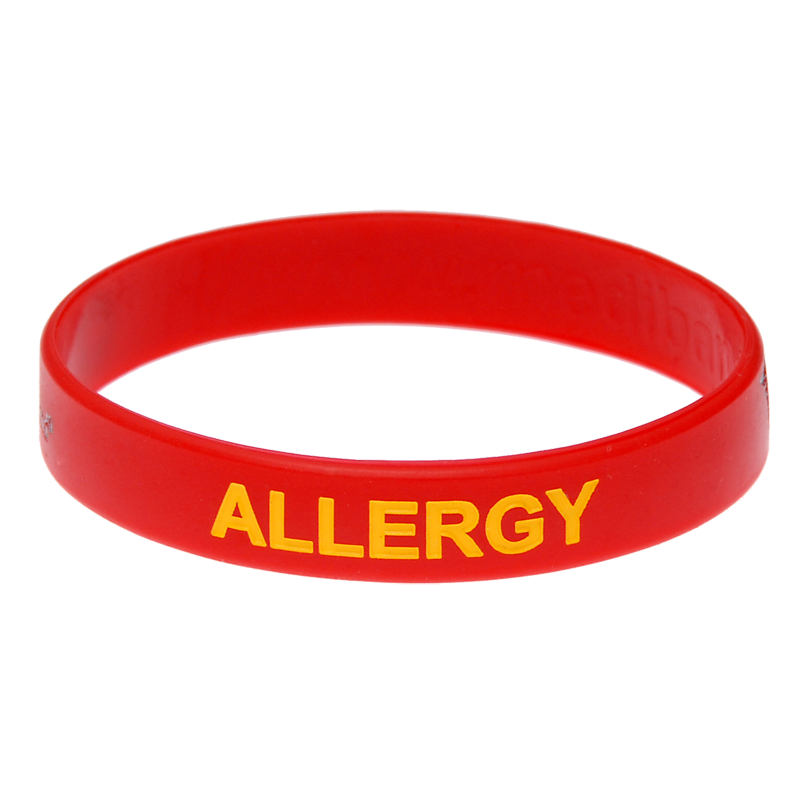
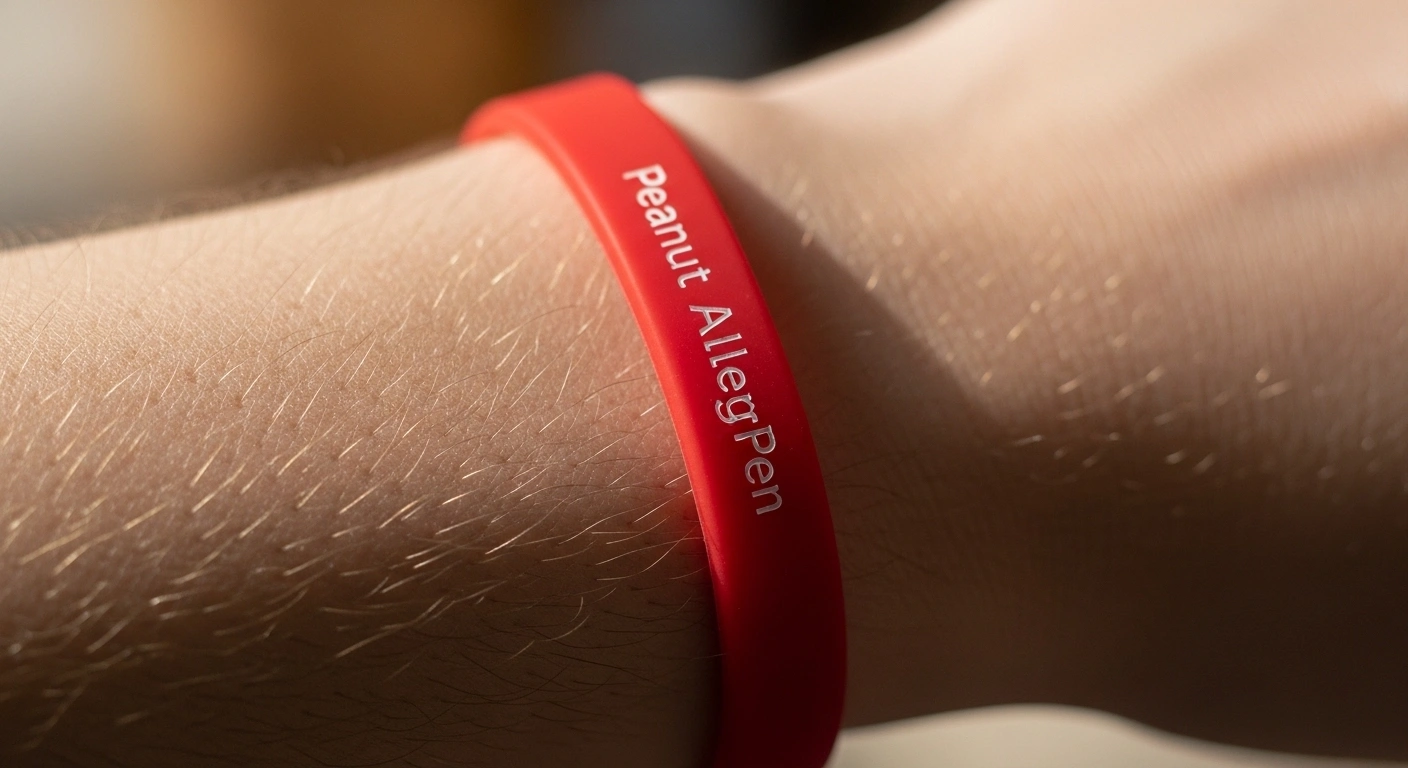
- Always carry your reliever inhaler and asthma medical alert bracelet
- If you use a preventer inhaler, do not skip doses during high air quality events
Medication Management During Air Quality Events
Poor air quality periods often require increased vigilance around medication:
- Continue preventer (controller) medication as prescribed — do not reduce doses because you “feel okay”
- Have your reliever inhaler immediately accessible at all times, not in a bag or car
- Review your written Asthma Action Plan with your doctor before high-risk seasons
- If you are using your reliever more than twice per week during an air quality event, contact your doctor
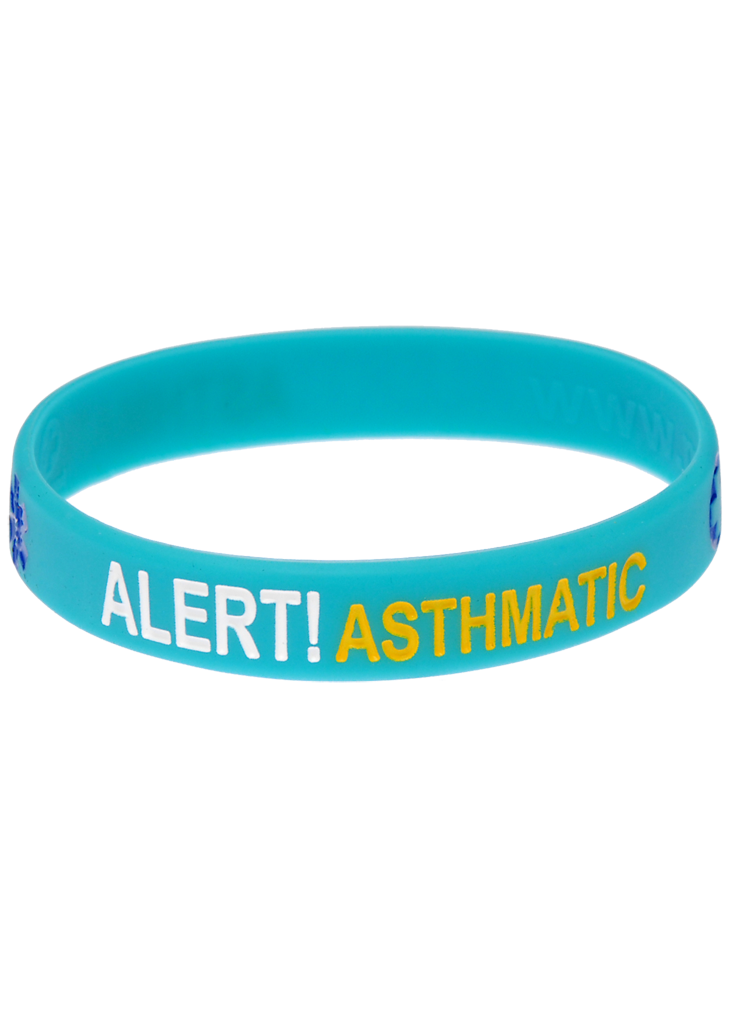
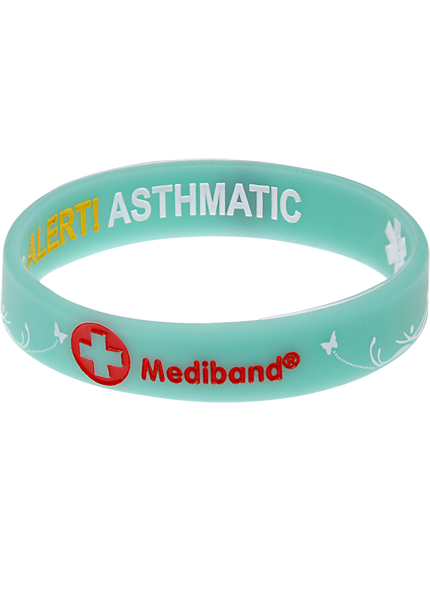
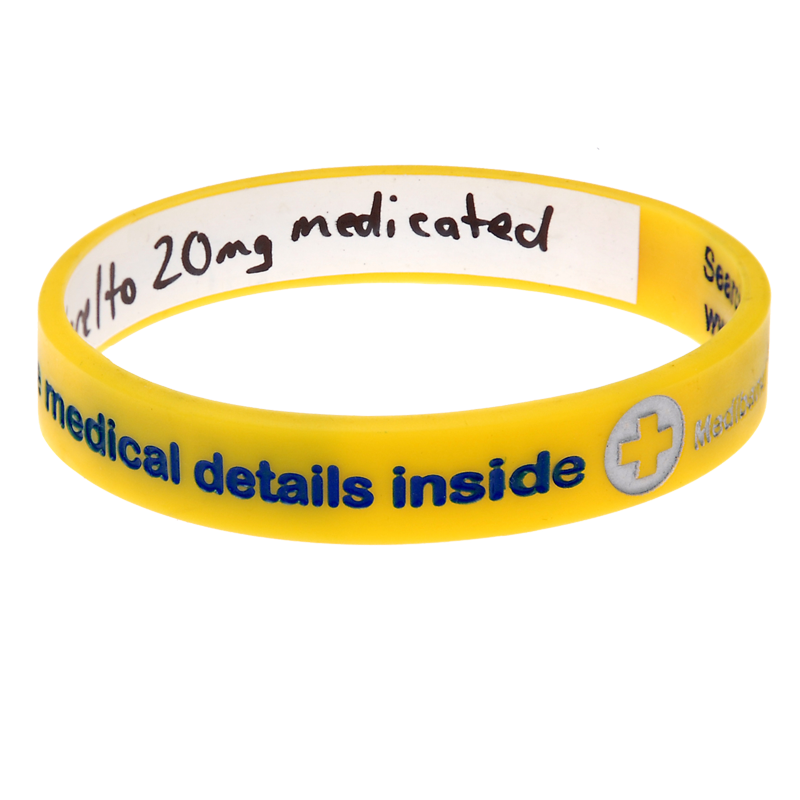
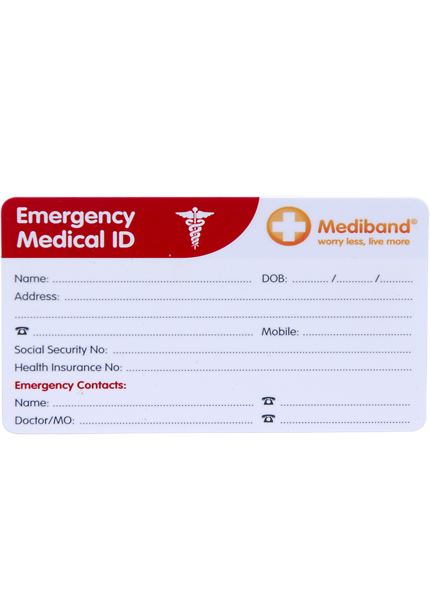
If you have severe asthma and are prescribed adrenaline (EpiPen) for severe attacks, your bracelet should clearly indicate this. Our asthma medical alert bracelets and emergency wallet cards ensure responders have this critical information immediately.
Recognising When a Situation Requires Emergency Care
Call emergency services immediately if:
- The person cannot speak in full sentences due to breathlessness
- Lips or fingernails are turning blue
- The reliever inhaler has had no effect after 4 puffs and 4 minutes
- The person is too breathless to stand or is becoming drowsy
While waiting for emergency services, give 4 puffs of reliever every 4 minutes. Keep the person calm and seated upright. A medical alert bracelet on the wrist tells paramedics about asthma and any prescribed emergency medications before they even begin assessment.
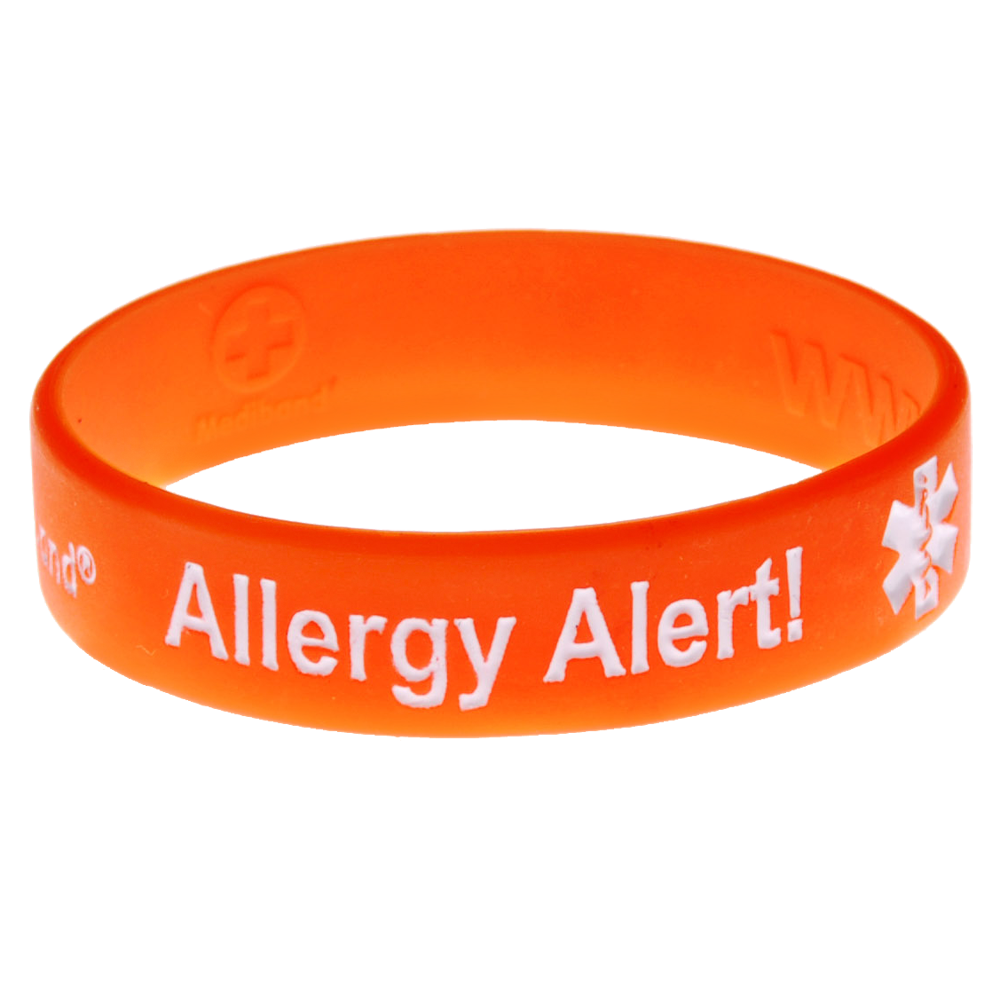
Asthma Medical Alert Bracelets — Visible in Any Emergency
Let responders know about your asthma instantly.
Plan Ahead, Stay Informed, Stay Safe
Managing asthma in poor air quality is about preparation and early action. Monitor air quality daily during high-risk seasons, keep your medications current, create an indoor sanctuary with clean air, and always carry your reliever and your asthma medical alert bracelet. These steps cannot eliminate risk, but they can dramatically reduce it.
Browse our asthma medical alert bracelets and medical wallet cards to make sure emergency responders always have the information they need.
Frequently Asked Questions
What is the best mask for protecting lungs from smoke and air pollution?
P2 or N95 rated respirator masks filter at least 94-95% of fine particulate matter (PM2.5). Standard surgical masks and cloth masks do not provide adequate protection against smoke particles. For maximum protection, ensure the mask fits snugly against the face with no gaps. People with severe asthma or COPD should consult their doctor before using tight-fitting respirators, as the breathing resistance can be challenging.
Can indoor air quality be affected by outdoor smoke even with windows closed?
Yes. Smoke particles are very small and can penetrate through gaps around doors, windows, and ventilation systems. A HEPA air purifier significantly reduces indoor particle concentrations. Set your air conditioning to recirculation mode (not fresh air intake) during smoke events. Check and replace HVAC filters more frequently during extended poor air quality periods.
Should people with asthma move to a different location during prolonged air quality events?
For very severe or prolonged events, temporary relocation to a location with better air quality may be warranted, particularly for people with severe or poorly controlled asthma. However, this is not always practical or necessary. Staying indoors with air purification and following your Asthma Action Plan is effective management for most events. Discuss a contingency plan with your doctor during routine appointments.
Does poor air quality trigger asthma even in people whose asthma is usually well controlled?
Yes. Air quality events can trigger attacks even in people whose asthma is otherwise well managed. The concentration of irritants during smoke or pollution events often overwhelms the degree of control provided by preventer medication. This is why it is important to monitor AQI actively and take preventive steps during poor air quality periods, regardless of how well your asthma has been controlled in normal conditions.

Share on Facebook

Share on X

Share on Pinterest
Comment(s)
Recent Posts

The Risk Of Not Wearing An Allergy Medical Alert Bracelet
March 23, 2026