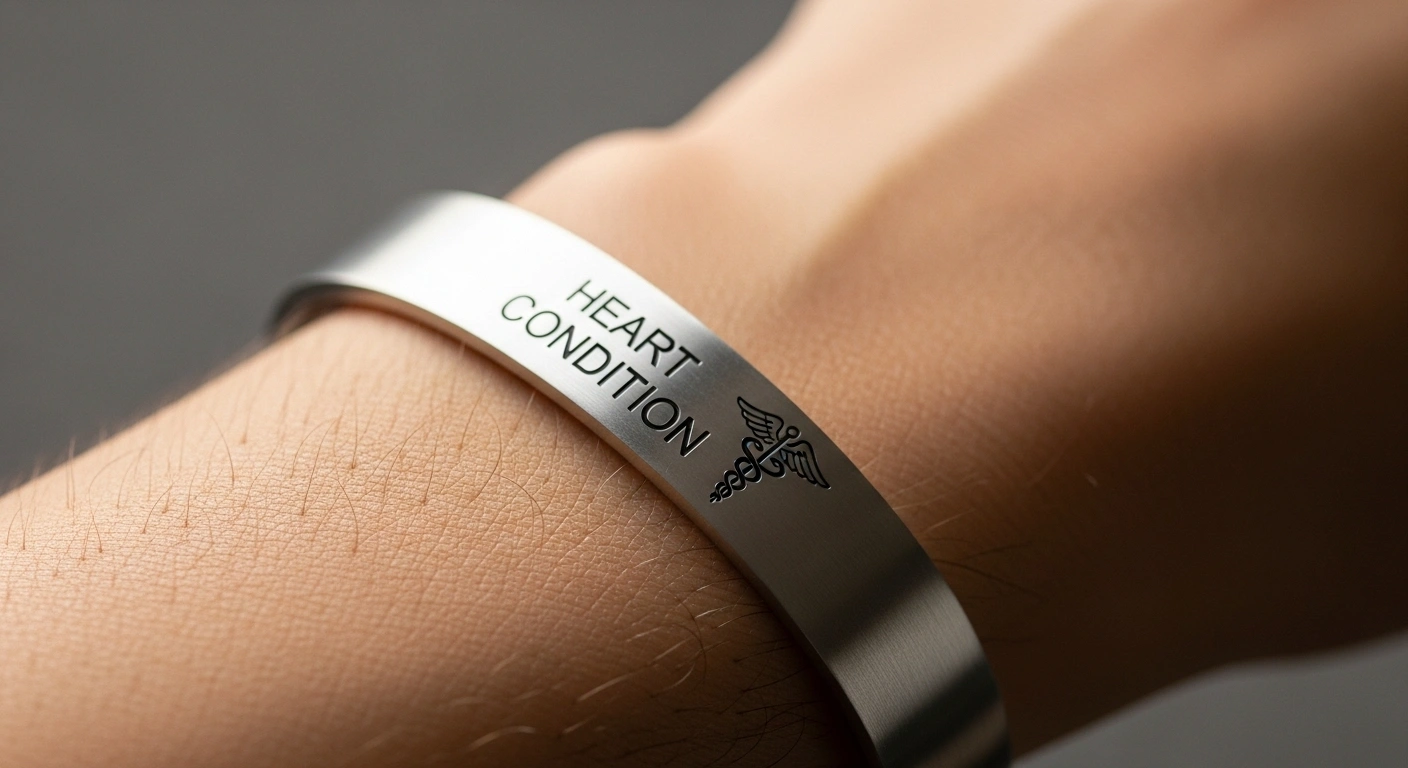
Complex Regional Pain Syndrome (CRPS): Symptoms, Treatment, and Why You Need a Medical Alert Bracelet
December 29, 2020

Complex Regional Pain Syndrome (CRPS) is one of the most challenging and misunderstood chronic pain conditions. Characterised by severe, persistent pain that is disproportionate to any identifiable injury, CRPS can be debilitating — and poorly understood by the general medical community.
For people living with CRPS, a medical alert bracelet is more than an identification tool — it is a way to communicate a condition that others may not immediately recognise or take seriously. According to research published in Pain Research and Management, CRPS affects 5-26 people per 100,000 annually, with women affected at higher rates than men.
What Is Complex Regional Pain Syndrome?
CRPS is a form of chronic pain that typically affects an arm or leg and usually develops after an injury, surgery, stroke, or heart attack. The pain is often described as burning, and the affected area is hypersensitive to touch (allodynia) — meaning even light contact causes severe pain.
There are two types: CRPS Type I (formerly Reflex Sympathetic Dystrophy) occurs without confirmed nerve injury. CRPS Type II (formerly Causalgia) involves confirmed nerve injury. Both types share the same hallmark symptoms.
Causes and Risk Factors
CRPS can be triggered by: a fracture or sprain, surgery, a period of immobilisation, heart attack or stroke, or in rare cases, no identifiable cause. Women are three times more likely to develop CRPS than men. It most commonly develops in people aged 40-60, though it can occur at any age.
Recognising the Symptoms
Primary Symptoms
The hallmark of CRPS is continuous, intense pain that is out of proportion to the severity of the original injury. This pain typically worsens rather than improves over time. Other symptoms include burning or throbbing pain, extreme sensitivity to touch or temperature, swelling, changes in skin colour (red, pale, or blotchy), changes in skin temperature, abnormal sweating, and changes in hair and nail growth.
Progression
CRPS can spread beyond the initial injury site. It may move to other limbs. In some cases, symptoms can affect the entire body. Early diagnosis and treatment are critical to preventing progression.
Diagnosis
There is no single test for CRPS. Diagnosis is clinical, based on the Budapest Criteria — a standardised set of symptoms and signs that must be present. Investigations such as bone scans, MRI, thermography, or nerve conduction studies may be used to rule out other conditions and support the diagnosis. Many CRPS patients wait years for an accurate diagnosis, making patient advocacy and clear medical communication especially important.
Treatment Options
No single treatment cures CRPS, but a multidisciplinary approach can significantly improve quality of life. Common approaches include: physiotherapy and occupational therapy, pain medications (analgesics, anticonvulsants, antidepressants), sympathetic nerve blocks, spinal cord stimulation, psychological support and pain management strategies, and mirror therapy.
Why a Medical Alert Bracelet Is Essential for CRPS
In any medical encounter — emergency or routine — having CRPS noted on a visible medical alert bracelet prevents a range of harmful assumptions and interventions. Clinicians unfamiliar with CRPS may dismiss severe pain as exaggerated, administer inappropriate treatments, or perform procedures that worsen sensitised tissue.
A dedicated CRPS medical alert bracelet communicates the diagnosis immediately. For those also managing medication protocols, a write-on medical bracelet allows for specific medication details to be included.
High-visibility options like the neon alert bracelet ensure the condition is noticed in any environment. An emergency wallet card provides space for a detailed treatment protocol and emergency contact.
Advocating for Yourself with CRPS
Because CRPS is frequently misunderstood, self-advocacy is critical. Carry written information about your diagnosis, treatment team, and current medications. Connect with CRPS support organisations for peer support and the latest research. Educate family members and caregivers so they can advocate on your behalf in an emergency.
Medical Alert Bracelets for Complex Regional Pain Syndrome
Make sure every medical encounter starts with the right information.
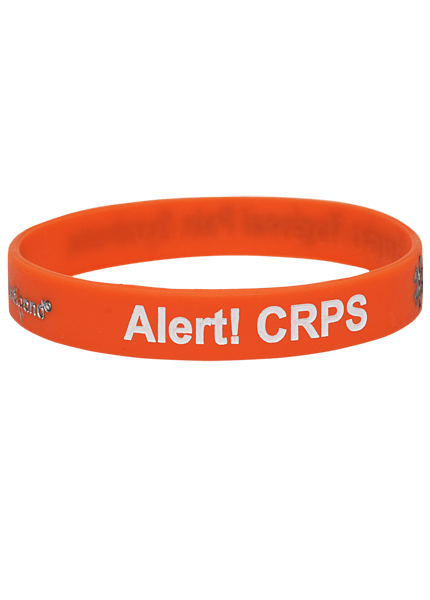
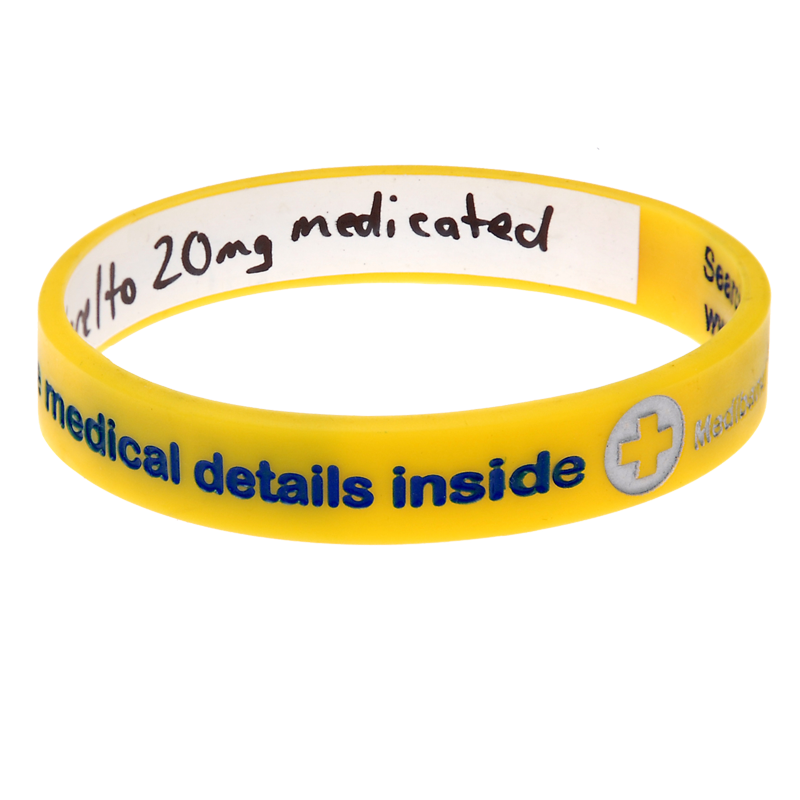
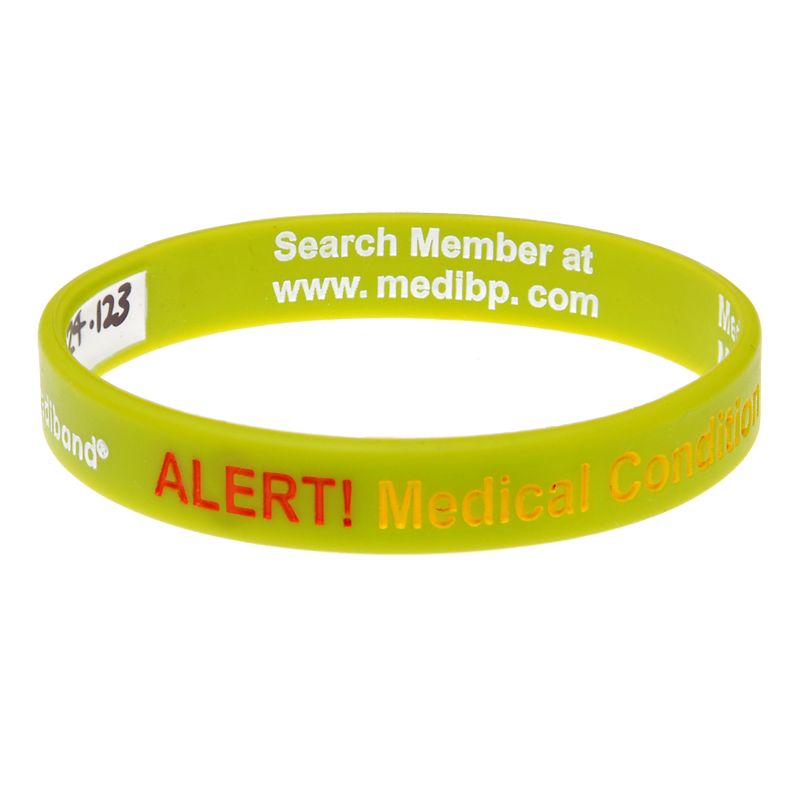

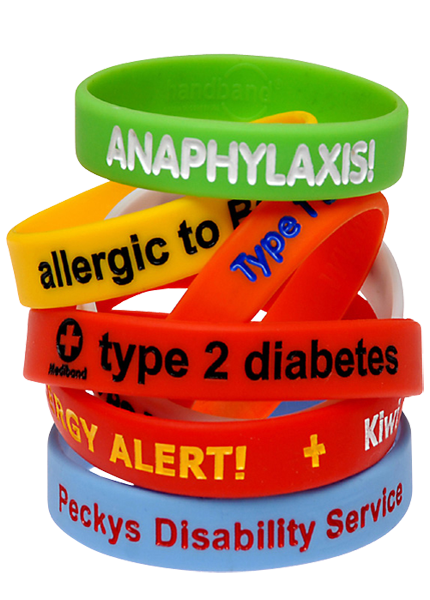
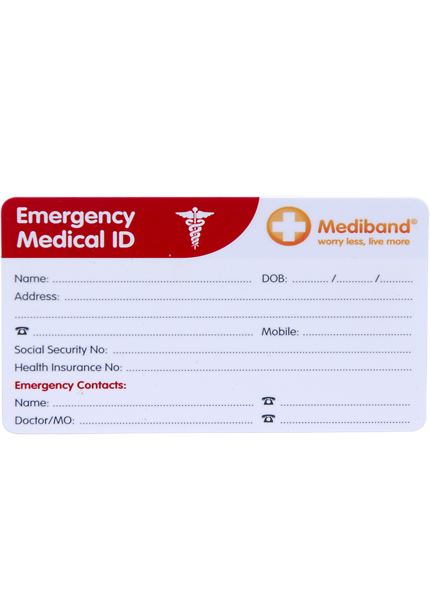
Living with CRPS requires persistence, advocacy, and the right support. A medical alert bracelet is a small but powerful tool that ensures every healthcare encounter starts with the correct information — reducing the risk of inappropriate treatment and ensuring your condition is taken seriously from the outset.
Frequently Asked Questions
What is CRPS (Complex Regional Pain Syndrome)?
CRPS is a chronic pain condition characterised by severe, persistent pain — usually in a limb — that is disproportionate to any identifiable injury. It is associated with sensory, autonomic, and motor symptoms and is diagnosed using the Budapest Criteria.
How is CRPS diagnosed?
There is no single test for CRPS. Diagnosis is clinical, using the Budapest Criteria — which requires specific symptoms and signs to be present. Investigations such as bone scans, MRI, thermography, or nerve conduction studies may support the diagnosis.
Can CRPS spread to other parts of the body?
Yes. In some cases, CRPS can spread beyond the original injury site to other limbs or, rarely, the entire body. This is why early diagnosis and aggressive treatment are critical.
Why should people with CRPS wear a medical alert bracelet?
Healthcare providers unfamiliar with CRPS may underestimate pain severity or administer treatments that worsen sensitised tissue. A medical alert bracelet immediately flags the diagnosis, helping to ensure appropriate and careful treatment in any medical encounter.

Share on Facebook

Share on X

Share on Pinterest
Comment(s)
Recent Posts

The Risk Of Not Wearing An Allergy Medical Alert Bracelet
March 23, 2026