Medical Abbreviations for ID Bracelets: The A-Z Reference Guide
July 14, 2020
3

Why Abbreviations Matter on a Medical ID Bracelet
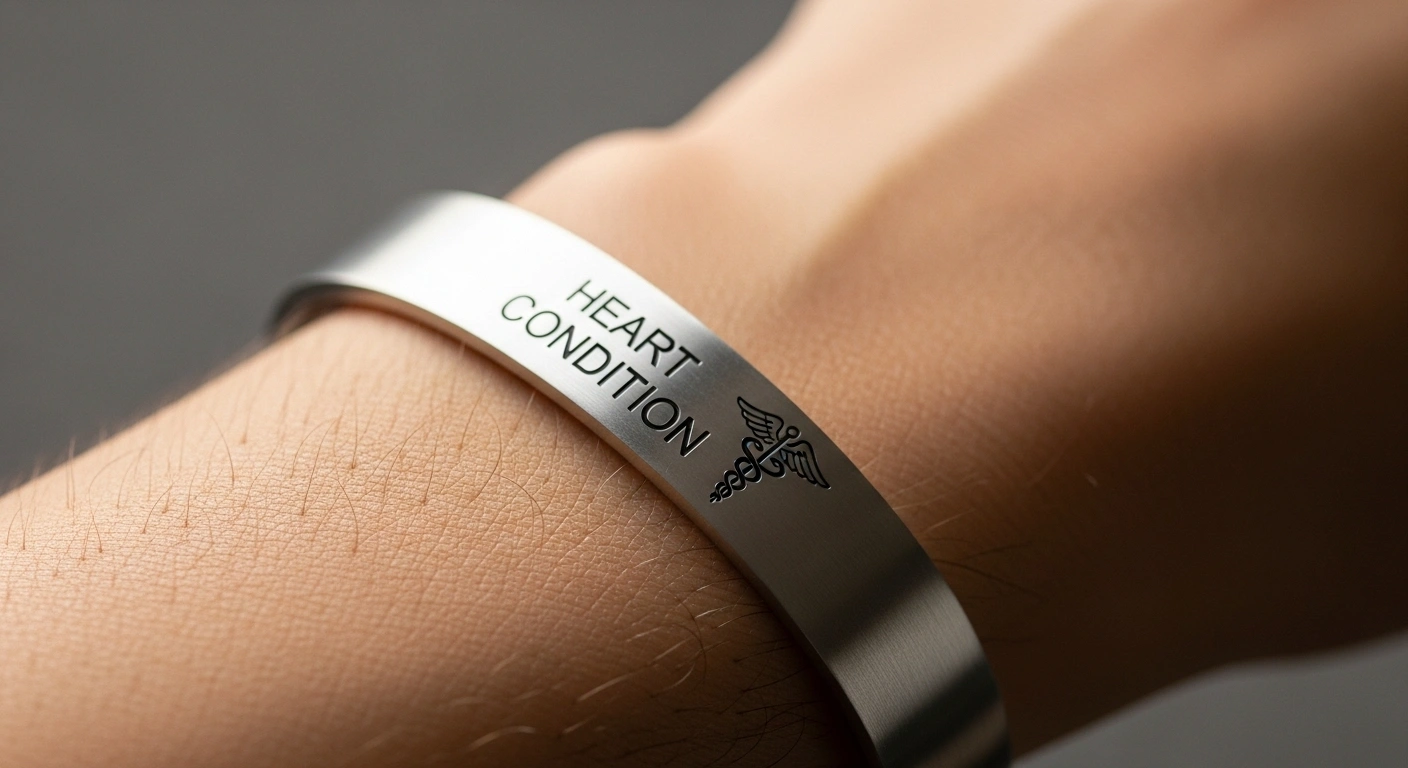
Space on a medical ID bracelet is limited — typically 20 to 40 characters per line. Emergency responders are trained to read medical abbreviations instantly under pressure, making them far more efficient than full words. The right abbreviation can convey critical information in two or three characters that would otherwise require an entire word or phrase.
This comprehensive A-Z reference covers the most widely recognised medical abbreviations used on ID bracelets worldwide. Use it to plan what to engrave — or check what an existing bracelet means.
A–C: Allergies, Blood Types, and Cardiac Conditions
A
- ALLGY or ALLRG — Allergy (followed by specific allergen)
- ANPH — Anaphylaxis (life-threatening allergic reaction risk)
- ASA ALLGY — Aspirin allergy
- ASTHMA — Asthma (fits on most bracelets in full)
- ATRIAL FIB or AF — Atrial fibrillation
B
- BG — Blood glucose
- BP MED — Blood pressure medication
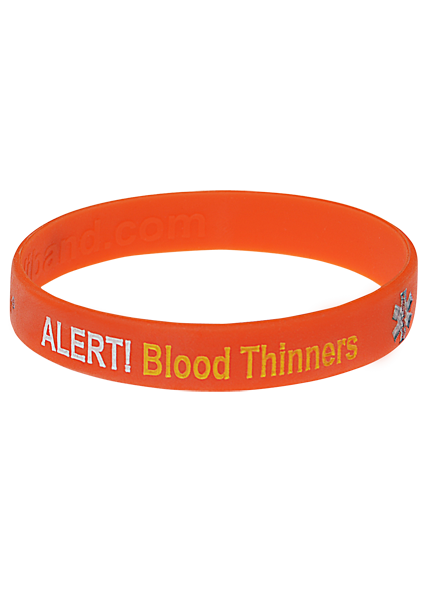
- BT or BLOOD THIN — Blood thinners (warfarin, aspirin, heparin)
C
- CAD — Coronary artery disease
- CHD — Congenital heart disease / coronary heart disease
- CI or COCHLEAR — Cochlear implant (important for MRI)
- COPD — Chronic obstructive pulmonary disease
- CRF — Chronic renal failure
- CVA — Cerebrovascular accident (stroke history)
D–F: Diabetes, Epilepsy, and Drug Allergies
D
- DEAF — Hearing impaired
- DM or DIAB — Diabetes mellitus
- DNR — Do Not Resuscitate
- DO NOT INTUBATE or DNI — Intubation directive
- DRG ALLGY — Drug allergy (specify drug)
E–F
- EPI or EPINEPH — Epinephrine (EpiPen) required
- EPILEPSY or EPIL — Epilepsy/seizure disorder
- FH — Family history (followed by condition)
G–L: Heart Conditions, ICE, and Implants
- G-TUBE — Gastrostomy tube present
- HAEM — Haemophilia
- HBP — High blood pressure
- HD — Haemodialysis (kidney dialysis)
- HEARING IMP — Hearing impaired
- ICE — In Case of Emergency (contact name/number)
- ICD — Implantable cardioverter-defibrillator
- INS DEPND — Insulin dependent
- KIDNEY TX — Kidney transplant recipient
- LATEX — Latex allergy
- LVAD — Left ventricular assist device
M–R: Medications, No Needles, and Pacemakers
- MED ALERT — Medical alert (general header)
- MRI UNSAFE or NO MRI — Metal implant or device that precludes MRI
- MS — Multiple sclerosis
- NO ALC — No alcohol (medication interaction)
- NO NSAIDS — Cannot take ibuprofen or aspirin-type drugs
- NO NEEDLE L ARM — No needles or blood pressure on left arm (post-mastectomy)
- PCN ALLGY or PEN ALLGY — Penicillin allergy
- PM or PACEM — Pacemaker recipient
- RA — Rheumatoid arthritis
S–Z: Seizures, Steroids, Transplants, and Vision
- SEIZURE or SZR — Seizure disorder
- SLE — Systemic lupus erythematosus (lupus)
- STEROID DEP — Steroid dependent
- STROKE — History of stroke
- SX DIAB — Surgical diabetic (post-pancreatic)
- T1DM / T2DM — Type 1 / Type 2 diabetes mellitus
- TIA — Transient ischaemic attack (mini-stroke history)
- TX — Transplant (precede with organ type: LIVER TX, HEART TX)
- VF — Ventricular fibrillation history
- VISUALLY IMP or VI — Visually impaired
- WF or WARFARIN — Warfarin medication
How to Choose Abbreviations for Your Bracelet
When deciding what to engrave, prioritise the information that is most critical in a medical emergency and that cannot be quickly inferred otherwise. Use the following hierarchy:
- Life-threatening allergies first (e.g. ANPH, PCN ALLGY, LATEX)
- Primary condition (e.g. EPILEPSY, T1DM, ASTHMA)
- Implants or devices that affect emergency treatment (NO MRI, ICD, PM)
- Critical medications (e.g. WARFARIN, STEROID DEP)
- ICE contact on the reverse if space allows
For conditions that change frequently or require more detail, our write-on medical ID bracelets let you update information without re-engraving. Browse our full range of medical alert bracelets to find the style that works for you.
Find Your Pre-Engraved Medical Alert Bracelet
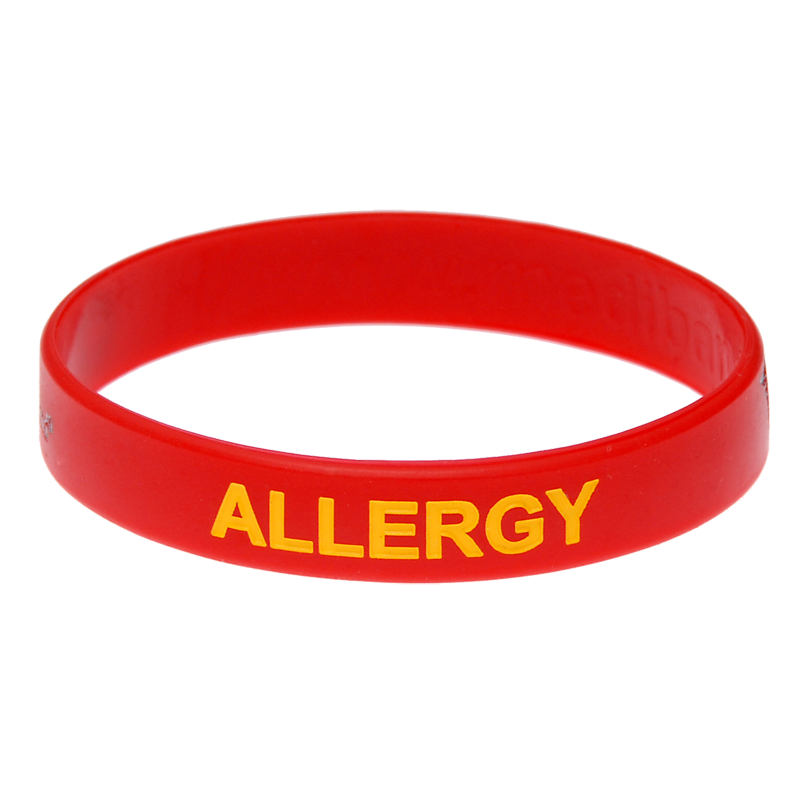
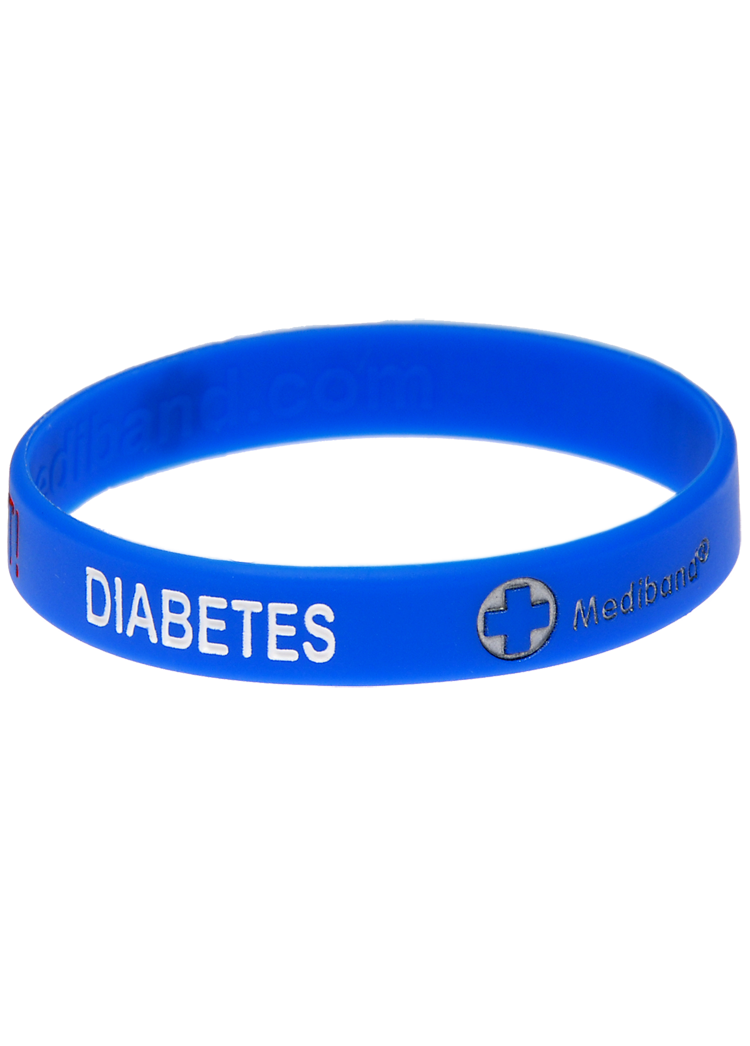
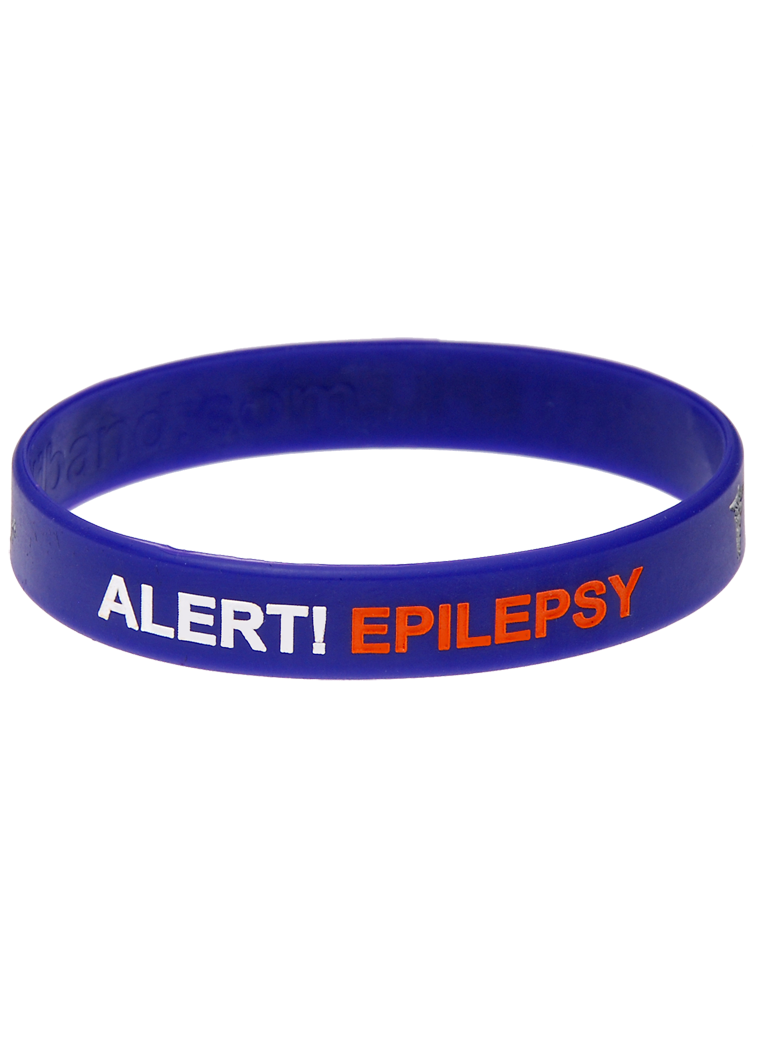
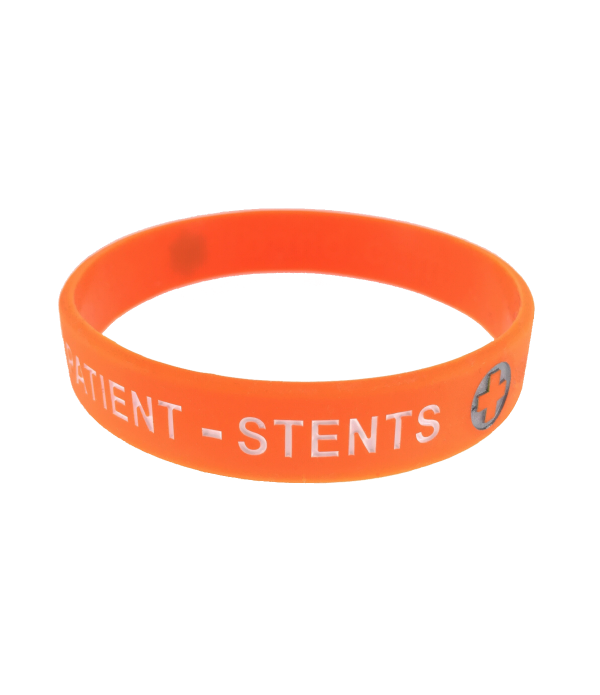
Browse bracelets with the most common medical abbreviations already engraved.

Your Medical ID Starts with the Right Information
Choosing the right abbreviations is the first step. Choosing the right bracelet is the second. Our range includes pre-engraved options for the most common conditions — so you do not need to decide on abbreviations at all — as well as fully customisable engraved and write-on styles.
Explore our medical alert bracelets or use this guide to prepare your engraving order with confidence.
Frequently Asked Questions
What is the most important abbreviation to put on a medical ID bracelet?
Life-threatening allergies come first. Abbreviations like ANPH (anaphylaxis), PCN ALLGY (penicillin allergy), or LATEX (latex allergy) alert responders to risks that could cause them to administer a treatment that harms you. After allergies, your primary condition (EPILEPSY, T1DM, ASTHMA) and any device that affects emergency care (NO MRI, ICD, PM) are highest priority.
Are medical abbreviations on ID bracelets universally understood?
The most common abbreviations (ICE, DNR, ALLGY, DIAB, EPIL, PCN ALLGY) are widely understood by emergency responders globally. However, very uncommon or invented abbreviations may cause confusion. Stick to standard medical abbreviations and, where space allows, use the full word. When in doubt, ask your doctor which abbreviations they would recommend for your condition.
Can I use both sides of a reversible bracelet for different abbreviations?
Yes. Reversible write-on bracelets are ideal for people with multiple conditions or complex medication lists. One side can display your primary condition and allergies, while the other side shows your ICE contact and secondary conditions. This doubles your information capacity without reducing legibility.
Do emergency responders actually check medical ID bracelets?
Yes. Emergency medical services (EMS) protocols in most countries include checking the wrist for a medical alert bracelet as part of the initial patient assessment. Studies show that medical ID information directly influences treatment decisions in approximately 1 in 4 emergency responses. The bracelet is most critical when you are unconscious, confused, or unable to communicate.

Share on Facebook

Share on X

Share on Pinterest
3 Comment(s)
Judy Whiley
Jul 30, 2022 07:49
My daughter has Addison's. About five meds. Would they fit on this
Michael Randall
Aug 24, 2022 00:25
Mediband's custom silicone mediband's will fit quite a lot of information. If it does not fit, simply email the team and we'll reduce the font size to fit all on the band.
Jerimiah johnson
Jun 23, 2022 10:27
Sublocade wrist bands availablity ? Blue letters with white background ...
Recent Posts

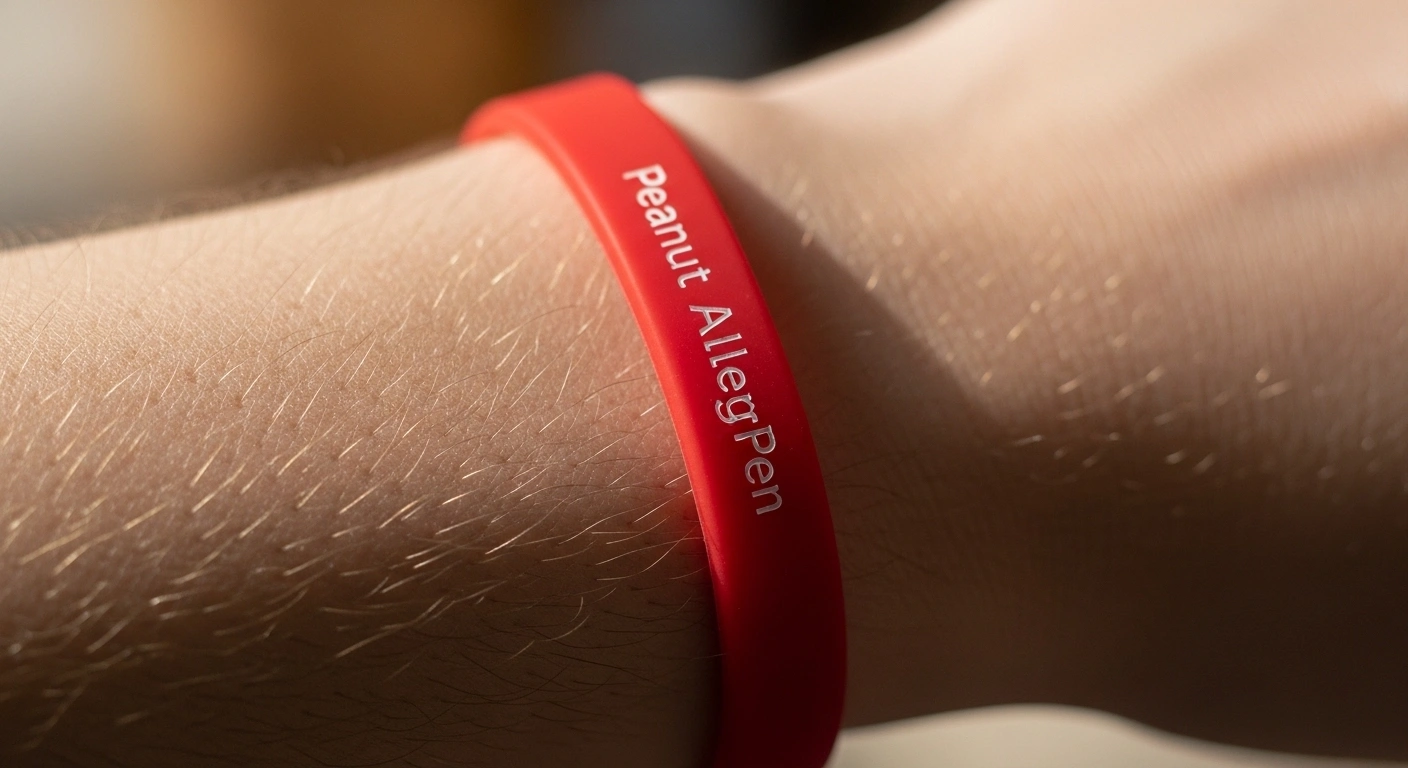
The Risk Of Not Wearing An Allergy Medical Alert Bracelet
March 23, 2026