Combat Medic Badge vs. Medical ID Badge: What's the Difference?
January 12, 2026

You might think all medical badges serve the same purpose, but that assumption couldn't be further from the truth. While both the combat medic badge and medical ID badge relate to healthcare, they exist in completely different worlds with distinct meanings and applications. One represents valor and service under fire, while the other serves as a practical tool for patient safety and professional identification.
Understanding these differences matters more than you'd expect. Military personnel, healthcare workers, and even civilians managing chronic conditions need to grasp what separates these two types of identification. This article breaks down everything you need to know about combat medic badges versus medical ID badges, helping you appreciate the unique role each plays in its respective setting.
What Is a Combat Medic Badge?
The combat medic badge stands as one of the most respected military decorations in the United States armed forces. This badge isn't just another piece of metal pinned to a uniform—it carries weight, history, and profound significance within military culture.
Definition and Purpose
The Combat Medic Badge (CMB) is a military award presented to U.S. Army medical personnel who have provided medical care to soldiers under enemy fire. Established in 1945 during World War II, this decoration recognizes the bravery and dedication of medics who risk their lives to save others on the battlefield. The combat medic badge distinguishes those who have served in direct combat conditions from medical personnel who have served in non-combat roles.
Criteria for Earning the Combat Medic Badge
Earning this prestigious award requires meeting specific and demanding criteria. Medical personnel must be assigned or attached to a ground combat arms unit at the battalion level or below during active ground combat. They must actively engage in the treatment of casualties while under hostile fire, and their commanding officer must verify these actions. The standards remain rigorous because this badge honors exceptional courage in the face of danger.
Additionally, medics must hold a military occupational specialty in the medical field and satisfactorily perform their medical duties during the combat engagement. These requirements ensure that only those who truly served under the most challenging circumstances receive this recognition.
Significance and Symbolism
The combat medic badge holds deep symbolic meaning within military communities. According to a comprehensive analysis published in the Military Medicine journal (2018), combat medics face unique psychological stressors, experiencing both the trauma of combat and the emotional burden of treating wounded comrades. The badge acknowledges this dual challenge and the extraordinary resilience required to fulfill this role.
The design itself tells a story. The badge features a stretcher representing medical care, overlaid on a rifle symbolizing combat. This combination perfectly captures the medic's dual responsibility: to heal while serving in a war zone. For those who wear it, the combat medic badge represents not just personal achievement but also a commitment to the ancient medical principle of caring for the wounded, even at great personal risk.
What Is a Medical ID Badge?
While the combat medic badge honors military service, the medical ID badge serves an entirely different function in civilian healthcare settings and personal medical management.
Definition and Purpose
A medical ID badge is an identification tool used in healthcare facilities to display a medical professional's name, credentials, department, and role. These badges help patients, visitors, and other staff members quickly identify healthcare workers and understand their qualifications. Medical name badges have become standard equipment in hospitals, clinics, nursing homes, and other healthcare environments where clear identification is essential for security, accountability, and patient confidence.
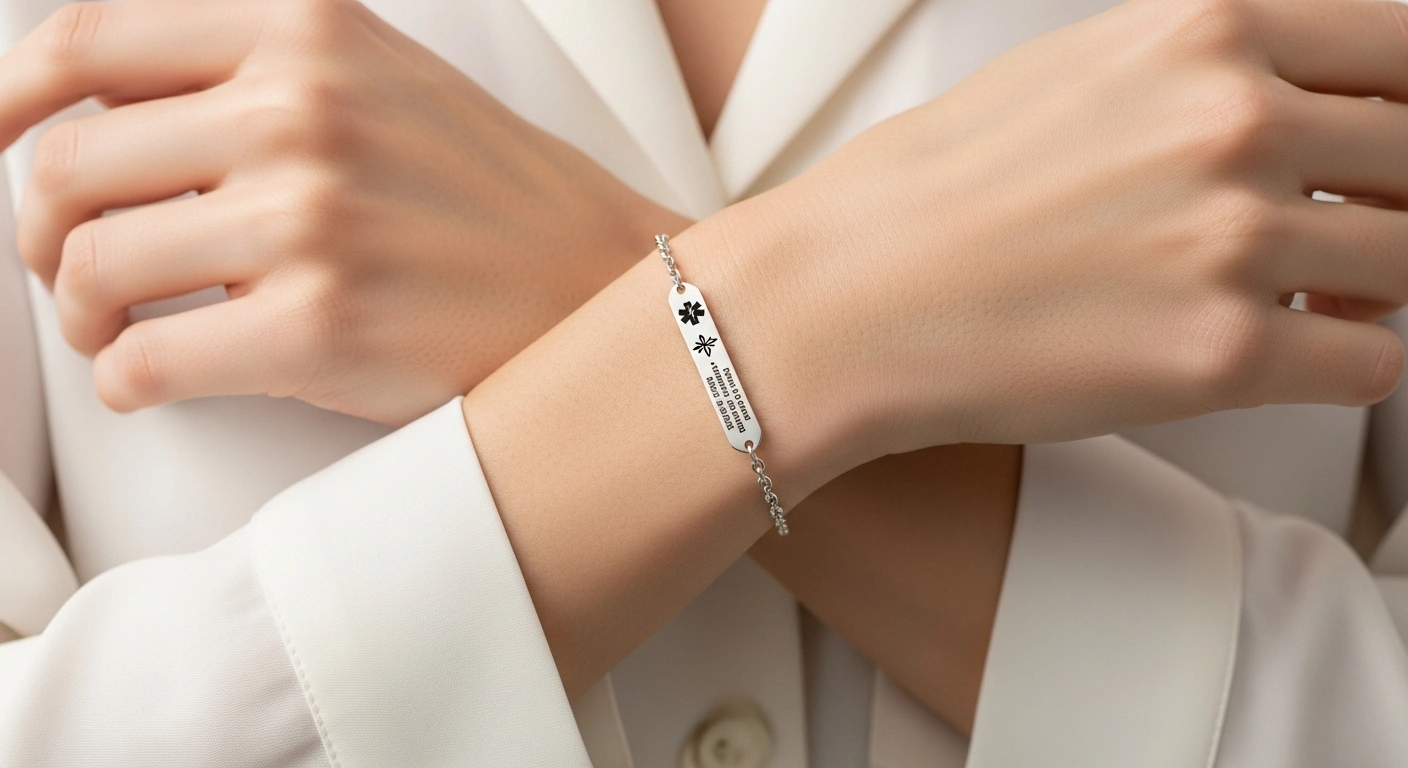
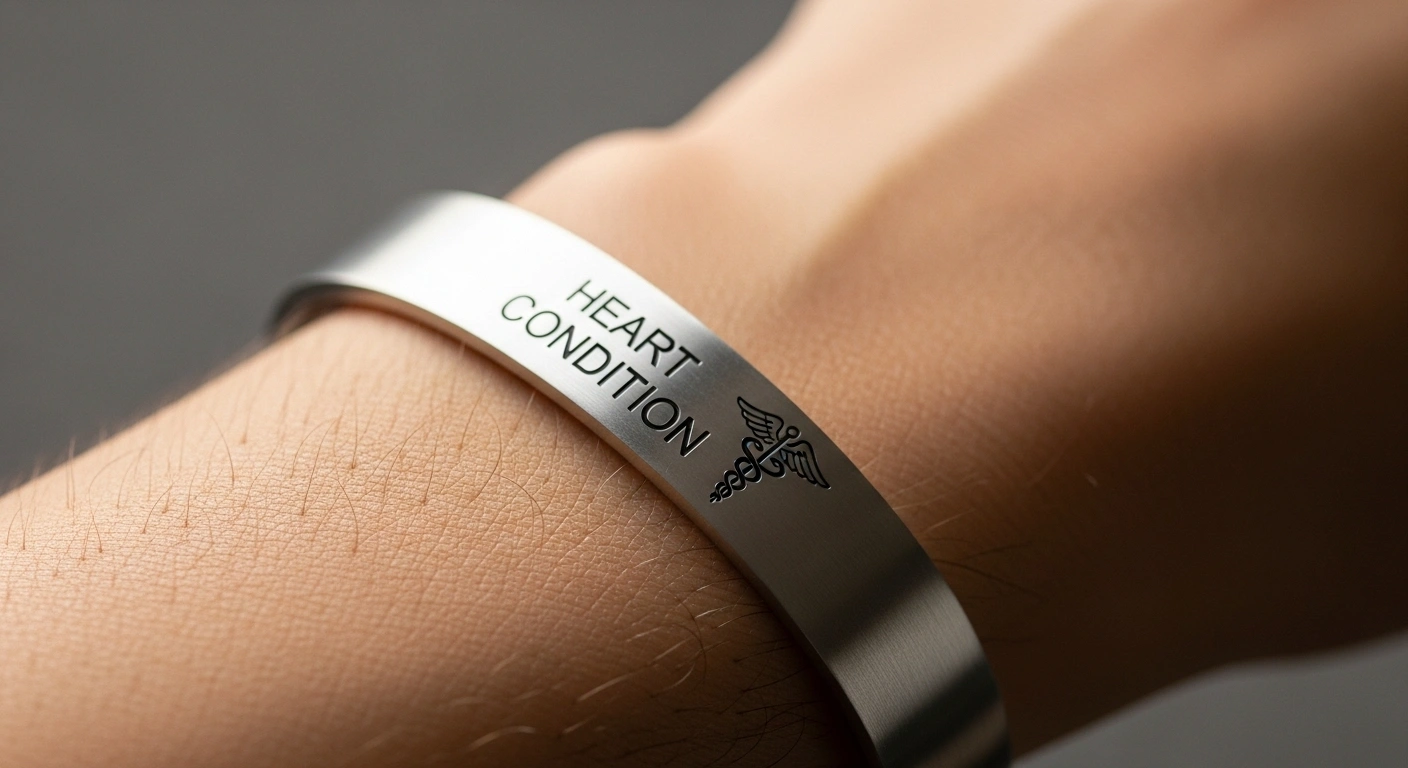
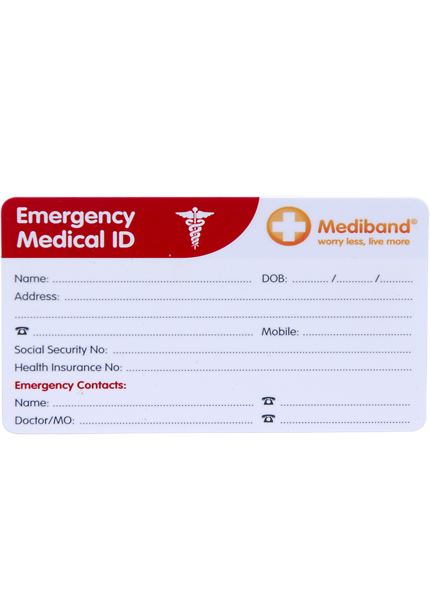
Beyond professional settings, medical ID badges also refer to personal medical alert jewelry or cards that individuals wear to communicate critical health information during emergencies.
Types of Medical ID Badges
Medical ID badges come in various forms, each serving specific needs:
- Professional identification badges: These display the healthcare worker's photo, name, job title, and department. They often include barcodes or RFID chips for building access and electronic record systems.
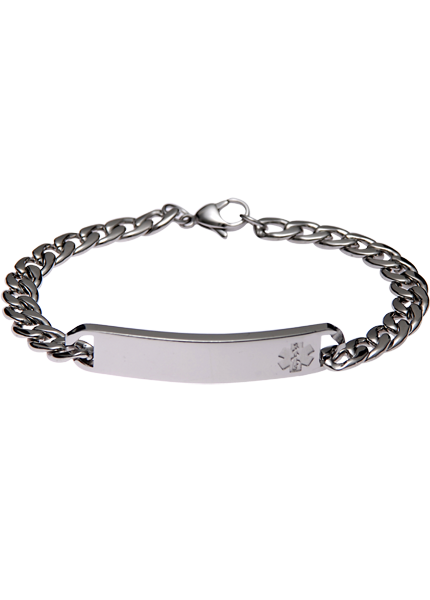
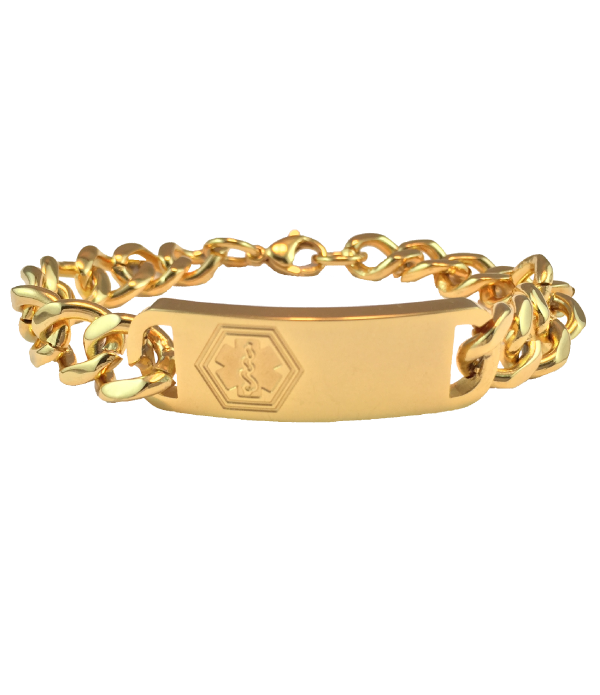
- Personal medical alert badges: Worn by patients or individuals with chronic conditions, these identify allergies, medications, medical conditions, or emergency contact information. They come as bracelets, necklaces, wallet cards, or digital applications.
- Visitor medical badges: Temporary identification given to visitors in healthcare facilities to track movement and ensure security protocols are maintained.
Significance and Functionality
Medical name badges serve multiple critical functions in healthcare delivery. They establish trust between patients and providers by clearly identifying who is providing care. In large hospital systems, these badges help coordinate multidisciplinary teams by making it immediately clear who has which expertise.
From a safety perspective, medical ID badges prevent unauthorized individuals from accessing restricted areas or posing as healthcare providers. For patients wearing personal medical alert badges, these items can be lifesaving during emergencies when the wearer cannot communicate vital health information to first responders.
Shop Medical ID Bracelets and Badges
Your medical ID speaks for you in an emergency — choose a style that fits your life.

Differences Between the Combat Medic Badge and the Medical ID Badge
The distinctions between these two types of badges run deeper than their physical appearance. Understanding these differences helps clarify why each holds importance in its respective domain.
Purpose and Context
The combat medic badge serves as a military decoration that recognizes valor and service under combat conditions. It acknowledges past achievements and heroic actions taken during wartime. This badge is earned through meeting specific criteria during active combat operations.
In contrast, the medical ID badge functions as a practical identification tool for present and ongoing use. Medical name badges don't commemorate past actions but rather facilitate current healthcare delivery and communication. One looks backward to honor service; the other looks forward to enabling effective care.
Design and Symbolism
Design differences reflect these distinct purposes. The combat medic badge features military imagery—the stretcher and rifle combination—rendered in metal and designed for permanent display on military uniforms. Its aesthetic conveys military tradition and combat heritage.
Medical ID badges prioritize function and clarity. Professional medical name badges typically display information in easy-to-read fonts with high-contrast colors. Personal medical alert badges focus on quickly conveying critical information, often using internationally recognized medical symbols like the Rod of Asclepius or red medical crosses.
Application and Use Cases
The combat medic badge appears exclusively on military dress uniforms during ceremonies, formal events, or as part of the official service uniform. Veterans may also display their badges on civilian attire during military-related gatherings. Its use is ceremonial and commemorative.
Medical ID badges see daily practical application. Healthcare workers wear their badges throughout every shift, using them for building access, patient interactions, and inter-professional communication. Patients with personal medical alert badges wear them constantly to ensure protection during any potential emergency situation.
Eligibility and Requirements
Eligibility requirements couldn't differ more substantially. The combat medic badge requires military service, assignment to combat medical roles, and verified service under enemy fire. Only U.S. Army medical personnel who meet these combat-related criteria qualify.
Medical ID badges have no such restrictions. Any healthcare worker employed by a medical facility receives a professional badge. Anyone with a medical condition, regardless of age, occupation, or background, can obtain a personal medical alert badge. No special achievements are necessary—just employment in healthcare or a health condition that warrants identification.
When Each Badge Is Important
Both badges matter tremendously, but they hold significance in completely different circumstances and for entirely different reasons.
Importance of the Combat Medic Badge in Combat and Military Settings
In military contexts, the combat medic badge carries enormous weight. It identifies soldiers who have demonstrated extraordinary courage and commitment under the worst possible circumstances. For career military personnel, this badge affects promotion considerations and peer respect. It signals to other service members that the wearer has been tested in combat and proved capable.
Beyond individual recognition, the combat medic badge helps maintain military medical standards and morale. It incentivizes excellence in battlefield medicine and acknowledges the unique challenges combat medics face. The badge also serves historical purposes, documenting which medical personnel served in combat operations for future generations.
Importance of the Medical ID Badge in Healthcare and Daily Life
Medical ID badges prove essential in entirely different ways. In healthcare facilities, these badges maintain safety protocols that protect both patients and staff. They prevent unauthorized access to medication storage areas, patient records, and restricted treatment zones. When patients can see and verify their caregiver's credentials, trust increases and anxiety decreases.
For individuals wearing personal medical alert badges, the importance becomes most apparent during emergencies. First responders treating an unconscious person with a medical alert badge immediately know about allergies, chronic conditions, or medications that could affect treatment decisions. This information can prevent dangerous drug interactions or alert paramedics to conditions like diabetes or epilepsy that might otherwise go unrecognized.
In routine healthcare interactions, medical name badges facilitate better communication. Patients can address providers by name, follow up with specific staff members, and feel more confident about the care they receive. This seemingly simple function significantly impacts patient satisfaction and healthcare outcomes.
Conclusion
The combat medic badge and medical ID badge both relate to medical care, but they have very different uses. The combat medic badge recognizes military medical staff who gave care while under enemy attack, showing bravery, selflessness, and military custom. It's a lasting honor earned through outstanding service in wartime.
Medical ID badges work as useful ID tools in healthcare settings and for personal health management. Medical name badges help health centers run smoothly while gaining patient confidence. Personal medical alert badges keep people with health issues safe by sharing key info during emergencies.
One badge isn't better than the other—they just matter in different situations. Soldiers have good reason to honor the combat medic badge. It shows service in the toughest conditions you can think of. Doctors, nurses, and patients rely on medical ID badges every day. These badges keep things safe, help people know who's who, and make sure care gets delivered well.
Knowing how these badges differ helps us value two things. First, we see what combat medics give up when they serve in the military. Second, we see the practical steps that keep hospitals running. Whether it's on a dress uniform or a set of scrubs, each badge does its job well.
Frequently Asked Questions
What is the difference between a combat medic badge and a medical ID badge?
A combat medic badge is a military decoration awarded to soldiers who provide medical care under fire. A medical ID badge — or medical alert bracelet — is a personal identification device worn by civilians with health conditions to alert first responders to critical medical information during emergencies.
Can civilians wear a combat medic badge?
No. The Combat Medical Badge is an official United States Army military decoration that can only be earned and worn by qualified military medical personnel who have served in active ground combat. Wearing it without authorisation violates military regulations and is considered disrespectful to those who earned it.
Who should wear a medical ID badge or bracelet?
Anyone with a chronic condition such as diabetes, epilepsy, severe allergies, heart disease, or who takes blood thinners, uses an EpiPen, or has an implanted device like a pacemaker. Medical IDs are also recommended for children with allergies and elderly individuals with dementia or Alzheimer disease.
What information should be on a medical ID badge?
Include your primary medical condition, critical allergies, current medications, emergency contact number, and any special instructions for first responders such as insulin dependent or do not resuscitate. Keep the text concise — paramedics need to read it quickly under pressure in emergency situations.
Are medical ID bracelets recognised by paramedics in Australia?
Yes. Australian paramedics and emergency medical technicians are trained to check the wrists and neck for medical identification within the first 30 seconds of assessing an unconscious or unresponsive patient. A visible medical ID bracelet directly influences their treatment decisions and can prevent dangerous errors.

Share on Facebook

Share on X

Share on Pinterest
Comment(s)
Recent Posts
The Risk Of Not Wearing An Allergy Medical Alert Bracelet
March 23, 2026