How Children's Medical ID Bracelets Give Parents Peace of Mind
January 08, 2026
Every parent knows that sinking feeling when their child wanders off in a crowded store or starts showing unexpected symptoms at school. For parents of children with medical conditions, allergies, or special needs, these moments carry an extra weight of worry. What if something happens when you're not there? What if the adults around your child don't know about their diabetes, severe peanut allergy, or epilepsy?
This is where children's medical ID bracelets become more than just accessories—they become silent guardians that speak up when your child can't. These small, wearable devices carry critical health information that can make the difference between confusion and clarity during a medical emergency. For countless parents, knowing their child wears this simple safeguard transforms daily anxiety into manageable confidence.
What Are Children's Medical ID Bracelets?
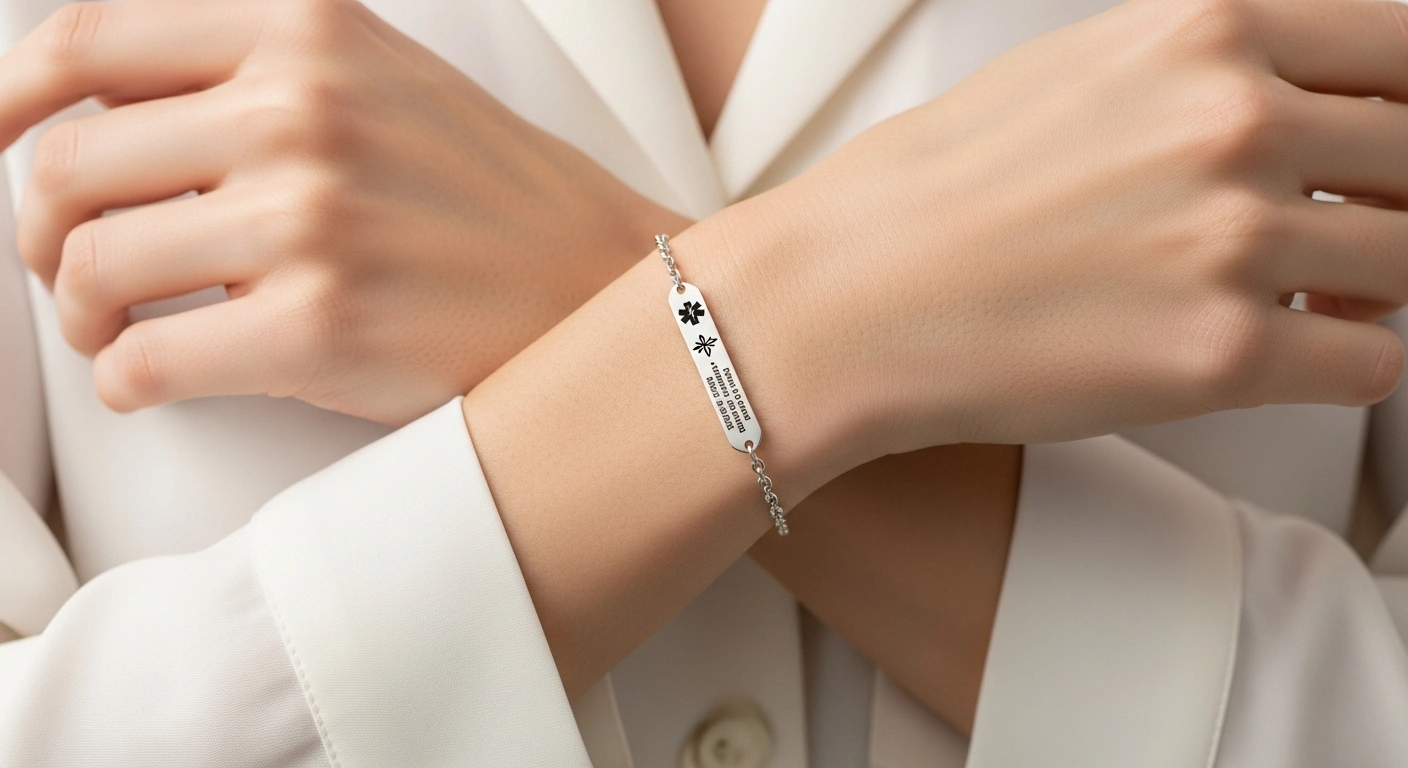
A medical ID bracelet is a wearable identification device that displays essential health information about the person wearing it. When designed specifically for children, these bracelets are adapted to fit smaller wrists, feature kid-friendly designs, and are built to withstand the rough-and-tumble nature of childhood activities.
Unlike adult versions, children's versions prioritize durability and comfort because kids are constantly moving, playing, and growing. Most medical ID bracelets offer customizable engraving options where parents can include their child's name, primary medical condition, allergies, medications, and emergency contact numbers.
Popular material options include:
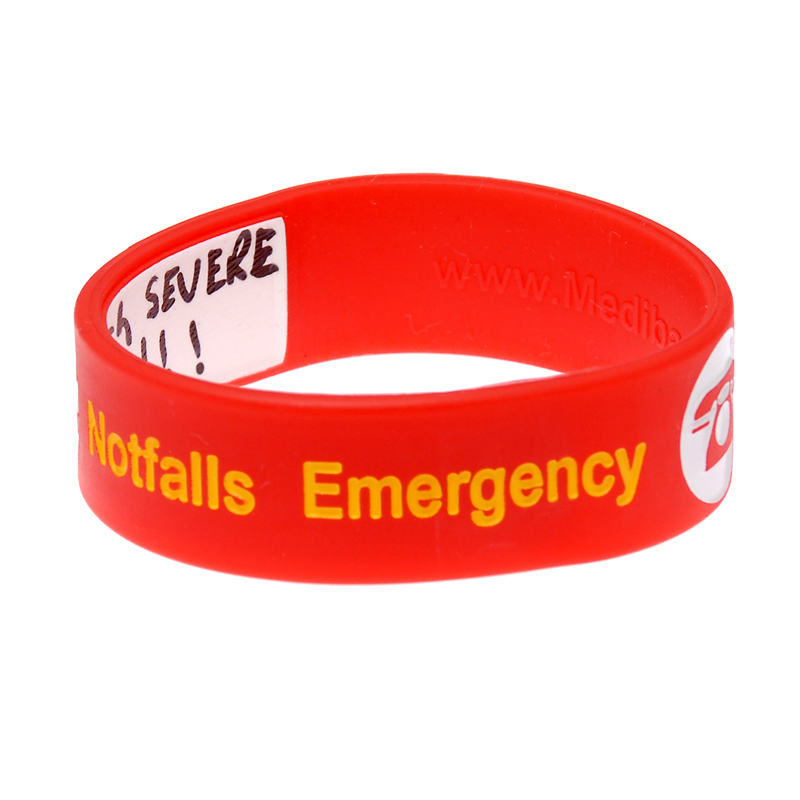
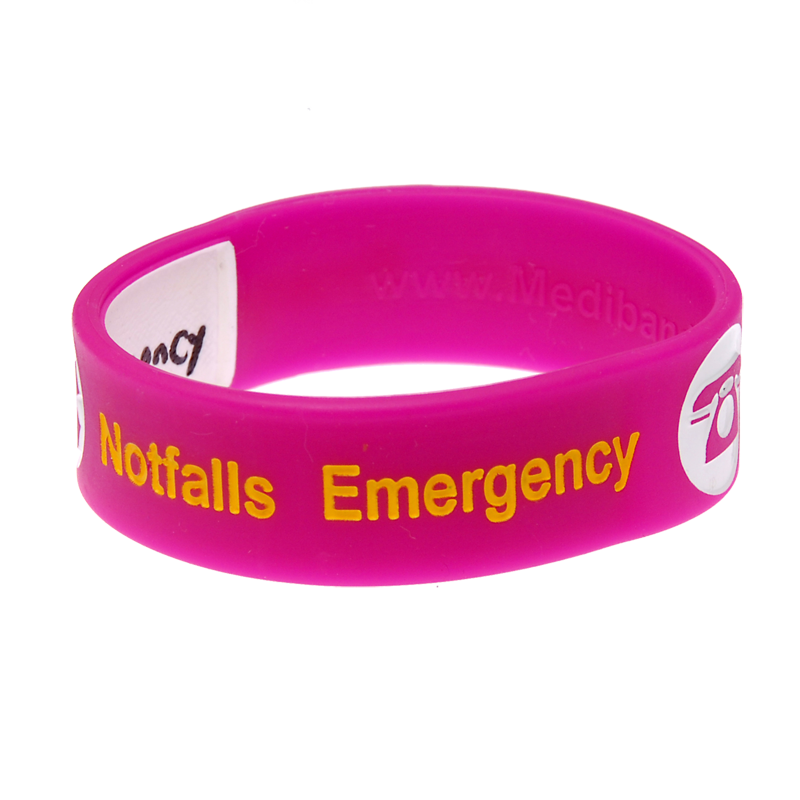
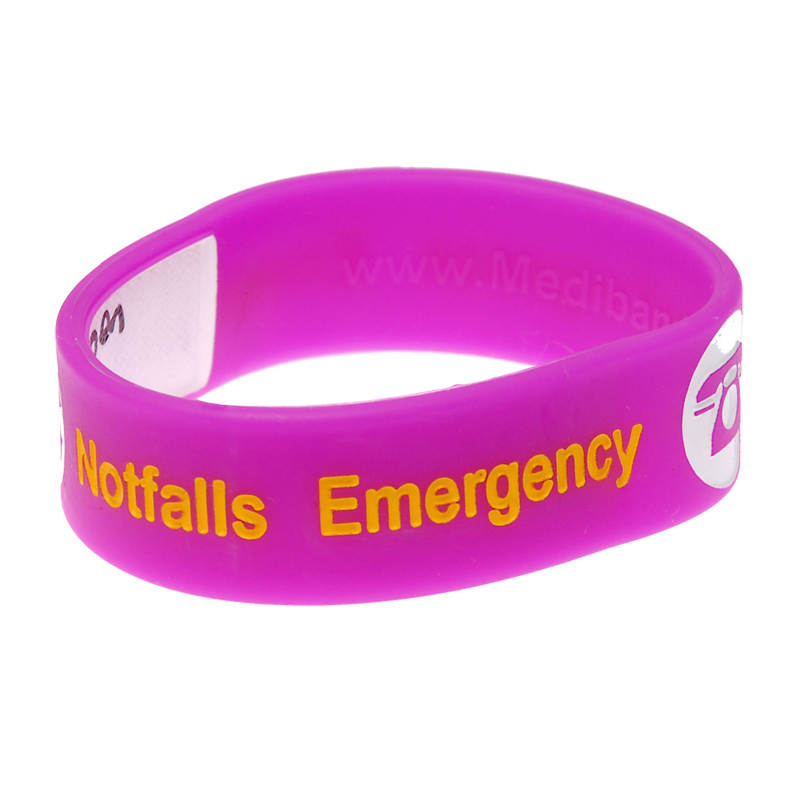
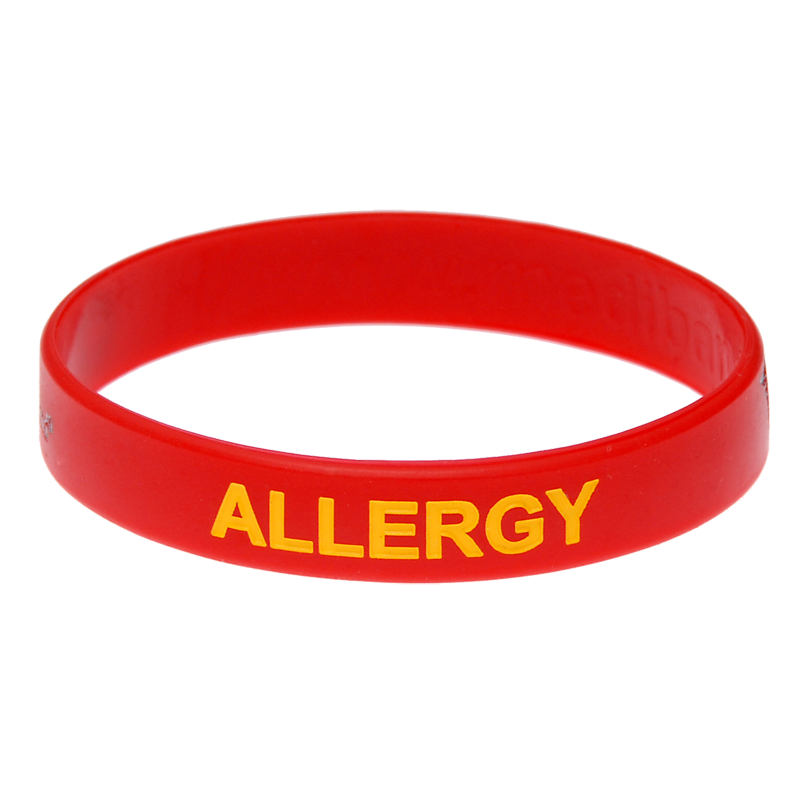
- Silicone bands: Waterproof, lightweight, and perfect for active younger children
- Stainless steel: Durable and suitable for older kids who want a more mature look
- Nylon sport bands: Adjustable and comfortable for athletes and outdoor enthusiasts
- Beaded or leather styles: Fashionable options that blend medical function with personal style
The Importance of Medical ID Bracelets for Children
Ensuring Quick Access to Critical Health Information
When seconds count during a medical emergency, a medical id bracelet eliminates the guessing game. Emergency responders, teachers, coaches, and bystanders can immediately see what they're dealing with. If a child with Type 1 diabetes becomes unresponsive, the bracelet instantly tells medical personnel that low blood sugar might be the culprit—information that could save precious time and prevent inappropriate treatment.
According to research published in the Pediatric Emergency Care journal, delays in identifying medical conditions during pediatric emergencies can lead to improper treatment and worse outcomes. The study found that visible medical identification significantly reduced time-to-treatment in emergencies involving children with chronic conditions.
First Responders and Medical Staff
Paramedics and emergency room doctors are trained to look for medical identification on patients who cannot communicate. For children who are too young to explain their condition, unconscious, or too frightened to speak clearly, the bracelet does the talking.
Peace of Mind for Parents
Perhaps the most valuable benefit isn't medical—it's emotional. Parents who send their children off to school, camp, playdates, or sports practice with a children's medical ID bracelet experience a tangible sense of relief. You can't be everywhere, but the bracelet is. This peace of mind extends to the child as well, giving them a measure of control over their own health information.
Shop Children's Medical ID Bracelets
Give your child an extra layer of safety — a medical ID bracelet that speaks for them when they cannot.
Who Needs a Children's Medical ID Bracelet?
Children with Chronic Conditions
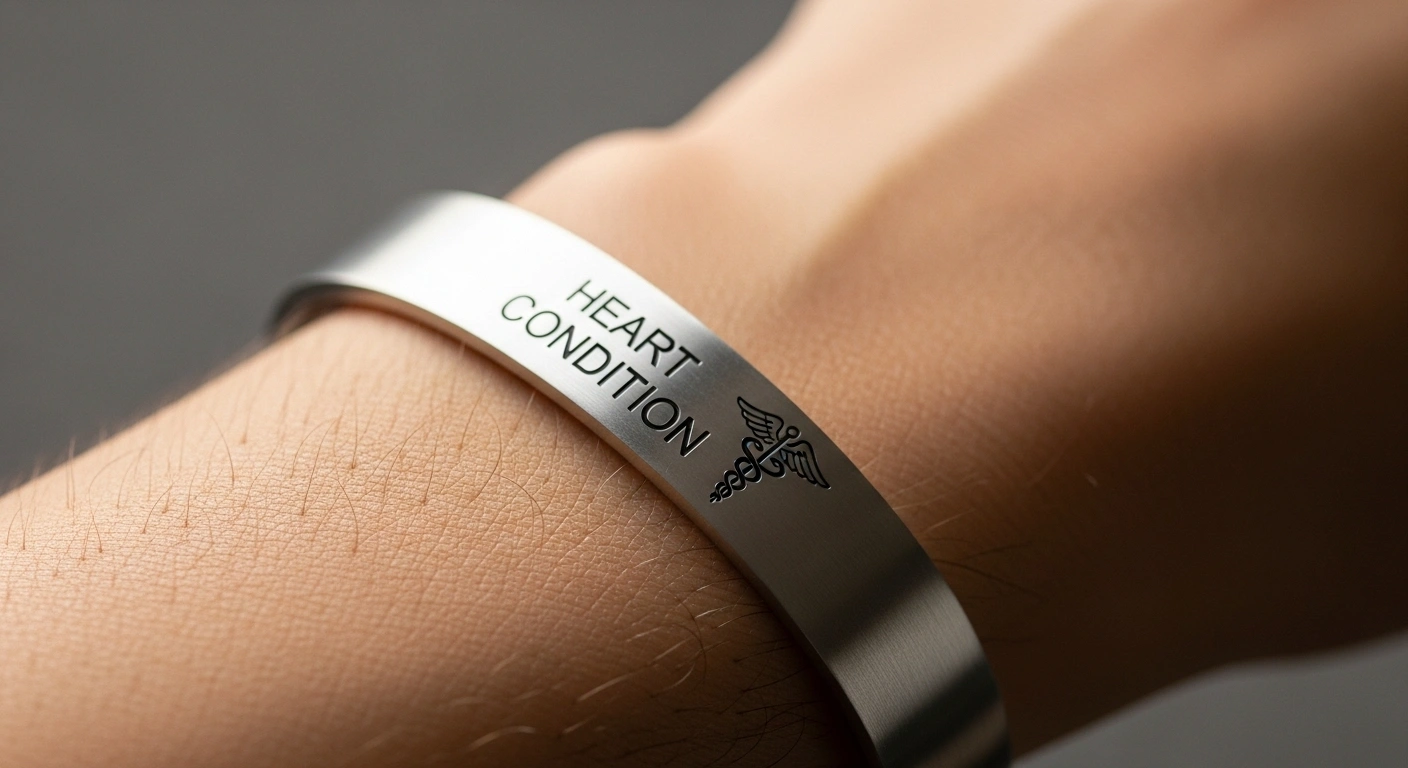
Kids living with conditions like diabetes, epilepsy, asthma, heart conditions, or hemophilia should always wear a children's medical ID bracelet. These conditions can cause sudden medical crises that require immediate, specific interventions.
Children with Severe Allergies
Food allergies, insect sting allergies, and medication allergies can be life-threatening. A child who's allergic to peanuts, bee stings, or penicillin needs this information visible at all times. In an emergency situation where the child might be offered food or medication, the bracelet acts as a critical barrier against accidental exposure.
Children with Special Needs
Children with autism, Down syndrome, cerebral palsy, or other developmental and physical disabilities may struggle to communicate during stressful or emergencies. A medical ID bracelet can include information about their condition, communication challenges, and specific care needs.
Active Children and Athletes
Even children without chronic conditions can benefit from wearing these bracelets, especially if they participate in sports or outdoor activities where injuries are more likely. Young athletes with conditions like exercise-induced asthma or those taking regular medications should wear identification during practices and competitions.
How Do Children's Medical ID Bracelets Work?
What Information to Include
The bracelet's limited space means parents need to prioritize the most critical information. Essential details typically include:
- Child's first name
- Primary medical condition or diagnosis
- Critical allergies (especially those requiring emergency medication)
- Medications they take regularly or might need in emergencies
- Emergency contact phone number
- Special instructions like "non-verbal" or specific medical device information
Durability and Comfort
Children aren't gentle with their belongings, so the bracelet needs to survive playground falls, sports activities, and daily wear. The fit matters too—the bracelet should be snug enough not to slip off but loose enough not to irritate the skin or restrict blood flow. Many adjustable options accommodate growth spurts without needing immediate replacement.
Design and Style
Getting children to actually wear their bracelets requires choosing something they like. The good news is that children's medical ID bracelets now come in countless styles:
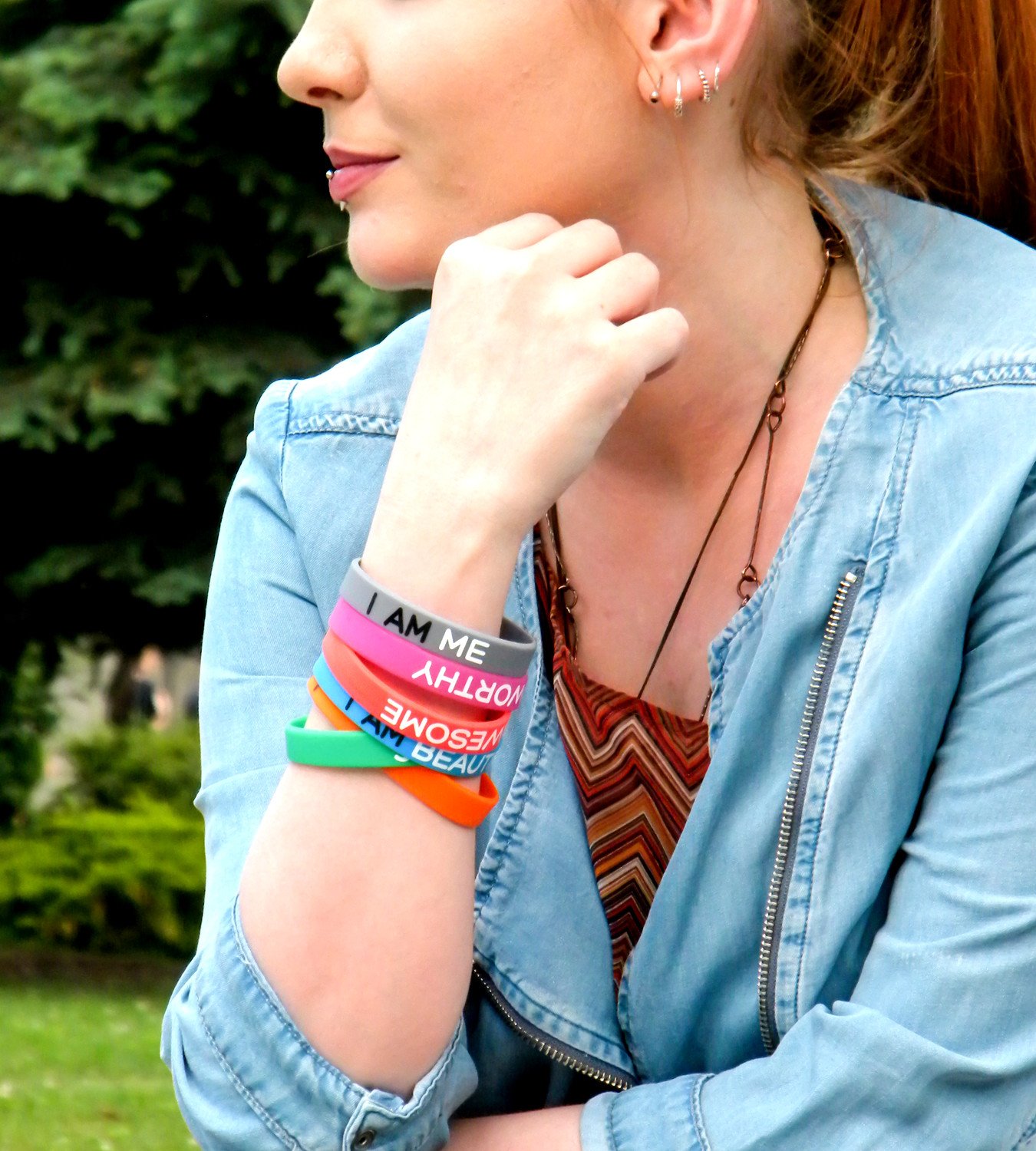
- Bright colors and fun patterns for younger children
- Sleek metal designs for teens who want something subtle
- Sport bands that look like fitness trackers
- Beaded or charm bracelets that blend with everyday jewelry
- Character-themed options featuring beloved cartoon figures
- When kids like how their bracelet looks, they're far more likely to keep it on consistently.
A Simple Tool with Extraordinary Impact
The reality is that emergencies are unpredictable. You can teach your child to speak up about their condition, you can inform teachers and coaches, and you can take every precaution—but you can't prepare for every scenario. What you can do is make sure your child wears a simple bracelet that carries their most important health information wherever they go.
Children's medical ID bracelets represent one of the most straightforward safety measures available to parents. They don't require batteries, subscriptions, or complicated technology. They just work—sitting quietly on a child's wrist until the moment they're needed most.
For parents managing the complexities of raising a child with health considerations, this small piece of metal or silicone offers something invaluable: the knowledge that you've done everything possible to protect your child, even when you can't be by their side. That's not just practical—that's peace of mind you can see and touch every single day.
Frequently Asked Questions
At what age should a child start wearing a medical ID bracelet?
Children can start wearing a medical ID bracelet from around two years of age, or as soon as they are diagnosed with a condition that requires emergency awareness. Mediband offers adjustable children sizes that fit comfortably on small wrists. The earlier a child starts wearing one, the more natural it becomes as part of their daily routine.
What conditions require a child to wear a medical ID bracelet?
Any condition that could cause a medical emergency or affect treatment decisions, including food allergies, anaphylaxis, asthma, epilepsy, diabetes, autism spectrum disorder, and congenital heart conditions. If a teacher, coach, or paramedic needs to know about your child condition to respond safely, a medical ID bracelet is essential.
Will my child be comfortable wearing a medical ID bracelet?
Yes. Modern medical ID bracelets for children are made from soft, flexible medical-grade silicone that is lightweight, waterproof, and hypoallergenic. Children can wear them during swimming, sport, and sleep without discomfort. Many come in bright colours that kids enjoy wearing, which improves daily compliance.
What should I write on my child medical ID bracelet?
Include the child primary condition, critical allergies, any medications, and a parent or guardian emergency contact number. For example: Peanut Allergy — Use EpiPen — Mum: 0412 345 678. Keep the text brief and legible so anyone responding to an emergency can read it quickly and take the right action.
Do schools in Australia recognise medical ID bracelets?
Yes. Most Australian schools include medical alert bracelets as part of their health management plans for students with known conditions. Teachers and staff are trained to check for medical identification during emergencies. Having a bracelet complements the written health plan and ensures any adult present can identify the child needs instantly.

Share on Facebook

Share on X

Share on Pinterest
Comment(s)
Recent Posts
The Risk Of Not Wearing An Allergy Medical Alert Bracelet
March 23, 2026