Hearing Loss and Medical Alert Bracelets: Staying Safe When Communication Is Challenging
September 21, 2021

For the more than 1.5 billion people worldwide living with some degree of hearing loss, everyday safety can present unique challenges. When communication is difficult or impossible — especially in a medical emergency — the right identification can be life-saving.
According to the World Health Organisation, over 430 million people require rehabilitation for disabling hearing loss — a figure projected to rise to over 700 million by 2050. For this community, medical alert identification is not just helpful — it is essential.
How Hearing Loss Affects Emergency Communication
In an emergency, paramedics, nurses, and first responders rely heavily on verbal communication to assess patients. They ask questions about symptoms, medications, allergies, and medical history. For someone who is deaf, hard of hearing, or relies on lip-reading or sign language, these standard communication protocols break down rapidly.
Additional complications arise when hearing aids are lost or damaged during an incident, when stress or noise makes lip-reading impossible, or when a person is unconscious and their hearing loss is unknown to responders.
The Role of Medical Alert Bracelets for Deaf and Hard-of-Hearing Individuals
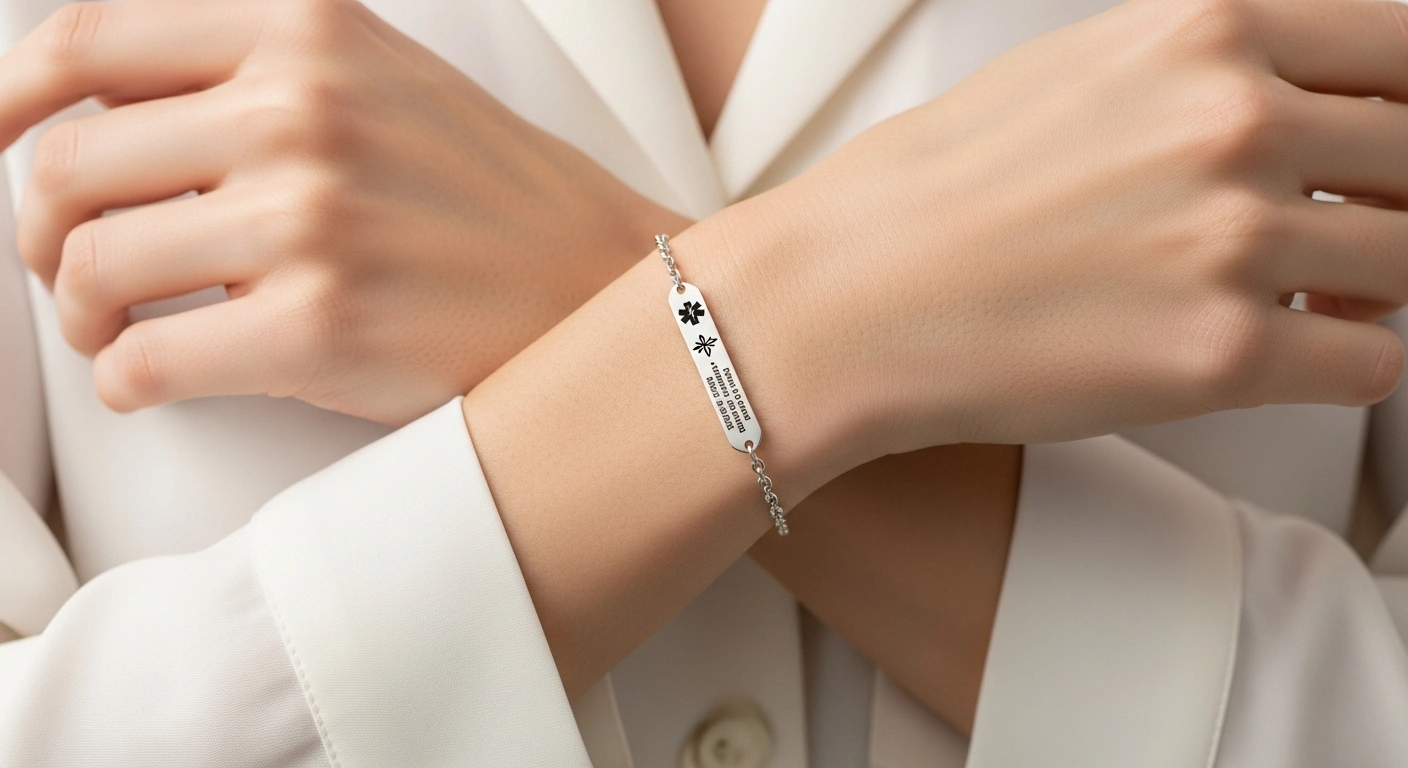
A medical alert bracelet communicates your hearing status instantly — without words. When a first responder sees a bracelet indicating hearing impairment, they can immediately adapt their approach: using written communication, visual cues, or requesting a sign language interpreter.
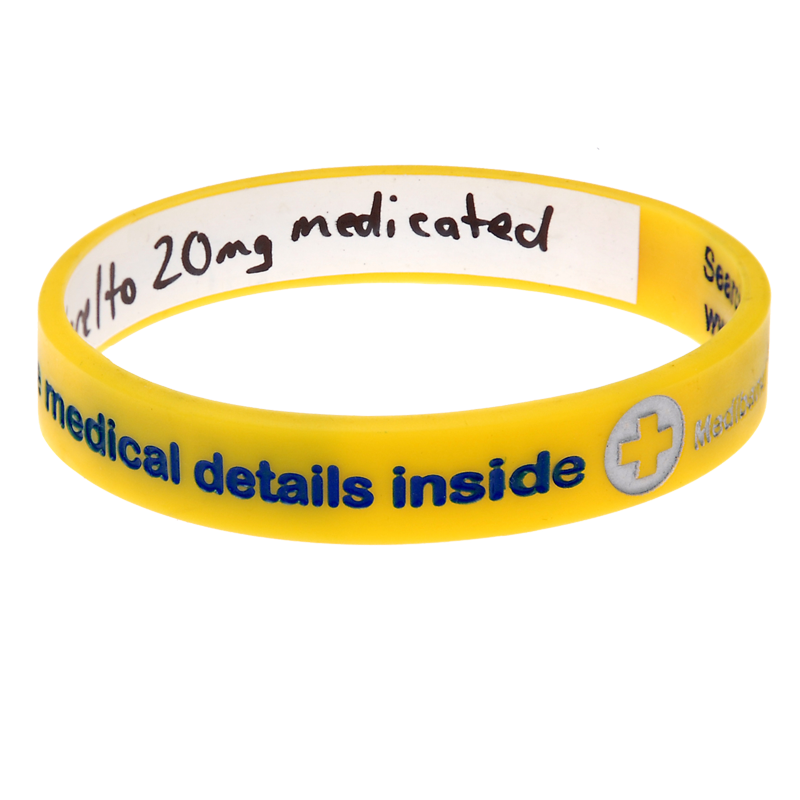
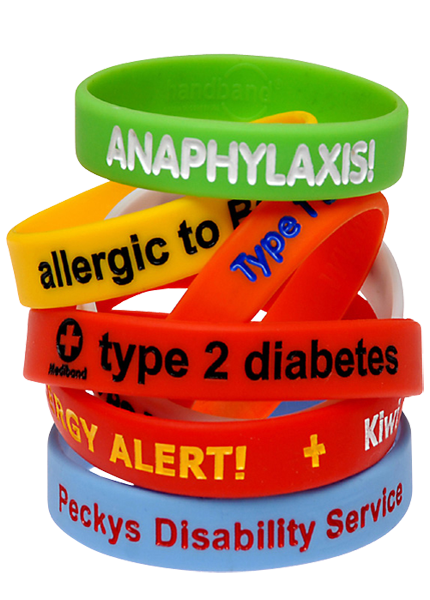
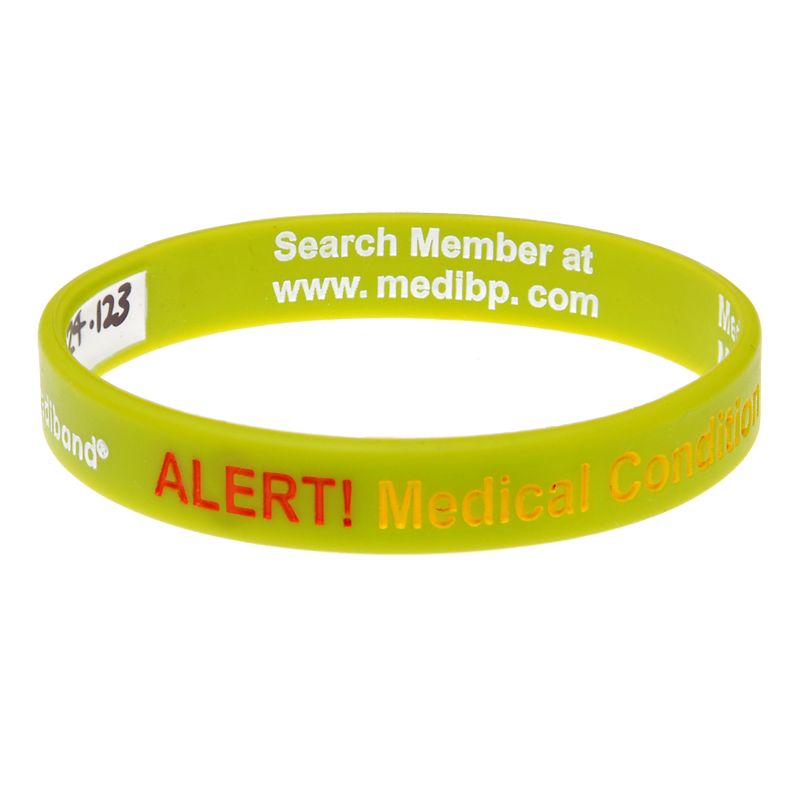
A reversible write-on medical bracelet allows you to note your specific hearing status, whether you lip-read, use sign language, or require a written communication approach. This single piece of information can transform the quality of emergency care you receive.
What to Include on a Medical Alert Bracelet for Hearing Loss
For Deaf Individuals
Note that you are deaf and indicate your preferred communication method — sign language, lip-reading, or written communication. If relevant, note whether you have a cochlear implant (some medical imaging procedures require special considerations for CI users).
For Hard-of-Hearing Individuals
Indicate "hard of hearing" or "hearing impaired" and note whether you wear hearing aids. If your hearing aids are removed during treatment, staff need to know they must communicate differently.
Combined Conditions
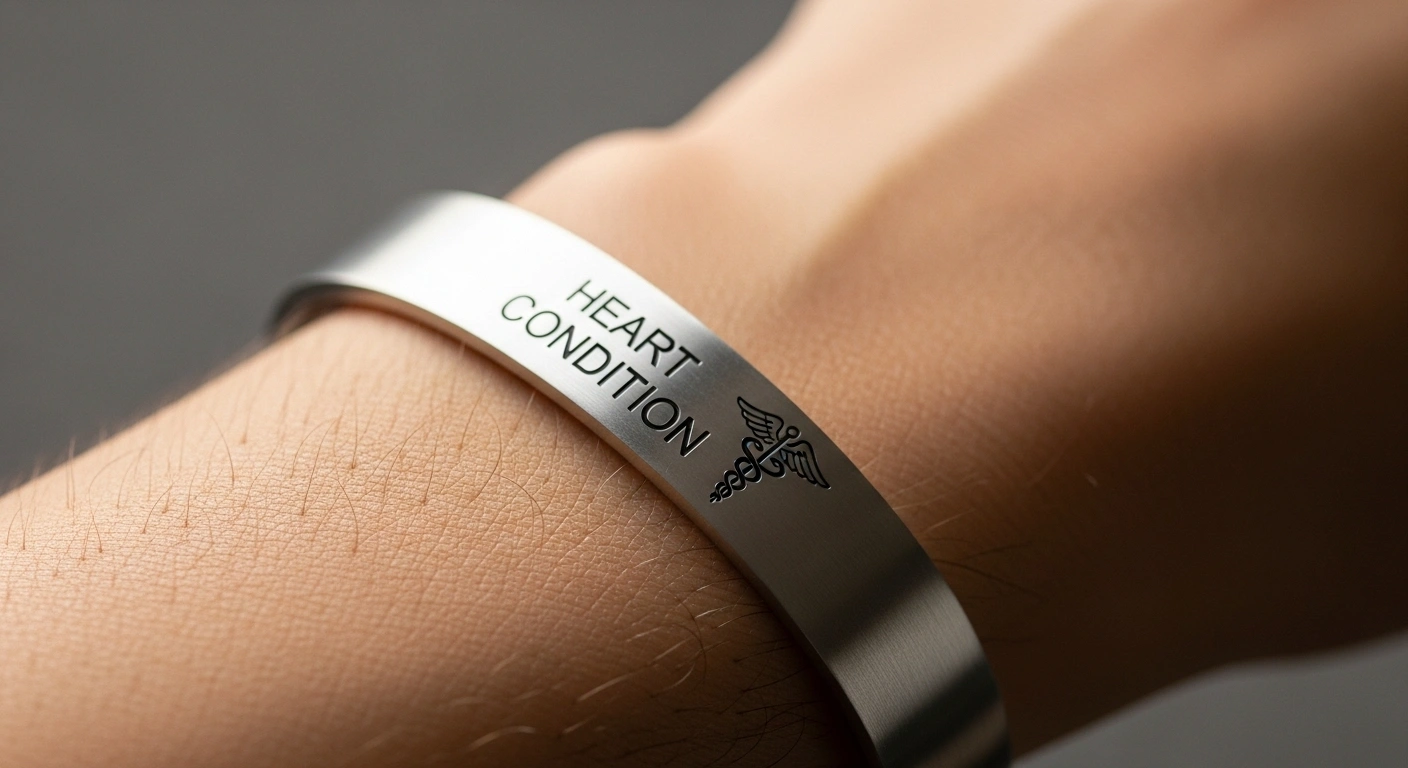
Many deaf and hard-of-hearing individuals also have other medical conditions — diabetes, epilepsy, heart conditions — that are independent of their hearing loss. A bold alert signature medical ID with personalised engraving can communicate multiple key details on a single bracelet.
Cochlear Implants and MRI Safety
If you have a cochlear implant, MRI scanning requires special precautions or may be contraindicated depending on your implant model. A medical alert bracelet noting your cochlear implant status allows radiographers and emergency physicians to pause and verify before imaging. This is a critical safety consideration that your bracelet should communicate clearly.
Choosing the Right Medical Alert Product
For a discreet everyday option, the stainless steel classic bracelet offers a professional appearance with engraved medical information. For high-visibility identification, the neon medical condition alert bracelet is immediately noticeable in any lighting condition.
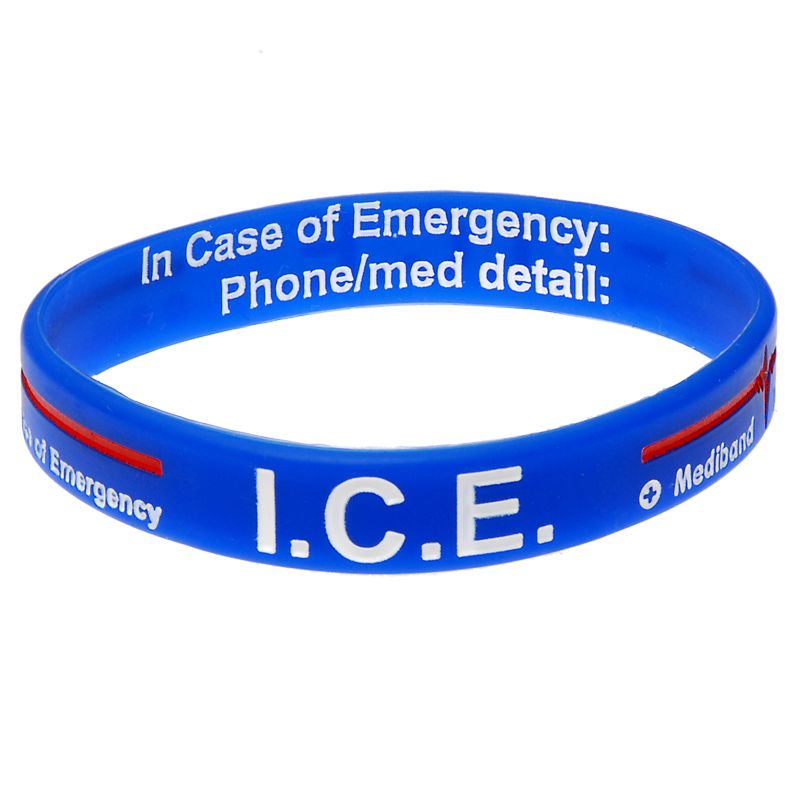
An ICE contact bracelet ensures that even if you cannot communicate directly, responders have a number to call immediately for someone who knows your needs and communication preferences.
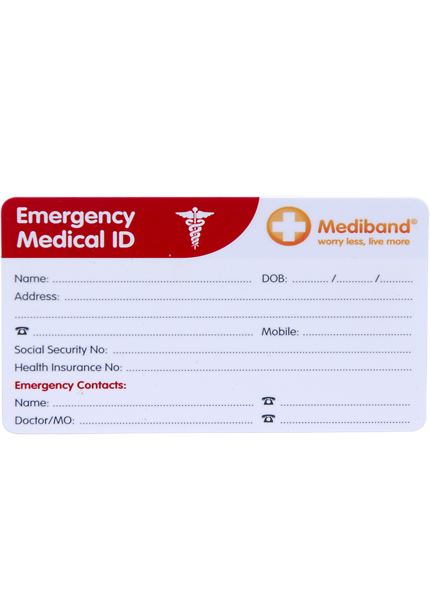
An emergency information wallet card provides additional space for detailed instructions about how to communicate with you most effectively.
Supporting Children with Hearing Loss
Children with hearing loss face additional vulnerabilities in emergency situations — particularly at school, during sports, or in public spaces. Medical alert bracelets for children should be comfortable, colourful, and durable. A write-on option allows parents to include communication instructions in child-friendly language that teachers and caregivers can understand.
Medical Alert ID for Hearing Loss and Deaf Individuals
Bridge the communication gap — every time.

Hearing loss should never be an invisible condition in an emergency. A well-chosen medical alert bracelet bridges the communication gap instantly — giving first responders the information they need and giving you the safety and respect you deserve. Whether deaf, hard of hearing, or managing a cochlear implant, the right identification makes every situation safer.
Frequently Asked Questions
Why should deaf people wear a medical alert bracelet?
In an emergency, verbal communication is often the default approach used by first responders. A medical alert bracelet notifies them immediately that you are deaf or hard of hearing, prompting them to use written communication, visual cues, or interpreter services instead.
What should a hearing-impaired person put on their medical alert bracelet?
Include your hearing status (Deaf, Hard of Hearing, or Hearing Impaired), your preferred communication method (sign language, lip-reading, written), whether you wear hearing aids, and whether you have a cochlear implant. An ICE contact number is also highly recommended.
Do cochlear implants affect medical treatment?
Yes — cochlear implants can affect MRI compatibility and require special precautions for some medical procedures. A medical alert bracelet noting your cochlear implant status allows medical staff to check before performing imaging or other treatments.
Are there medical alert options for children with hearing loss?
Yes. Write-on reversible bracelets are ideal for children as they can include communication instructions for teachers, carers, and emergency responders. They are comfortable, durable, and can be updated as communication needs evolve.

Share on Facebook

Share on X

Share on Pinterest
Comment(s)
Recent Posts

The Risk Of Not Wearing An Allergy Medical Alert Bracelet
March 23, 2026