Avoid these 4 common mistakes with your medical ID
March 30, 2023

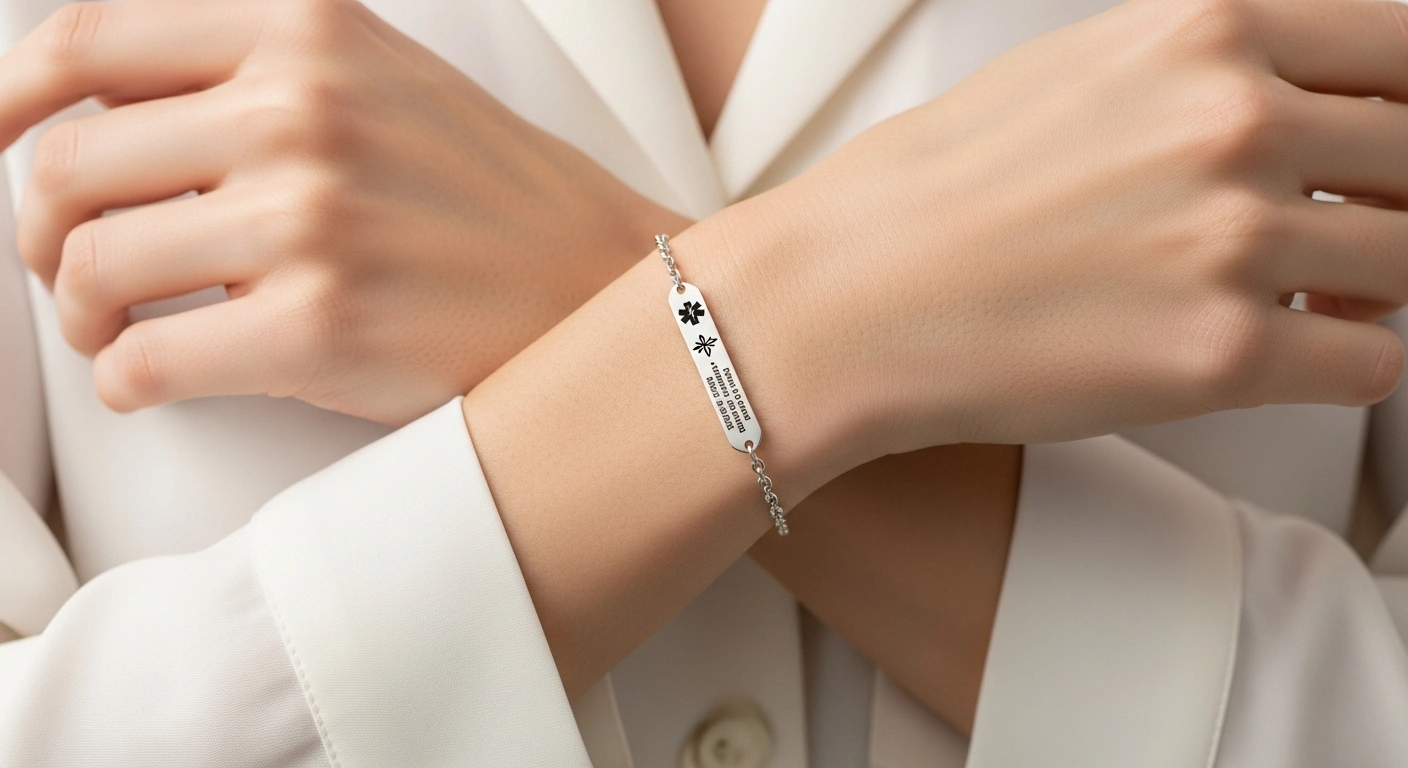
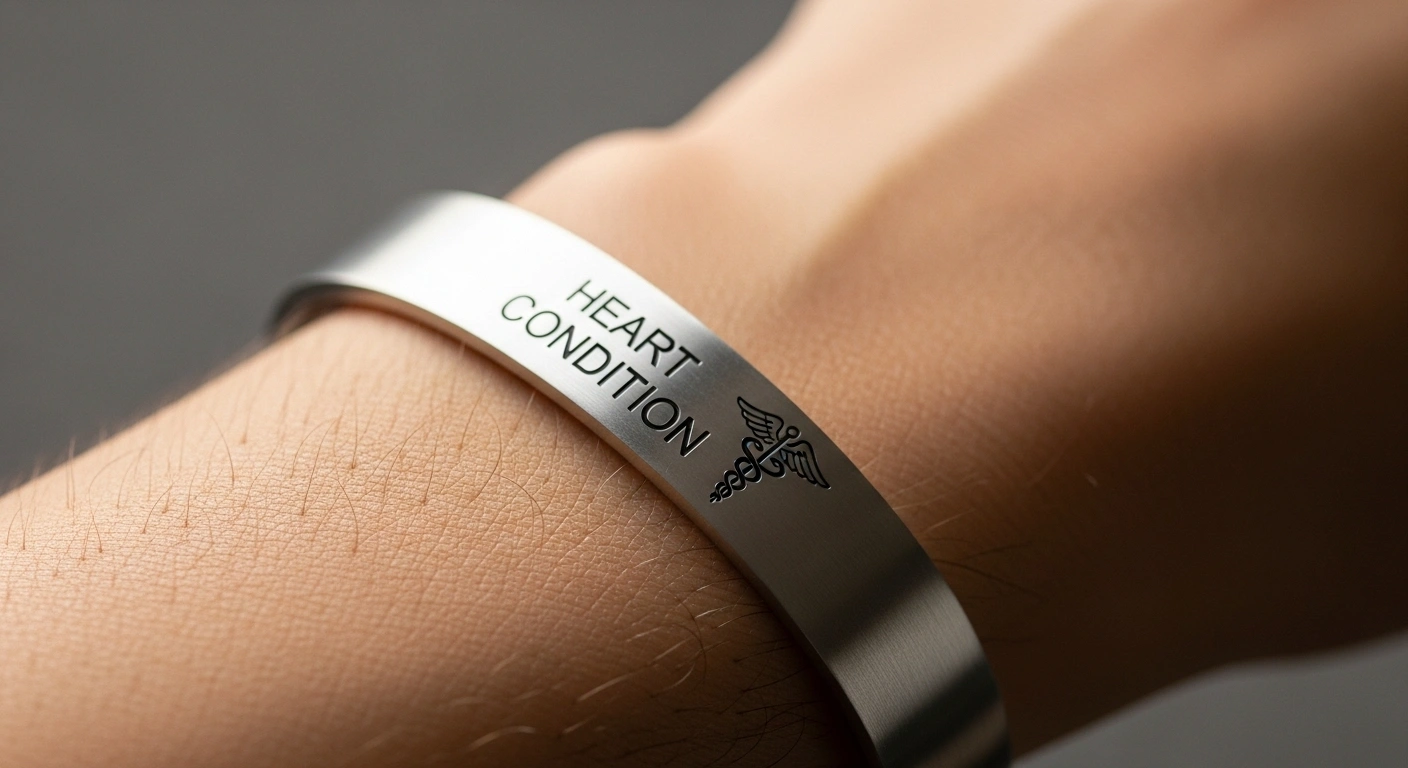
Lots of people wear a medical ID bracelet to provide essential health information to caregivers in an emergency.

But to be effective, your medical alert needs to have the right information. And if you’re new to the world of med alerts, this can be confusing — especially if you have more than one condition.
In this article, we’re going to take you through four common mistakes made with a medical bracelet or medical ID, so you can avoid them.
What’s a medical ID?
Let’s start by explaining what a medical ID actually is.
It’s a form of ID that you keep with you containing essential medical information like allergies or long-term health conditions and/or contact numbers.
In an emergency, your medic alert can help first responders deliver the right care to you and contact your loved ones to let them know what’s going on.
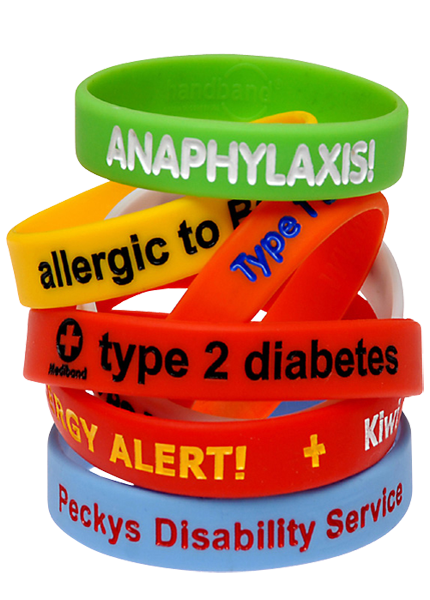
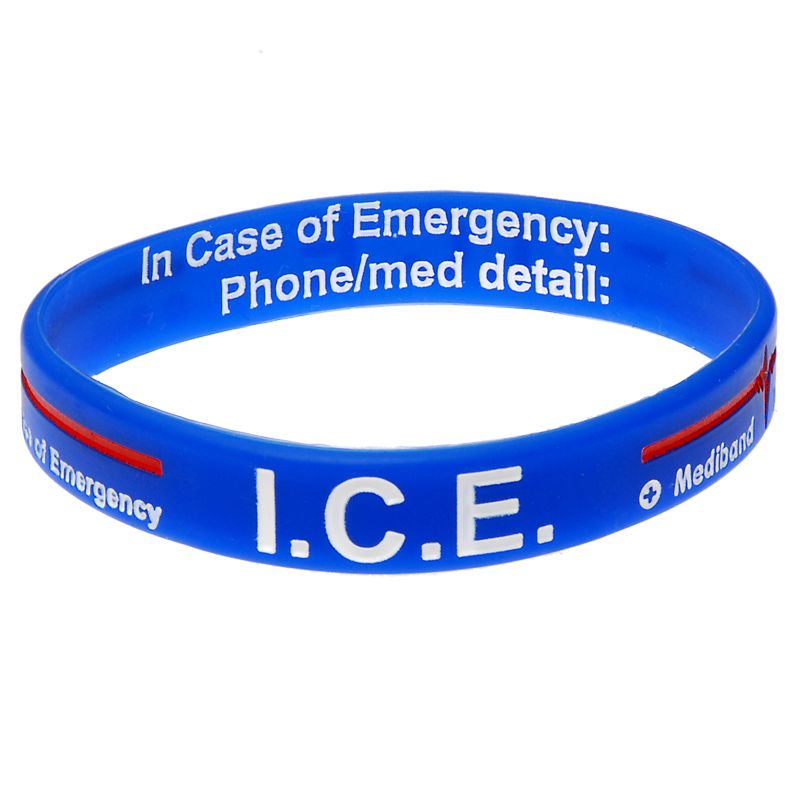
Some people opt for a comfortable, hard-wearing silicone bracelet, while others prefer to wear a necklace with their information included on a tag or pendant.
You can also get wallet cards, keychains and even seatbelt inserts for your car.
1. Too many abbreviations
We’ll start our common mistakes around medical ID by looking at abbreviations — including too many abbreviations, or ones that aren’t commonly recognised is a big mistake.
So what should you do? If you only have one medical condition to include, it’s a good idea to write its full name for clarity instead of abbreviating it.
Obviously, if you have multiple conditions, then you will need to save some space. In this case, it’s recommended to only abbreviate the more common condition or conditions and then to use recognised abbreviations.
That’s because if you have an emergency, it could be that the person who comes to your aid isn’t medically trained, so the information you provide should be as clear as possible.
Take a look at some of the most common medical abbreviations, which are often used on med alerts:
- Cancer - CA
- Congestive heart failure – CHF
- Chronic obstructive pulmonary disease – COPD
- Coronary heart disease – CHD
- Cystic fibrosis - CF
- Deep vein thrombosis - DVT
- Generalised anxiety disorder – GAD
- Insulin-dependent diabetes mellitus – IDDM
- Multiple sclerosis – MS
- Post-traumatic stress disorder – PTSD
You can check out our blog Most Common Medical Abbreviations for more ideas.
Shop Medical Alert Bracelets
Avoid the common mistakes — get a quality medical ID bracelet that first responders recognise and trust.

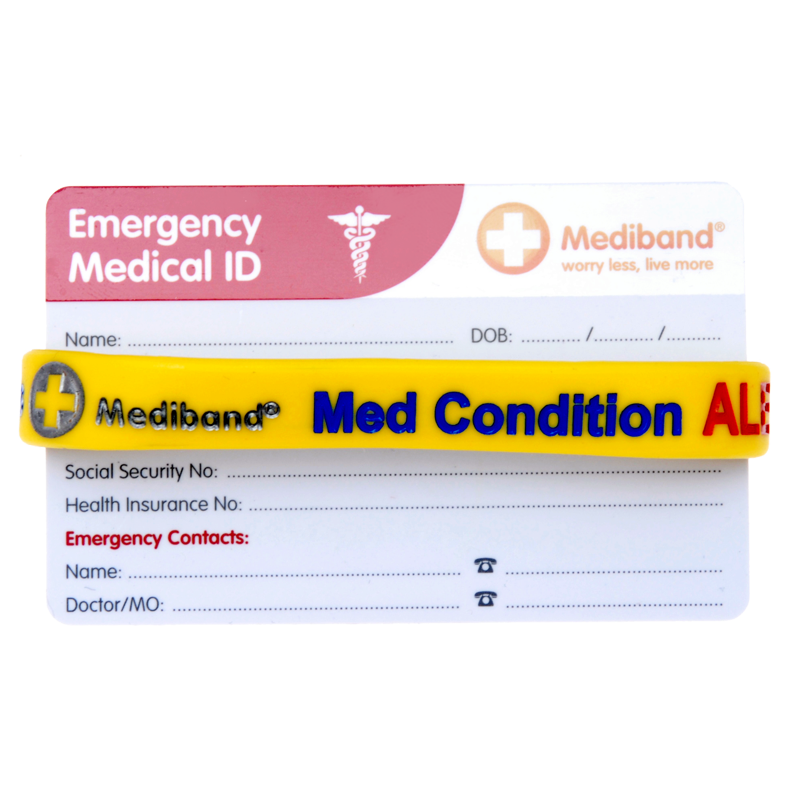
2. Are you taking medication or allergic to it?
Another common mistake is a lack of clarity around the names of medications.
For example, if you wear a bracelet that simply says “Penicillin” instead of “Penicillin allergy”, then this could cause confusion.
If you are taking penicillin — but are not allergic to it — you could consider wording such as “On penicillin” or “Needs penicillin” instead.
3. Communicating multiple conditions
Living with more than one health condition is not unusual. In fact, the Australian Institute of Health and Welfare reports that an estimated 20% of Australians — that’s around 4.9 million people — are living with two or more chronic conditions.

This can be challenging when you’re designing your medical ID. Including all your conditions and other relevant information can result in a med alert that’s hard to read and won’t necessarily help you in an emergency.
Instead, consider using some of the commonly recognised abbreviations, as we’ve described in Point 1.
You may also want to prioritise issues for inclusion. For example, any allergies could be included, while details of previous surgery may not be necessary if it doesn’t currently impact your health.
You could also consider getting a wallet card with more room to record your conditions.
4. Too much information
Finally, including too much information can make your medical ID look messy and confusing.
We recommend limiting the details to:
- Your name
- Your medical conditions (abbreviated if necessary)
- Any allergies
- Any medication you are taking
- Your emergency contact number
Having vital information to hand
The easiest way to overcome these common mistakes is to buy a pre-printed medical ID — or even design one yourself!
Here at MediBC, we specialise in both those options. We stock a full range of pre-printed medical bracelets and IDs covering a wide range of conditions.
And if you want to include multiple conditions or special information, we can help you design your customised medical ID.
Browse our collection or get in touch with us to know more — our products are designed to give you peace of mind so that if you have an emergency, that vital info is literally in hand!
Frequently Asked Questions
What are the most common mistakes people make with medical IDs?
The four most common mistakes are including too much information making it unreadable, not wearing the bracelet consistently, choosing a style that is not recognised as a medical ID by paramedics, and not updating the information when medications or conditions change. Each of these reduces the effectiveness of your medical ID.
What is the most important information on a medical ID?
Prioritise your primary condition, life-threatening allergies, critical medications, and one emergency contact number. Paramedics have seconds to read your bracelet — if it is overcrowded with non-essential information, they may miss the critical details. Use medical abbreviations where appropriate to save space.
How often should I update my medical ID bracelet?
Update your medical ID immediately after any change in medication, diagnosis, or emergency contacts. At minimum, review it every six months. Write-on reversible bracelets make updating easy — you can change the information yourself without ordering a new bracelet. Set a calendar reminder to check it regularly.
Should I wear my medical ID bracelet all the time?
Yes. Emergencies happen without warning — at home, at work, while exercising, even while sleeping. Paramedics check wrists first when a patient is unresponsive. If your bracelet is in a drawer, it cannot help you. Choose a comfortable style you can wear 24 hours a day, 7 days a week, including in the shower.
Do paramedics recognise all medical ID bracelets?
Australian paramedics are trained to recognise medical identification on the wrists and neck. Standard medical alert symbols such as the Star of Life and Rod of Asclepius increase recognition. Choose a bracelet from a reputable medical ID provider like Mediband rather than generic fashion jewellery that may not be checked.

Share on Facebook

Share on X

Share on Pinterest
Comment(s)
Recent Posts

The Risk Of Not Wearing An Allergy Medical Alert Bracelet
March 23, 2026