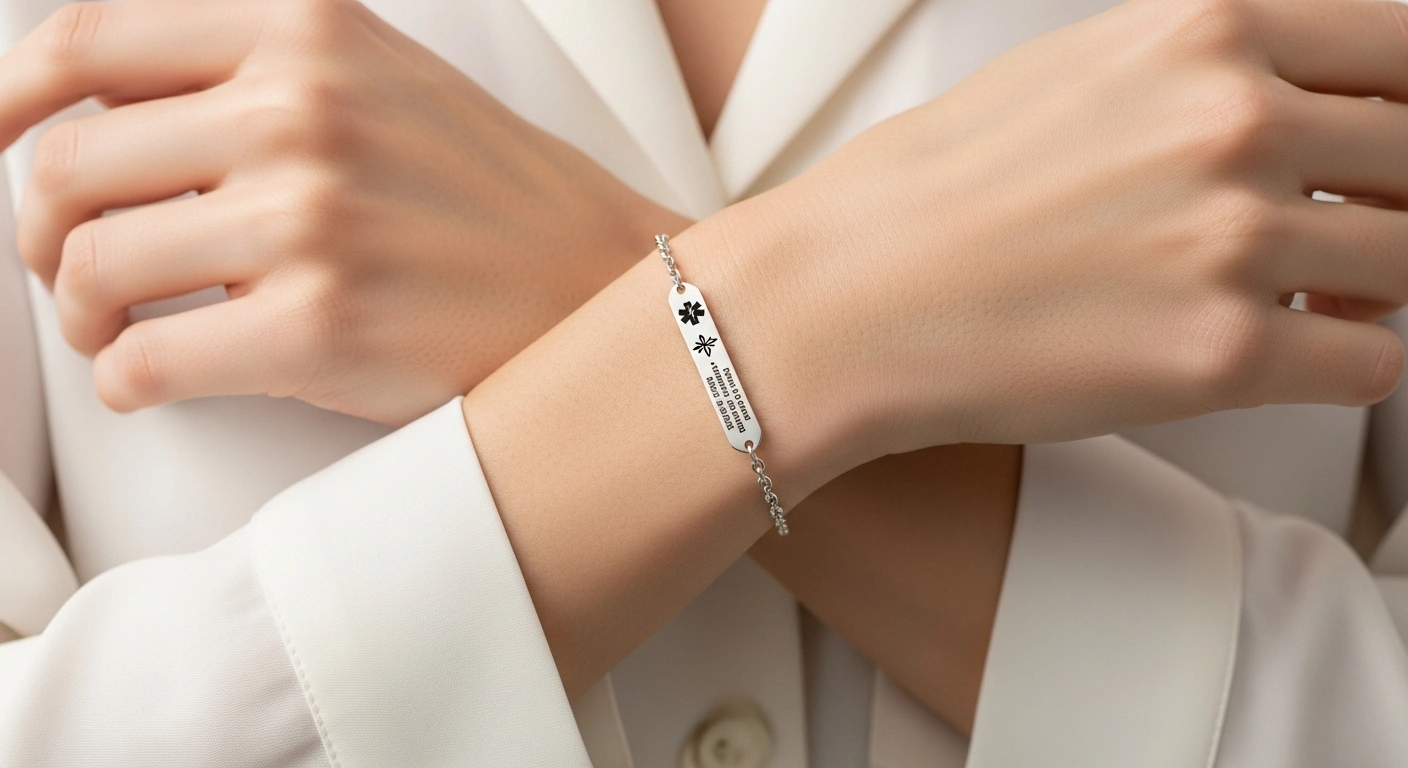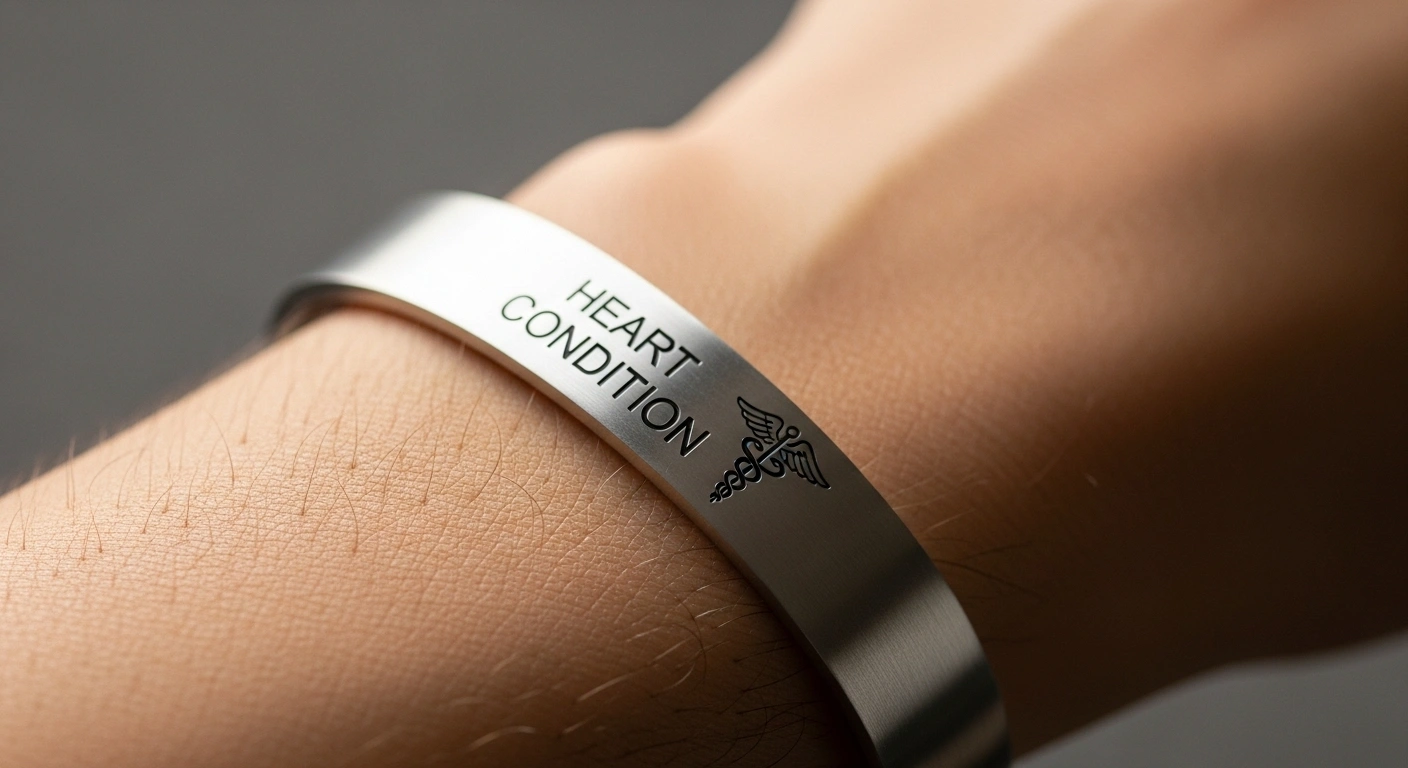
The Risk Of Not Wearing An Allergy Medical Alert Bracelet
March 23, 2026
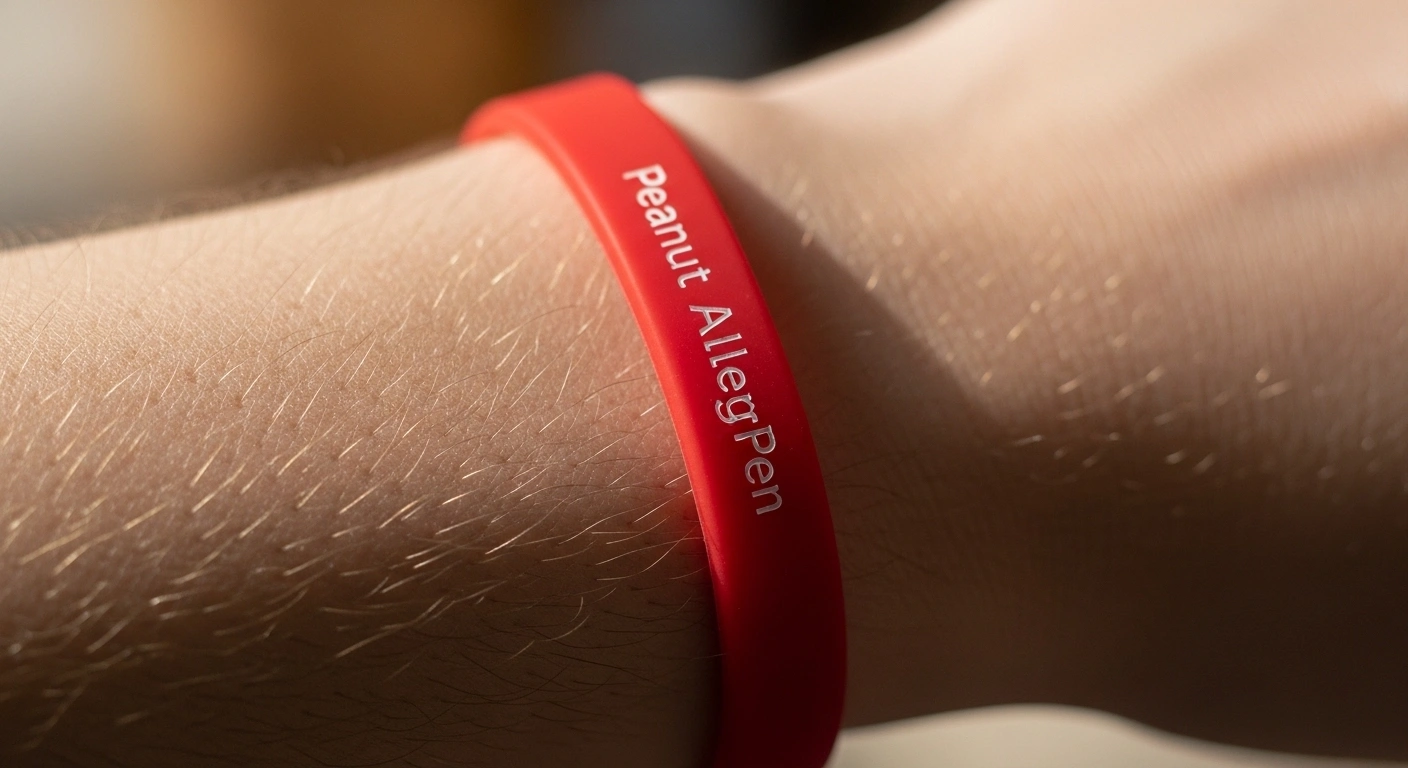
Not wearing an allergy medical alert bracelet during a severe allergic reaction can cost you your life. When anaphylaxis strikes, and you cannot speak, a bracelet on your wrist becomes the only voice you have. It tells first responders exactly what they are dealing with, what to administer, and what to avoid - within seconds. Without that information, emergency teams are left guessing, and in allergy emergencies, wrong guesses can turn fatal.
Every year, thousands of people with known severe allergies end up in emergency rooms - many of them alone, unconscious, or unable to communicate. The difference between a smooth, targeted response and a chaotic, delayed one often comes down to one small item: a medical ID on the wrist. Yet a surprising number of people with serious allergies still skip wearing one.
This article breaks down the real-world dangers of going without an allergy medical alert bracelet, what information it should carry, and why skipping it puts you at far greater risk than most people realize.
The Life-Threatening Nature of Severe Allergies
Allergies are not always just sneezing and watery eyes. For millions of people, a single exposure to the wrong food, medication, or insect sting can trigger anaphylaxis - a full-body allergic reaction that can shut down breathing and circulation within minutes. The body essentially goes into shock, and without immediate treatment, the outcome can be fatal.
What makes anaphylaxis so dangerous is how fast it moves. A person may go from feeling slightly uncomfortable to losing consciousness in a matter of minutes. In that window, they often cannot tell bystanders what is happening or what they need. If they are alone - at a gym, on a hiking trail, or at a work event - the people around them may have no idea what triggered the reaction or whether epinephrine is needed.
This is where the absence of a medical alert bracelet for allergies becomes a genuine medical risk. Without visible identification, even trained emergency responders have to start from scratch - running through possibilities rather than acting on confirmed information. That delay, even if measured in minutes, can change the outcome entirely.
The most common reasons a severe allergic reaction becomes fatal or causes serious harm include:
- Delayed or absent epinephrine administration - the single most preventable cause of anaphylaxis death
- Misidentification of symptoms - a reaction mistaken for a cardiac event, panic attack, or choking
- Administration of a medication the patient is allergic to - especially common when the patient cannot speak
- No emergency contact reached in time - leaving responders without a background medical history
Common Situations Where An Allergy Medical Alert Bracelet Could Save Lives
Allergic reactions do not happen only at home, where family members know your history. They happen in the most ordinary moments of daily life - and often in settings where no one around you has any idea about your medical background.
During Outdoor Activities (Sports, Hiking, Travel)
Outdoor settings come with a higher risk of exposure to allergens - insect stings, cross-contaminated trail mix, and unfamiliar local foods while traveling. When you are away from home, surrounded by strangers, possibly far from the nearest hospital, a medical alert bracelet or allergy ID becomes critically important. If you collapse during a trail run or at an international airport, paramedics responding to the scene will check your wrists and neck before anything else. That bracelet gives them an instant, actionable picture of your condition.
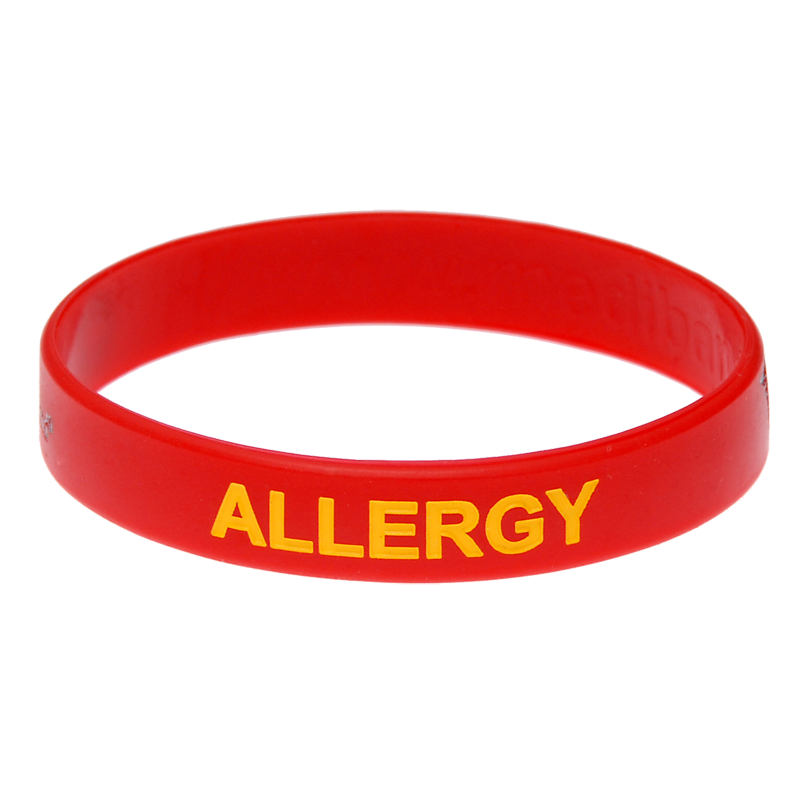
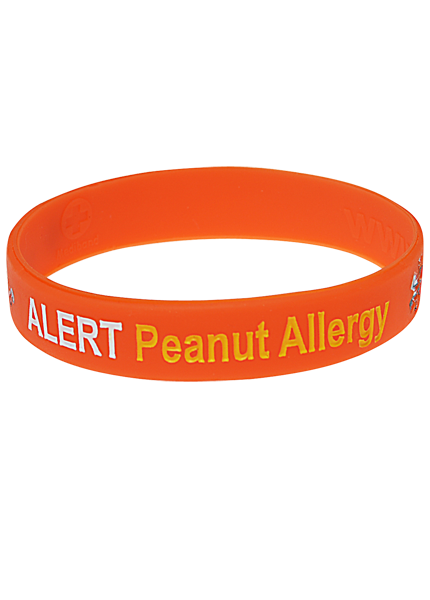
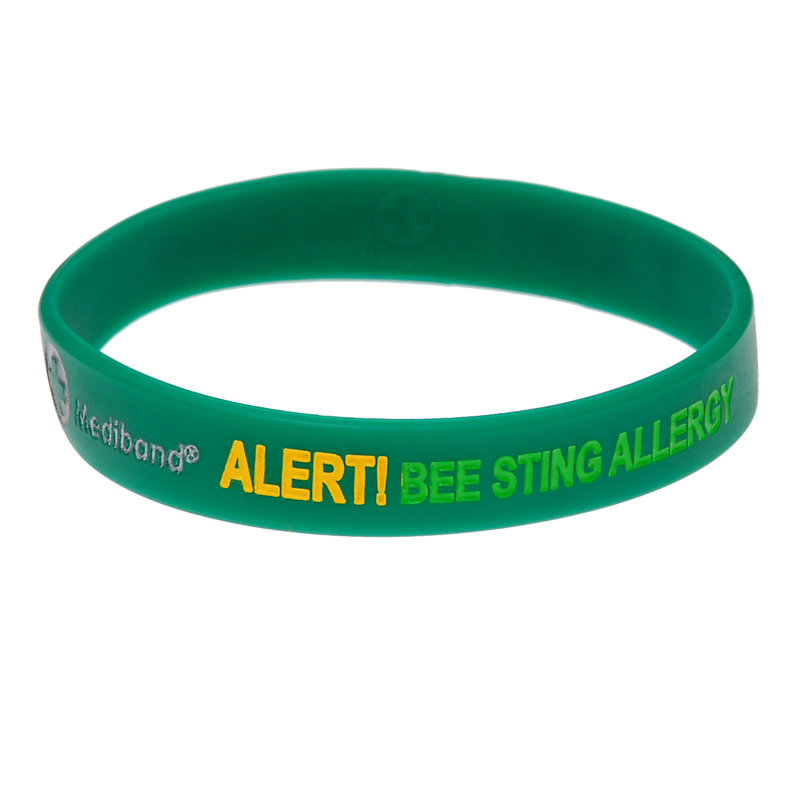
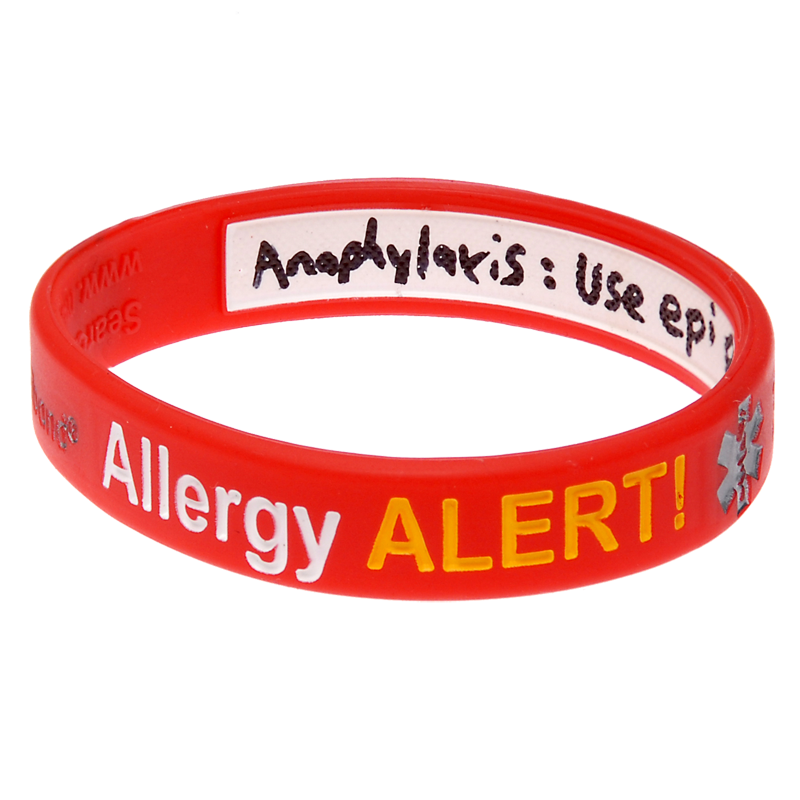
Shop Allergy Medical Alert Bracelets
Protect yourself from dangerous reactions — alert first responders to your allergies instantly.


In Public Spaces and Social Settings
Restaurants, parties, office events - these are high-exposure environments for people with food or medication allergies. Cross-contamination happens, ingredients are mislabeled, and well-meaning hosts do not always know the difference between a mild sensitivity and a life-threatening allergy. In a crowded restaurant where you are sitting with colleagues who do not know your medical history, a reaction can go wrong fast. Bystanders may call emergency services, but have nothing useful to tell them. A clearly engraved bracelet changes that dynamic entirely.
While Alone or In Emergency Situations
Being alone when a reaction hits is where the stakes are highest. If you lose consciousness with no one around who knows you, your medical alert bracelet allergy identification may be the only thing standing between appropriate treatment and a worst-case outcome.
Emergency responders are trained to look for medical ID jewelry - according to a survey by American Medical ID, more than 95 percent of emergency professionals check patients for a medical alert bracelet upon arrival. That information can directly determine what treatment is given and what medications are avoided.
The Risks Of Not Wearing An Allergy Medical Alert Bracelet
The decision to skip wearing a medical ID might feel like a minor one. In reality, it introduces a chain of serious risks that can compound quickly during an allergic emergency.
Increased Chance of Misdiagnosis
Anaphylaxis can look like other conditions. A severe allergic reaction with throat swelling and low blood pressure can be confused with a cardiac episode. A patient who is flushed, disoriented, and struggling to breathe may be assessed for causes that have nothing to do with allergen exposure. Without a medical alert bracelet for allergies, a responder has no immediate way to connect the symptoms to the true cause - and treatment may go entirely the wrong direction before anyone figures it out.
Delayed Emergency Care
Time is not a luxury during anaphylaxis. Every minute without epinephrine increases the severity of the reaction and narrows the treatment window. When paramedics arrive at a scene and have no identifying information, they spend critical minutes investigating rather than treating. Medical records from a regular hospital may take hours to retrieve, especially outside business hours. A bracelet solves this instantly - it hands over the most important clinical details the moment a first responder looks at it.
The Psychological Impact of Uncertainty
Not wearing an allergy ID does not just affect the emergency response - it affects everyday peace of mind. People with severe allergies often feel a background level of anxiety about what could happen if they have a reaction away from home.
Knowing that a bracelet is providing 24/7 identification brings a measurable sense of security. Without it, that uncertainty lingers - and for parents of children with severe allergies, the worry is even more pronounced. A child at school, on a field trip, or at a friend's house becomes far more vulnerable without visible medical identification.
What Information Should Be On Your Allergy Medical Alert Bracelet
A medical alert bracelet is only as useful as the information it carries. The goal is to give a first responder everything they need to make fast, correct decisions - in the smallest amount of readable text possible.
Type of Allergy (Food, Medication, Insect Stings)
The most important information is the specific allergen. Be precise - not just "food allergy" but "ALLERGIC: PEANUTS, TREE NUTS" or "ALLERGIC: PENICILLIN." Common allergy types to identify on a medical alert bracelet for allergies include:
- Food allergies - peanuts, shellfish, dairy, eggs, gluten
- Medication allergies - penicillin, aspirin, sulfa drugs, contrast dye
- Insect sting allergies - bee, wasp, or fire ant venom
If you carry an EpiPen, engrave that information too - the location of your pen (purse, bag, pocket) helps first responders locate it immediately. Note that even if a mild drug allergy or sensitivity does not require constant medical intervention, any allergy that could cause anaphylaxis warrants clear identification.
Emergency Contact Details
Include at least one emergency contact number - ideally a person who knows your allergy history and can provide additional details to medical staff. For children's medical alert bracelets, avoid putting the child's full name on the front for safety reasons. Generic contact labels like "Mom" or "Dad" with a phone number work well. For adults, a primary emergency contact name and number is sufficient.
Medication Instructions
If you take regular medications, especially ones that interact with common emergency drugs, that information needs to be visible. Medications like blood thinners, beta-blockers, or immunosuppressants can significantly affect how a severe allergic reaction should be treated. If engraving space is limited, a short note such as "SEE MEDICAL CARD" directs responders to a more detailed wallet card you carry alongside the bracelet.
The Consequences of Ignoring Allergy Medical Alert Bracelets
Beyond the immediate medical emergency, there are broader consequences to going without allergy identification that play out over time - in repeated incidents, strained relationships, and missed opportunities to protect yourself and educate the people around you.
Misunderstood Reactions and Delayed Help
When an allergic reaction occurs in a public space and no medical ID is present, bystanders frequently misinterpret what is happening. Throat swelling may look like choking. Hives and dizziness might be dismissed as heat exhaustion. A person going into anaphylactic shock can appear to be having a panic attack.
This misreading of symptoms leads to delayed calls for emergency help, wrong first aid responses, and critical time lost before appropriate intervention begins. A clearly visible medical alert bracelet allergy ID cuts through that confusion immediately.
Repeated Allergic Reactions Without Visible Identification
Some people who have already experienced a severe allergic reaction still do not take up wearing a medical ID afterward. The reasoning is often something like - it has not happened in years, or they feel they can manage it themselves.
But anaphylaxis is unpredictable. Re-exposure to an allergen can happen in unexpected ways, and the second reaction is not always milder than the first. In some cases, it can be more severe. Going unidentified in a second emergency is a risk that simply does not need to exist.
Failure to Educate Loved Ones and Bystanders
A medical alert bracelet for allergies does more than inform emergency responders - it starts conversations. When teachers, colleagues, coaches, and friends see a medical ID, it prompts them to ask questions and become aware of what to watch for.
That informal network of awareness can be just as lifesaving as an official emergency response. Without the bracelet, this education never happens. People around you remain unaware, and their ability to respond correctly when it counts is significantly reduced.
It is also worth noting that wearing a bracelet models responsible behavior - especially for children and teenagers with allergies. When young people see the people around them treating allergy safety seriously, they are more likely to carry their EpiPens, communicate their needs, and take their own safety protocols to heart.
What Research Tells Us About Medical Alert Jewelry
A peer-reviewed review published in the Emergency Medicine Journal (2017) examined 74 relevant studies and 32 commercial websites selling medical alert jewelry. The researchers found that while medical identification jewelry has real potential to convey vital information to emergency responders, the accuracy of the engraved information varies considerably - primarily because patients are responsible for choosing the wording themselves, with no mandatory physician review.
The study called for national guidance on which medical conditions specifically warrant medical ID use, as well as requirements for regular information reviews.
This research highlights an important point: the value of a medical alert bracelet allergy ID depends not just on wearing one, but on wearing one with accurate, up-to-date information. Consult your doctor about what to engrave. Review the information every year or whenever your medications or allergy profile change.
More Than Just Jewelry - A Life-Saving Tool
A medical alert bracelet for allergies is not just a piece of jewelry - it is a critical communication tool that works on your behalf when you cannot speak for yourself. It gives emergency responders the information they need to act fast, accurately, and confidently.
It gives the people in your life a starting point for understanding how to help you. And it gives you a level of protection that no app, phone, or wallet card can fully replace - because it is always visible, always accessible, and always present.
The risks of not wearing one are not theoretical. They play out in emergency rooms every day - in misdiagnoses, in delayed epinephrine doses, in family members who were never told. Wearing a clearly engraved, up-to-date medical alert bracelet with allergy identification is one of the simplest, most affordable steps anyone with a serious allergy can take. It costs very little. The protection it offers is incalculable.

Share on Facebook

Share on X

Share on Pinterest
Comment(s)
Recent Posts

The Risk Of Not Wearing An Allergy Medical Alert Bracelet
March 23, 2026