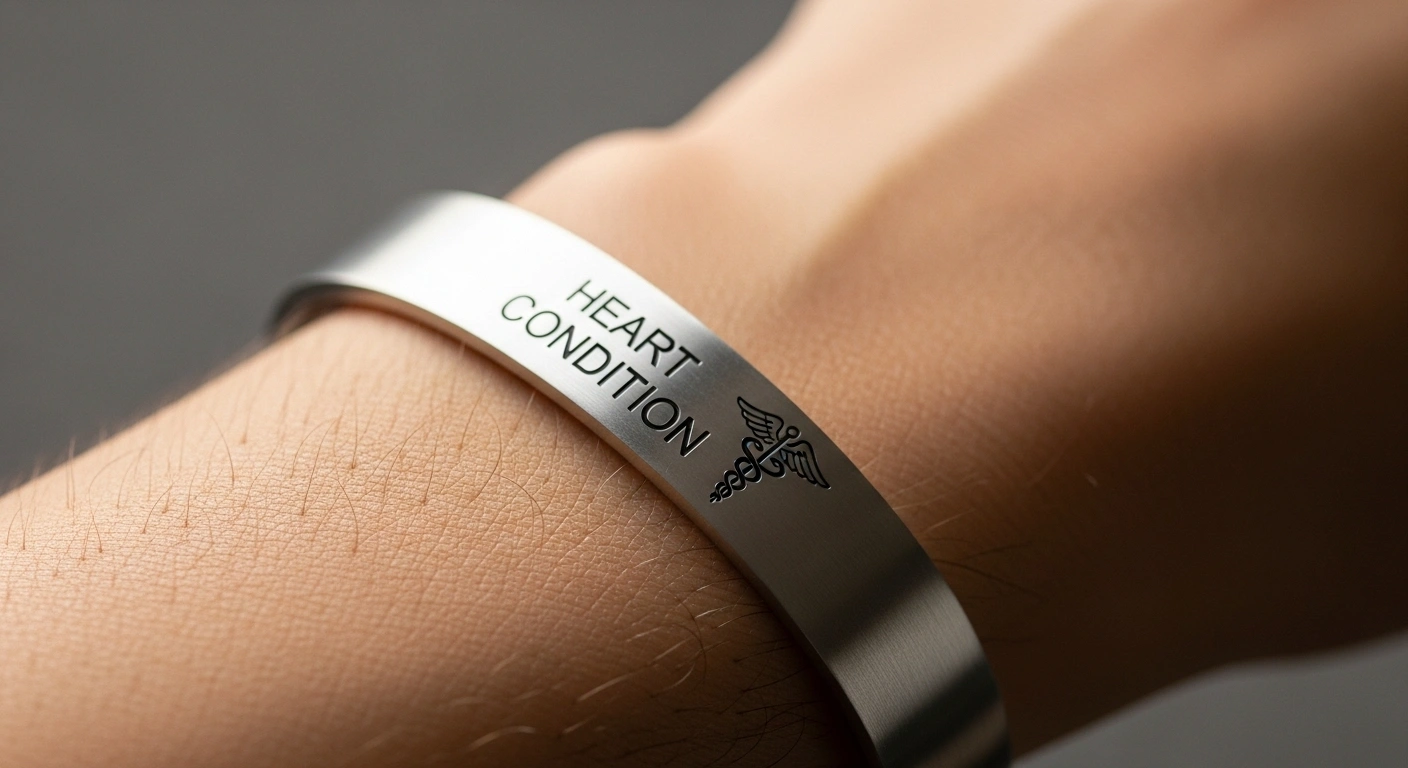
EpiPen Guide Australia: How to Use an EpiPen and Why You Need a Medical Alert Bracelet
April 17, 2024

Approximately 1 in 50 Australians will experience anaphylaxis in their lifetime, and the rate of hospital admissions for severe allergic reactions has more than doubled in the past two decades, according to the Australasian Society of Clinical Immunology and Allergy (ASCIA, 2024). For anyone at risk, carrying an EpiPen — and knowing exactly how to use it — can be the difference between life and death. But an EpiPen alone is not enough. Wearing an anaphylaxis medical alert bracelet ensures that people around you know to look for your EpiPen and act fast, even if you cannot speak.
This guide covers everything Australians need to know about EpiPens: what they are, when and how to use them, how to get one, what they cost on the PBS, and why pairing your EpiPen with a medical alert bracelet could save your life.
What Is an EpiPen and How Does It Work?
An EpiPen is a brand of adrenaline autoinjector — a pre-loaded device that delivers a single dose of epinephrine (adrenaline) into the outer thigh muscle. Epinephrine works within minutes to reverse the most dangerous symptoms of anaphylaxis: it opens the airways, raises blood pressure, reduces swelling, and slows the release of histamine throughout the body.
In Australia, two main brands of adrenaline autoinjectors are available:
- EpiPen (0.3 mg for adults and children over 20 kg) and EpiPen Jr (0.15 mg for children 7.5–20 kg)
- Anapen — an alternative autoinjector with a slightly different mechanism
Both devices are listed on the Pharmaceutical Benefits Scheme (PBS), making them more affordable for Australians with a prescription. As of 2025, the PBS-subsidised cost is approximately $7.30 with a concession card or $31.60 at the general rate per twin pack.
When Should You Use an EpiPen?
An EpiPen should be used at the first signs of anaphylaxis — a severe, rapidly progressing allergic reaction that can be fatal within minutes if untreated. According to ASCIA, you should administer an EpiPen immediately if the person shows any of the following symptoms:
Signs of Anaphylaxis
- Difficult or noisy breathing — wheezing, persistent cough, tightness in the throat
- Swelling of the tongue or throat — difficulty speaking or swallowing
- Dizziness, collapse, or loss of consciousness — caused by a sudden drop in blood pressure
- Pale and floppy appearance (in young children)
- Abdominal pain and vomiting — when combined with any of the above
Important: Do not wait to see if symptoms improve. Delayed use of an EpiPen is the most common factor in fatal anaphylaxis cases in Australia (ASCIA, 2024). If in doubt, use it — the risk of not using it far outweighs the risk of an unnecessary injection.
Common Anaphylaxis Triggers in Australia
The most common triggers for anaphylaxis in Australia include:
- Peanuts and tree nuts (the leading cause of fatal food anaphylaxis in Australia)
- Cow\u2019s milk and eggs (especially in young children)
- Shellfish and fish
- Insect stings (bees, wasps, jack jumper ants)
- Medications (antibiotics, NSAIDs, anaesthetics)
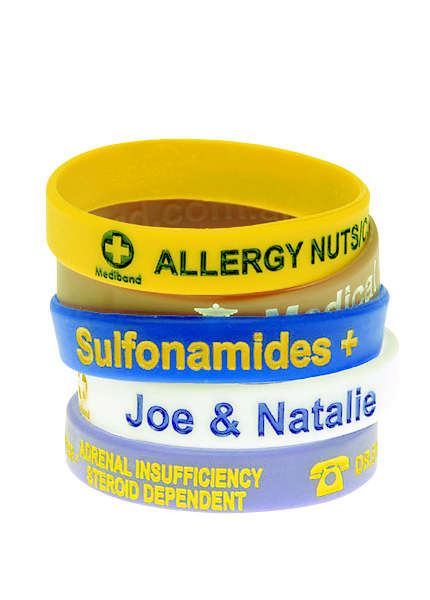
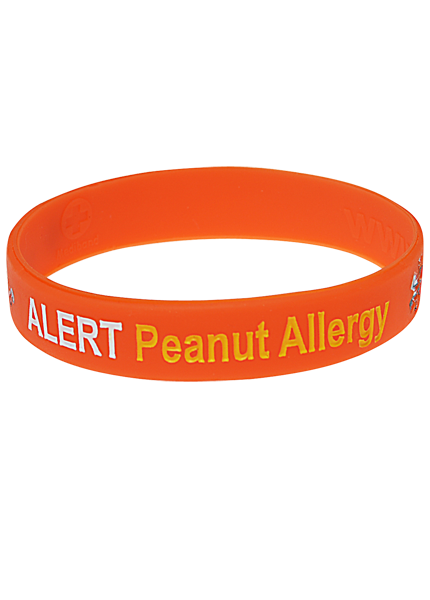
Shop Anaphylaxis & Allergy Alert Bracelets
Let first responders know you carry an EpiPen — before you need to use it.
How to Use an EpiPen: Step-by-Step Guide
Using an EpiPen correctly takes less than 10 seconds. Practise with a trainer pen so you can act confidently in a real emergency. Here are the steps recommended by ASCIA:
Step 1: Remove the Blue Safety Cap
Hold the EpiPen in your dominant hand with your thumb closest to the blue safety cap. Pull the blue cap straight off with your other hand. Do not touch the orange tip — this is where the needle emerges.
Step 2: Inject into the Outer Mid-Thigh
Place the orange tip firmly against the outer mid-thigh. You can inject through clothing — do not waste time removing trousers or jeans. Push down hard until you hear a click. This means the needle has deployed and the adrenaline is being delivered.
Step 3: Hold for 10 Seconds
Keep the EpiPen pressed firmly against the thigh for a full 10 seconds to ensure the complete dose is delivered. Then remove and massage the injection site for 10 seconds to help absorption.
Step 4: Call Triple Zero (000) Immediately
Always call an ambulance after using an EpiPen, even if symptoms improve. Anaphylaxis can return (biphasic reaction) — approximately 1 in 5 cases experience a second wave of symptoms within 1\u20138 hours. The person should be taken to hospital for observation, typically for at least 4 hours.
Step 5: Use a Second EpiPen If Needed
If symptoms do not improve within 5 minutes, administer a second EpiPen. This is why ASCIA recommends always carrying two EpiPens. Position the person lying down with legs elevated (unless they are having difficulty breathing, in which case sit them up).
Never use an adult EpiPen on a child under 20 kg — use the EpiPen Jr, which contains a lower dose appropriate for smaller bodies.
Why People with Anaphylaxis Should Wear a Medical Alert Bracelet
An EpiPen can save your life — but only if the people around you know you carry one and know how to use it. In many anaphylaxis emergencies, the affected person is unable to self-administer because they are confused, losing consciousness, or physically unable to reach their EpiPen.
A medical alert bracelet that says "Use EpiPen in Emergency" tells bystanders, teachers, colleagues, and paramedics exactly what to do — even before an ambulance arrives. This is especially critical for:
- Children at school or childcare — teachers and staff may not know about every child\u2019s allergy
- Travellers — local bystanders and foreign emergency services may not speak your language
- People who live or work alone — a colleague or stranger who finds you needs immediate guidance
- Elderly people — who may have multiple conditions and be unable to communicate clearly
How to Store and Replace Your EpiPen
Proper storage ensures your EpiPen works when you need it:
- Store at room temperature (15\u201325\u00b0C). Do not refrigerate.
- Keep away from direct sunlight and extreme heat — do not leave in a hot car.
- Check the viewing window regularly. If the liquid appears discoloured or contains particles, replace immediately.
- Note the expiry date and replace before it passes. Set a phone reminder 1 month before expiry.
- Always carry your EpiPens in the supplied carrier tube for protection.
How to Get an EpiPen in Australia
To obtain an EpiPen in Australia, you need a prescription from your GP, allergist, or immunologist. Your doctor will assess your allergy risk and create an ASCIA Action Plan \u2014 a personalised emergency plan that tells you and others exactly what to do during an allergic reaction.
Once you have a prescription, EpiPens are available from any Australian pharmacy. Under the PBS, a twin pack of EpiPens costs approximately $31.60 (general) or $7.30 (concession). Without PBS subsidy, the cost is significantly higher, so always ensure your prescription is current.
Frequently Asked Questions
How long does an EpiPen last after injection?
The effects of an EpiPen typically last 10\u201320 minutes. This is a temporary measure to buy time until emergency medical help arrives. Always call triple zero (000) immediately after use, as symptoms can return. Approximately 1 in 5 anaphylaxis cases experience a second reaction within hours.
Can you use an EpiPen on someone else?
Yes. If someone is experiencing anaphylaxis and cannot self-administer, you can and should use their EpiPen for them. Follow the same steps: remove the blue cap, press the orange end firmly into their outer mid-thigh, hold for 10 seconds, and call 000 immediately.
What happens if you use an expired EpiPen?
An expired EpiPen may still contain some active adrenaline and can be used in a genuine emergency if no in-date device is available. However, the potency decreases over time. ASCIA recommends always replacing EpiPens before their expiry date and checking the viewing window regularly for discolouration.
Do I need a medical alert bracelet if I carry an EpiPen?
Yes. Carrying an EpiPen is essential, but if you are unconscious or unable to communicate during anaphylaxis, bystanders may not know you have one. A medical alert bracelet that states your allergy and instructs others to use your EpiPen ensures faster treatment \u2014 even before paramedics arrive.
How much does an EpiPen cost in Australia?
With a PBS prescription, a twin pack of EpiPens costs approximately $31.60 at the general rate or $7.30 with a concession card (2025 prices). Without PBS subsidy, costs are significantly higher. See your GP for a prescription and ensure it stays current for PBS pricing.
Protect Yourself with an Anaphylaxis Medical Alert Bracelet
At Mediband, we\u2019ve been helping Australians with severe allergies stay safe since 2009. Don\u2019t rely on your EpiPen alone \u2014 make sure the people around you know about your allergy and how to help. Browse our range of allergy and anaphylaxis medical alert bracelets or contact us for advice on choosing the right bracelet for you or your child.

Share on Facebook

Share on X

Share on Pinterest
Comment(s)
Recent Posts
The Risk Of Not Wearing An Allergy Medical Alert Bracelet
March 23, 2026