A look at World Parkinson’s Day
April 14, 2023

World Parkinson’s Day 2023 takes place on 11 April.

In this article, we’re going to take a look at Parkinson’s disease in Australia, which currently affects more than 100,000 people.
We’ll also discover what support exists for those living with it and their family and carers.
About World Parkinson’s Day
The day is held on 11 April every year as part of Parkinson’s Awareness Month. The aim of both the day and month is to raise awareness of the disease.
The day and month are all about providing opportunities to learn more about the disease, the issues experienced by people living with it and how their lives can be improved through support groups, communities and other means.
People can take part in lots of different activities to achieve these goals, including:
- Raising funds for research into Parkinson’s disease through sponsored fitness or other challenges
- Attending online or in-person events to find out more about the disease
- Organising awareness sessions at work or in their community
- Volunteering with Parkinson’s-related charities
- Spreading the word on social media networks
What is Parkinson’s disease?
Parkinson’s disease is a progressive neurological condition. This means that it gets worse over time.
The average age at diagnosis is 65, although younger people can develop Parkinson’s disease too. This is called young-onset Parkinson’s.
It occurs because the brain can’t produce enough of the hormone dopamine to allow the proper control of movement, though we still don’t know why this happens in certain people.
The main symptoms of Parkinson’s disease are:
- Tremor (shaking movements)
- Slow movements
- Muscle rigidity
- Impaired coordination and balance
Other symptoms include:
- Difficulty speaking, chewing and swallowing
- Depression
- Memory issues
- Problems with urination or constipation
- Skin issues
Diagnosing Parkinson’s can be difficult as there are no specific lab tests like blood tests or scans for it.
Instead, a neurologist makes a diagnosis after examining a patient’s symptoms and history.
There’s no cure for Parkinson’s disease, but treatments are available to relieve symptoms and help people live life fully. These include:
- Medication to increase the level of dopamine in the brain. Levodopa is commonly used.
- Other medication to help with tremors and abnormal movements.
- Deep brain stimulation surgery to reduce tremors and abnormal movements. This involves putting electrodes into the area of the brain that is responsible for movement.
- Following a healthy diet that includes consuming plenty of fibre and water to help with gastrointestinal symptoms.
- Exercising to help with strength and balance.
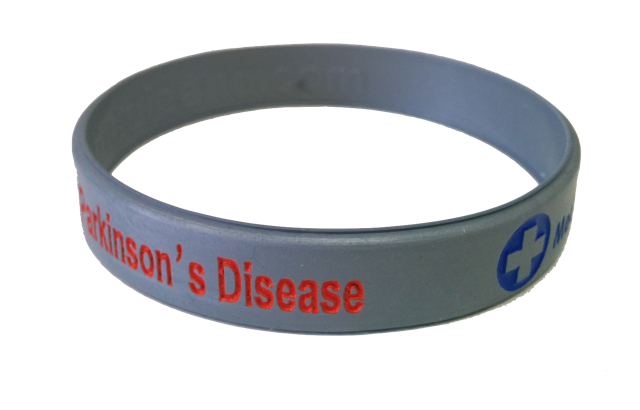
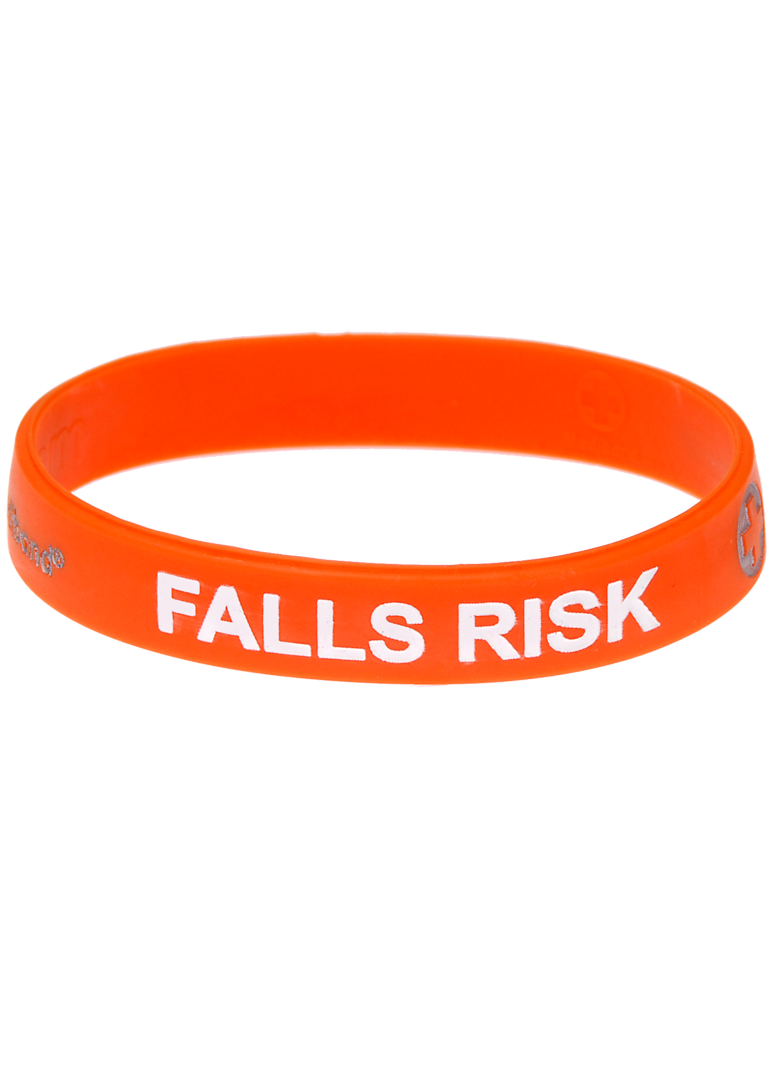
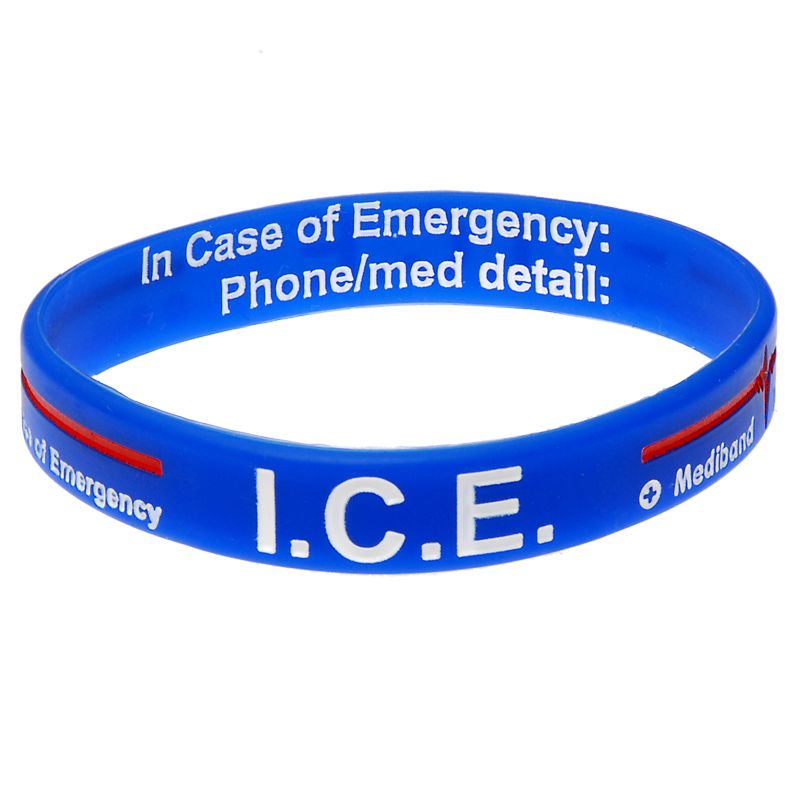
Shop Parkinson's Medical Alert Bracelets
Parkinson's can affect mobility and speech — a medical alert bracelet ensures you get the right help fast.
What support is available for people living with Parkinson’s?

If you or a loved one are living with Parkinson’s disease, lots of support is available. This includes:
- Peer support groups, which offer the chance to share information, find out about new developments in treatment and discuss your experiences
- Health events and seminars that can put you in touch with healthcare professionals who specialise in Parkinson’s and offer you information on treatment and living with the disease
- Your GP, whom you can talk to about receiving physiotherapy, occupational therapy and speech and language therapy to help with some of the symptoms
- Your GP can also put you in touch with a specialist counsellor or psychologist to talk through how it has affected you emotionally
The Parkinson’s Australia info line can signpost you to more types of support.
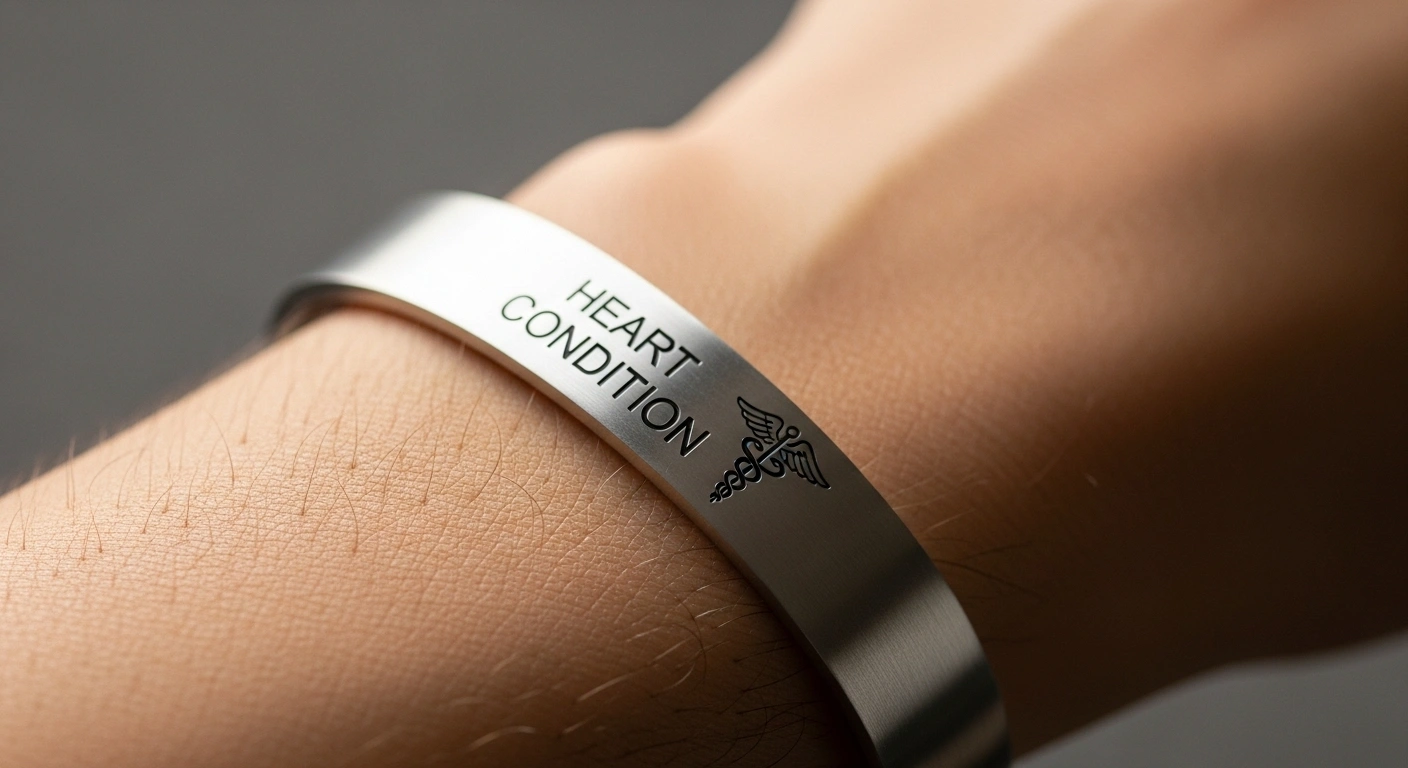
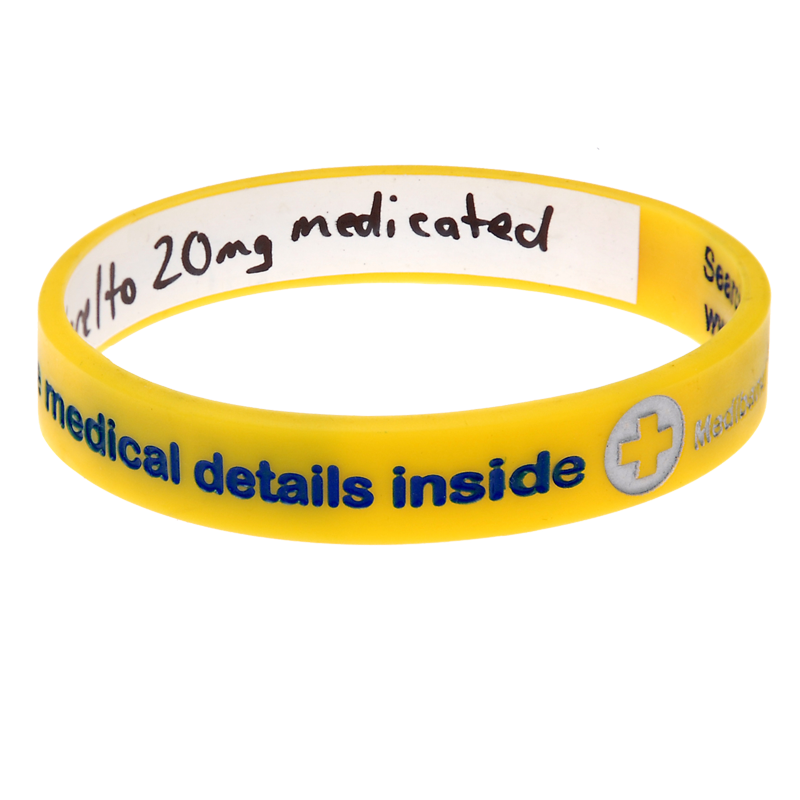
You may also find wearing a medic alert that details your condition useful. A medical alert is a bracelet, necklace or other portable item that has space to write or print any combination of:
- The name of your condition.
- Details of your medication.
- Contact info of loved ones.
You may wish to choose a pre-printed Parkinson’s disease medical ID, or you could opt for a plain wristband that allows you to add details yourself.
The idea is that if you have a health emergency, med alerts and IDs can give vital information to those attending to you, ensuring that you receive appropriate care.
There are alternatives to bracelets, too — you could opt for a necklace or a wallet card instead.
Show your support for World Parkinson’s Day
Without a doubt, Parkinson’s is a serious condition that impacts the lives of those who have it and their nearest and dearest.
But there are lots of things you can do this World Parkinson’s Day to help raise awareness and find out more about the disease.
If you’re interested in getting a medical ID for yourself or a loved one living with Parkinson’s, be sure to check out our online shop.
We have many ideas for wristbands, necklaces and other ID items suitable for people with Parkinson’s disease.
Just by purchasing one of our medic alerts, you can do your bit to support this World Parkinson’s Day on 11 April…so take a look at our range without delay!
Frequently Asked Questions
What is World Parkinson's Day?
World Parkinson's Day is observed on April 11 each year, the birthday of James Parkinson who first described the condition in 1817. The day raises global awareness about Parkinson's disease, promotes research funding, and supports the millions of people living with the condition worldwide. In Australia, Shake It Up Australia Foundation leads local campaigns.
How common is Parkinson's disease in Australia?
According to Parkinson's Australia, over 100,000 Australians live with Parkinson's disease, and approximately 38 new cases are diagnosed every day. It is the second most common neurological condition after dementia. While most commonly diagnosed after age 65, approximately 20 percent of cases are diagnosed in people under 50.
Why should someone with Parkinson's wear a medical alert bracelet?
Parkinson's can cause freezing episodes, falls, difficulty speaking, and confusion — all of which may be misinterpreted by bystanders or emergency responders. A medical alert bracelet identifies your condition immediately, lists your medications, and prevents paramedics from misdiagnosing your symptoms as intoxication or stroke.
What should I put on a Parkinson's medical alert bracelet?
Include Parkinson's Disease, your current medications such as levodopa or carbidopa, any drug allergies, whether you have a deep brain stimulator implant, your neurologist name, and an emergency contact number. If you experience freezing episodes, noting this can help bystanders understand what is happening.
What are the early signs of Parkinson's disease?
Early signs include a slight tremor in one hand, stiffness or slowness of movement, smaller handwriting, reduced facial expression, a soft or hoarse voice, and difficulty with balance. If you notice any of these changes, consult your GP for assessment. Early diagnosis and treatment can significantly improve quality of life.

Share on Facebook

Share on X

Share on Pinterest
Comment(s)
Recent Posts

The Risk Of Not Wearing An Allergy Medical Alert Bracelet
March 23, 2026