Returning to Work with a Chronic Condition: 7 Tips for a Safe Transition
July 14, 2020

Why Returning to Work with a Chronic Condition Requires a Plan
More than 1 in 3 workers globally lives with at least one chronic health condition, according to the World Health Organization (2022). Yet most workplaces are designed for people who are completely well. When you return to work after managing a chronic condition — whether following a flare, a hospitalisation, or an extended period of recovery — the transition demands careful thought. The stakes are real: pushing too hard, too soon, or without the right accommodations can set back progress that took months to achieve.
The good news is that a structured approach makes returning to work with a chronic condition far more manageable. These seven evidence-backed tips will help you plan your return, advocate for yourself, and stay safe throughout the process.
1. Get Medical Clearance Before You Return
The most important first step is a formal conversation with your treating doctor or specialist. Do not rely on a general sense of feeling “well enough.” Ask specific questions: Are my current medications compatible with my job duties? Are there tasks I should avoid? Do I need any adjustments to my work environment?
Request written documentation of any restrictions or recommendations. This protects both you and your employer and forms the foundation for a workplace adjustment plan. For conditions such as diabetes, epilepsy, heart disease, or severe allergies, your doctor may also recommend that colleagues be made aware of your needs in case of a medical event.
2. Have an Honest Conversation with Your Employer
You are not obligated to disclose every detail of your health history. However, sharing enough information to secure necessary accommodations is in your interest. Many jurisdictions have legal protections that require employers to make reasonable adjustments for workers with chronic conditions — but only if you make the request.
What to Ask For
Consider requesting:
- Flexible start and finish times to accommodate medical appointments
- A phased return with reduced hours initially
- A quiet space for medication, rest, or medical equipment
- Reduced physical demands during recovery periods
- Remote work options on high-symptom days
Frame these as practical needs that will support your productivity, not as special treatment.
3. Plan a Phased or Gradual Return
Research published in the Journal of Occupational Rehabilitation (2021) found that graduated return-to-work programs reduce re-hospitalisation rates by up to 40% in workers with chronic conditions. A phased return might mean starting at 50% hours for two weeks, then increasing to full-time over the following month.
Build in review checkpoints — weekly or fortnightly — where you assess how your body is responding. Fatigue, increased symptom frequency, and mood changes are all signs that the pace needs adjustment.
4. Manage Your Energy Like a Resource
Many chronic conditions cause fatigue that is disproportionate to the level of activity. This means the “boom and bust” cycle — working intensely on good days and crashing on bad ones — is particularly harmful. Instead, aim for consistent pacing.
Practical Energy Management Strategies
- Prioritise tasks by urgency and impact at the start of each day
- Use short breaks (5–10 minutes every 90 minutes) to reset mentally and physically
- Batch meetings to preserve uninterrupted blocks for deep work
- Avoid skipping meals or medication doses due to work pressure
5. Create a Workplace Emergency Plan
For conditions that carry any risk of a sudden medical event — anaphylaxis, seizures, hypoglycaemia, cardiac events, or severe asthma attacks — your workplace should know how to respond. This means more than just calling an ambulance.
Work with your employer to create a simple one-page emergency action plan that lives with your HR file and a trusted colleague. It should include your condition, warning signs, immediate steps (e.g. administer EpiPen, call 000), and your emergency contact details.
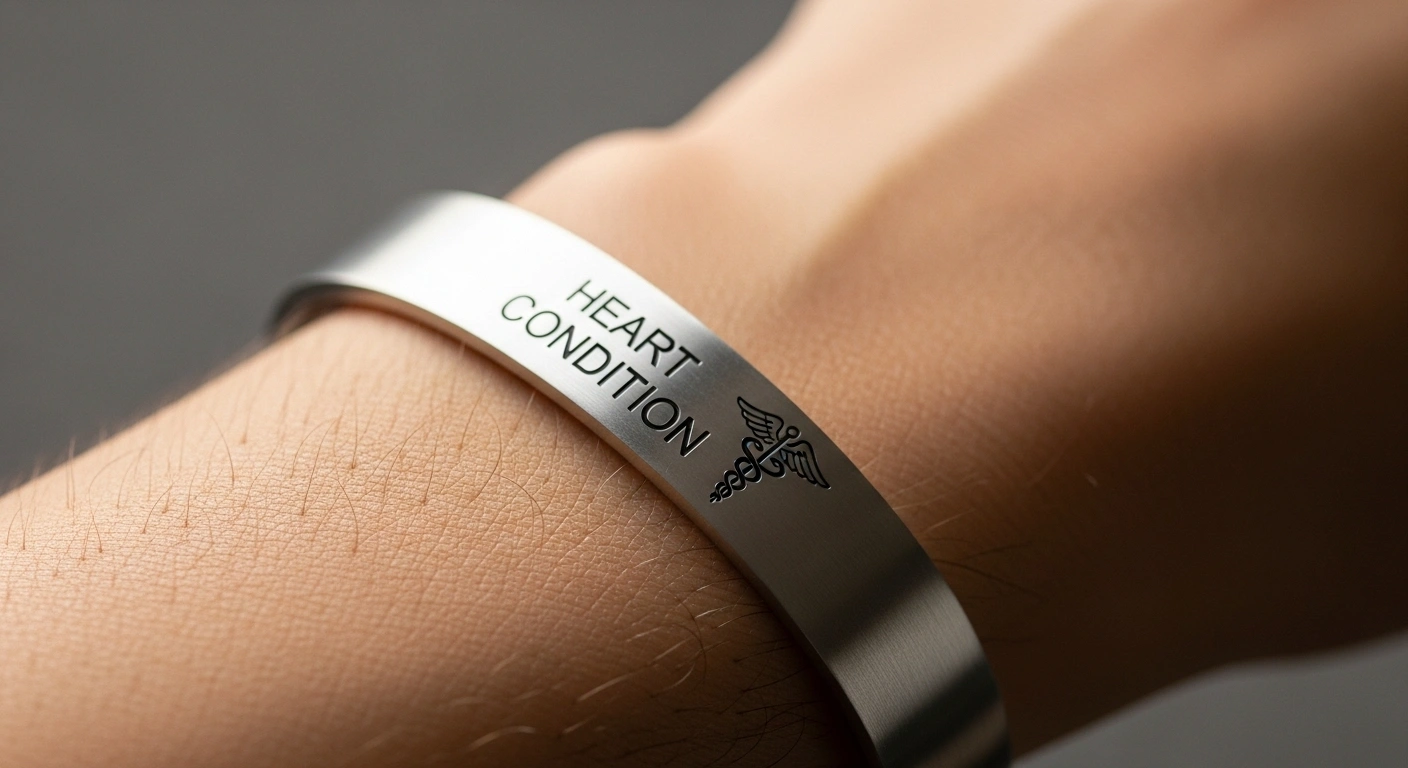
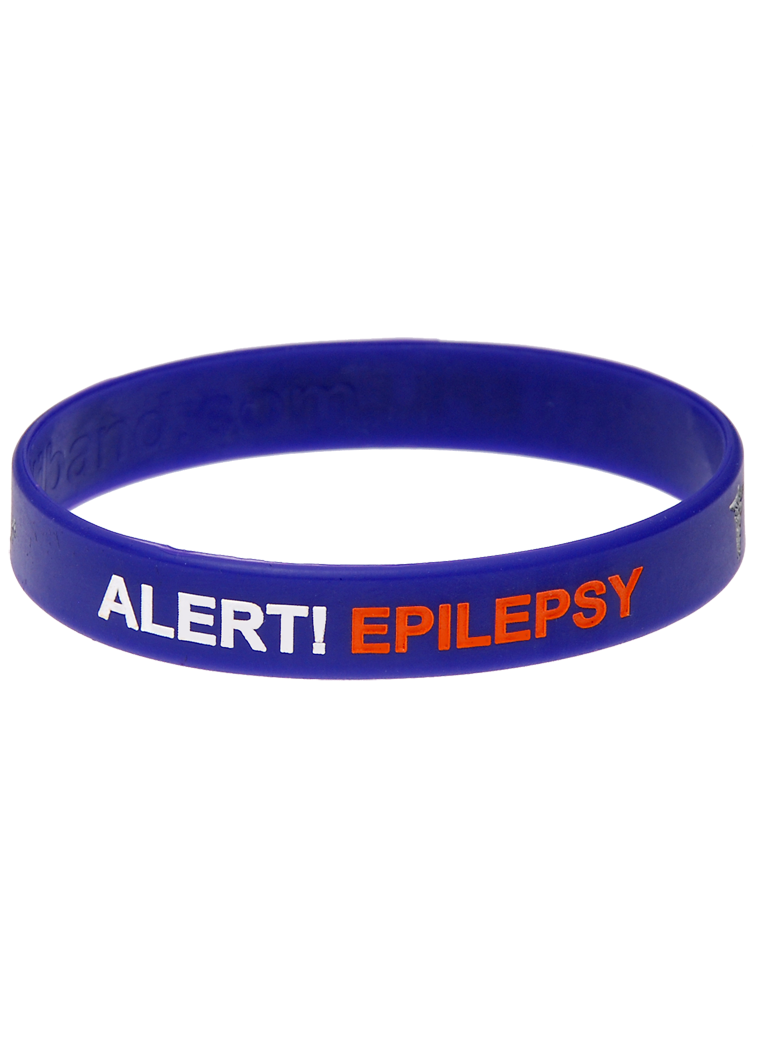
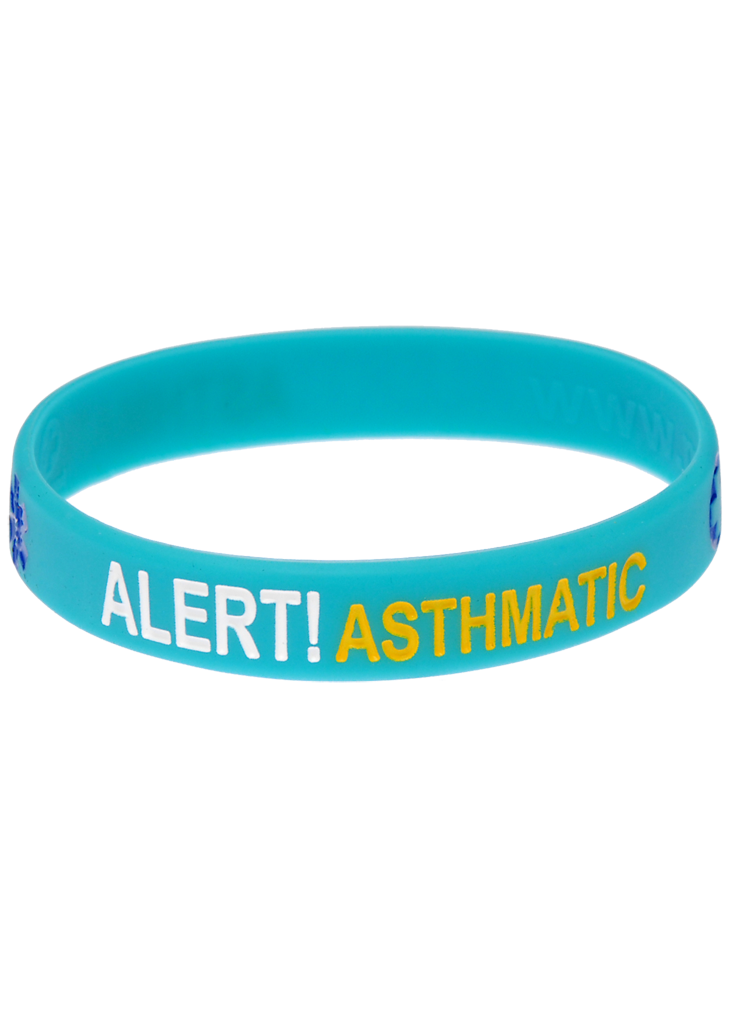
A medical alert bracelet is equally important. Emergency responders are trained to check the wrist first. A bracelet displaying your condition and key medications can be the difference between appropriate and inappropriate treatment in a crisis — especially if you are unable to speak.
6. Maintain Your Health Appointments Without Guilt
Returning to work can create pressure to prove yourself by being always available. Resist the urge to cancel or delay medical appointments. The Global Burden of Disease Study (2019) found that missed follow-up appointments are one of the top contributors to chronic condition deterioration in working-age adults.
Schedule appointments at the edges of the workday where possible. Keep a log of symptoms between appointments so you can give your care team accurate information rather than relying on memory.
7. Build a Support Network at Work
You do not need to manage this alone. Identify one or two trusted colleagues who know the basics of your condition and what to do if you need help. This does not require a full disclosure — a brief conversation explaining that you have a health condition and that they should call emergency services if you become unresponsive is sufficient.
Employee Assistance Programs (EAPs), workplace counsellors, and chronic condition support groups are also valuable resources. Many conditions — including diabetes, epilepsy, and heart disease — have peer support communities that offer practical advice from people who have navigated a return to work successfully.
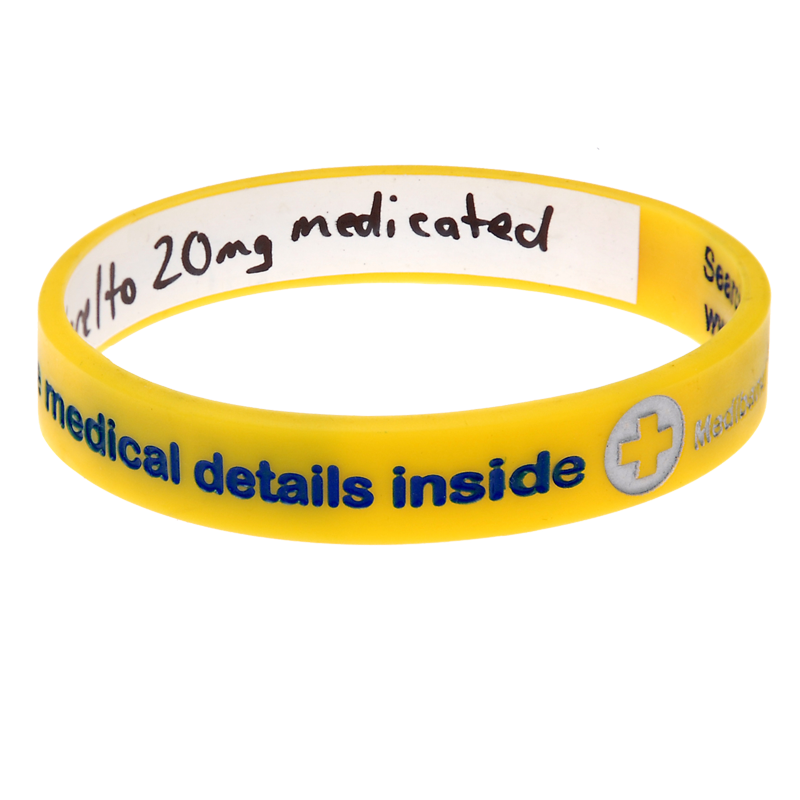
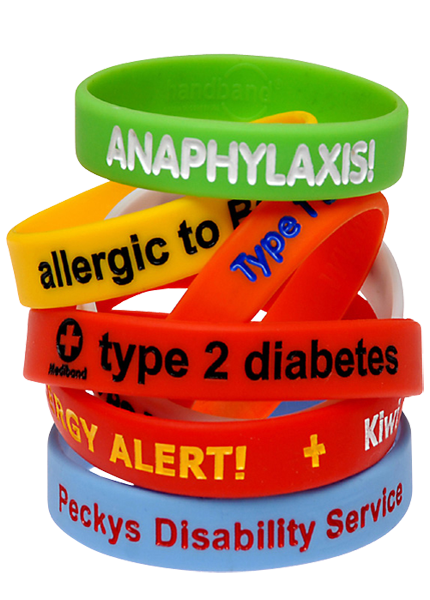
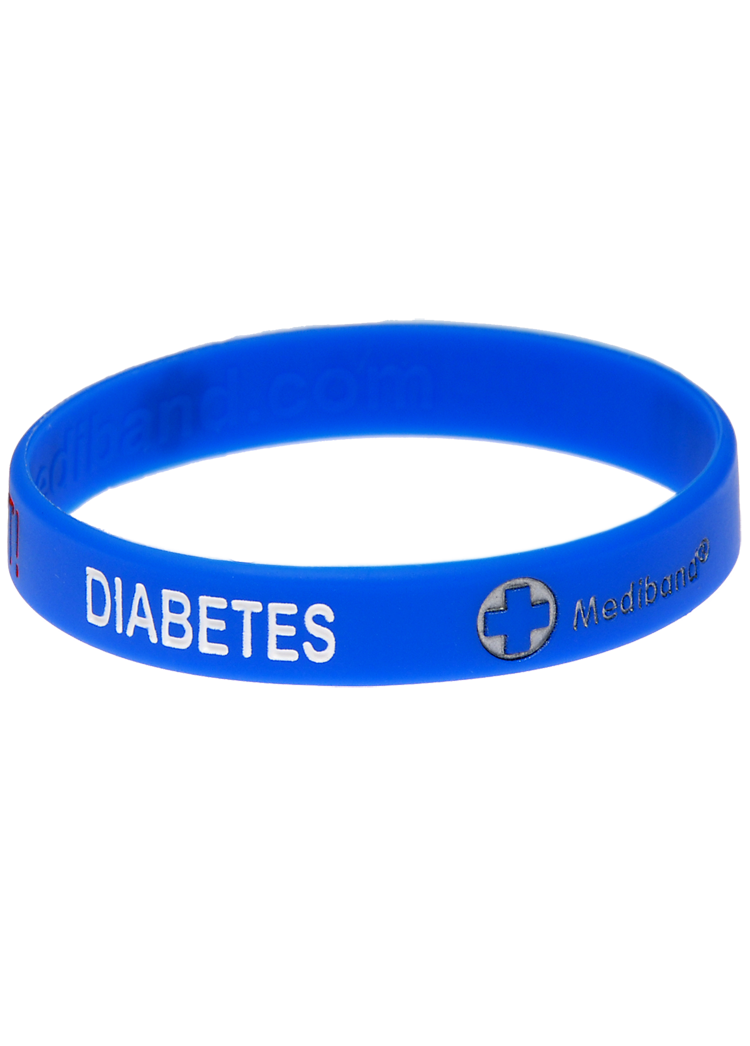
Stay Protected at Work with a Medical ID Bracelet
Ensure your colleagues and first responders know your condition.

Your Return-to-Work Success Starts with Safety
Returning to work with a chronic condition is achievable with the right planning. The combination of medical guidance, honest employer communication, a phased schedule, energy management, and a solid emergency plan gives you the best possible foundation. Make sure your medical ID bracelet is part of that plan — it is a simple, visible way to ensure that if anything goes wrong at work, the people around you are equipped to help quickly and correctly.
Explore our full range of medical alert bracelets designed for daily professional wear, or browse our write-on options if your condition or medications change frequently.
Frequently Asked Questions
Do I have to tell my employer about my chronic condition?
You are not legally required to disclose your specific diagnosis in most countries. However, you may need to share enough information to request reasonable workplace adjustments. Disclosing strategically and with documentation from your doctor protects your rights and helps your employer support you appropriately.
How do I know if I am ready to return to work with a chronic condition?
Medical clearance from your treating doctor is the essential baseline. Beyond that, look for stable symptom management, the ability to sustain activity for several hours without significant fatigue, and a plan for managing medication and appointments during work hours. A phased return is almost always safer than a full immediate return.
What should a medical alert bracelet say for workplace safety?
At minimum, your medical alert bracelet should include your primary condition, any critical medications or allergies, and a note to call emergency services. For conditions like epilepsy, it can also specify what NOT to do during a seizure. Keep the information concise so responders can read it quickly under pressure.
Can my employer reduce my hours permanently because of a chronic condition?
In most jurisdictions, reducing hours permanently without your agreement would constitute unlawful discrimination if the reduction is based solely on your health condition. Employers are generally required to make reasonable accommodations first. Consult your local employment authority or a workplace rights organisation if you believe your rights have been breached.

Share on Facebook

Share on X

Share on Pinterest
Comment(s)
Recent Posts

The Risk Of Not Wearing An Allergy Medical Alert Bracelet
March 23, 2026