
7 Evidence-Based Health Benefits of Mindfulness for People with Chronic Conditions
July 14, 2020

The Science Behind Mindfulness and Chronic Illness
A landmark meta-analysis published in JAMA Internal Medicine (2014) reviewed 47 clinical trials involving over 3,500 participants and concluded that mindfulness meditation programmes produce moderate improvements in anxiety, depression, and pain in people with chronic conditions. That is not anecdotal wellness culture — it is replicated, peer-reviewed evidence. For the growing number of people managing long-term conditions like diabetes, heart disease, autoimmune disorders, or chronic pain, mindfulness is emerging as a legitimate complement to conventional treatment.
Here are seven evidence-based health benefits of mindfulness that are especially relevant for people living with chronic illness.
1. Mindfulness Measurably Reduces Stress Hormones
Chronic stress elevates cortisol, which worsens inflammation — a key driver of conditions like rheumatoid arthritis, Crohn’s disease, and cardiovascular disease. Research from Carnegie Mellon University (2013) demonstrated that mindfulness training reduces cortisol levels and inflammatory markers in participants under stress. For people whose conditions are inflammation-mediated, this is clinically meaningful.
Even a brief daily practice — as little as 10 minutes of focused breathing — activates the parasympathetic nervous system, shifting the body out of the “fight or flight” state and reducing the hormonal cascade that drives inflammation.
2. It Improves Pain Tolerance and Management
Mindfulness does not eliminate pain, but it changes your relationship to it. Neuroscientists at Wake Forest University used brain imaging to show that mindfulness practice reduces pain unpleasantness by up to 57%, even when the physical sensation remains present. The mechanism involves reduced activity in the prefrontal cortex areas associated with pain anticipation and catastrophising.
For people managing fibromyalgia, chronic back pain, or neuropathy, this cognitive reframing of pain can meaningfully improve quality of life without additional medication.
3. Mindfulness Supports Better Blood Sugar Control
Stress directly affects blood glucose levels by triggering the release of glucagon and adrenaline, which raise blood sugar. A study in Diabetes Care (2012) found that participants with type 2 diabetes who completed an eight-week Mindfulness-Based Stress Reduction (MBSR) programme showed significant reductions in HbA1c levels compared to controls.
Practical Applications for Diabetics
Mindful eating — slowing down, paying attention to hunger and satiety cues, and reducing distraction during meals — has been shown to reduce overeating and improve glycaemic outcomes in people with type 2 diabetes. Combined with a diabetes medical alert bracelet for safety, mindfulness becomes part of a comprehensive self-management strategy.
4. It Reduces Anxiety and Depression Co-Morbidities
Up to 30% of people with a chronic physical condition also experience clinical depression or anxiety disorder, according to the World Health Organization. These conditions compound each other — poor mental health worsens chronic disease outcomes, and chronic disease exacerbates psychological distress.
Mindfulness-Based Cognitive Therapy (MBCT) is now recommended in clinical guidelines for recurrent depression in several countries, including the UK’s NHS. It teaches people to observe negative thought patterns without being consumed by them — a skill that is especially valuable when managing the uncertainty and loss of control that comes with chronic illness.
5. Mindfulness Improves Sleep Quality
Poor sleep is both a symptom and an amplifier of many chronic conditions. Insomnia worsens pain sensitivity, immune function, mood, and metabolic control. A 2015 randomised controlled trial in JAMA Internal Medicine found that mindfulness meditation significantly improved sleep quality in older adults compared to a sleep hygiene education programme.
How Mindfulness Supports Sleep
- Reduces the mental hyperarousal that prevents sleep onset
- Decreases cortisol levels in the evening
- Builds awareness of sleep-disruptive habits
- Improves overall emotional regulation, reducing night-time rumination
6. It Enhances Immune Function
Research from the University of Wisconsin (2003) found that an eight-week mindfulness programme produced measurably higher antibody responses to influenza vaccination compared to a waitlist control. For people with compromised immune systems due to autoimmune conditions or immunosuppressive medications, building immune resilience through lifestyle practices is particularly valuable.
7. Mindfulness Increases Treatment Adherence
One of the most underappreciated benefits is its effect on adherence to medical treatment. Mindfulness trains attention and self-awareness, which correlates with better medication compliance, more consistent monitoring of health metrics, and increased engagement in healthcare appointments. A review in Patient Preference and Adherence (2019) found that mindfulness-based interventions improved medication adherence across multiple chronic conditions.
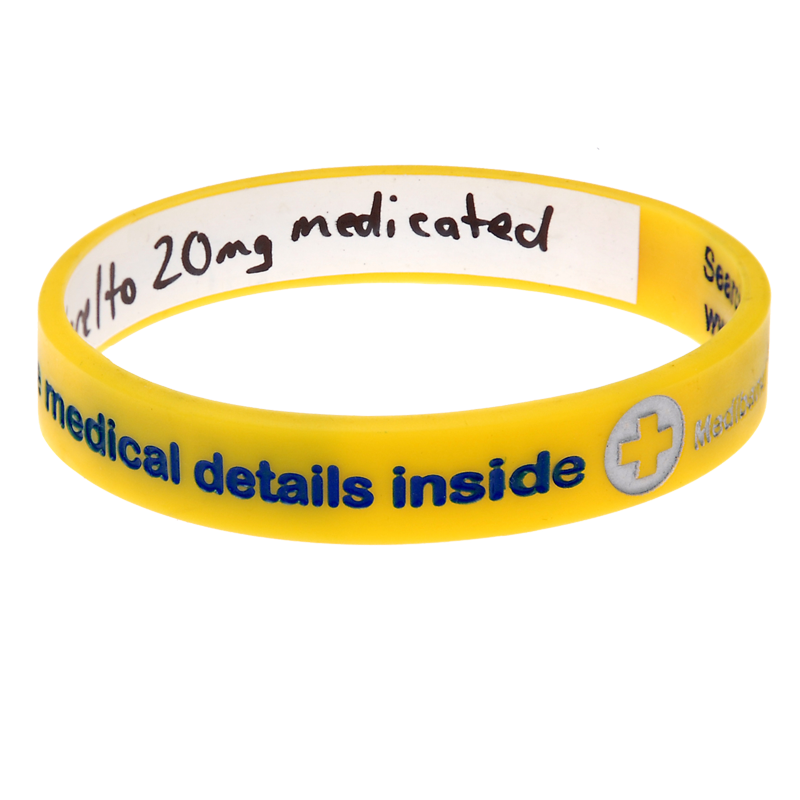
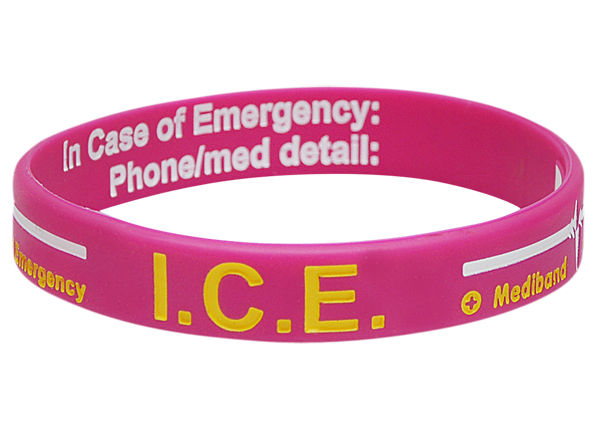
Wearing a medical alert bracelet is another small, consistent act of self-care that reinforces your commitment to managing your condition proactively. Browse our write-on medical ID bracelets for a style that suits your mindfulness practice and daily life.
Wear Your Medical ID Every Day — Even During Mindfulness Practice
Stay protected during yoga, meditation, and daily wellness routines.




Making Mindfulness Part of Your Chronic Condition Toolkit
The evidence is clear: mindfulness is not a cure, but it is a genuinely effective tool for improving how you feel, think, and function while living with a chronic condition. Combined with medical treatment, regular monitoring, and practical safety measures like a medical alert bracelet, it contributes to a comprehensive approach to long-term wellbeing.
Start small, be consistent, and give yourself permission to make your health a priority.
Frequently Asked Questions
How much mindfulness practice is needed to see health benefits?
Most research protocols use eight weeks of practice, typically 20-45 minutes per day. However, studies show that even 10 minutes of daily focused breathing can reduce cortisol and improve mood within two weeks. Consistency matters more than duration. Starting with a brief daily practice and building gradually is more effective than sporadic longer sessions.
Is mindfulness safe for people with chronic illness?
Mindfulness is generally very safe and carries no physical side effects. Some people with a history of trauma may find certain meditation techniques distressing. If this applies to you, seek guidance from a mindfulness teacher experienced in trauma-informed approaches, and inform your doctor that you are incorporating mindfulness into your health management.
Can mindfulness replace medication for chronic conditions?
No. Mindfulness is a complement to medical treatment, not a replacement. It can reduce stress, improve sleep, and support treatment adherence, but it does not treat the underlying pathology of chronic conditions. Always continue prescribed medications and consult your doctor before making any changes to your treatment plan.
What is the easiest way to start a mindfulness practice with chronic illness?
Begin with breath awareness: sit comfortably, close your eyes, and focus on the sensation of breathing for five minutes each morning. Apps like Headspace, Insight Timer, or Calm offer guided programmes specifically for chronic pain and illness. Starting small and linking the practice to an existing habit, like a morning cup of tea, helps build consistency.

Share on Facebook

Share on X

Share on Pinterest
Comment(s)
Recent Posts



The Risk Of Not Wearing An Allergy Medical Alert Bracelet
March 23, 2026