5 Reasons Why You Should Wear a Medical ID Bracelet
July 25, 2019
4
Every year, thousands of people arrive at hospital emergency departments unable to speak for themselves — unconscious, confused, or in shock. In those critical first minutes, a piece of information as simple as "diabetic" or "allergic to penicillin" can be the difference between the right treatment and a dangerous mistake.
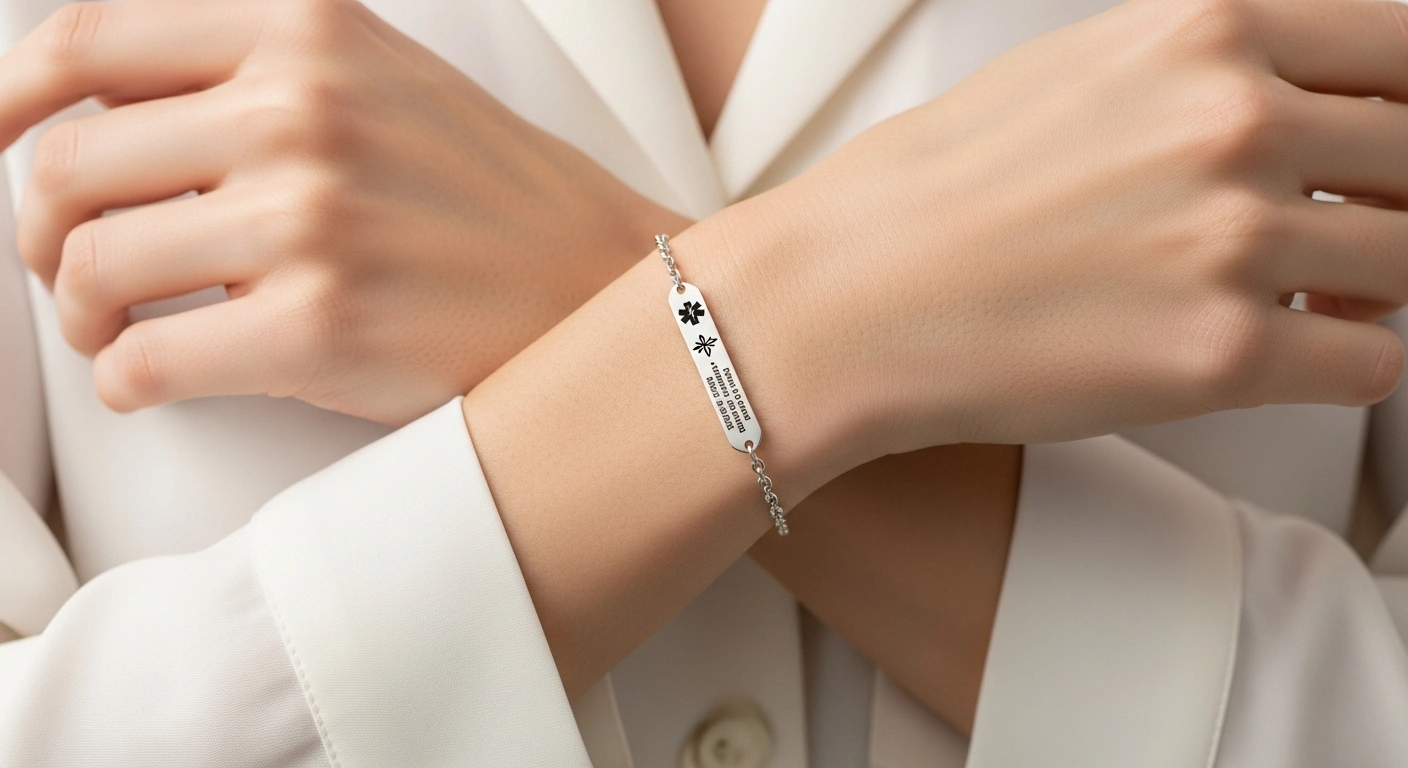
A medical ID bracelet carries that information on your wrist, available to anyone who needs it, at any moment. If you live with a chronic health condition, here are five important reasons to wear one every day.
1. It Gives You — and Your Family — Real Peace of Mind
Living with a chronic condition often brings anxiety alongside the physical challenges. Allergy sufferers worry about accidental exposure. Parents of children with epilepsy or autism worry every time their child is out of sight. Carers of people with dementia face constant concern about wandering or confusion.
A medical ID bracelet won't remove those worries entirely — but it significantly reduces the risk that a moment of crisis becomes a moment of catastrophe. Knowing that vital information is always visible, always accessible, allows you and the people who love you to breathe a little easier.
It's one of the simplest, most practical steps you can take toward everyday safety.
2. It Helps Emergency Responders Diagnose You Faster
When paramedics or emergency room staff arrive at a scene, every second matters. Research published in Emergency Medicine Journal confirms that medical ID jewellery is one of the first things trained responders check when assessing an unconscious or unresponsive patient.
Without a medical ID, responders must make educated guesses while waiting for next-of-kin to be located — a process that can take hours. With one, the core information is there immediately:
- What condition you have
- What medications you take
- What you're allergic to
- Who to contact in an emergency
That information shapes every treatment decision from the moment responders arrive. Faster diagnosis means faster, safer care.
3. It Protects You from Dangerous Medical Errors

Many of the most serious medical emergencies involve drug interactions or allergic reactions to treatment — not the original condition itself. This is especially true for people who:
- Are allergic to common medications (penicillin, aspirin, certain anaesthetics)
- Take blood thinners, insulin, or heart medication
- Have conditions that affect how drugs are metabolised (kidney disease, liver disease)
- Are on an insulin pump or implanted device
A clearly engraved medical ID ensures that the treating team knows what not to give you before they give it. It's a safeguard that works even when you can't speak for yourself.
4. It Empowers Bystanders to Help You Effectively
In most medical emergencies in public, the first people to respond are ordinary members of the public — not medical professionals. They want to help, but without knowing your condition, they may hesitate or act incorrectly.
A medical ID bracelet changes this. When a bystander sees your bracelet and calls emergency services, they can relay your condition clearly. The operator can then guide them through exactly what to do — whether that's administering glucose, placing you in the recovery position, or simply keeping you calm and still until help arrives.
Your bracelet turns a worried bystander into an informed first responder.
5. It Could Save Your Life
This is, ultimately, the most important reason of all. Medical conditions that are well-managed day-to-day can still cause sudden, life-threatening emergencies. Epileptic seizures, anaphylactic reactions, severe hypoglycaemia, cardiac events — all of these can render a person incapable of communicating in seconds.
Wearing a medical ID bracelet is one of the most low-effort, high-impact safety habits you can build. You wear it once, and it works for you every single day — at the gym, at work, on holiday, while you sleep.
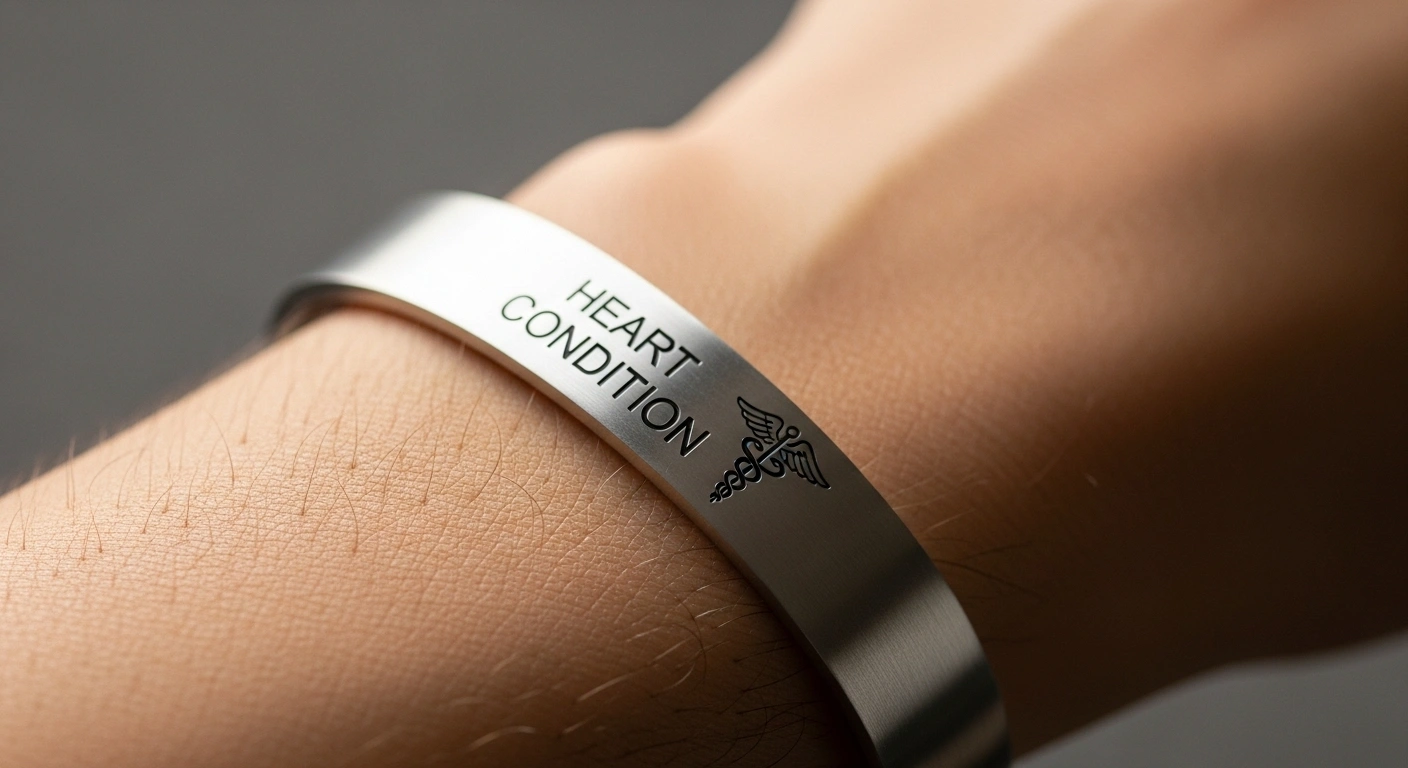
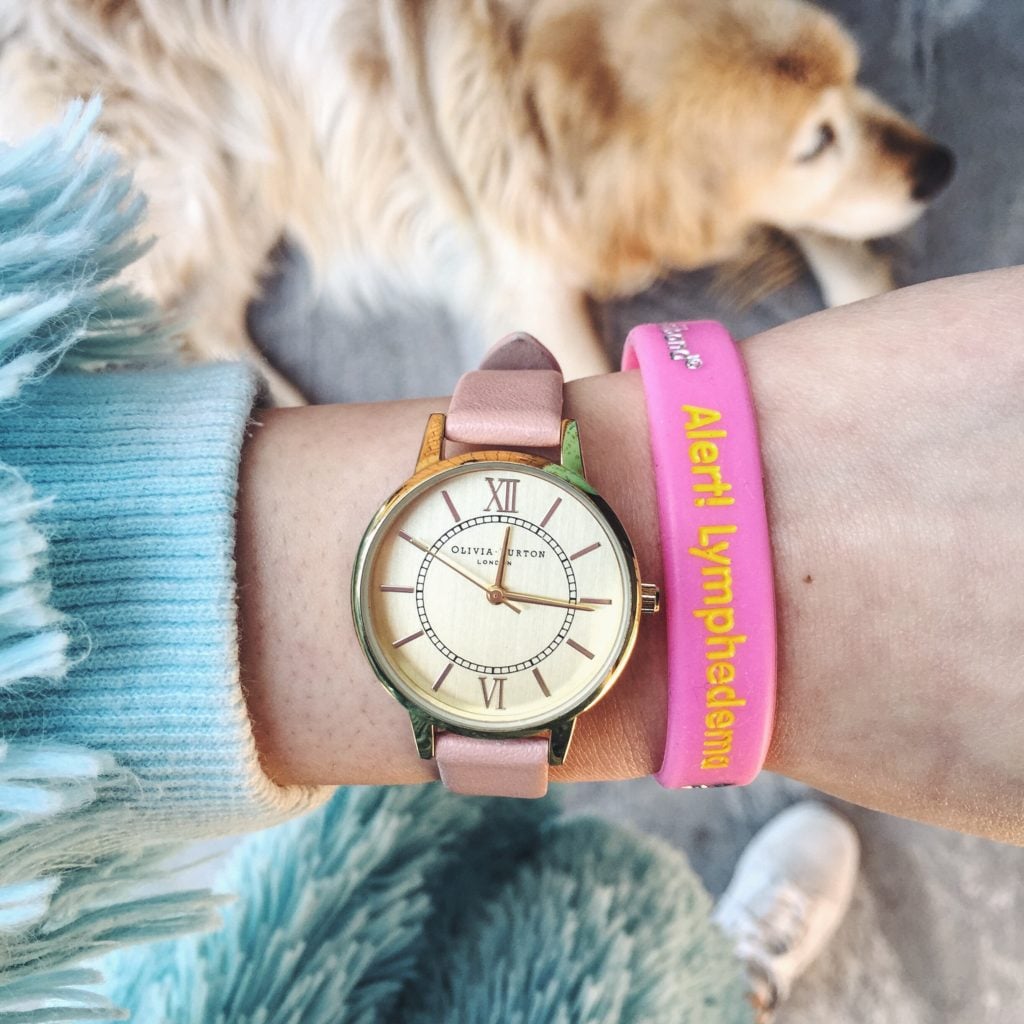
Medical ID bracelets today come in a wide range of styles, from lightweight silicone sport bands to elegant stainless steel jewellery and gold-toned designs that blend seamlessly with everyday wear. There's no reason to compromise on comfort or style to stay safe.
What Conditions Benefit Most from a Medical ID?
Medical ID bracelets are recommended for anyone living with a condition that could affect emergency care, including:
- Diabetes (Type 1, Type 2, insulin-dependent)
- Epilepsy
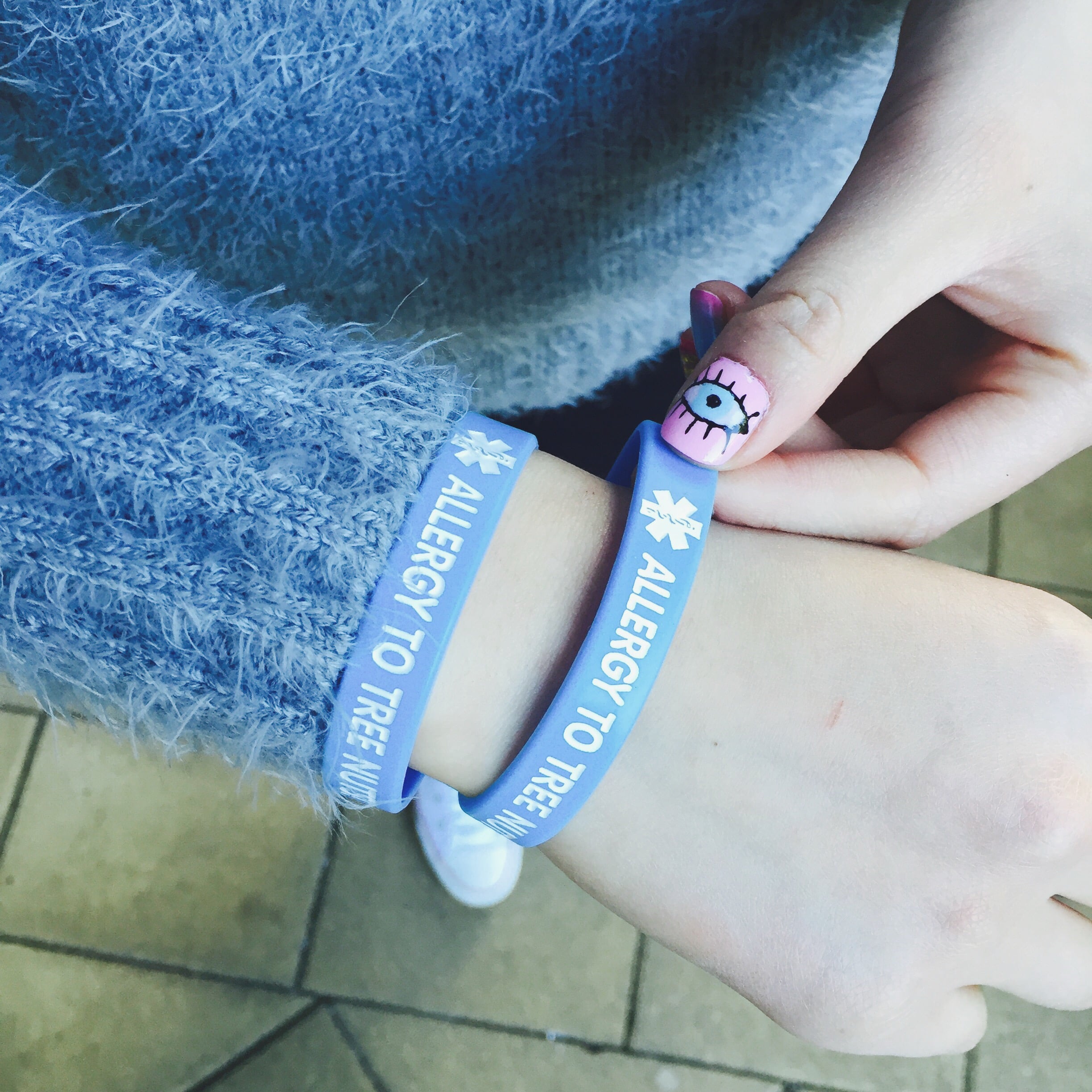
- Severe allergies (anaphylaxis, food allergies, drug allergies)
- Asthma
- Heart conditions (pacemaker, coronary bypass, blood thinners)
- Autism and ADHD
- Dementia and Alzheimer's
- COPD and respiratory conditions
- Blood disorders (haemophilia, sickle cell)
- Parkinson's disease
If your condition would affect how a doctor or paramedic treats you in an emergency — wear a medical ID bracelet.
Find Your Medical ID Bracelet
The best medical ID bracelet is the one you'll actually wear every day. Whether you need something robust for an active lifestyle, a discreet option for everyday wear, or a stylish piece that doubles as jewellery — there's a Mediband designed for you.
- Type 1 Diabetes Medical Bracelet — Pre-engraved with essential diabetes information, ready to wear straight away.
- Asthma Alert Medical Bracelet — Clearly identifies asthma to first responders in any emergency situation.
- Epilepsy Reversible Medical Bracelet — A stylish reversible design that keeps your epilepsy alert visible at all times.
- Penicillin Allergy Medical Bracelet — Essential protection for one of the most common and dangerous drug allergies.
- Stainless Steel Medical ID Bracelet — For those who prefer something more refined. Engraved stainless steel that wears like everyday jewellery.
Not sure which bracelet fits your condition? Browse the full Mediband condition range or get in touch — our team is happy to help you choose.

Share on Facebook

Share on X

Share on Pinterest
4 Comment(s)
Martin
Sep 17, 2021 06:09
Nice Post
BarbaraShervell
Oct 03, 2019 03:59
D like a penicillin allergy braceletb
Michelle Smith
Oct 03, 2019 02:37
I am a coeliac and I suffer with clots I have had a couple on legs and one on the brain can you please show me a diagram how this would look like on a bracelet please
Michael Randall
Jan 28, 2021 01:54
Please visit www.mediband.com for custom medical ID that we can create specifically for your requirements
Recent Posts
The Risk Of Not Wearing An Allergy Medical Alert Bracelet
March 23, 2026