10 Daily Habits to Protect Your Health and Prevent Illness
October 07, 2020

The most effective investment in your long-term health is not a single dramatic intervention — it is the accumulation of small, consistent daily habits. From hand hygiene to sleep quality, from nutrition to social connection, the science of preventive health consistently shows that everyday behaviours are the strongest predictors of long-term wellbeing and disease prevention.
This guide explores 10 evidence-based daily habits that protect your health, reduce your risk of infectious and chronic disease, and support your immune system and overall resilience. For people managing existing health conditions, these habits are even more important — and medical alert identification is an essential part of the picture.
1. Practise Consistent Hand Hygiene
Hand hygiene is one of the simplest and most well-documented infection control measures available. The World Health Organization identifies hand washing as the single most important infection prevention measure, capable of reducing respiratory infections by up to 16–21% and gastrointestinal infections by up to 31%.
Effective hand washing requires at least 20 seconds with soap and water, covering all surfaces of the hand including between fingers and under nails. Key moments for hand washing include before eating, after using the bathroom, after touching shared surfaces in public spaces, and after coughing or sneezing. Alcohol-based hand sanitiser is an effective alternative when soap and water are unavailable.
2. Maintain a Nutritious, Varied Diet
Diet is one of the most powerful modifiable risk factors for chronic disease. A diet rich in fruits, vegetables, wholegrains, legumes, and lean proteins supports immune function, reduces inflammation, and provides the micronutrients — vitamins C, D, zinc, selenium — that the immune system depends on.
Ultra-processed foods, refined sugars, and excessive saturated fat are consistently associated with increased risk of obesity, Type 2 diabetes, cardiovascular disease, and certain cancers. The evidence does not support a single "best" diet — rather, dietary patterns that emphasise whole foods, variety, and appropriate portion sizes consistently outperform highly processed alternatives.
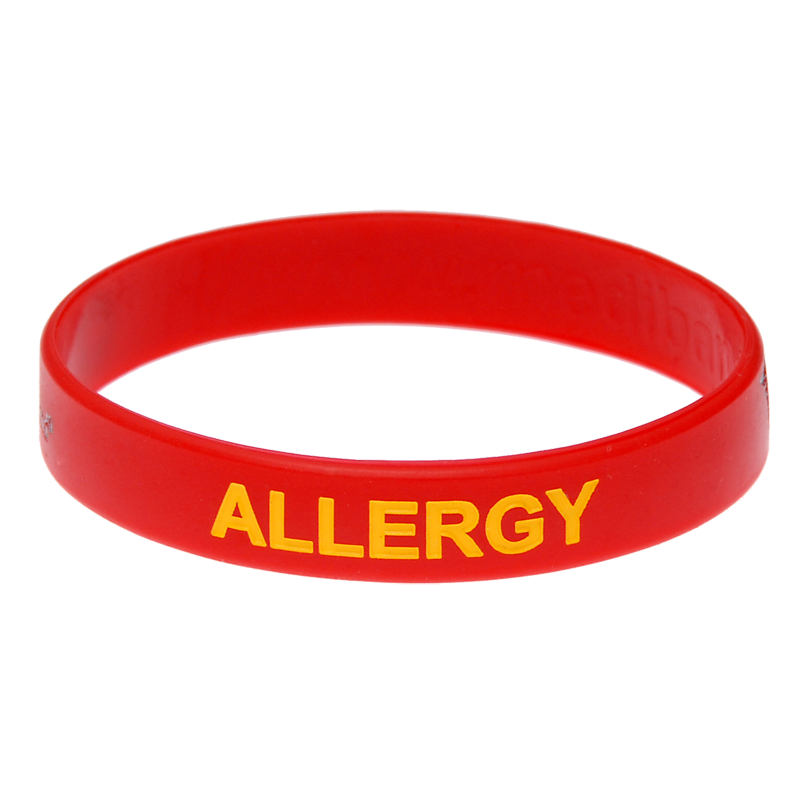
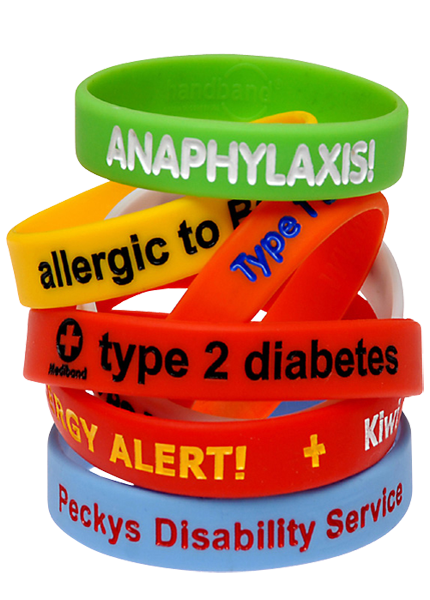
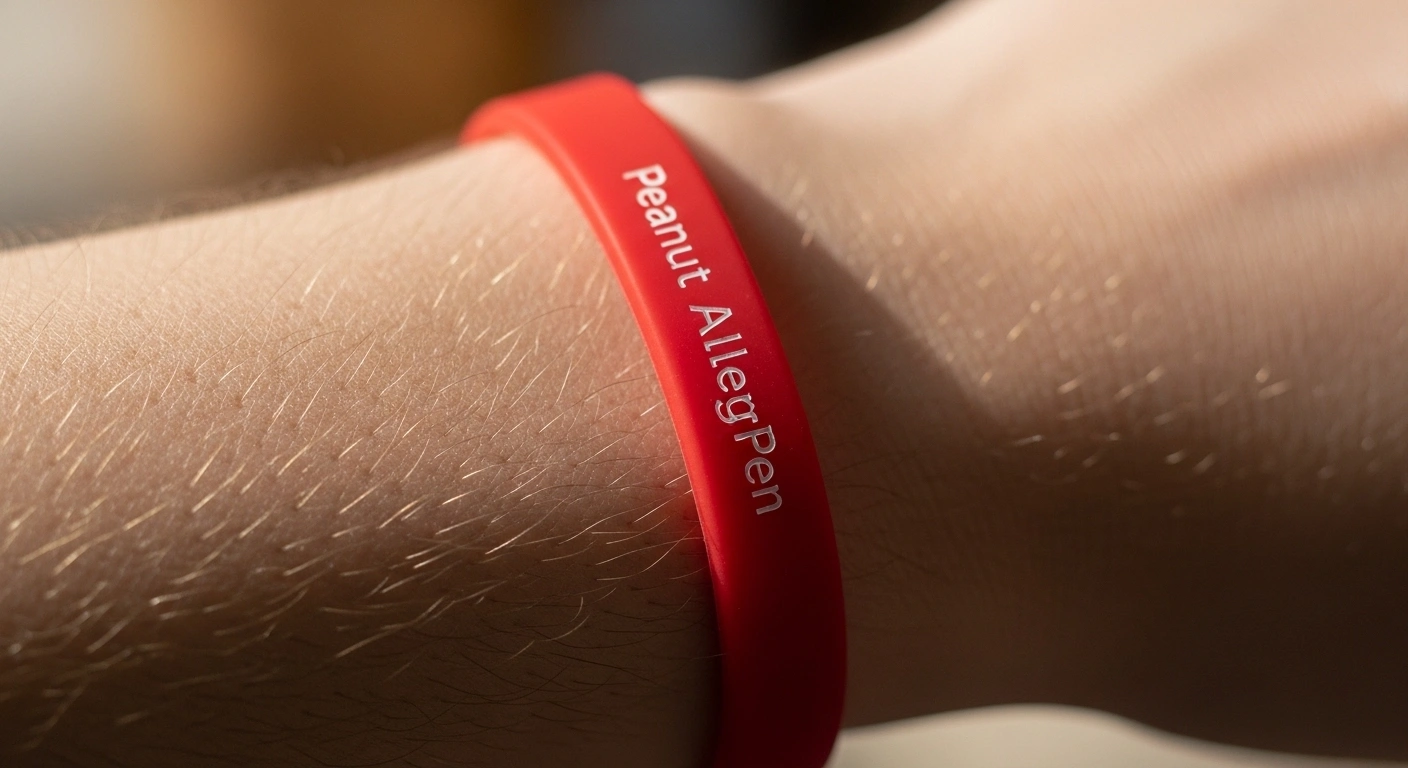
For people with existing conditions such as diabetes, kidney disease, or allergy, dietary management is a critical part of disease control. People with food allergies should ensure their allergy is clearly identified on a medical bracelet for situations where they are eating in unfamiliar settings or cannot communicate their dietary restrictions.
3. Prioritise Quality Sleep
Sleep is not optional — it is a physiological requirement for immune function, cognitive performance, emotional regulation, and tissue repair. Adults require seven to nine hours of quality sleep per night for optimal health outcomes. Chronic sleep deprivation is associated with increased susceptibility to infection, elevated inflammatory markers, impaired glucose metabolism, and increased cardiovascular risk.
For people with conditions such as epilepsy, sleep deprivation is a direct seizure trigger. For those with diabetes, poor sleep impairs glucose control and insulin sensitivity. Protecting sleep quality through consistent sleep schedules, a dark and cool sleeping environment, and reducing screen exposure before bed has measurable health benefits across a wide range of conditions.
4. Stay Physically Active
Regular physical activity is among the most well-evidenced health interventions available. The WHO recommends at least 150–300 minutes of moderate-intensity aerobic activity per week for adults, plus muscle-strengthening activities on two or more days per week. Physical activity reduces risk of cardiovascular disease, Type 2 diabetes, certain cancers, depression, and all-cause mortality.
For people with chronic conditions, physical activity recommendations may need to be adapted — but the general principle that more movement is beneficial applies across almost all health conditions. People with conditions that affect exercise response (such as insulin-dependent diabetes, where exercise affects blood glucose) should plan activity with their healthcare team and wear a medical alert bracelet that communicates their condition during exercise.
5. Stay Up to Date with Vaccinations
Vaccination is one of the most cost-effective public health interventions in history. Vaccines protect against a wide range of infectious diseases — from influenza and pneumococcal disease to hepatitis and human papillomavirus. For people who are immunocompromised (including those on immunosuppressive medications for autoimmune conditions, organ transplant recipients, and people receiving chemotherapy), vaccination is particularly important and sometimes requires a modified schedule.
Vaccination schedules vary by age, health status, location, and individual medical history. A conversation with a GP or pharmacist can confirm which vaccinations are recommended for your specific circumstances.
6. Stay Hydrated
Water is essential for virtually every physiological process — including the mucosal barriers that provide the first line of defence against pathogens. Adequate hydration supports kidney function, helps regulate body temperature, and maintains blood volume for cardiovascular health.
Hydration requirements vary by body size, activity level, climate, and health status. As a general guide, most adults benefit from 1.5–2.5 litres of fluid per day, with more needed in hot weather or during exercise. Thirst is not a reliable early indicator of dehydration — by the time thirst is felt, mild dehydration has typically already occurred.
7. Manage Stress Proactively
Chronic stress activates the hypothalamic-pituitary-adrenal (HPA) axis and the sympathetic nervous system, leading to elevated cortisol and adrenaline levels. While short-term stress responses are adaptive, chronic stress suppresses immune function, increases inflammation, disrupts sleep and appetite, and worsens virtually every chronic health condition.
Evidence-based stress management techniques include mindfulness and meditation, physical activity, adequate sleep, social support, and cognitive-behavioural strategies. Identifying personal stress triggers and building a consistent set of coping strategies is more effective than reactive approaches.
8. Avoid Smoking and Limit Alcohol
Smoking is the leading preventable cause of premature death globally, associated with cancer, cardiovascular disease, respiratory disease, and stroke. Quitting smoking at any age produces significant health benefits — within 12 months of stopping, the excess cardiovascular risk begins to decline substantially.
Alcohol, when consumed in excess, increases cancer risk, damages the liver, impairs immune function, and interacts negatively with a wide range of medications including anticoagulants, anti-seizure drugs, and diabetes medications. If you drink alcohol, limiting intake and being aware of interactions with any prescribed medications is important.
9. Attend Preventive Health Screenings
Many serious conditions — including several cancers, diabetes, hypertension, and high cholesterol — can be detected early through routine screening before symptoms appear. Early detection dramatically improves treatment outcomes and survival rates. Age-appropriate and risk-appropriate screening programmes vary by country and individual medical history.
Maintaining regular appointments with a GP and following recommended screening schedules is one of the most important ways to protect long-term health. For people with existing conditions, regular monitoring appointments (such as HbA1c for diabetes, INR for warfarin, or spirometry for respiratory conditions) are part of ongoing disease management.
10. Carry Medical Identification and Prepare for Emergencies
For anyone with a chronic medical condition, emergency preparedness is an essential daily habit. This means carrying prescribed emergency medications (EpiPen, glucose tablets, GTN spray), knowing the symptoms of a condition-related emergency and having an action plan, ensuring trusted contacts know about your condition, and wearing visible medical identification.
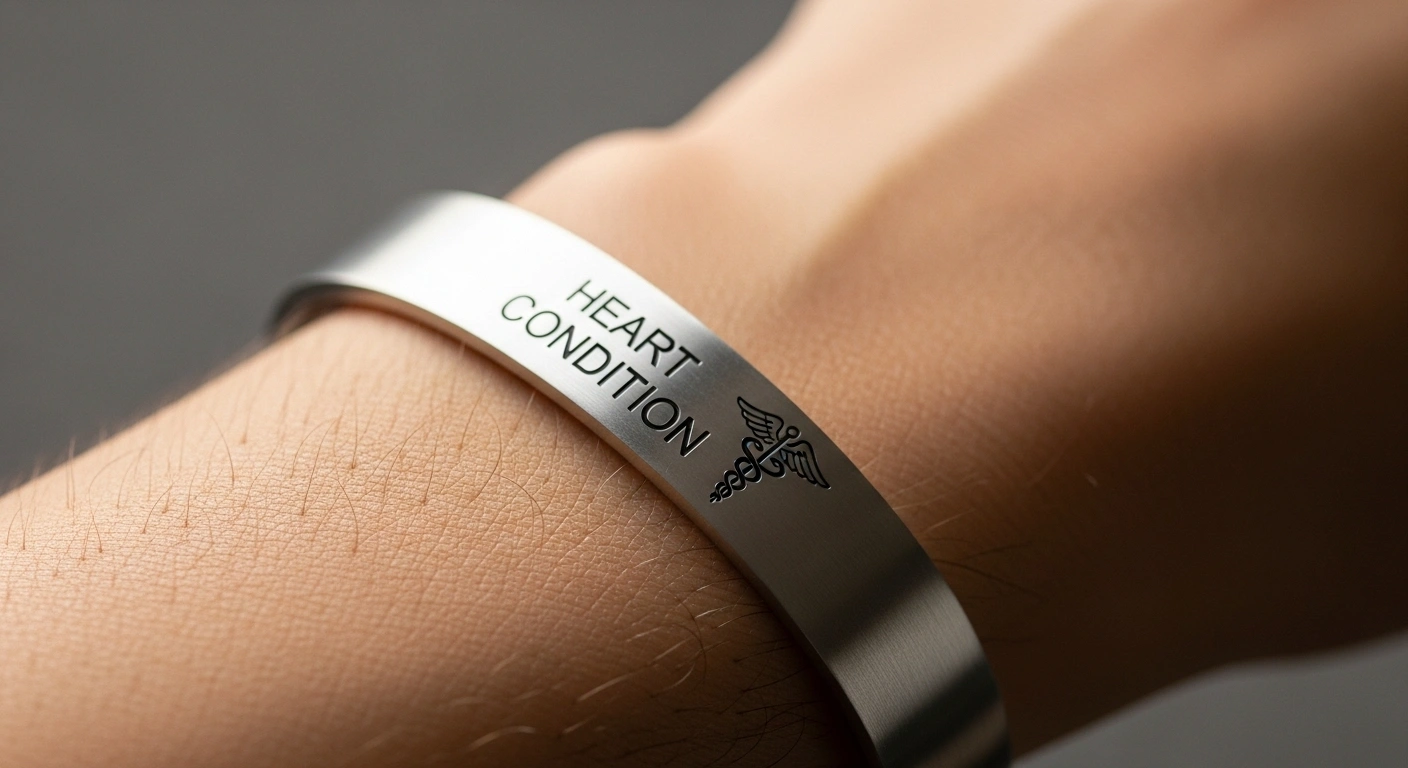
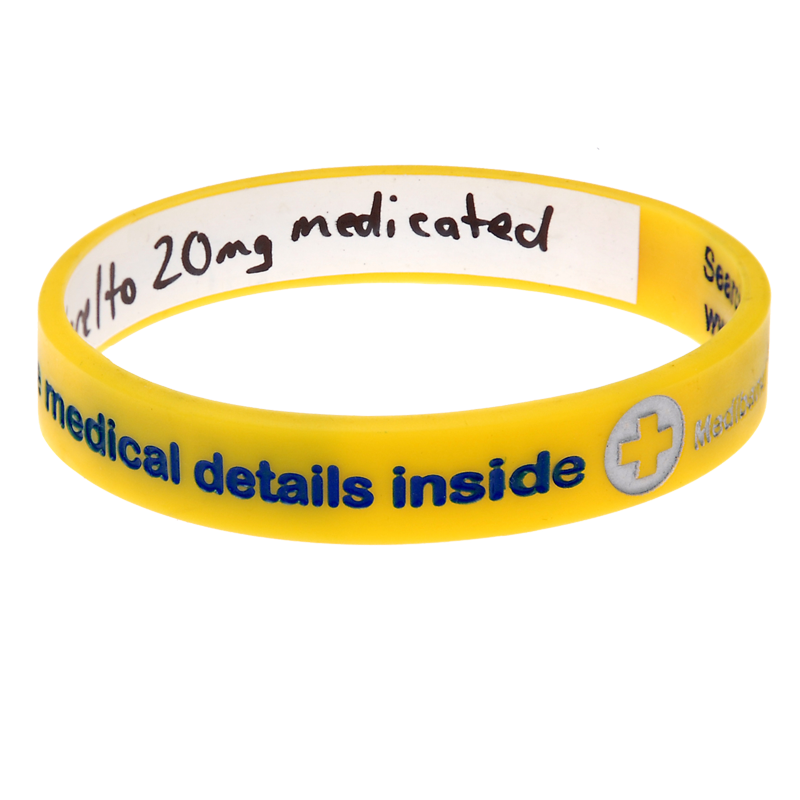
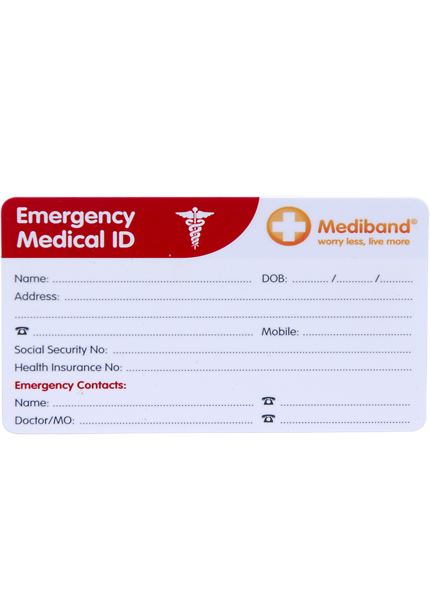
A medical alert bracelet from Mediband communicates your most critical health information to first responders instantly — before you can speak, before records can be retrieved, before a bystander knows what to do. It is the single most reliable form of emergency health communication for anyone with a chronic condition, and wearing it consistently is as important as any other daily health habit.
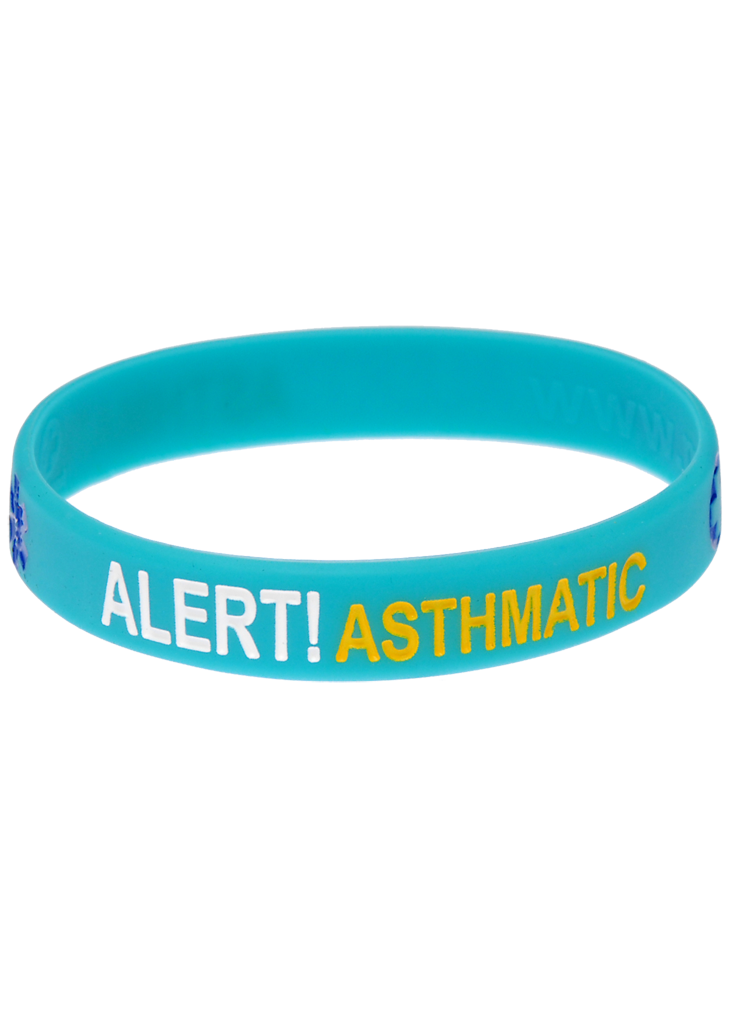
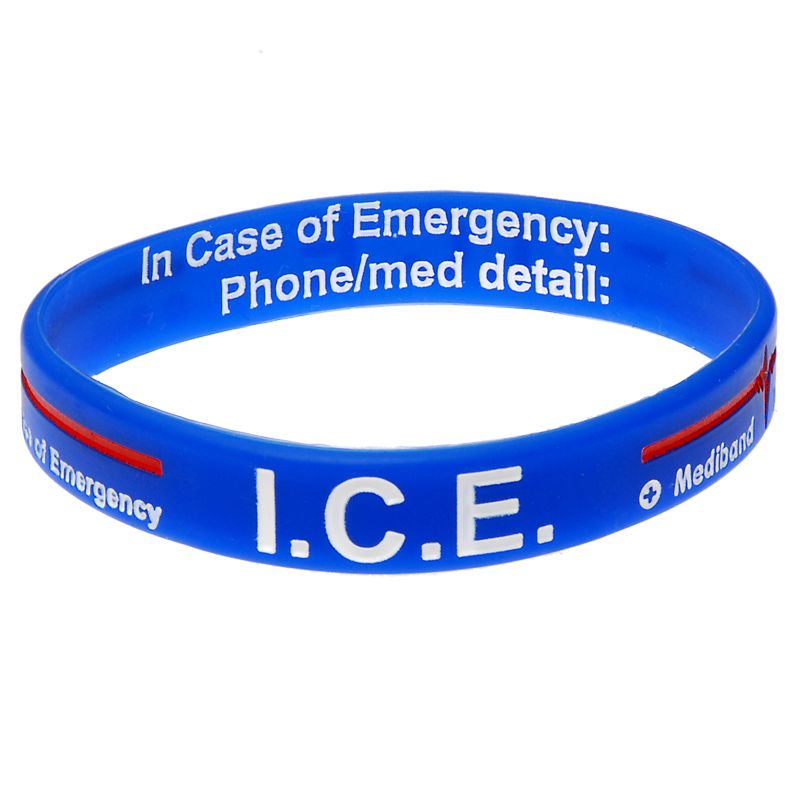
An ICE bracelet provides emergency contact information to first responders who follow the internationally recognised In Case of Emergency protocol. For those with asthma, an asthma medical alert bracelet ensures responders know immediately that the patient requires their inhaler.
Daily Health Protection — Start with a Medical Alert Bracelet
One of the most effective health habits for anyone with a chronic condition.
Building Your Daily Health Protection Routine
The 10 habits covered in this guide are not radical changes — they are evidence-based daily behaviours that, practised consistently, provide significant protection against infectious and chronic disease. The challenge is not knowledge but consistency: building habits that fit naturally into daily life and are maintained over months and years.
Starting with one or two habits and gradually adding others is more sustainable than attempting an overnight overhaul. Habit stacking — linking a new health behaviour to an existing routine — is one of the most effective strategies for building lasting change.
For people managing chronic conditions, these habits intersect with condition-specific management and emergency preparedness. A medical alert bracelet, worn every day as an unthinking habit, provides the safety net that makes the rest of your health routine possible — knowing that if something unexpected happens, the right information will be immediately available to those who need it.
Frequently Asked Questions
What are the most important daily habits for preventing illness?
The habits with the strongest evidence base for infection and disease prevention include consistent hand hygiene, a nutritious and varied diet, adequate and quality sleep, regular physical activity, staying up to date with vaccinations, not smoking, and limiting alcohol. For people with chronic conditions, carrying medical identification and attending regular health screenings are also essential daily or routine habits.
How does sleep affect the immune system?
During sleep, the immune system releases cytokines — proteins that help fight infection and inflammation. Chronic sleep deprivation reduces the production of these protective proteins, impairing the immune response to pathogens. Studies show that people who sleep fewer than seven hours per night are significantly more susceptible to respiratory infections than those who sleep eight or more hours. Sleep also plays a critical role in the immune response to vaccination.
Why is medical identification important as part of daily health protection?
For anyone with a chronic condition, medical identification is an insurance policy that works even when everything else fails. In an emergency where you cannot speak for yourself — due to unconsciousness, confusion, or shock — a medical alert bracelet communicates your condition, medications, and emergency contacts to first responders instantly. It is one of the simplest and most reliable forms of emergency preparedness available.
Can lifestyle changes really prevent serious illness?
Yes — the evidence is substantial. Lifestyle modifications including diet, physical activity, not smoking, limiting alcohol, and weight management can prevent or delay the onset of Type 2 diabetes, cardiovascular disease, several cancers, and other chronic conditions. Even for people who already have a chronic condition, lifestyle changes can significantly slow disease progression and reduce complication risk. The earlier these habits are established, the greater the long-term benefit.

Share on Facebook

Share on X

Share on Pinterest
Comment(s)
Recent Posts

The Risk Of Not Wearing An Allergy Medical Alert Bracelet
March 23, 2026