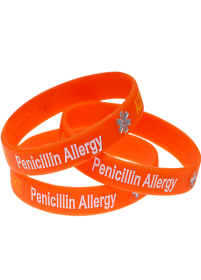
World Diabetes Day and Why Every Diabetic Should Wear a Bracelet
World Diabetes Day, observed every November 14, is a global awareness campaign for the 537 million people living with diabetes worldwide. It's the day when conversations about diabetes management, medication, and emergency preparedness rise to the surface. One conversation that doesn't get loud enough is this: every diabetic — Type 1, Type 2, insulin-dependent, or on oral medications — should wear a medical alert bracelet. The reason is simple. In a diabetic emergency, the first 30 seconds of medical response decide most of what happens after, and the bracelet is what makes those seconds count.
According to Diabetes Australia, around 1.7 million Australians live with diabetes, and around 280 Australians develop diabetes every day. Of those, hypoglycaemia (severe low blood sugar) is one of the most common life-threatening emergencies. Hypoglycaemia in an unconscious diabetic looks identical to drug intoxication, stroke, or alcohol-related collapse. Without a medical alert bracelet telling responders "Type 1 Diabetic", treatment can be wrong, slow, or both.
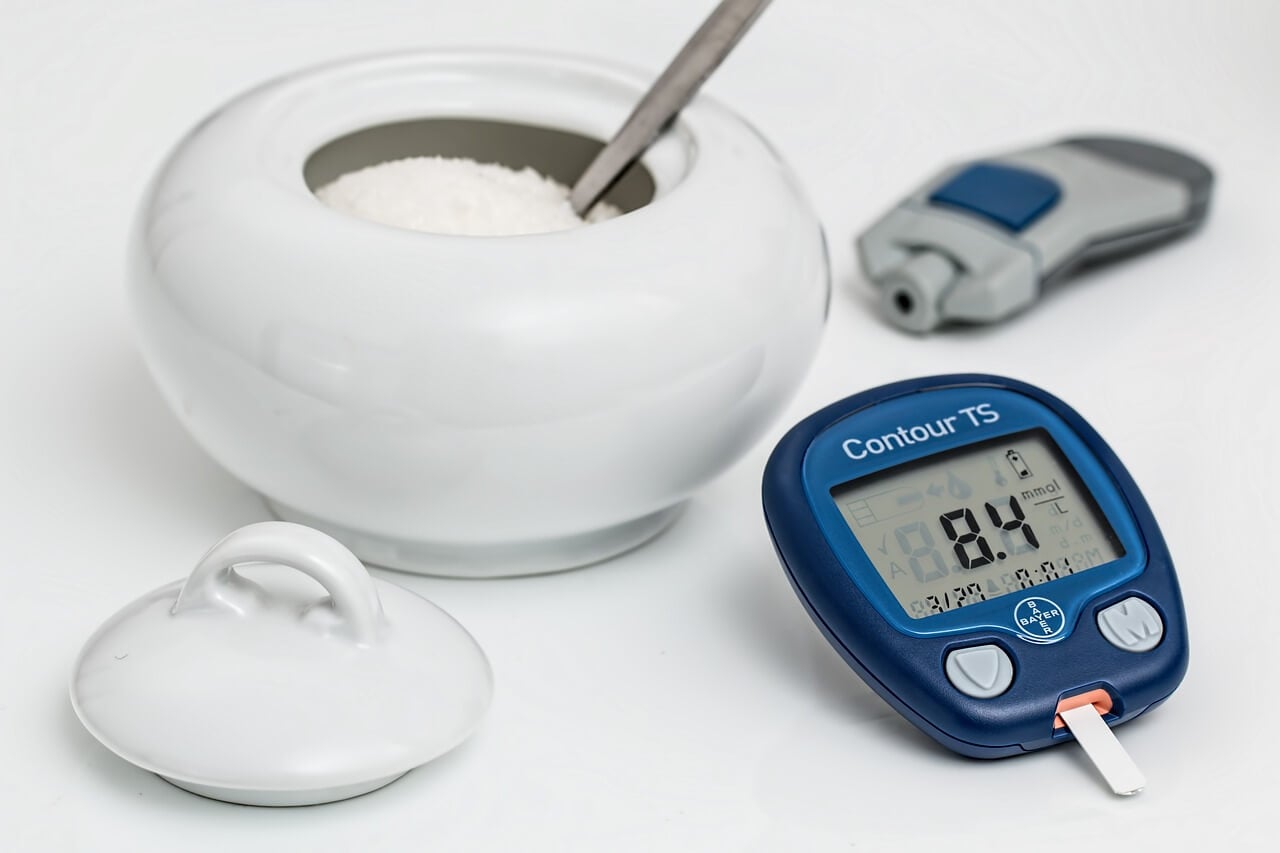
What Is World Diabetes Day and Why It Matters
World Diabetes Day was established in 1991 by the International Diabetes Federation and the World Health Organization. Each year on November 14 (chosen because it's the birthday of Sir Frederick Banting, who co-discovered insulin in 1921), countries around the world hold awareness events, fundraising drives, and public-health campaigns. Australian Diabetes Day is the local counterpart, with Diabetes Australia and state-level organisations running events.
The themes shift each year — access to medication, technology for diabetes management, prevention, mental health for diabetics. But the underlying message is consistent: diabetes is everywhere, it's manageable with good care, and emergencies still happen even with the best management. The bracelet bridges that emergency gap.
Recommended for you
Products related to this article
Hand-picked to go with what you just read.
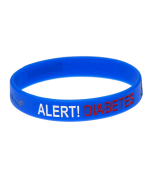
The Five Most Common Diabetic Emergencies a Bracelet Helps With
1. Severe Hypoglycaemia (Low Blood Sugar)
Blood glucose dropping below 4.0 mmol/L can cause confusion, seizures, loss of consciousness, and coma. Without the bracelet, responders see "unconscious person" and start emergency protocols that may not include immediate glucose. With the bracelet, glucose is administered within four minutes.
2. Diabetic Ketoacidosis (DKA)
Severe high blood sugar with ketone buildup, common in Type 1 diabetics. Causes vomiting, dehydration, rapid breathing, eventually coma. The bracelet identifies the diabetic immediately so responders know to test glucose and ketones first.
3. Hyperosmolar Hyperglycemic State (HHS)
Extreme high blood sugar without ketones, more common in Type 2. Symptoms overlap with stroke and dementia, especially in elderly patients. The bracelet prevents misdiagnosis.
4. Cardiovascular Emergencies
Diabetics have 2-4x higher risk of heart attack and stroke. Emergency treatments for cardiac events need to account for diabetic medication interactions — particularly with insulin and oral hypoglycaemics.
5. Anaesthesia Complications
Surgery in diabetics requires specific perioperative management. If a diabetic is found unconscious after an accident and goes to emergency surgery, the surgical team needs to know they're diabetic before any anaesthetic is given.
What to Engrave on a Diabetes Alert Bracelet
Less is more. Five priority fields, in order:
- Wearer's name — first and last.
- Diabetes type — "Type 1 Diabetic", "Type 2 Diabetic", "LADA", "MODY".
- Insulin status — "Insulin Pump", "Insulin Dependent", "Oral Meds", "Diet Controlled".
- Emergency contact phone — answered 24/7.
- "See wallet card" — points to deeper info (current dose, GP contact).
For brittle Type 1 diabetics with frequent hypos or DKA episodes, also engrave "Hypo Risk" or "DKA Risk" so responders know to expect emergencies. For elderly Type 2 diabetics with cognitive issues, the bracelet may be the only reliable identifier.
Which Type of Bracelet for Which Diabetic?
For Type 1 Diabetics (Lifelong Insulin Dependence)
Choose the most visible, durable option — stainless steel classic or designer reversible. Lifelong daily wear, often through sport and travel. Update engraving every 6-12 months as insulin therapy evolves.
For Type 2 Diabetics on Oral Medications
Standard alert band or designer reversible works well. Choose blue (universal diabetes colour) for instant recognition. Update if you transition from oral to insulin therapy.
For Type 2 Diabetics on Insulin
Treat as Type 1 for bracelet purposes. Visible band with "Insulin Dependent" engraved — this changes emergency response dramatically.
For Diabetic Children
Soft silicone in bright colours kids choose. Include parent phone number. Pair with a wallet card and school medical plan. The Mediband Kids Range covers all paediatric needs.
For Pregnant Diabetics or Gestational Diabetes
Temporary silicone band for the duration of pregnancy. Engraving notes "Gestational Diabetic" or "Type 1 Pregnant". Update post-birth if condition changes.
For Pre-Diabetics and Diet-Controlled Type 2
Optional but recommended — even at this stage, blood sugar emergencies are possible. Discreet stainless steel works well.
Diabetes Day Activities That Pair With Wearing a Bracelet
- Get a fresh HbA1c test — reset your understanding of your control.
- Update your bracelet — refresh engraving with current medication.
- Stock up on emergency glucose — glucose tablets, gel sachets, or fast-acting candy for hypos.
- Refresh your CGM or BGM — replace sensors, check battery, calibrate.
- Talk to your GP — about medication, glucose monitoring, and any new symptoms.
- Educate family — ensure spouse and adult children know how to recognise and respond to hypos and DKA.
- Update your travel-insurance disclosure — diabetes must be disclosed for valid coverage.
- Join a Diabetes Australia event — community connection improves long-term outcomes.
Why Every Diabetic Should Wear a Bracelet — Even With "Good Control"
Many well-controlled diabetics resist wearing a bracelet because it feels like "admitting" the condition. The data tells a different story:
- Even tightly-managed Type 1 diabetics average 1-2 severe hypos per year
- Stress, illness, alcohol, and travel disrupt glucose control even for veteran managers
- New medications, dose changes, or treatment-plan switches increase short-term emergency risk
- Emergencies happen in unfamiliar settings — restaurants, sport venues, overseas — where no one knows your history
- Wearing the bracelet has zero downside and enormous potential benefit
The bracelet doesn't change your diabetes — it changes how the world responds when something goes wrong.
Browse the full diabetes alert bracelet range, or read more about diabetic ID bracelet options and the 3 reasons every diabetic should wear one.
Frequently Asked Questions
Why is World Diabetes Day on November 14?
November 14 is the birthday of Sir Frederick Banting, who co-discovered insulin with Charles Best in 1921. Insulin's discovery transformed Type 1 diabetes from a death sentence into a manageable condition. World Diabetes Day was established by the International Diabetes Federation and the World Health Organization in 1991, and has been observed globally on this date ever since.
Do I need a different bracelet for Type 1 vs Type 2 diabetes?
Not different bracelets, but different engraving. Both types use blue diabetes-alert bracelets. Engraving should specify the type ("Type 1 Diabetic" or "Type 2 Diabetic") plus insulin status ("Insulin Dependent" or "Oral Meds"). The treatment in emergencies differs between types, so the engraving must be specific.
How does a diabetes alert bracelet save lives in real emergencies?
Most diabetic emergencies present as confusion, unconsciousness, or behavioural changes that look like many other things (alcohol, stroke, drug overdose, psychiatric emergency). Without the bracelet, paramedics treat the symptoms; with the bracelet, they treat the underlying diabetic cause. The most life-saving moment is hypoglycaemia: glucose administered within four minutes can fully reverse the emergency, while delayed treatment risks permanent brain damage or death.
What's the difference between a diabetes alert and an insulin-dependent alert?
A diabetes alert flags the condition generally. An insulin-dependent alert specifically tells responders that the wearer takes insulin — which means hypoglycaemia is a real risk. For Type 1 diabetics and insulin-using Type 2 diabetics, the "Insulin Dependent" engraving is critical. It distinguishes them from diet-controlled or oral-medication-only diabetics whose hypo risk is lower.
Can a child with Type 1 diabetes wear a bracelet at school?
Yes — and they should. Soft silicone bands are allowed by every Australian school and are comfortable for daily wear including sport. Pair with a wallet card in the school bag and a clear medical action plan filed with the school. Diabetes Australia recommends every diabetic child wear a medical alert ID daily, including during school hours. See our school playground safety guide.

Written by
Founder, Mediband
Founder of Mediband; over 20 years providing medical IDs worldwide.
← Previous
Medical Alert Bracelets: The Complete Australian Guide (2026)
Next →
Gluten Allergy Wristband — Coeliac Disease & Why You Need an Alert (2026)
Comment(s)