Why Wearing Face Masks With Earloops Reduces Contact-Based Spread
March 02, 2026

Face masks with ear loops reduce contact-based spread by creating a physical barrier over the nose and mouth, which directly cuts down on how often hands touch these high-risk areas. Because earloop masks are quick and easy to put on and take off without complicated adjustment, people handle them less, and less handling means fewer chances for contaminated fingers to transfer pathogens. In short, the simpler the mask design, the more consistently people use it correctly, and consistent use is what actually reduces risk.
Contact transmission is not just a theoretical concern. Fomites (contaminated surfaces) and habitual hand-to-face contact both contribute to the spread of viruses like influenza and coronaviruses. The mask someone wears every day can either help or unintentionally hinder efforts to keep hands away from the face, depending largely on how the mask is designed. This article explores how face masks with earloops specifically reduce contact-based transmission - not just by covering the face, but by changing how people behave while wearing them.
What Contact-Based Spread Actually Means In Daily Life
Contact-based transmission is more common in everyday settings than most people realize. It starts with contaminated hands and ends with those hands touching the face - a behavior most people do without ever noticing it.
The Role Of Hands In Transmission Chains
Hands are the primary vehicle for contact transmission. A person touches a contaminated surface - a door handle, a shared keyboard, a handrail on a bus - and picks up viral particles. From that point, every subsequent hand-to-face contact is a potential self-inoculation event. The mucous membranes of the eyes, nose, and mouth are all entry points for respiratory pathogens. This is why hand hygiene and face-touching habits are so tightly linked to infection risk.
The transmission chain is not complicated: contaminated environment → contaminated hands → hands touch face → infection. Breaking any link in that chain reduces risk. Masks address the last link directly by covering the nose and mouth, making it harder (and less reflexive) to touch those areas.
Face Touch Frequency And Why It Matters
Facial touching is far more frequent than most people expect. Studies have observed individuals touching their faces dozens of times per hour in regular settings - often without any awareness that it is happening. The nose and mouth are the most frequently touched areas, which makes them the highest-risk targets in contact-based transmission.
A 2023 naturalistic study (Niesen et al.) published in the Interactive Journal of Medical Research observed 490 pedestrians via public webcam footage across four U.S. cities. People who were not wearing a mask touched their faces significantly more often - 17.6% of the unmasked group vs. 11.4% of the masked group - and 61.1% of all face-touching events came from those without a mask. The most frequently contacted area was the perioral region, right around the mouth. Masking directly reduces high-risk face contact during normal daily activity.
Where Masks Fit Into Contact-Based Protection
Masks do not just filter air - they also act as a physical deterrent to touching the nose and mouth. When those surfaces are covered, the unconscious habit of rubbing or touching them becomes less accessible. A well-fitted mask essentially puts a barrier between the fingertip and the mucous membrane. This is an underappreciated benefit that goes beyond respiratory filtration and directly reduces contact-based risk.
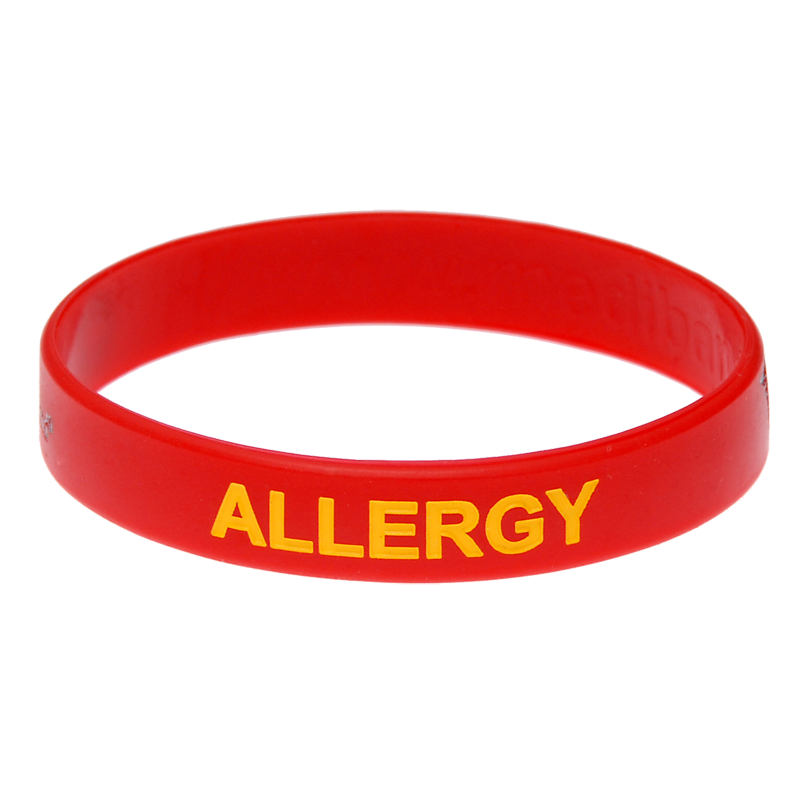
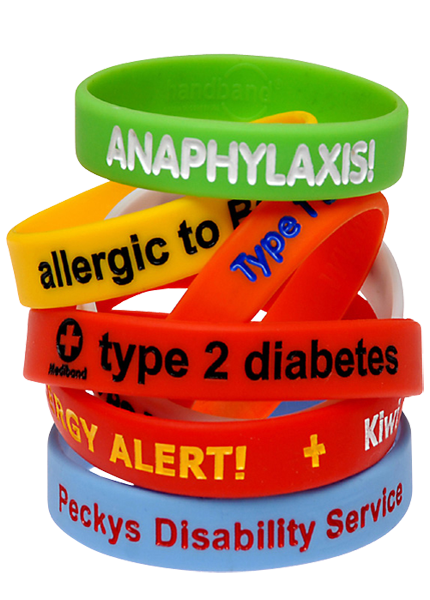
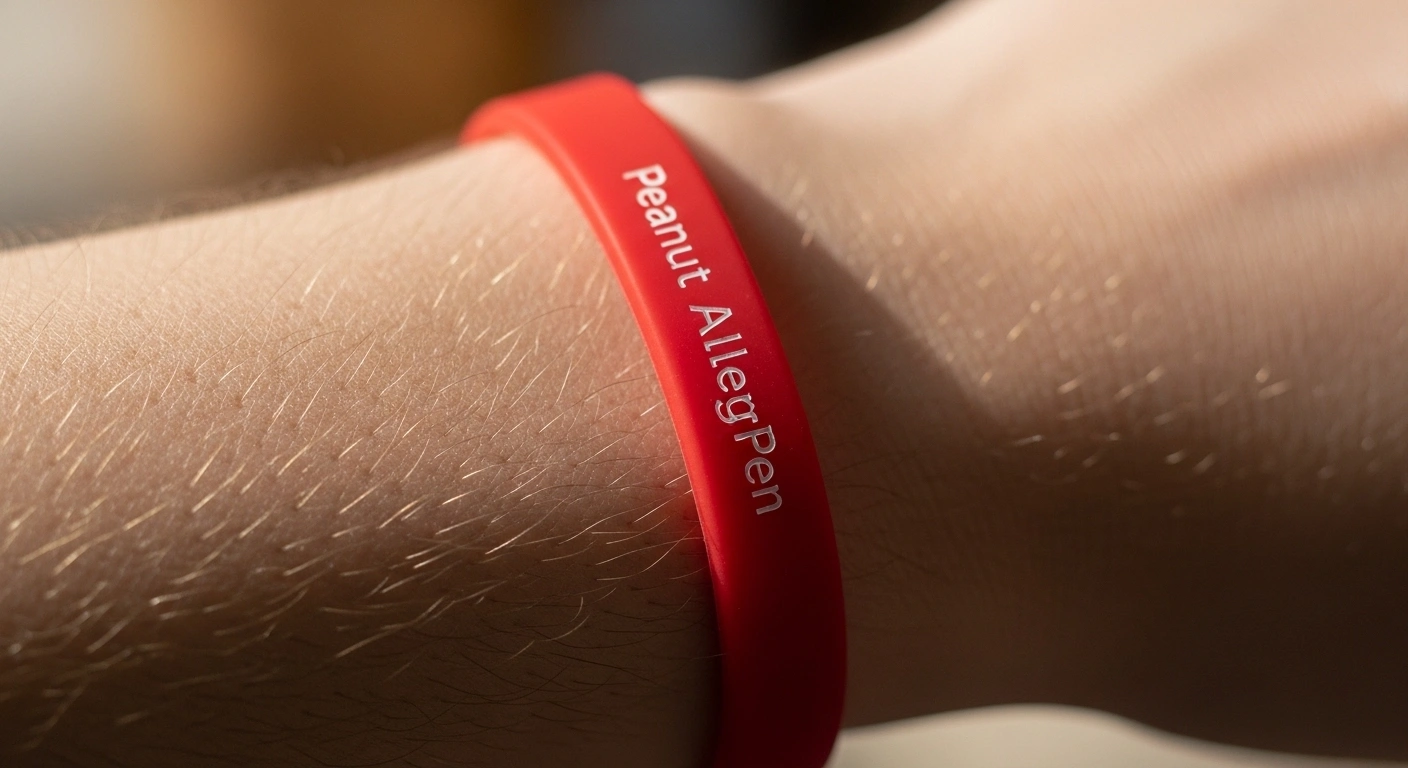
Shop Medical Alert Bracelets
Staying safe goes beyond face masks — make sure first responders know your medical needs.

How Face Masks With Earloops Reduce Face Contact
Not all masks are used the same way - and design has a lot to do with that. Face masks with ear loops offer specific behavioral advantages that reduce how much people interact with their masks and their faces. The key design benefits that make this possible:
- Loops attach behind the ears - no ties to knot, no straps to thread through clips, no steps that require touching the mask body.
- A nose wire (standard in most medical earloop designs) lets the wearer shape the fit with one quick pinch rather than repeated adjustments throughout the day.
- Removal is done entirely via the loops - the contaminated outer surface of the mask is never touched, which is the single most important contact-hygiene step.
- The compact form factor means the mask can be stored and retrieved quickly, reducing the chance of improper handling when putting it on or taking it off in a rush.
Reduced Need For Frequent Adjustments
One of the concerns raised during pandemic-era public health discussions was whether wearing a mask might actually increase face-touching, because people would need to adjust it constantly. A 2020 study by Tao, Dong, and Culleton published in Transboundary and Emerging Diseases directly addressed this. Researchers observed bus passengers in China before and after the COVID-19 outbreak and found that mask wearing did not increase hand-to-face contact - it appeared to reduce it. The evidence does not support the concern for well-fitting earloop masks.
The earloop design plays a role here. Because the loops hook directly behind the ears, a face mask with soft ear loops can be positioned quickly and tends to stay in place without requiring constant readjustment. The more stable the fit, the less the wearer needs to touch it - and that directly translates to fewer contact events.
Simplified On/Off Without Face Contact
The process of putting a mask on and taking it off is one of the highest-risk moments for contact transmission. If removal requires touching the mask body - which may be contaminated - the wearer risks transferring pathogens to their fingers, and then to other surfaces or their own face.
Face masks with ear loops are designed to be removed by the loops themselves - not by grabbing the fabric that sits against the nose and mouth. This means that when used correctly, the wearer's hands never need to make contact with the highest-contamination zone of the mask. It is a small but significant behavioral advantage that other mask types do not always offer as intuitively.
Lower Interaction With High-Risk Areas (Nose/Mouth)
When a face mask with soft ear loops sits snugly and comfortably, the wearer has less reason to touch the nose or mouth areas at all. The mask creates a physical and psychological barrier to those habitual touches. Over a full day of wearing a mask - especially during commuting, work shifts, or running errands - these avoided touches accumulate into a meaningful reduction in contact-based exposure risk.
Behavioral Advantages In Real-Life Scenarios
Theory aside, the practical benefit of earloop masks shows up most clearly in the specific situations people face every day. Here is how the design plays out across common settings.
Commuting And Public Spaces
Public transport is a high-contact environment. People touch handrails, buttons, seats, and shared surfaces constantly. In these settings, having a face mask with ear loops that stay in place without adjustment keeps hands away from the face for the duration of the commute. No fussing with ties, no re-tightening, no tugging at straps that have slipped. The earloop design handles this naturally, requiring little active management once the mask is on.
Work Environments And Repeated Mask Use
In healthcare settings, food service, retail, and other industries where masks are worn for hours at a time, the on/off cycle becomes important. Workers may need to remove their mask for a break, a meal, or to communicate more clearly, and then put it back on. Face masks with ear loops make this repeated cycle faster and cleaner. Fewer steps mean fewer opportunities to inadvertently contaminate the mask or the face.
The following practices help reduce contact risk during repeated mask use in work settings:
- Always remove the mask by handling only the ear loops, never the front surface.
- Store used masks in a clean, dry container or paper bag between uses - never lay them face-down on a desk or counter.
- Wash or sanitize hands before putting the mask back on, not just after taking it off.
Short-Term Interactions (Shops, Errands, Meetings)
Short-duration mask use is actually where design matters most. When someone wears a mask for 10 minutes inside a shop, there is limited time to establish a comfortable routine. The simpler the mask is to use correctly, the more likely it will be used that way. A face mask with a soft earloop can be pulled out of a pocket or bag, put on quickly by the loops, and removed cleanly by the same loops without any face contact. That kind of effortless usability translates directly into safer behavior during brief, high-exposure interactions.
Where Contact-Based Risk Still Exists (And How To Minimize It)
Earloop masks reduce contact-based risk significantly when used well, but they do not eliminate it entirely. There are specific behaviors that reintroduce risk - and knowing about them makes it easier to avoid them.
Incorrect Mask Removal Practices
The most common mistake during mask use is removing the mask by grabbing its body rather than the loops. This is the point where the greatest contamination risk occurs. The outer surface of a mask can accumulate viral particles during use, so touching it directly and then touching the face or other surfaces moves those particles exactly where they should not go.
The good news is that earloop masks are specifically designed to make correct removal intuitive. Both loops are accessible without touching the mask body at all. Making this a consistent habit - even when in a hurry - closes one of the most significant remaining contact risk windows.
Reusing Masks Without Proper Handling
Reusing disposable face masks with ear loops - or using cloth versions without proper washing - is a behavior that increases both contact and filtration risk. A mask that has been worn accumulates particles on its surface. Folding it incorrectly (outer surface touching inner surface) can transfer those particles to the side that sits against the skin.
Appropriate handling practices for reusable masks include:
- Fold the mask so only the inner (clean) surface faces inward when storing it.
- Wash cloth masks after every use, following manufacturer guidance on temperature and detergent.
- Replace disposable earloop masks after each use - do not attempt to extend their life by leaving them on longer than intended.
Combining Masks With Hand Hygiene
No mask eliminates the need for hand hygiene. These two behaviors work together - they are not interchangeable. Face masks with ear loops reduce the frequency of hand-to-face contact, but the hands still interact with contaminated surfaces throughout the day. Washing hands before putting a mask on, and again after taking it off, seals the gap that masking alone cannot close.
The WHO recommends cleaning hands with alcohol-based hand rub or soap and water after touching or removing a used mask. This is especially important in settings where mask use is intermittent - cafeterias, outdoor spaces, vehicles - where putting the mask on and taking it off happens multiple times.
Key behaviors to combine with earloop mask use for maximum contact protection:
- Sanitize hands immediately before handling the mask at any stage.
- Avoid touching the face mask once it is in place, even to adjust it.
- Wash your hands again after mask removal, before touching food, phones, or any surface in a clean space.
Behavior Shapes Risk - And Mask Design Shapes Behavior
Contact-based spread is driven by behavior just as much as by exposure. The virus does not reach the face on its own - it gets there through hands, habits, and the small decisions people make dozens of times a day without thinking about them. That is what makes mask design matter in ways that go beyond filtration ratings and particle sizes.
Wearing a face mask with a soft earloop will not make someone immune to contact-based transmission - no single measure does. But as part of a consistent routine that includes hand hygiene and correct mask-handling habits, earloop masks make the protective behaviors easier to do right. And when something is easier to do right, people do it right more often. That, ultimately, is how public health protection actually works at the individual level.
Frequently Asked Questions
Do masks with ear loops fit better or worse than masks with head ties?
It depends on face shape and ear placement. Head-tie masks offer more adjustability, while earloop designs are faster to put on and stay in place well for most people. A nose wire improves the seal significantly for either style. For everyday use, earloops work well; for a clinical-grade fit, head straps have the edge.
Why do so many face masks use behind-the-ear elastic instead of going around the head?
Earloops are dominant because they are faster to put on, easier to manufacture at scale, and practical for repeated on/off use. Head straps - used on NIOSH-approved N95s - offer a tighter seal but take longer to fit correctly. For general daily use, earloops are the practical standard; for high-risk clinical settings, head straps are preferred.
Can wearing a face mask with ear loops actually increase face touching?
This concern was raised early in the pandemic, but research does not support it for well-fitting earloop masks. A 2020 observational study found that mask wearers did not touch their faces more than non-wearers - they touched them less. Discomfort-driven adjustments are the main risk, which is why a good fit from the start matters.

Share on Facebook

Share on X

Share on Pinterest
Comment(s)
Recent Posts

The Risk Of Not Wearing An Allergy Medical Alert Bracelet
March 23, 2026