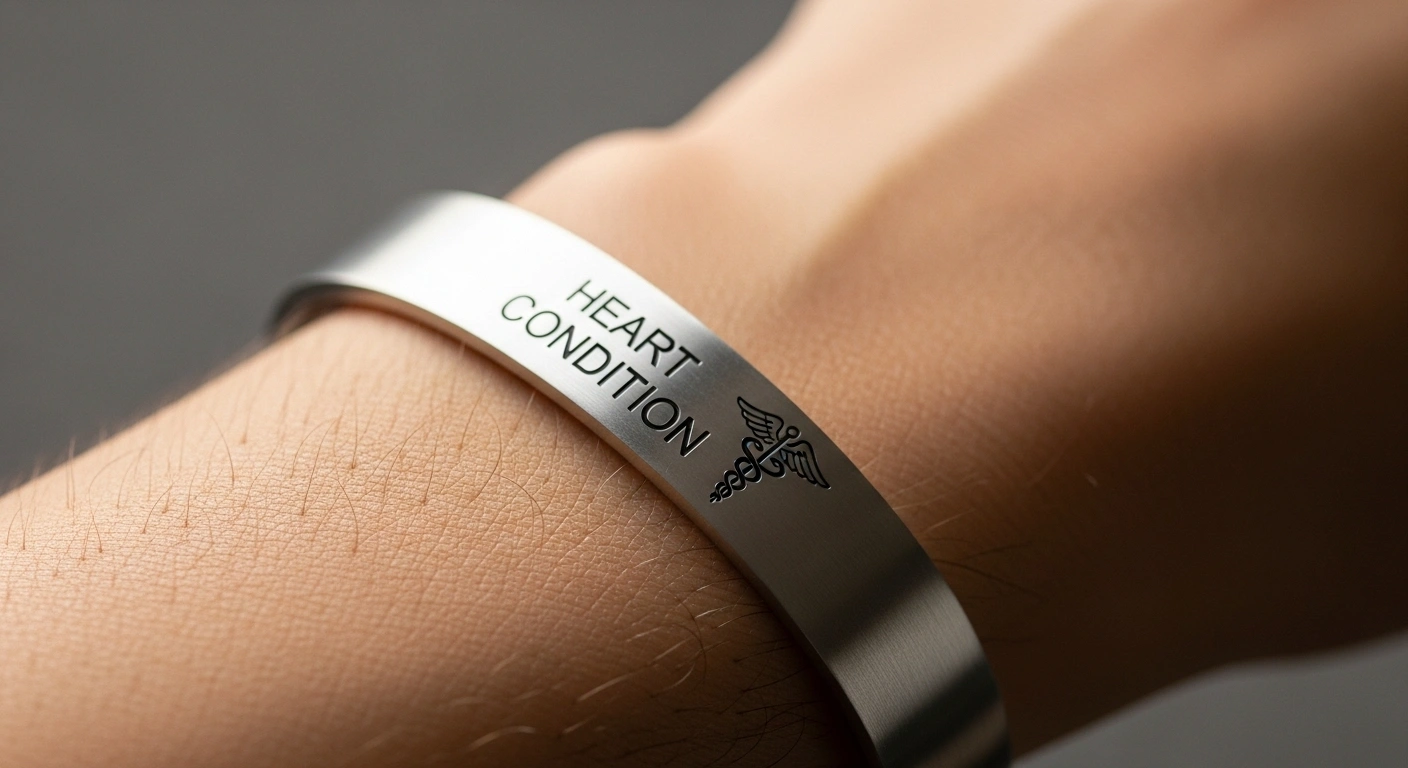
Health and Safety Rules Everyone with a Medical Condition Should Follow
September 30, 2020
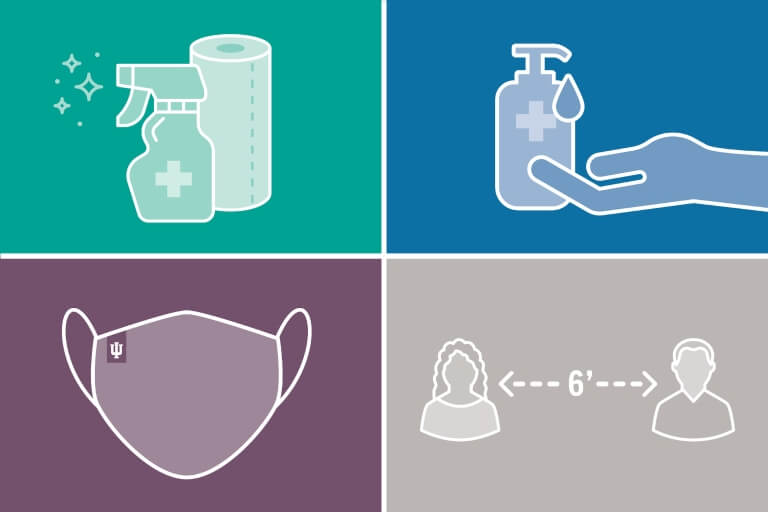
Living with a chronic medical condition requires more than managing symptoms and taking medication. It requires a proactive approach to health and safety — knowing your triggers, planning for emergencies, communicating your condition to others, and establishing habits that protect you in a wide range of situations.
This guide outlines the essential health and safety rules that anyone with a chronic medical condition should follow, from everyday habits to emergency preparedness strategies that could make a critical difference when something goes wrong.
Rule 1: Know Your Condition Inside Out
The most important foundation of health safety for anyone with a chronic condition is comprehensive knowledge of their own diagnosis. This means understanding not just the name of your condition, but how it affects your body, what can trigger flares or emergencies, what medications you take and why, and what the warning signs of a serious event look like.
People who understand their condition are significantly better at managing it. Research consistently shows that patients with strong health literacy have better treatment adherence, fewer hospital admissions, and improved quality of life. Use every appointment with your healthcare provider as an opportunity to ask questions, clarify uncertainties, and update your understanding as your condition evolves.
If you have recently been diagnosed, ask your doctor to recommend reliable patient resources. Patient advocacy organisations for specific conditions — epilepsy foundations, diabetes associations, heart foundations — typically publish excellent condition-specific education materials.
Rule 2: Wear a Medical Alert Bracelet at All Times
A medical alert bracelet is not optional — it is one of the most important safety measures a person with a chronic condition can take. In any emergency where you cannot communicate — due to unconsciousness, seizure, anaphylaxis, severe hypoglycaemia, or trauma — your medical alert bracelet speaks for you.
First responders are trained to check wrists for medical identification. A bracelet that states your primary condition, key medications, and emergency contact ensures that you receive appropriate treatment immediately, without the delays and risks associated with misdiagnosis.
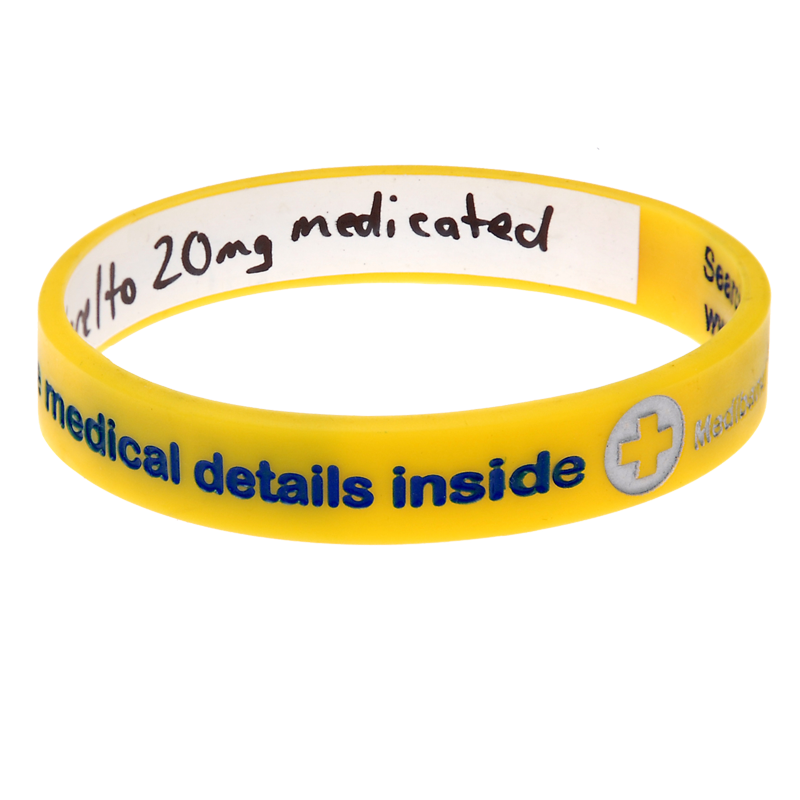
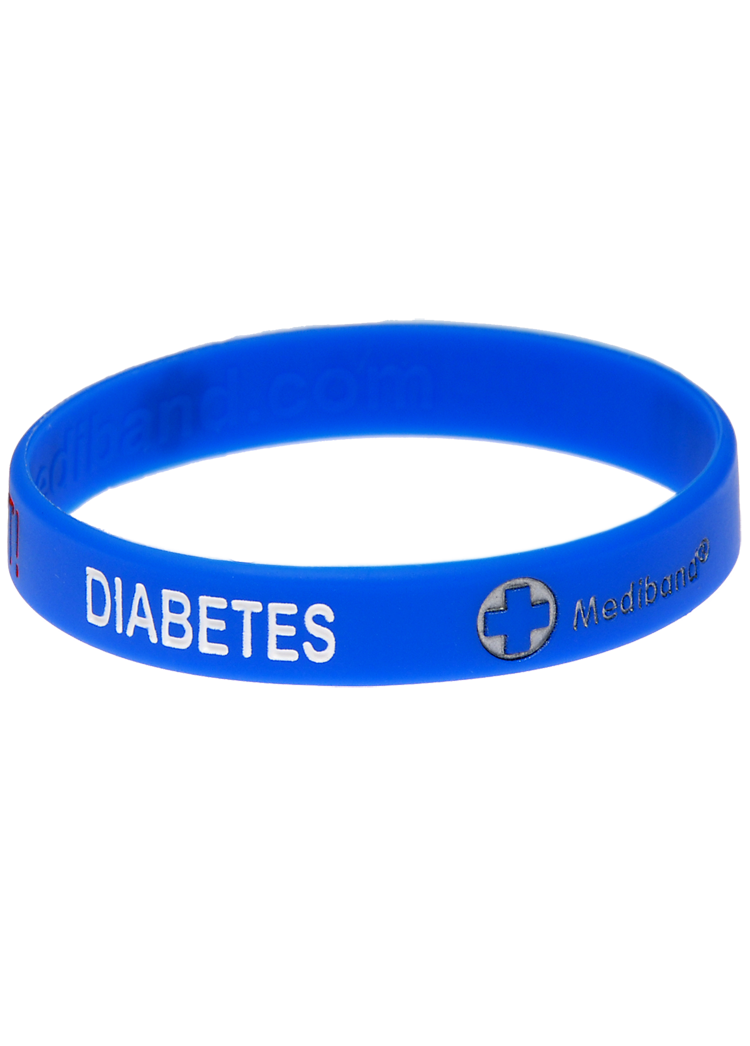
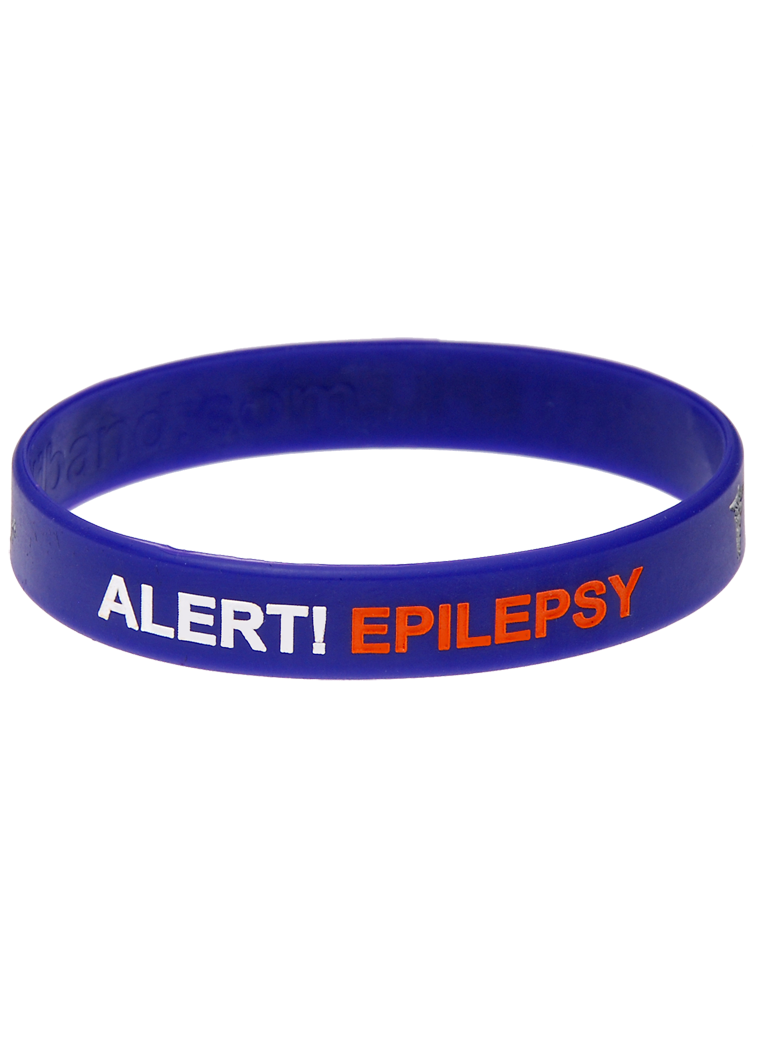
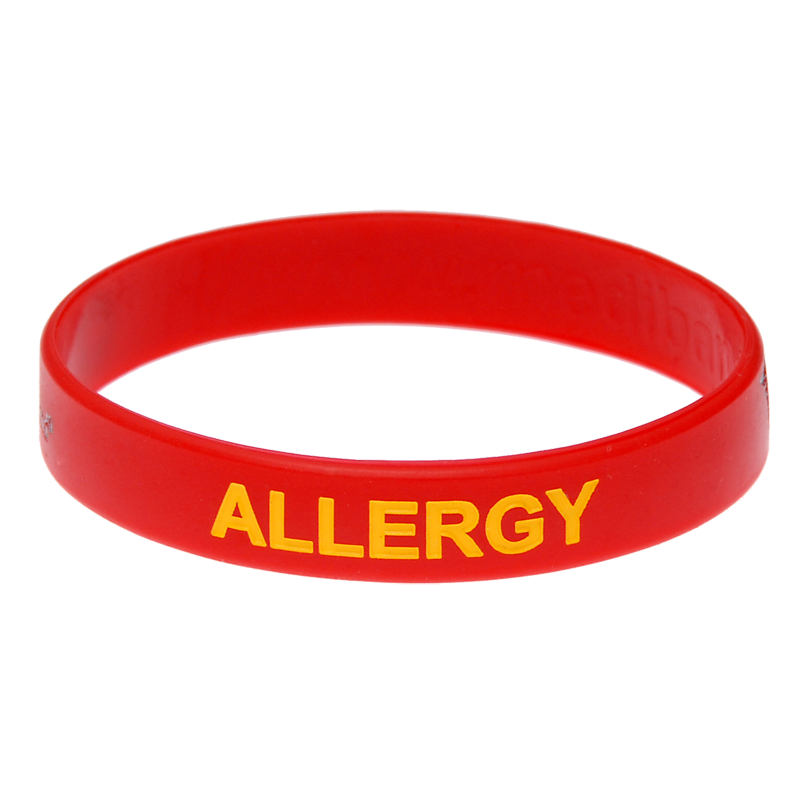
A write-on medical bracelet is versatile enough to accommodate multiple conditions and can be updated as your health status changes. For single-condition identification, pre-engraved bracelets provide clear, professional, permanent communication. The key is choosing one you are comfortable wearing every day — because a bracelet in a drawer provides no protection.
Rule 3: Never Skip Medication Without Medical Advice
Medication adherence is one of the most critical health and safety rules for anyone on long-term treatment. Missing doses, skipping medications, or stopping treatment without consulting your doctor can trigger serious and sometimes life-threatening events — from seizures in people with epilepsy to diabetic ketoacidosis in insulin-dependent diabetes to cardiac arrhythmia in people with heart conditions.
Common reasons for poor adherence include side effects, cost, difficulty remembering, and feeling better and assuming the medication is no longer needed. Each of these barriers has solutions — side effect management strategies, subsidised access schemes, pill reminders, and education about why ongoing treatment is necessary even when symptoms are controlled. Discuss adherence challenges openly with your prescribing doctor or pharmacist.
Rule 4: Keep an Updated Emergency Information Card
A medical alert bracelet flags your condition, but there is a limit to how much detail fits on a wrist-worn device. An emergency information wallet card — kept with your identification in your wallet — provides the expanded information that responders and hospital staff need: all current medications and doses, known allergies, treating doctors and their contact details, and any specific instructions relevant to your care.
Review and update your emergency card whenever your medications change, you receive a new diagnosis, or your emergency contacts change. An outdated card is nearly as problematic as no card at all.
Rule 5: Share Your Condition with Trusted People
Disclosing a medical condition can feel uncomfortable, but not sharing relevant health information with the people around you creates safety risks. Family members, close friends, housemates, and colleagues who spend significant time with you should know:
- What your condition is and how it might affect you
- What the signs of a medical emergency look like for your specific condition
- Where your emergency medications are kept and how to use them
- When and how to call emergency services on your behalf
This is not about burdening others — it is about creating a safety network that works in the moments when you cannot advocate for yourself. An eye-catching neon medical alert bracelet can also prompt questions from people around you that create natural opportunities for these conversations.
Rule 6: Plan for High-Risk Situations in Advance
Certain situations carry heightened health risks for people with chronic conditions: travel (especially internationally, where medical systems may differ), physical activity, extreme weather, illness, and situations where routine is disrupted. Anticipating these situations and planning appropriately significantly reduces risk.
Travel Preparation
Travel with sufficient medication for the entire trip plus extra in case of delay. Carry medications in carry-on luggage, not checked bags, which may be lost. Bring your prescriptions and dosing information in case medications need to be replaced. For insulin-dependent diabetes, know how to manage insulin storage during long journeys. For epilepsy, be aware of any changes in time zone that affect medication timing.
Exercise and Physical Activity
Physical activity affects blood glucose levels in diabetes, can be a seizure risk for people with poorly controlled epilepsy, and can increase heart rate and blood pressure in ways that matter for cardiac conditions. Discuss exercise safety with your healthcare team, carry your emergency medications when exercising, and wear your medical alert bracelet — particularly when exercising alone or in remote areas.
Rule 7: Avoid Known Triggers for Your Condition
Most chronic conditions have identifiable triggers — factors that worsen the condition or increase the risk of an acute event. Common triggers include:
- Epilepsy: Sleep deprivation, alcohol, illness, missed medication
- Asthma: Cold air, exercise, allergens, smoke, respiratory infections
- Diabetes: Missed meals, excess carbohydrate, illness, missed insulin
- Allergies/anaphylaxis: Exposure to specific foods, medications, or stinging insects
- Cardiac conditions: Excessive caffeine, alcohol, certain medications, extreme exertion
Trigger identification is a personal process — keep a symptom diary if needed and discuss patterns with your healthcare team. Avoiding known triggers is not about restricting your life but about making informed choices that reduce your risk.
Rule 8: Attend All Scheduled Medical Appointments
Chronic condition management requires ongoing monitoring. Blood tests, imaging, specialist reviews, and screening for complications are not optional extras — they are the mechanism by which your healthcare team detects problems early, adjusts treatment, and ensures your management plan remains appropriate.
The long-term complications of many chronic conditions — such as diabetic retinopathy, nephropathy in kidney disease, or osteoporosis in inflammatory conditions — are significantly better outcomes are achieved with early detection through regular monitoring than with reactive management after symptoms appear.
If attending appointments is difficult — due to transport, work commitments, or other barriers — speak with your practice or clinic about alternatives such as telehealth, home visits, or evening/weekend appointments.
Rule 9: Understand Drug Interactions and Check Before Taking New Medications
People with chronic conditions often take multiple medications simultaneously — a situation called polypharmacy. Drug interactions can be serious: some combinations reduce the effectiveness of essential medications, others increase toxicity risk, and some combinations are absolutely contraindicated.
Always inform any prescribing or dispensing health professional of all medications you take — including over-the-counter products, vitamins, and herbal supplements. Pharmacists are an underutilised resource for medication review and interaction checking. Many provide formal medication review services that can identify problematic combinations and simplify medication regimens.
Rule 10: Build Your Emergency Action Plan
A written emergency action plan — provided by your healthcare team and reviewed annually — is one of the most concrete health safety tools available. It specifies:
- What constitutes an emergency for your specific condition
- What steps to take in the first minutes of an emergency
- Which emergency medications to use and when
- When to call emergency services
- What information to give emergency services about your condition
Share your action plan with the people in your life who might need to use it — family members, caregivers, close colleagues. A condition-specific medical alert bracelet should be worn as the first visible signal of your emergency plan — indicating to anyone nearby that additional information and specific action is needed.
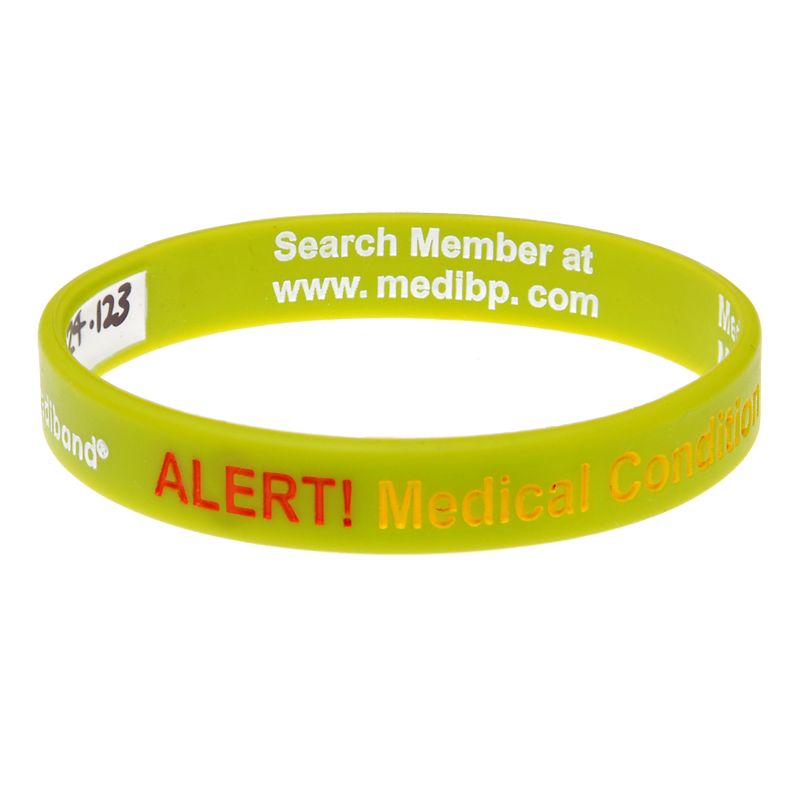
Medical Alert Bracelets for Chronic Conditions
Rule #2 — wear your medical ID every day. Choose the right one for your condition.

Building Your Personal Health Safety System
The 10 rules in this guide are most powerful when they work together as a system. Understanding your condition, wearing medical identification, maintaining medication adherence, keeping an emergency card, informing trusted contacts, planning for high-risk situations, avoiding triggers, attending monitoring appointments, managing drug interactions, and having an emergency action plan — each reinforces the others.
This is not a burden. It is the foundation of a confident, informed, and prepared approach to life with a chronic condition. Most people who establish these habits find that rather than restricting their life, they create the conditions for a fuller one — because they are no longer managing their condition reactively and instead have the confidence that comes from being well-prepared.
If you are just starting to build this system, begin with the most fundamental step: wear a medical alert bracelet. It is the one health and safety measure that works even when everything else fails — when you cannot speak, when your records are unavailable, and when the people around you do not know your history. It is the single investment that provides protection at every moment of every day.
Frequently Asked Questions
What should be on a medical alert bracelet for someone with multiple conditions?
For people with multiple conditions, a write-on medical bracelet is ideal — it allows you to list more than one condition and update the information as things change. Prioritise the most critical information: the conditions most likely to require urgent action in an emergency, such as epilepsy, diabetes, severe allergies, or anticoagulant use. A companion wallet card can provide the full detail that cannot fit on a bracelet.
How do I build a support network for managing my chronic condition?
Start with the people already in your life — family members, close friends, and colleagues who you see regularly. Explain your condition, what an emergency looks like for you, where your medications are, and when to call for help. Your healthcare team — GP, specialist, pharmacist, and allied health providers — form a professional support network. Patient support groups connect you with others managing the same condition, providing practical knowledge and emotional support.
Why is medication adherence so important for people with chronic conditions?
Medication adherence is critical because most medications for chronic conditions work through consistent blood levels — meaning missing doses disrupts therapeutic control. In conditions such as epilepsy, missed doses can directly trigger seizures. In diabetes, skipped insulin can cause dangerously high glucose levels. In cardiac conditions, missed doses may alter heart rhythm or blood pressure. The benefits of most chronic condition medications are only realised with consistent, long-term use.
How can I prepare for medical emergencies when I have a chronic condition?
Preparation involves several layers: wearing a medical alert bracelet that communicates your condition instantly, carrying prescribed emergency medications (EpiPen, glucose, GTN), keeping an updated emergency information wallet card, sharing your condition and emergency plan with trusted contacts, and having a written emergency action plan from your healthcare team. Regularly reviewing and practising your emergency plan — particularly with family members — ensures everyone knows what to do when it matters.

Share on Facebook

Share on X

Share on Pinterest
Comment(s)
Recent Posts
The Risk Of Not Wearing An Allergy Medical Alert Bracelet
March 23, 2026