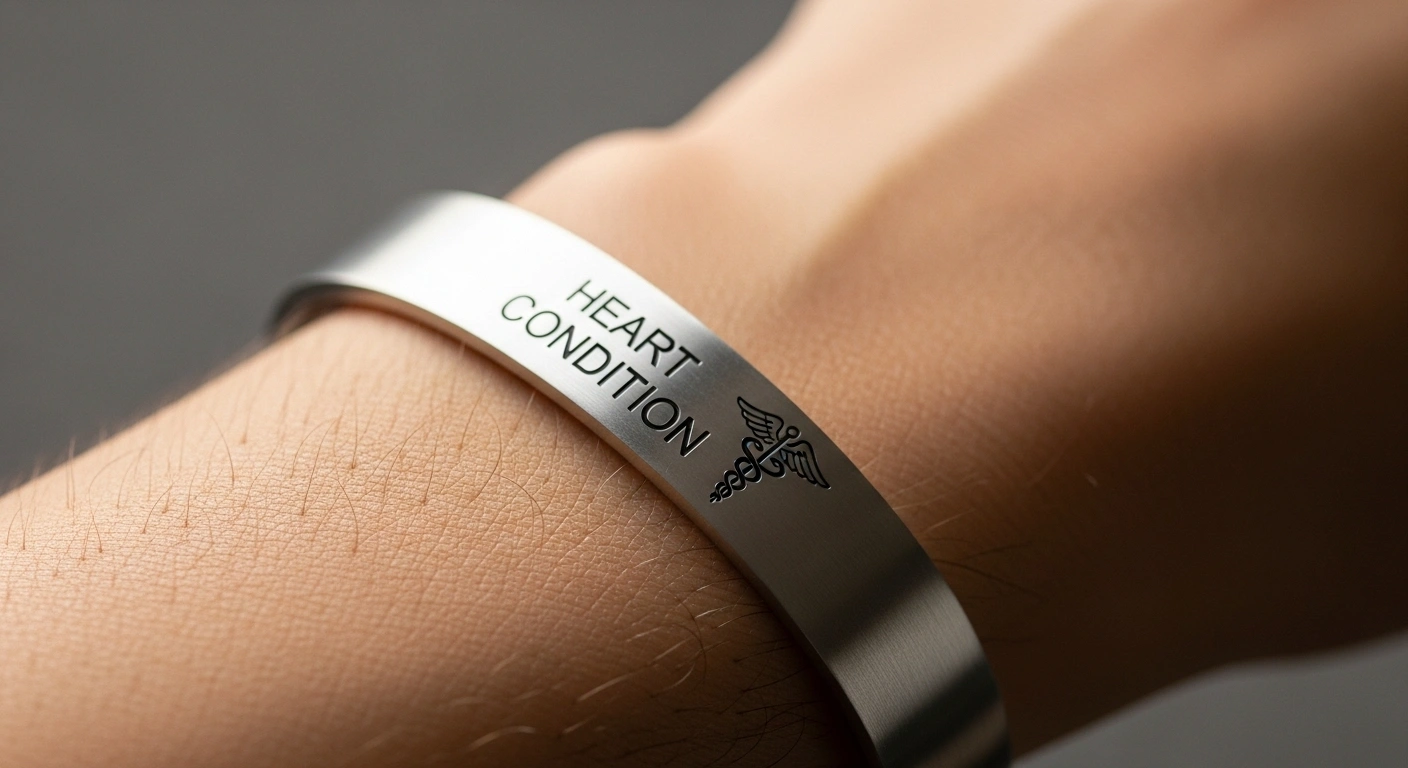
Bee Sting Allergy: Symptoms, Emergency Response, and Why You Need a Medical Alert Bracelet
November 10, 2020

A bee sting is a minor inconvenience for most people — a brief sharp pain, localised swelling, and some redness that settles within hours. But for the estimated 1–7% of the population who are allergic to bee venom, a single sting can trigger anaphylaxis, a rapid and potentially fatal allergic reaction that requires immediate emergency intervention.
Understanding bee sting allergy — its symptoms, risk factors, emergency response, and long-term management — is essential for anyone affected, as well as for those around them. This guide covers everything you need to know, including why a medical alert bracelet is considered a critical part of living safely with a bee sting allergy.
How Common Is Bee Sting Allergy?
Insect venom allergy is one of the most common causes of anaphylaxis, and bee stings are among the leading triggers. According to the World Allergy Organization, systemic allergic reactions to insect stings occur in approximately 1–7% of the general population, with a fatality rate that makes venom anaphylaxis one of the most dangerous acute allergic events.
Large local reactions — significant swelling extending beyond the sting site — affect a much larger proportion of the population, estimated at up to 26%. While large local reactions are uncomfortable and alarming, they are not the same as systemic anaphylaxis and rarely progress to life-threatening severity. However, anyone who has experienced a large local reaction should be evaluated by an allergist, as some of these individuals will develop systemic reactions to future stings.
Recognising Bee Sting Allergy Symptoms
Bee sting reactions range from normal local responses to life-threatening anaphylaxis. Knowing the difference is critical for both the person affected and any bystander who may need to act.
Normal Local Reaction
A normal reaction to a bee sting includes immediate sharp pain at the sting site, redness and swelling localised to the sting area (typically less than 10 cm), and warmth. These symptoms typically peak within a few hours and resolve within 24–48 hours. No medication is usually required beyond removing the stinger and applying a cold compress.
Large Local Reaction
A large local reaction involves swelling that extends significantly beyond the sting site — sometimes involving an entire limb — peaking at 24–48 hours and resolving over several days. While alarming, large local reactions are not anaphylaxis. They do not typically require emergency treatment but may benefit from antihistamines, oral corticosteroids, and elevation of the affected limb.
Systemic Allergic Reaction (Anaphylaxis)
Anaphylaxis is a medical emergency. Signs of anaphylaxis following a bee sting include:
- Hives, itching, or flushed or pale skin distant from the sting site
- Swelling of the throat or tongue, difficulty swallowing
- Shortness of breath, wheezing, or stridor
- Rapid or weak pulse, low blood pressure, dizziness
- Nausea, vomiting, or abdominal cramping
- Loss of consciousness
Anaphylaxis typically develops within minutes of a sting, though delayed reactions can occur. Any suspicion of anaphylaxis should be treated as a medical emergency requiring immediate adrenaline administration and a call to emergency services.
Emergency Response to a Bee Sting Anaphylaxis
Rapid, correct action in the first minutes of anaphylaxis can be the difference between life and death. The standard emergency response follows this sequence:
- Administer adrenaline (epinephrine): For anyone prescribed an EpiPen or equivalent auto-injector, this should be administered immediately into the outer mid-thigh. Do not delay for antihistamines or other medications — adrenaline is the only first-line treatment for anaphylaxis.
- Call emergency services: Even if symptoms seem to resolve after adrenaline, a second wave of anaphylaxis (biphasic reaction) can occur hours later. All anaphylaxis events require emergency medical evaluation.
- Position the person appropriately: If conscious, sit them upright to ease breathing. If unconscious or showing signs of shock, lay them flat with legs elevated unless breathing is compromised.
- Administer a second dose if needed: If symptoms do not improve within 5–15 minutes and a second auto-injector is available, a second dose may be given while awaiting emergency services.
Why a Medical Alert Bracelet Is Critical for Bee Sting Allergy
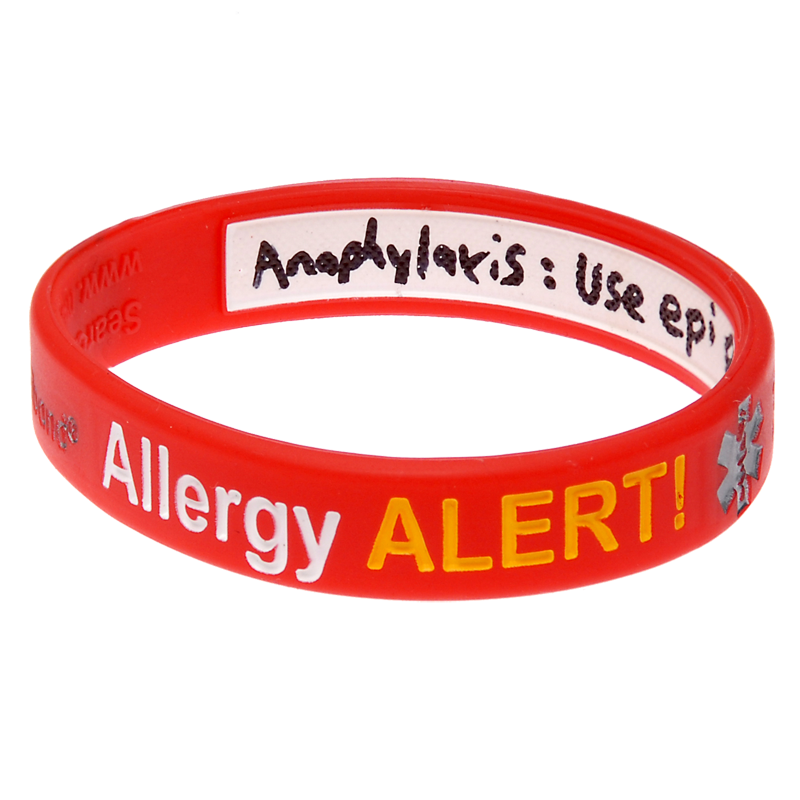
A person who becomes unconscious from anaphylaxis cannot tell paramedics or bystanders what is happening or what medication they carry. A medical alert bracelet communicates this instantly and reliably.
For someone with a known bee sting allergy, a bracelet can communicate:
- The specific allergy ("Bee Sting Allergy" or "Insect Venom Anaphylaxis")
- That the person carries an EpiPen or adrenaline auto-injector
- Any other relevant allergies or conditions
- Emergency contact information
This information allows bystanders to locate and administer the EpiPen and helps paramedics understand immediately what they are dealing with. A pre-engraved bee sting allergy medical bracelet is one of the most direct forms of this communication — no interpretation required.
Long-Term Management of Bee Sting Allergy
Beyond emergency preparedness, people with confirmed bee sting allergy have access to a highly effective long-term treatment: venom immunotherapy (also called allergy desensitisation). This involves a course of injections using gradually increasing doses of bee venom, administered over a period of three to five years. Research shows that venom immunotherapy reduces the risk of a future systemic reaction from approximately 60% to less than 5%, and is considered one of the most successful forms of immunotherapy available.
Not everyone with a bee sting allergy is a candidate for immunotherapy, and access varies by location. An allergist can assess the severity of your reaction, order appropriate venom-specific IgE testing, and advise on whether immunotherapy is appropriate.
Regardless of immunotherapy status, anyone with a known systemic allergy to bee stings should always:
- Carry at least one (ideally two) adrenaline auto-injectors at all times
- Wear a medical alert bracelet stating the allergy and EpiPen use
- Ensure close contacts know how to use an EpiPen
- Have a written anaphylaxis action plan from their doctor
Bee Sting Allergy and Outdoor Activities
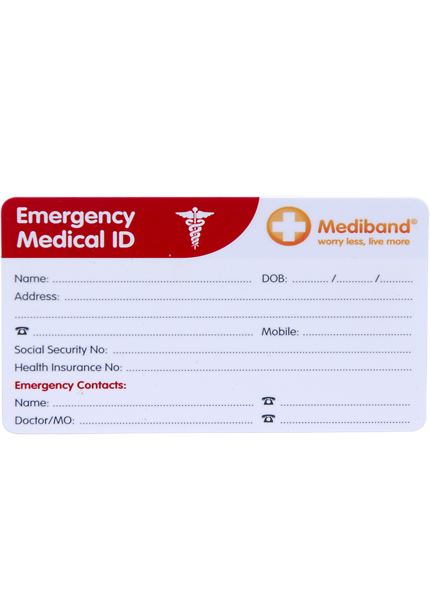
For people with bee sting allergy, outdoor activities require a little more planning but do not have to be avoided. Wearing light-coloured, smooth fabrics rather than dark or floral patterns makes you less attractive to bees. Avoiding sweet-smelling perfumes and food in open outdoor areas also helps. Most importantly, always having your EpiPen and a medical information card accessible when outdoors means you are prepared if the worst happens.
Wearing a medical bracelet that indicates EpiPen use is particularly valuable in outdoor settings where you may be alone or far from help — it tells any first responder exactly what action is needed before they ask any questions.
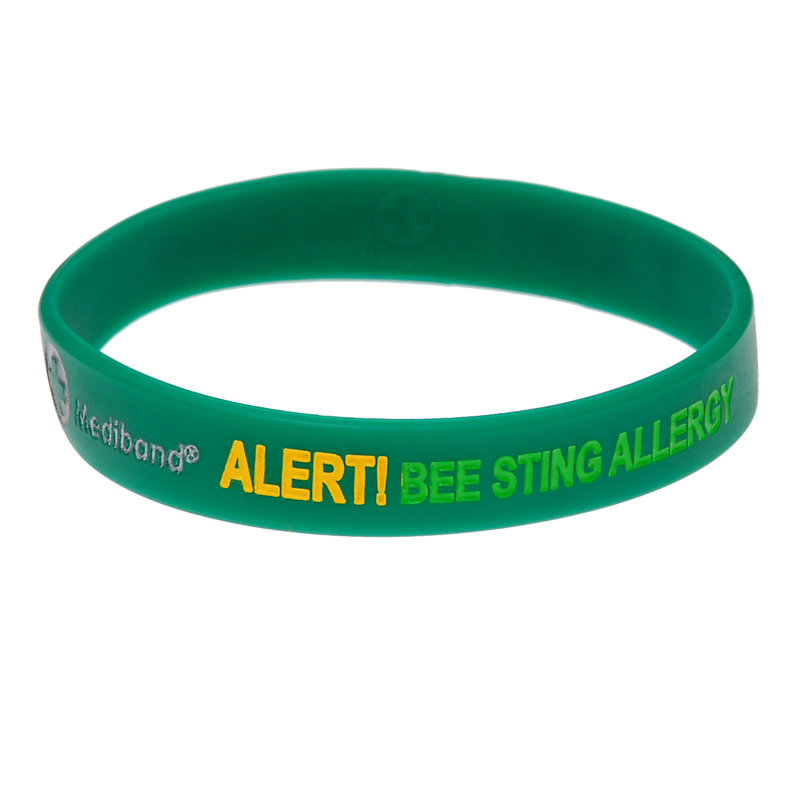
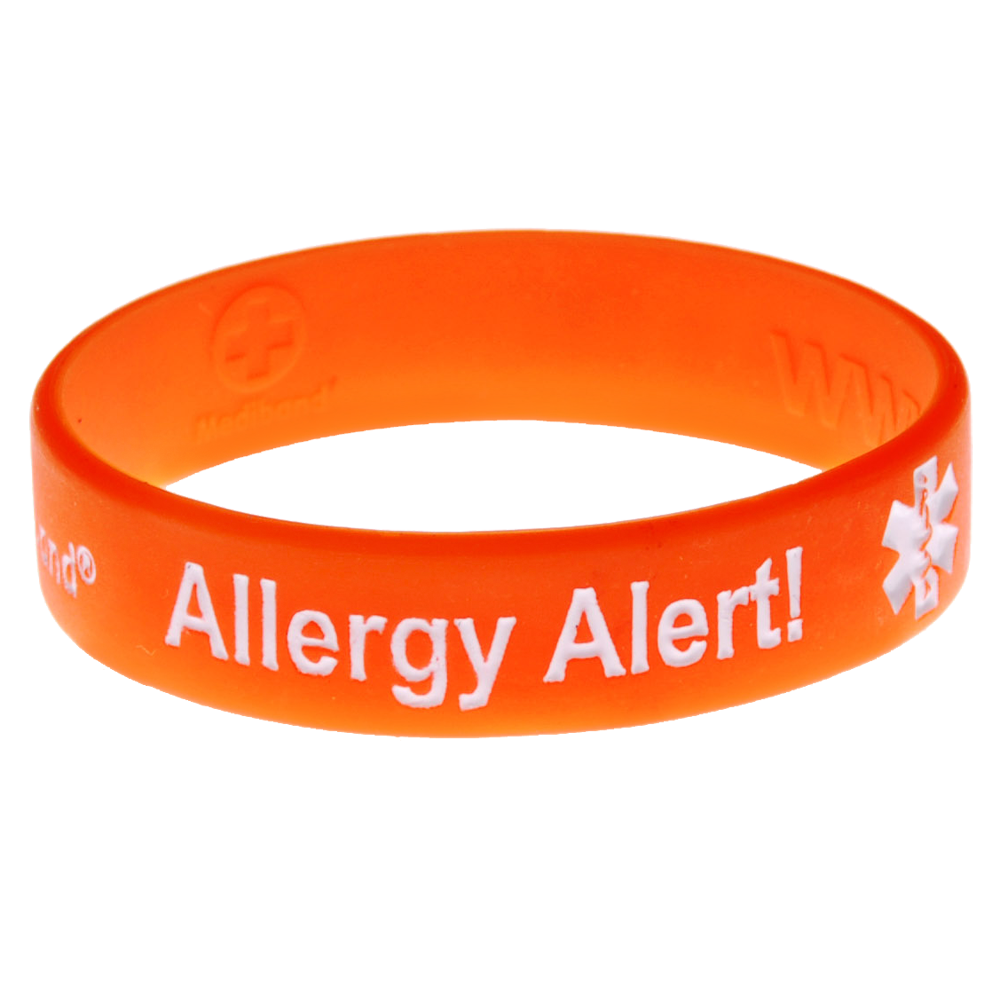
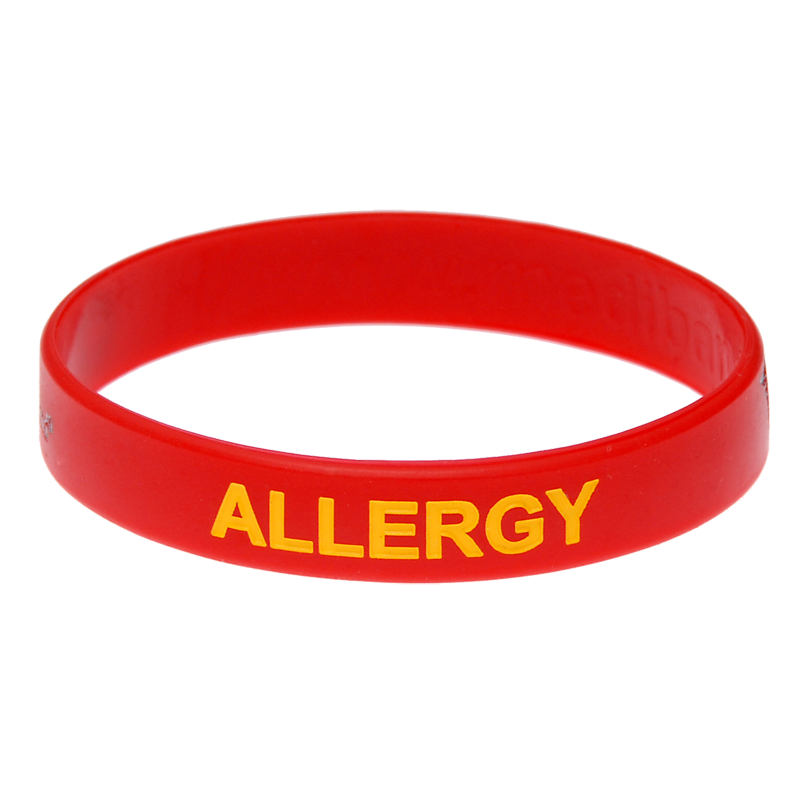
Medical Alert Bracelets for Bee Sting & Anaphylaxis
Be identifiable in an emergency — wear your allergy information at all times.

Teaching Others to Respond to Bee Sting Anaphylaxis
One of the most effective safety measures for anyone with a bee sting allergy is ensuring the people around them know what to do. Family members, coworkers, school staff, and friends should know:
- What anaphylaxis looks like and how quickly it can escalate
- Where the person's EpiPen is kept
- How to use an adrenaline auto-injector (many pharmacies and allergy clinics offer free training)
- When to call emergency services and what to say
A medical alert bracelet combined with a visible, well-communicated emergency plan gives people with bee sting allergy the best possible safety net. Outdoor environments — gardens, parks, sports fields, hiking trails — are where stings are most likely to occur, and having prepared people nearby dramatically improves outcomes.
Living with a bee sting allergy does require vigilance and preparation, but with the right tools and knowledge, the risk of a fatal outcome is very manageable. A medical alert bracelet is one of the simplest and most effective components of that preparation.
Frequently Asked Questions
How do I know if I am allergic to bee stings?
If you have had a previous bee sting that caused symptoms beyond normal local swelling — such as hives away from the sting site, swelling of the face or throat, breathing difficulty, dizziness, or loss of consciousness — you may be allergic. See an allergist for venom-specific IgE blood testing and skin testing to confirm the diagnosis and assess your risk.
Should I carry an EpiPen if I am allergic to bee stings?
Yes. Anyone with a confirmed systemic allergy to bee venom should be prescribed an adrenaline auto-injector (such as an EpiPen) and carry it at all times. Ideally carry two, as a second dose may be needed while waiting for emergency services. Your prescribing doctor can provide an anaphylaxis action plan explaining when and how to use it.
What does a bee sting allergy medical bracelet say?
A bee sting allergy medical bracelet typically states "Bee Sting Allergy", "Insect Venom Anaphylaxis", or "Allergic to Bee Stings". Many also include "Carries EpiPen" or "Use EpiPen in Emergency" to guide bystanders and first responders. Write-on versions allow you to add specific medications or contact information.
Can bee sting allergy be cured?
Venom immunotherapy (desensitisation) significantly reduces the risk of future systemic reactions — in most cases reducing the risk from around 60% to less than 5% for subsequent stings. While not technically a cure, it is highly effective and is considered the best long-term management strategy for people with confirmed bee venom anaphylaxis. Discuss eligibility with an allergist.

Share on Facebook

Share on X

Share on Pinterest
Comment(s)
Recent Posts

The Risk Of Not Wearing An Allergy Medical Alert Bracelet
March 23, 2026