
Coping with Asthma During the Australian Bushfires

Asthma affects the lives of about 339 million people worldwide, according to the Global Asthma Report. If you're one of them, and you live in Australia, you might be wondering how to contend with the effects of Australian fires on your asthma.

Australia has recently been hit by a swath of particularly bad summer wildfires. Experts predict that these massive fires in Australia will continue to burn for months to come. But even outside of this extreme case, summer bushfires are a common part of life in Australia. For people with asthma, the effects of wildfires (even normal ones) can wreak havoc on health.

If you have asthma, you're probably wondering how to cope with these fires, and which asthma treatment might help best. This guide is for you -- read on to learn what you need to know about thriving with asthma in the summer even during an Australian bushfire.

What Causes Asthma Attacks?

First, let's take a look at how asthma works, so you can better understand what triggers those attacks.

Basically, asthma causes your bronchial tubes to swell up and become obstructed. As the air passages shrink, breathing becomes much harder. These attacks can range in severity from mild ones that go away in a matter of minutes to serious ones that go on for days.

Environmental triggers will bring on an asthma attack, and there's a wide range of possible triggers to contend with. Common asthma triggers include pollen, dander, dust mites, fragrances, and fumes in the air. However, exercise, illness, weather, and even emotional responses can also trigger an attack.

Why Do Asthma Attacks Increase During Bushfire Season?

Australia bushfire

Smoke from fires in also a common cause of asthma attacks. Bushfire season can cause extremely smoky air, since these fires are widespread and may burn for a long time. They can affect the air quality many miles away from the actual fire, causing asthma attacks in people who are nowhere near the Australia wildfires themselves.

Fires release something called PM2.5 particles into the air. These particles are under 2.5 micrometres across, making them small enough to get into the lungs when you breathe. While they affect breathing for everyone, PM2.5 particles are especially damaging to those with asthma. In people with severe respiratory problems, the buildup of particles in the lungs can actually cause death.

Not only do the smoke particles from bushfires contribute to asthma attacks, but the heightened stress and anxiety of bushfire season can do the same thing. Fear from an encroaching fire can trigger an attack even if you've managed to keep the air quality in your home high.

However, even if your area isn't threatened by fires, those tiny particles can travel through the air and trigger asthma attacks when you aren't expecting them. During bushfire season, it's wise to take extra precautions to keep yourself safe from attacks.

The Symptoms of an Asthma Attack

Not sure if you're experiencing an asthma attack?

During bushfire season, people with even mild asthma might start experiencing attacks more than usual. If you're not very familiar with the symptoms, you may be unable to recognize them at first.

An "asthma attack" refers to when your asthma symptoms suddenly start getting worse. You may have mild symptoms normally, but in an attack, they'll rapidly worsen. Some common asthma symptoms to look for include:

  • Wheezing or coughing
  • Difficulty breathing or shortness of breath
  • Pain or tightness in the chest

However, the exact symptoms of asthma will differ for each person. It's important to get familiar with the symptoms you typically experience so you can recognize and treat them fast.

You should also know when to seek emergency medical treatment for asthma. Most asthma attacks can be safely treated on your own once you've seen a doctor for advice. However, if you experience severe wheezing or shortness of breath, strain in your chest muscles as you struggle to breathe, or can't speak full sentences because of your shortness of breath, seek medical treatment right away.

How to Deal with the Effects of Wildfires and Asthma

asthma patient

When you feel the effects of an attack coming on, what should you do? These tips will help you cope with the effects of wildfires on your asthma.

Have an Action Plan and Stick to It

If you have asthma symptoms, even if you've never had an attack before, it's worthwhile to schedule a preventative visit with your doctor. When the effects of wildfires cause the air quality to worsen, you'll be better prepared if you've already scheduled this visit.

At your visit, your doctor can help you work out an action plan. This plan will give you specific steps to take when you start to experience asthma symptoms. Whether or not you've had an attack before, having a plan will help you deal with it when it comes.

For most people, that action plan will involve a rescue inhaler. This type of medication is called a "reliever": it relieves asthma symptoms. You should always carry your inhaler or other reliever medication with you during bushfire season. These medications will open up your airways so you can breathe properly again.

Keep Yourself Calm

When you're in the throes of an asthma attack, it's easy to feel stressed, anxious, or frightened. However, keeping yourself calm is one of the most important ways to keep the symptoms from getting worse.

Try to take deep, long breaths, which will help you feel calmer and prevent you from hyperventilating. Try breathing in through your nose slowly, then breathing out through your mouth slowly. Relax the muscles of your upper body as much as you can.

It can also help to try breathing techniques from practices like yoga. Try to familiarize yourself with some of these techniques when you're not experiencing an attack. Then, you'll be ready to use them when you need them.

Consume Something Warm and Caffeinated

Drinking a hot beverage with caffeine can actually help your airways become a bit less constricted, which may mildly reduce your symptoms. While this can't replace medical treatment, it can help you get relief if you can't get treatment right away.

Sit up Straight

If you're bending over, you'll increase the constriction in your airways. Sitting up straight opens up your airways as much as possible so you can breathe a little more easily.

Increasing Your Asthma Safety in Bushfire Season

asthma bracelet

While these tactics will help once you're already having an attack, preventative measures can also help reduce asthma attacks during bushfire season. Prepare yourself with these tips that will reduce the likelihood of an attack.

Stay Away from Smoke

To some extent, wildfire smoke during bushfire season can be unavoidable. However, the more you can stay away from smoke, the less likely you are to have an attack.

Try to stay at home and keep the doors and windows shut so smoke can't get in. Use your air conditioner or fan if it gets hot, rather than opening the windows. Consider using a portable air cleaner in the rooms where you spend the most time.

Don't Do Anything Strenuous

Anything that increases your rate of breathing will cause you to inhale more smoke-filled air. If the air is already smoky, avoid strenuous activity unless you can do it somewhere smoke-free.

Buy Protective P2 Face Masks

As the bushfires rage on, you might see more people wearing protective face masks. However, only P2-rated masks can effectively filter out the PM2.5 particles that fires release into the air.

Stocking up on these masks can help, but it's important to use them properly. P2 masks work for about eight hours at a time, after which you'll need to dispose of the old mask and put on a new one. They also need to seal tightly around the face, so they won't work if you have a beard.

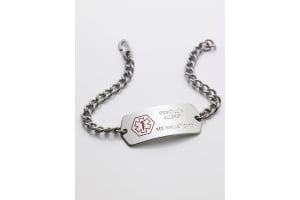
Wear an Alert Bracelet

In the worst-case scenario, you may need to inform medical providers that you have asthma, but you may be unable to speak. One smart preventative tip is to wear a bracelet or another medical alert device that will provide the alert for you. You can find these bracelets in a range of colors and styles so you'll feel good about wearing them every day.

Taking Asthma Treatment into Your Own Hands

When it comes to treating asthma while experiencing the effects of wildfires, it's important to see a medical professional for your treatment plan. However, you can also use these treatment and prevention tips to take control of the situation and reduce asthma attacks.

Asthma looks slightly different for each person. You might have different triggers and different symptoms than other people with asthma. However, the Australian bushfire season severely impacts air quality, creating a trigger that's likely to affect anyone with asthma. It's important to be prepared with the tools and knowledge that will keep you safe.

A medical alert bracelet is one of the most important tools for safety during the worst of the Australia wildfires. Need a design that suits your personal style? Check out our custom medical ID options here!