

What Preventative Care Really Means
The phrase "preventative care" gets thrown around so often it can start to feel meaningless. The simplest definition: anything you do today to stop a health problem from happening tomorrow — or to catch one early enough that the fix is small. That covers a lot. It includes screening tests, vaccinations, regular check-ups, healthy lifestyle habits, mental-health awareness, dental care, vision tests, and even wearing a medical alert bracelet so the right care arrives on the worst day.
The idea is straightforward: it's almost always cheaper, less painful, and less stressful to prevent or detect a problem early than to treat one after it has progressed. According to the World Health Organization, around 80% of premature heart disease, stroke, and Type 2 diabetes — and over a third of cancers — are preventable through lifestyle, screening, and early intervention.

The Pillars of Preventative Care
Preventative care isn't one thing — it's a stack of habits and decisions that compound over years. The major pillars:
Regular Screening Tests
Blood pressure, blood sugar, cholesterol, BMI, cancer screening (skin, breast, cervical, prostate, bowel — depending on age and risk), bone density, eye and dental checks. Most chronic disease shows up here long before symptoms.
Vaccinations
Childhood immunisation, seasonal flu, COVID-19, shingles, pneumococcal, HPV, travel vaccines. Vaccines prevent more illness, hospitalisation, and death globally than almost any other public-health tool.
Lifestyle Foundations
Movement (around 150 minutes of moderate exercise per week), nutrition (predominantly whole foods, plants, lean protein), sleep (7-9 hours), low-to-moderate alcohol, no smoking, healthy body weight. Boring, repetitive, deeply effective.
Mental Health
Stress management, social connection, professional support when needed, screening for depression and anxiety. Mental health is health — and unmanaged stress drives a long list of physical conditions.
Emergency Preparedness
This is where medical alert bracelets, first-aid kits, family emergency plans, and digital health profiles come in. Preventative care extends to "what happens if something goes wrong despite my best efforts?"
Recommended for you
Products related to this article
Hand-picked to go with what you just read.
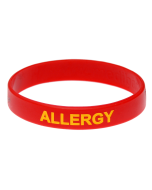
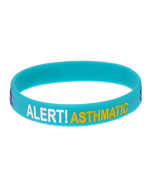
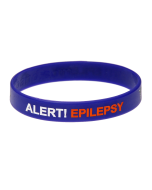
Why a Medical Alert Bracelet Is Part of Preventative Care
Most people think of preventative care as stopping bad things from happening. But true prevention also covers preventing the wrong response when something does happen. A medical alert bracelet doesn't stop a heart attack, hypoglycaemic episode, anaphylactic reaction, or fall — but it dramatically improves what happens in the first 30 seconds after one.
Consider the cost-benefit: a stainless-steel ID lasts 10 years and costs less than a single GP visit. The five seconds it saves a paramedic in identifying anticoagulant use, insulin dependence, or a severe allergy can be the difference between the right treatment and the wrong one. Prevention is always more efficient than reaction.
Building Your Personal Preventative Care Plan
The most useful preventative care plan is the one tailored to your age, family history, and lifestyle. A starting framework:
Annual
- GP review (longer if you have a chronic condition)
- Blood pressure check
- Skin check (dermatologist or GP)
- Mental health check-in
- Influenza vaccination
Every 1-2 Years
- Blood tests (cholesterol, blood sugar, kidney/liver, vitamin D, iron)
- Dental check and clean
- Eye examination
- Body composition / weight review
- Update medical alert bracelet info
Age and Risk-Specific
- Cervical screening (every 5 years from age 25)
- Bowel cancer screening (every 2 years from age 50)
- Breast screening / mammogram (typically every 2 years from age 50)
- Prostate screening conversation (from age 50, earlier with family history)
- Bone density (from age 60, or earlier with risk factors)
- Cardiac assessment (from age 45, or earlier with family history)
How Preventative Care Pays Off Over Time
The real magic of preventative care isn't the single screening or vaccine — it's the compounding effect over decades:
- Early detection saves life-years. A skin cancer caught at stage 1 has a 99% five-year survival rate. Caught at stage 4, it drops to 32%. The difference is a five-minute skin check.
- Lifestyle changes compound. Consistent exercise and good sleep over 20 years cuts cardiovascular risk by 30-50% — far more than any single medication.
- Vaccinations prevent epidemics. Routine immunisation prevents 4-5 million deaths per year globally, according to WHO.
- Mental health early intervention reduces the duration and severity of episodes, and improves functional outcomes for life.
- A medical alert bracelet doesn't just help in your next emergency — it helps every time you're admitted, treated, or transferred over decades.
What Often Gets Missed
Even people who do most things right miss a few common pieces of preventative care:
Hearing Tests
Hearing loss is increasingly linked to cognitive decline. Most adults skip it until problems are obvious. A baseline hearing test from age 50 — and treatment of any loss — supports brain health later.
Posture and Mobility Assessment
Working-age adults rarely get a posture or mobility check, yet poor mechanics drive a huge portion of musculoskeletal pain. A physiotherapist or occupational therapist can flag risks before they become injuries.
Sleep Studies
Sleep apnoea is dramatically under-diagnosed and significantly increases cardiovascular and metabolic risk. If you snore, wake unrefreshed, or have noticed tiredness despite "enough" sleep, ask about a sleep study.
Pelvic Floor and Continence
Common and treatable — and almost never raised in routine consultations. After childbirth, midlife, and into older age, pelvic-floor health affects daily life more than people admit.
Family Medical History
Knowing whether your relatives had heart disease, cancer, mental-illness, or genetic conditions changes what tests and ages your GP recommends. Most patients have never sat down to map this out clearly.
Tying It All Together
A great preventative care plan isn't built overnight. It evolves with your age, family situation, and life stage. The win is consistency: regular check-ups, sensible daily habits, current vaccinations, an updated medical alert bracelet, and a mental-health network you actually use. Each item is small. Together, they compound into decades of better health and a much smaller footprint of medical drama in your life.
Frequently Asked Questions
What's the most cost-effective preventative care I can do?
Lifestyle: regular movement, good sleep, predominantly whole-food diet, low-to-moderate alcohol, no smoking. Annual GP visit and routine vaccinations are the highest-impact paid items. A medical alert bracelet costs little and pays off in any future emergency.
Do I need a preventative care plan if I'm young and healthy?
Yes — and it's the best time to start. Building habits in your 20s and 30s sets the trajectory for your 40s, 50s, and beyond. Annual GP visits, dental and eye checks, vaccinations, mental-health awareness, and an emergency plan all matter even when you feel invincible.
How does a medical alert bracelet fit into preventative care?
It prevents the wrong emergency response. A bracelet doesn't stop a hypo, fall, or allergic reaction — but it ensures the paramedic and ER team have the right information in the first 30 seconds. Like a smoke alarm or seatbelt, it sits quietly until the day you need it.
What screening tests should I prioritise based on my age?
Talk to your GP — they'll factor in your age, sex, family history, and risk factors. Generally: from 25 (cervical screening), 45 (cardiac check), 50 (bowel cancer, mammogram, prostate conversation), 60 (bone density). Skin checks, dental, and eye checks happen at all ages.
How can I encourage my family to do preventative care?
Lead by example, share your own results, and book together when possible. Frame it as protection rather than worry — "let's both go in for our annual check-up." For older parents, a regular health appointment plus a medical alert bracelet are practical, low-friction starting points.

Written by
Founder, Mediband
Founder of Mediband; over 20 years providing medical IDs worldwide.
← Previous
National Diabetes Week: Awareness, Action & Medical IDs
Next →
Medical ID, Smartwatches & Wearable Tech: A 2026 Guide
Comment(s)