
Nickel Allergy and Medical IDs: The Best Hypoallergenic Options
May 30, 2024
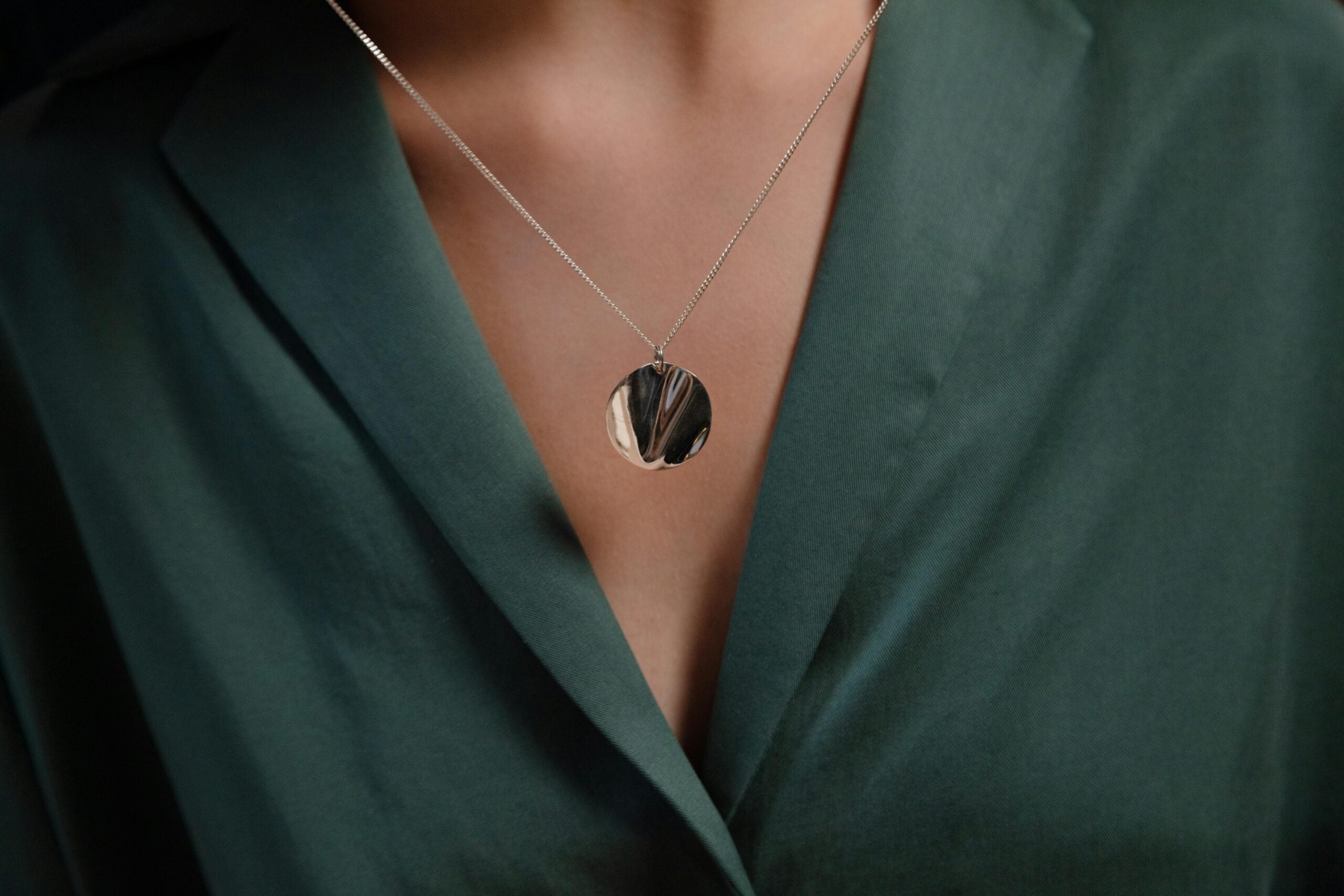
Around 8% of Australians live with a nickel allergy — one of the most common causes of contact dermatitis in the country. For most, it means avoiding cheap jewellery and checking clothing fastenings. But for people who also need a medical alert ID, it raises an obvious problem: most traditional medical jewellery contains nickel.
The good news is that your options are broader than you might expect. From hypoallergenic silicone bracelets to titanium dog tags and clip-on seatbelt IDs, there is a nickel-free medical ID for every lifestyle — and for every type of medical information you need to carry.
What Is a Nickel Allergy?
Nickel is one of the most widely used metals in the world. It is found in jewellery, watch straps, belt buckles, dental crowns, spectacle frames, and hundreds of everyday items. When skin comes into prolonged contact with nickel, the immune system in sensitive individuals mounts a response — a condition called allergic contact dermatitis.
Symptoms typically appear within 12–48 hours of exposure and include:
- An itchy, red rash at the site of contact
- Dry or scaly skin patches
- Blistering or weeping in severe cases
- Swelling and warmth around the affected area
According to Allergy & Anaphylaxis Australia, nickel is the leading cause of metal contact allergy in Australia, affecting an estimated 1 in 12 people — with rates higher in women due to greater exposure through jewellery. While most reactions are localised and manageable with antihistamines or topical corticosteroids, a small number of individuals experience systemic reactions or anaphylaxis. If anaphylaxis occurs, call Triple Zero (000) immediately.
Once a nickel allergy develops, it is lifelong. Avoidance is the only reliable long-term strategy — which is why choosing the right materials for a medical ID matters.
Shop Nickel-Free Medical IDs
Every option below is made from hypoallergenic silicone or nickel-free materials — safe for sensitive skin and built to last.
Why People with Nickel Allergies Still Need a Medical ID
Having a nickel allergy does not mean you need a medical ID solely for the allergy itself — though if your nickel allergy causes anaphylaxis or requires specific surgical precautions, that is absolutely worth flagging. More commonly, people with nickel allergies need a medical ID for a separate underlying condition, and they simply cannot wear standard metal medical jewellery.
Common situations include:
- A person with diabetes or epilepsy who needs to flag their condition but reacts to metal bracelets
- Someone with multiple drug allergies who needs to list them for emergency responders
- A person undergoing surgery who needs staff to know about their nickel sensitivity (certain instruments and implants can be substituted)
- Children with food allergies who cannot wear metal ID bands at school or during sport
In each of these cases, a nickel-free silicone write-on bracelet solves both problems at once: it is safe on sensitive skin and carries exactly the medical information first responders need.
The Best Nickel-Free Medical ID Options
Silicone Medical Alert Bracelets
Silicone is the gold-standard material for nickel-sensitive individuals. It contains no metals of any kind, is completely hypoallergenic, and is waterproof — meaning it can be worn 24/7 through showering, swimming, and sport without degrading. Mediband’s silicone bracelets come in two main styles:
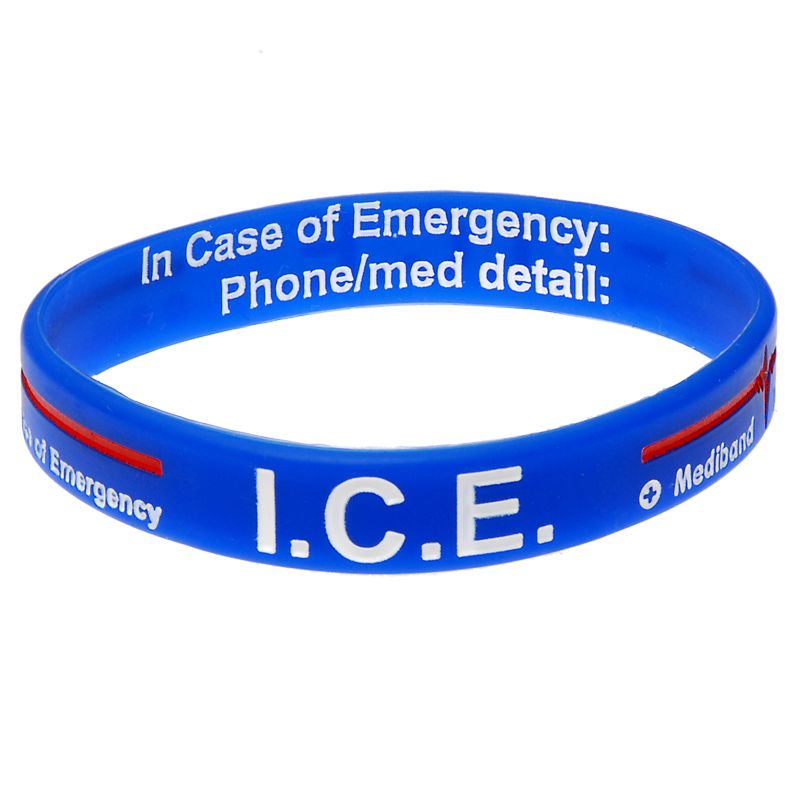
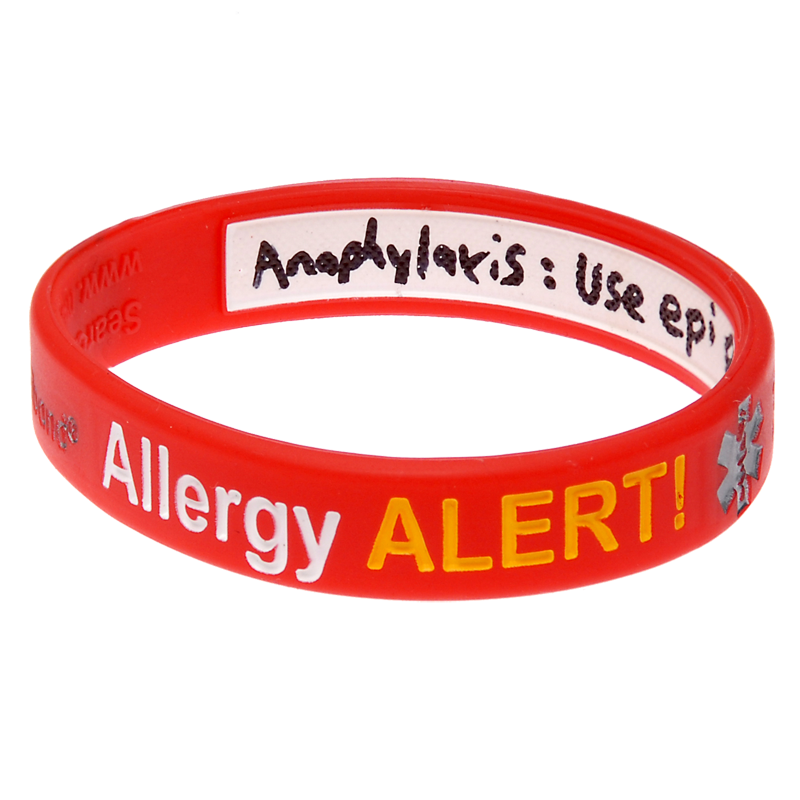
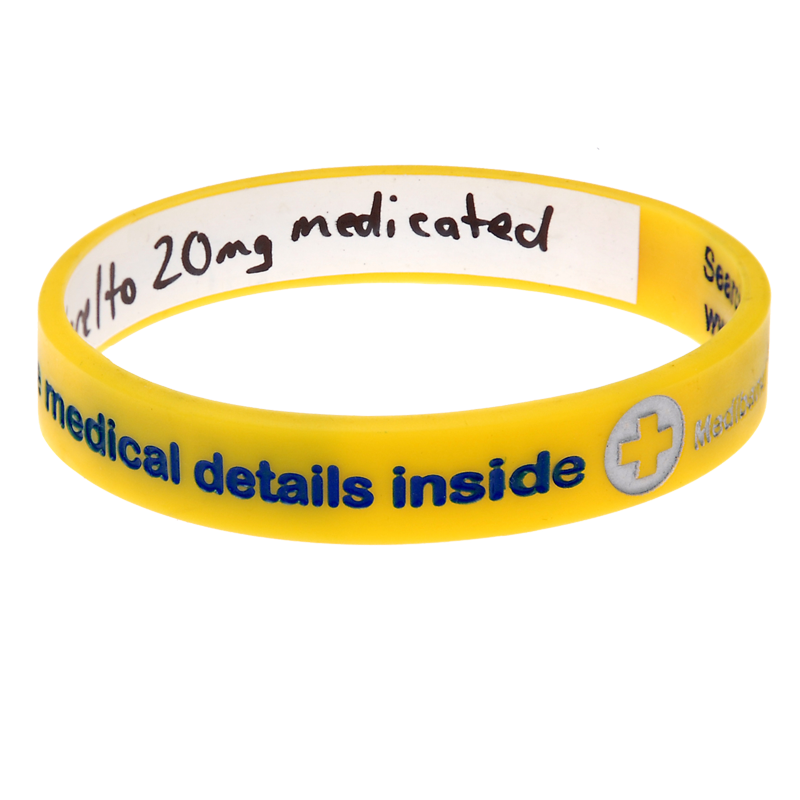
- Write-on bracelets — a writeable strip on the reverse lets you include your condition, medications, allergies, and ICE contact in your own handwriting. Ideal if your information changes regularly.
- Pre-printed condition bracelets — clearly display your condition name on the front for instant identification. Available for dozens of conditions including allergy alert, diabetes, epilepsy, and more.
Medical ID Necklaces
For people who prefer not to wear a bracelet, a nickel-free medical ID necklace is an excellent alternative. Mediband’s stainless steel dog tags are made from 316L surgical-grade stainless steel — a low-nickel alloy that is considered safe for most people with mild nickel sensitivity. The reverse can be custom-engraved with your medical details.
If you have a confirmed severe nickel allergy and are concerned about stainless steel, opt for a titanium dog tag or a silicone necklace pendant instead. Titanium is completely nickel-free and one of the most biocompatible metals used in medicine.
Wallet Card + Bracelet Combination
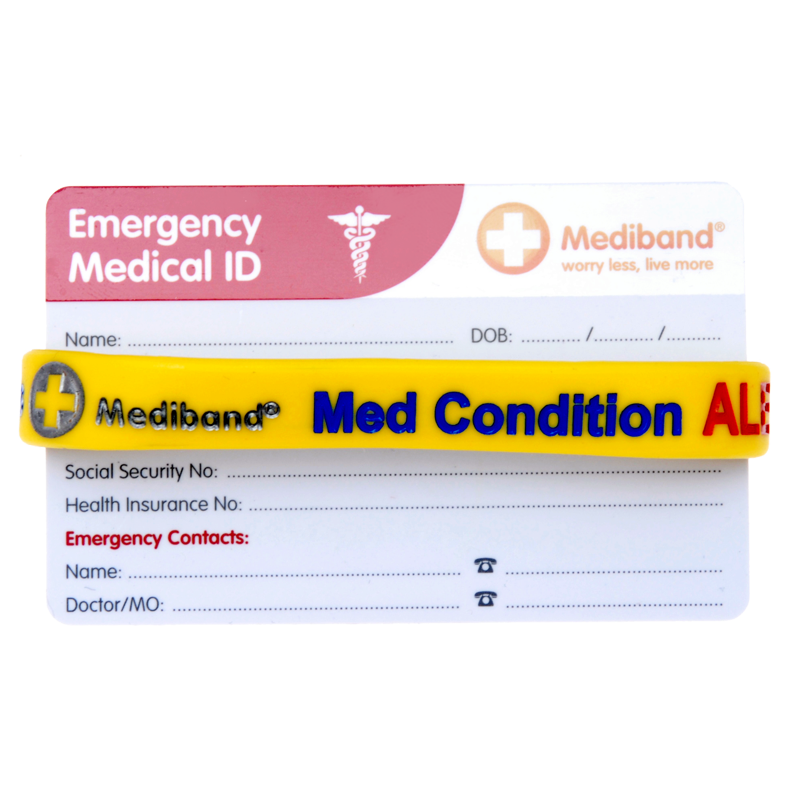
A medical condition bracelet and wallet card combo is ideal for anyone with complex medical histories. The silicone bracelet carries the primary alert (“See Wallet Card”), while the laminated card in your wallet holds your full list of conditions, allergies, medications, GP name, and emergency contacts. Hospital staff and paramedics are trained to check both items.
Non-Wearable Options
If wristbands and necklaces are not practical for you, Mediband offers two nickel-free alternatives that work around daily life:
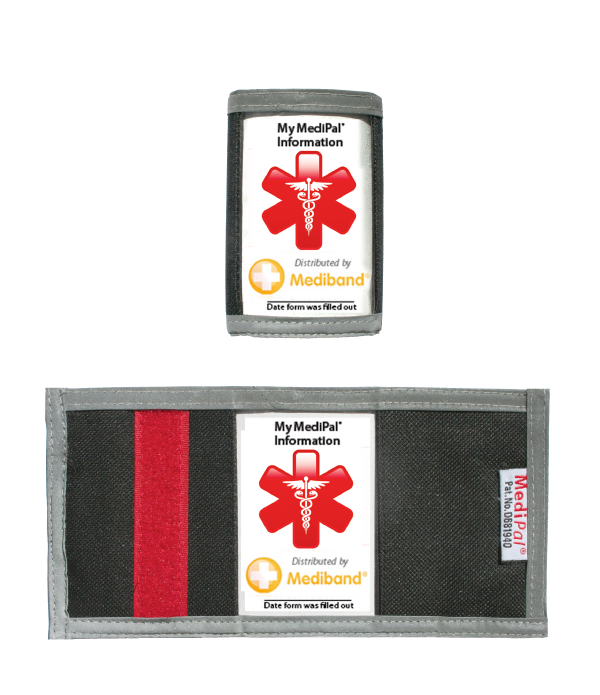
- MediPal Seatbelt ID — clips to your car seatbelt, wheelchair strap, or backpack. Made from reflective nickel-free material, it is visible in low-light conditions and contains an insert for your full medical details.
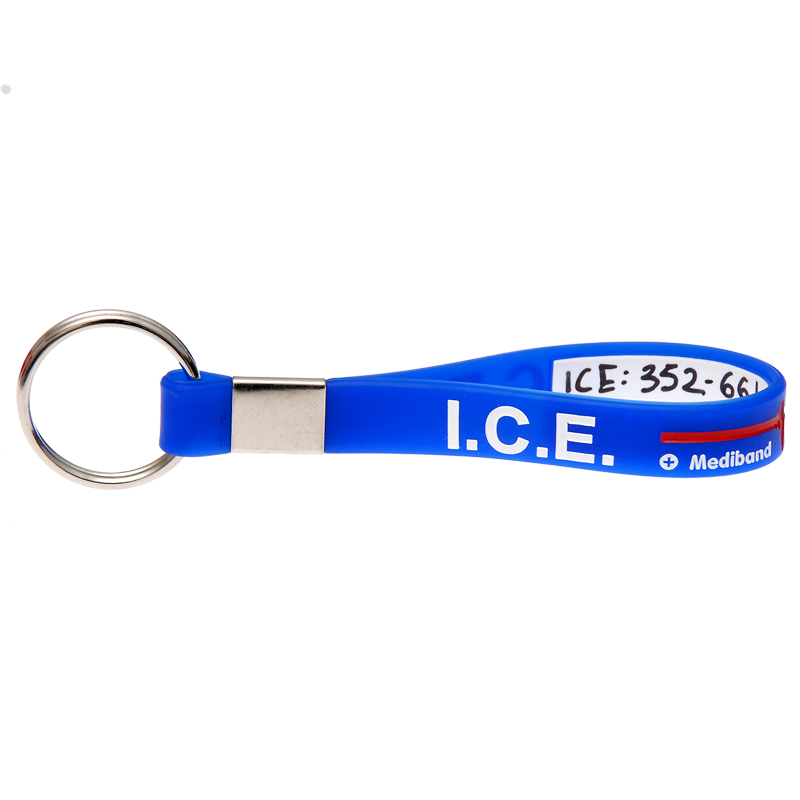
- ICE Write-On Key Chain — a compact keychain ID in nickel-free silicone that sits with your keys. Write your ICE contact and key medical notes on the strip. Always accessible when you need it most.
What to Include on a Nickel-Free Medical ID
Whether you choose a bracelet, necklace, or keychain, the information you record should be brief and action-oriented. Emergency responders have seconds, not minutes.
- Primary medical condition — e.g. Epilepsy, Type 1 Diabetes, Anaphylaxis
- Nickel allergy — if relevant for surgical or implant situations
- Drug allergies — list by drug name, not category (e.g. “Penicillin” not “Antibiotics”)
- Key medications — especially anything that affects emergency treatment (e.g. blood thinners, insulin)
- ICE contact — name and phone number of your emergency contact
Can You Make an Existing Metal Medical ID Safe for Nickel Allergy?
If you already own a metal medical bracelet or necklace and want to continue using it, there are a few options — though none are as reliable as switching to a hypoallergenic material entirely:
- Clear lacquer or nail varnish — creates a temporary barrier between the metal and your skin. Inexpensive, but needs to be reapplied every few weeks as it wears off.
- Rhodium plating — a local jeweller can plate your item with rhodium, a hypoallergenic precious metal. More durable than lacquer, but costly and eventually wears through.
- Platinum coating — similar to rhodium, and highly biocompatible. Expensive.
For most people, switching to a silicone write-on bracelet is simpler, more affordable, and more comfortable than adapting an existing metal ID. Silicone bracelets from Mediband start at a low cost and last for years with everyday wear.
Frequently Asked Questions
Are silicone medical bracelets nickel-free?
Yes — all silicone medical alert bracelets are completely nickel-free and hypoallergenic. Silicone contains no metals whatsoever, making it the ideal material for anyone with a contact allergy to nickel, cobalt, or other metals. It is also waterproof, durable, and comfortable for 24/7 wear.
Is stainless steel medical jewellery safe for nickel allergy?
Most surgical-grade stainless steel (316L) contains a small amount of nickel as part of its alloy, but the nickel is tightly bound and rarely causes contact dermatitis in practice. However, for people with a confirmed severe nickel allergy, silicone or titanium medical IDs are the safer choice. If you are unsure, consult your dermatologist or allergist before choosing a stainless steel ID.
Can I engrave a nickel allergy warning on my medical bracelet?
Yes, and it is worth doing. If you are ever treated in hospital or by a paramedic, your care team needs to know about your nickel allergy to avoid using nickel-containing equipment (such as certain surgical instruments or implants). A write-on silicone medical bracelet lets you include “Nickel Allergy” plus your other medical alerts in the same place.
What is the best medical ID for someone with multiple allergies?
For people with multiple allergies — for example, nickel allergy plus a penicillin or nut allergy — the best option is a medical ID bracelet with a companion wallet card. The bracelet carries your most critical alert (e.g. anaphylaxis risk), while the wallet card has space for your full allergy list, current medications, and emergency contact details. First responders are trained to check both.
Do I need a medical alert bracelet just for a nickel allergy?
If your nickel allergy causes only mild contact dermatitis, a medical bracelet may not be essential for emergency use. However, it becomes highly recommended if your nickel allergy is severe enough to cause anaphylaxis, if you have other medical conditions requiring emergency communication, or if you are having surgery (nickel-containing instruments can be substituted if the team knows in advance). Many people use a nickel-free write-on bracelet to capture all their alerts together.

Share on Facebook

Share on X

Share on Pinterest
Comment(s)
Recent Posts


Kids Cooling Patch: A Safe, Gentle Way to Manage Fever
February 27, 2026
Are Stick on Thermometers Accurate? Pros, Cons, and Mor
February 23, 2026
Alcohol Gel Sanitiser: Top 5 Benefits for Your Health
February 19, 2026