Staying Safe During the Holidays — A Complete Australian Family Guide
Holidays are when most Australian families let their hair down. Beach trips, road journeys, camping under the stars, big family gatherings, late nights, summer barbecues, and overseas adventures. The relaxation that makes holidays wonderful is also the thing that makes them dangerous: routines slip, kids run wild, sun exposure spikes, alcohol consumption rises, and emergency planning falls away. For anyone with a chronic condition, severe allergy, or critical medication, the holiday season is statistically when avoidable emergencies happen most.
According to HealthDirect Australia, holiday-period emergency department admissions increase 20-40% compared to ordinary weeks. Most of those admissions are preventable with simple planning. This guide pulls together the practical safety strategies Australian families need — covering medical IDs, first aid, sun safety, allergens, alcohol, kids' safety, and overseas travel.

The Top 6 Holiday Safety Risks for Australian Families
1. Sun Exposure (UV 11-13 in Summer)
Australian summer UV is extreme. Three hours unprotected at the beach can cause significant skin damage in adults and severe burns in children. Use SPF 50+ before leaving, reapply every 90 minutes, wear hats and rashie tops, and limit midday sun (10am-4pm).
2. Water Emergencies
Drowning is one of the leading causes of accidental death for Australian children. Beach rips, pool safety, and supervision lapses around water account for most cases. Swim between the flags, never swim alone, and supervise children within arms' reach in any water deeper than 30cm.
3. Severe Allergic Reactions at Holiday Meals
Christmas lunches and family gatherings often feature foods the host doesn't realise contain allergens. Peanuts in sauces, dairy in dressings, gluten in stuffings — every Christmas season produces multiple anaphylaxis admissions in Australia.
4. Medication Disruption
Routines slip on holiday. Missed doses of anti-epileptics, anti-coagulants, insulin, and immunosuppressants can trigger emergencies. Time-zone changes for overseas trips compound this. Plan medication schedules in advance.
5. Heat-Related Illness
Dehydration, heat stroke, and heat exhaustion are common during Australian holidays. Older relatives, people on diuretics, and athletes pushing hard in summer heat are most at risk. Drink water proactively, not just when thirsty.
6. Travel Accidents
More cars on the road over summer + alcohol consumption + tired drivers = increased accident risk. Use seatbelts, stop every 2 hours on long drives, and never drink-drive.
Recommended for you
Products related to this article
Hand-picked to go with what you just read.
The Holiday Safety Checklist Every Australian Family Should Use
Before You Leave Home
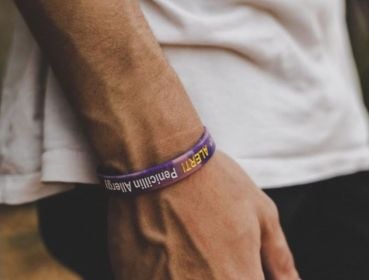
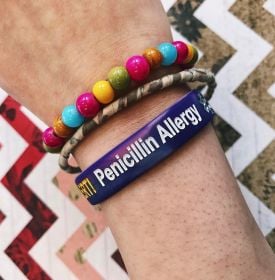
- Update medical IDs — every family member with a condition wears a current Mediband. Engraving must be up-to-date with current medication and emergency contact. See our first responder bracelet guide.
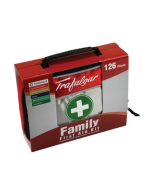
- Refresh first aid kit — check expiry dates on every item. Replace anything within three months of expiry. See our home first aid kit guide.
- Pack extra medication — bring 1.5x trip duration in case of delays. Split between hand luggage and main bag.
- Save emergency numbers — destination's emergency number, travel insurance hotline, family GP, Poisons Hotline (Australia: 13 11 26).
- Brief travel companions — anyone travelling with you should know how to recognise and respond to your condition's emergencies.
- Travel insurance disclosure — declare all pre-existing conditions. Without disclosure, claims may be void.
During the Holiday
- Maintain medication routine — set phone alarms in local time zone.
- Hydrate proactively — water bottle with you, drink before feeling thirsty.
- Sun protection daily — SPF 50+, hat, rashie, sunglasses, shade.
- Wear medical ID at all times — including swimming, sleeping, and showering.
- Daily safety check-in — quick "everyone OK?" before bed each night.
If Something Goes Wrong
- Call triple-zero (000) immediately for serious emergencies in Australia.
- Show paramedics the medical ID — point to wrist or neck even if conscious.
- Provide wallet card — backs up bracelet detail at hospital intake.
- Contact travel insurance — they'll coordinate with the hospital and your home GP.
- Notify family — if travelling alone with kids, designate an emergency contact who can travel to you if needed.
Specific Risks by Holiday Type
Beach and Coast Holidays
- UV exposure
- Drowning, rips, marine stings
- Heat stroke
- Stingers (jellyfish, blue-ringed octopus in tropical areas)
- Lost children in crowds
Bush and Camping Holidays
- Snake and spider bites
- Bushfire risk
- Falls and remote-area emergency access
- Dehydration
- Hypothermia (night-time temperature drops even in summer)
City Christmas Visits
- Allergy triggers in unfamiliar foods
- Lost children at markets and events
- Traffic accidents
- Stress-related conditions (cardiac events, anxiety attacks)
Overseas Travel
- Medication availability differences
- Language barriers in emergencies
- Travel insurance gaps
- Local emergency response differences
- Time-zone medication adjustment
Tools That Make Holiday Safety Easier
Three tools every Australian family with a medical condition should travel with:
1. Medical Alert Bracelet
Worn 24/7 — at home, on the plane, at the beach, in bed. Carries condition, medication, and emergency contact. Internationally recognised symbols.
2. Wallet Card
Carries deeper detail than the bracelet — full medical history, current meds, GP details. Sits in wallet, in the kids' school bag, in the travel insurance folder.
3. Home First Aid Kit (Travel Version)
Compact kit with sunscreen, antiseptic, bandages, paracetamol, antihistamine, EpiPen if needed, asthma reliever if needed. The "you handle it now, doctor later" kit.
Browse the full Mediband range to ensure every family member has a current ID. For more on emergency preparedness, see our emergency safety guide.
Frequently Asked Questions
Does my child really need a medical ID for a family holiday?
If they have any chronic condition, severe allergy, or critical medication — yes. Holidays involve more time around unfamiliar adults (other parents, hotel staff, restaurant staff) who don't know your child's medical history. A bracelet ensures any responder has the critical info instantly. Soft silicone bands are comfortable enough for kids to wear all holiday without removing.
What's the most overlooked holiday safety risk in Australia?
UV exposure. Australian summer UV index is 11-13 (extreme) most of the holiday season. Three unprotected hours on Boxing Day at the beach can produce significant burns. Most Australian parents underestimate this. Mandatory SPF 50+, hats, rashies, and shade are not optional — they're as critical as wearing seatbelts.
How do I disclose pre-existing conditions to my travel insurer?
Provide your full medical history including current medications, recent surgeries, ongoing treatments, and any condition diagnosed in the past 5 years. Request written confirmation that all conditions are covered. Without explicit disclosure, related claims will typically be denied. Insurance is cheap; uncovered overseas medical bills are devastating.
What should I do if someone has anaphylaxis at a Christmas lunch?
Call triple-zero immediately. Use the EpiPen if available (the wearer should carry one). Lay the person flat. Don't give food or drink. Check the medical alert bracelet for allergen details. Stay with them until paramedics arrive. Anaphylaxis can be fatal in minutes — every second of delay matters.
What's the easiest way to ensure I keep my medication routine on holiday?
Set phone alarms in local destination time-zone before you arrive. Carry medications in original packaging in hand luggage. Don't pack all medication in checked baggage in case it's lost. Build medication-taking into a daily routine cue (with breakfast, before bed, with sunset). Modern phones make this trivially easy — use them.

Written by
Founder, Mediband
Founder of Mediband; over 20 years providing medical IDs worldwide.
← Previous
Why Every Person With Epilepsy Needs an Epilepsy Wristband (2026)
Next →
Universal Medical ID Alert Bracelets — Top 6 Australian Picks 2026
Comment(s)