Why Every Home Should Have a First Aid Kit (2026 Guide)

Why a Home First Aid Kit Is Non-Negotiable
Most households have a half-empty box somewhere — a few plasters, a tube of antiseptic, an old bottle of Panadol, maybe a bandage from a long-forgotten injury. That's not a first aid kit. That's clutter pretending to be a kit. The real thing — well-stocked, in a known location, accessible to every adult in the house — is one of the single most useful possessions a family can have.
Most household injuries are minor: cuts from kitchen knives, burns from stovetops, scrapes from the garden, splinters, bee stings, sprained ankles, mild fevers. None of these require an ambulance, but all of them need quick, calm, correct first aid. The home kit is what stands between a small injury and an unnecessary trip to the doctor — and what handles the genuinely serious moments while help is on the way.
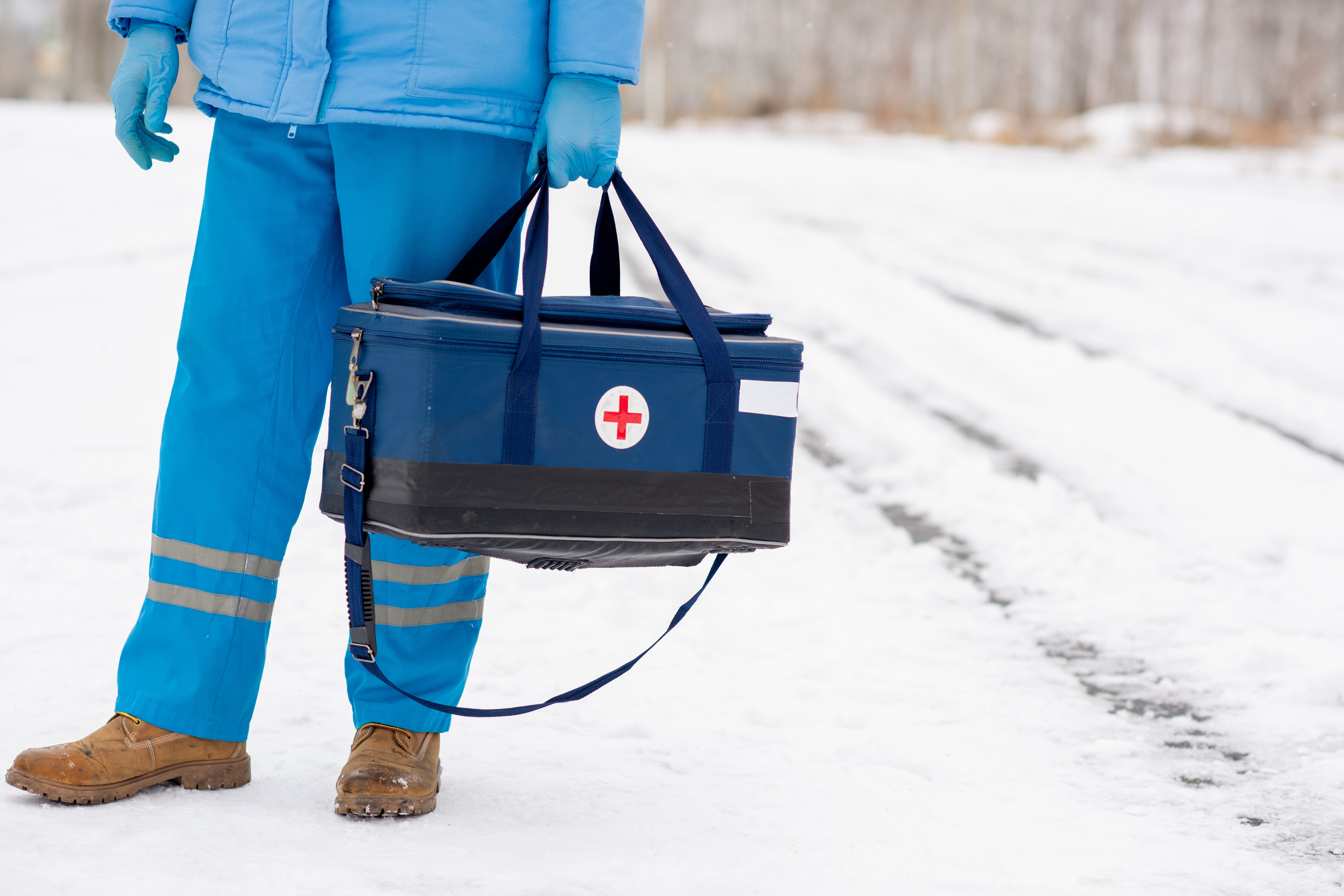
What Every Home First Aid Kit Should Contain
Australian Red Cross and St John Ambulance both publish home first-aid recommendations. The essentials below cover 95% of household incidents. Customise with extras based on your specific family situation (asthma, allergies, infants, pets, age of household members).
Wound Care
- Adhesive plasters in multiple sizes (waterproof preferred)
- Sterile gauze pads (5×5 cm and 10×10 cm)
- Crepe roller bandages (5cm and 10cm widths)
- Triangular bandage (for slings and broader compresses)
- Adhesive tape
- Scissors (round-tipped for safety)
- Tweezers (fine-point, for splinters and ticks)
- Antiseptic solution (saline or povidone-iodine)
- Antiseptic wipes (individually packaged for cuts)
- Disposable gloves (latex-free preferred)
Burns and Heat Care
- Burn-care gel packets or hydrogel dressings
- Cling film (a roll of plain food wrap is ideal for covering burns)
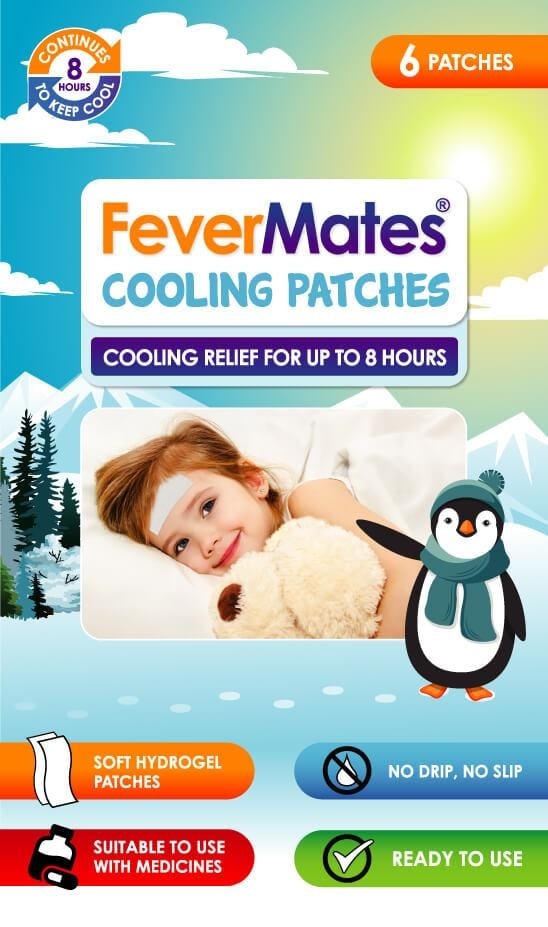
- Cooling forehead patches
Pain, Fever, and Comfort
- Adult paracetamol (Panadol or generic)
- Pediatric paracetamol (weight-based dosing for kids)
- Ibuprofen (adult and pediatric, where appropriate)
- Antihistamine tablets (for allergic reactions)
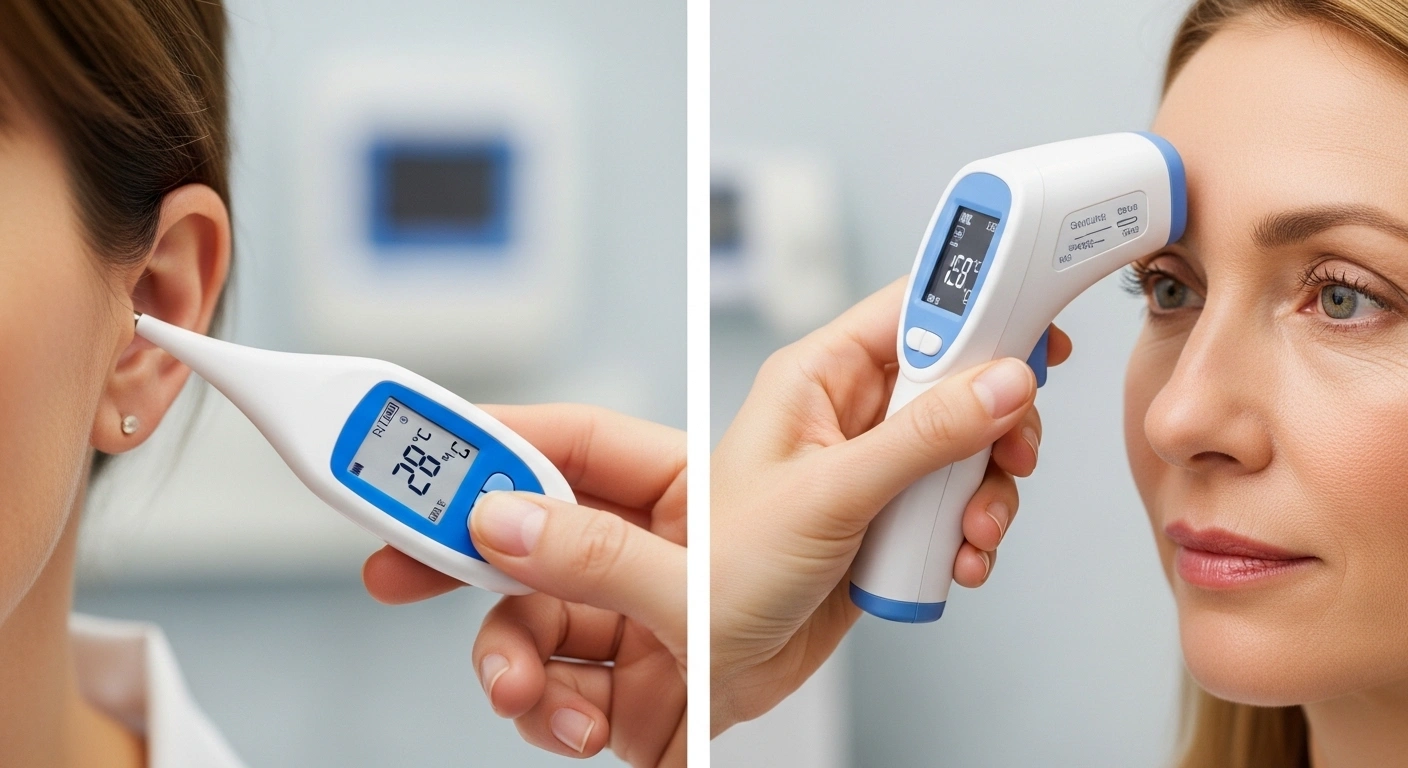
- Stick-on thermometers or digital thermometer
- Hot/cold packs
Eye and Ear Care
- Sterile saline for eye irrigation
- Eye pads
- Eye dropper bottle (clean, multi-use)
Documentation
- Up-to-date first-aid manual or quick-reference card
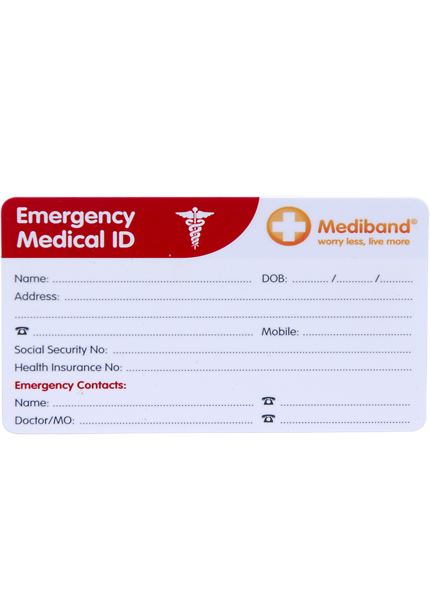
- Family medical info card — allergies, medications, emergency contacts, GP, hospital preference
- Pen and paper for noting times, doses, and observations
Specific Add-Ons (if relevant to your family)
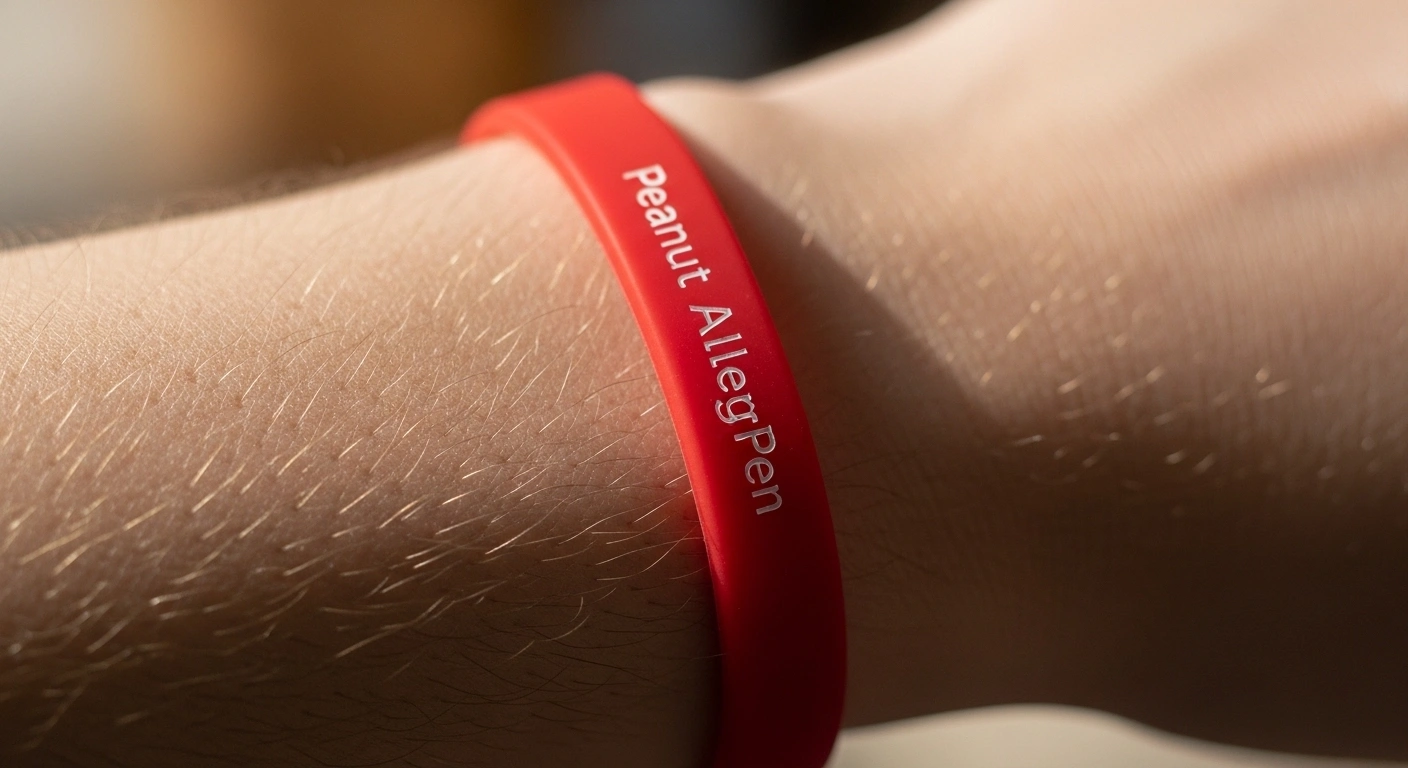
- EpiPen / adrenaline auto-injector — for severe allergies / anaphylaxis
- Asthma reliever inhaler + spacer
- Glucose tablets or gel for diabetic family members
- Snake-bite bandage and emergency action plan for rural or bushwalking households
- Pediatric cooling patches for households with young children
- Pet first aid supplies if you have animals
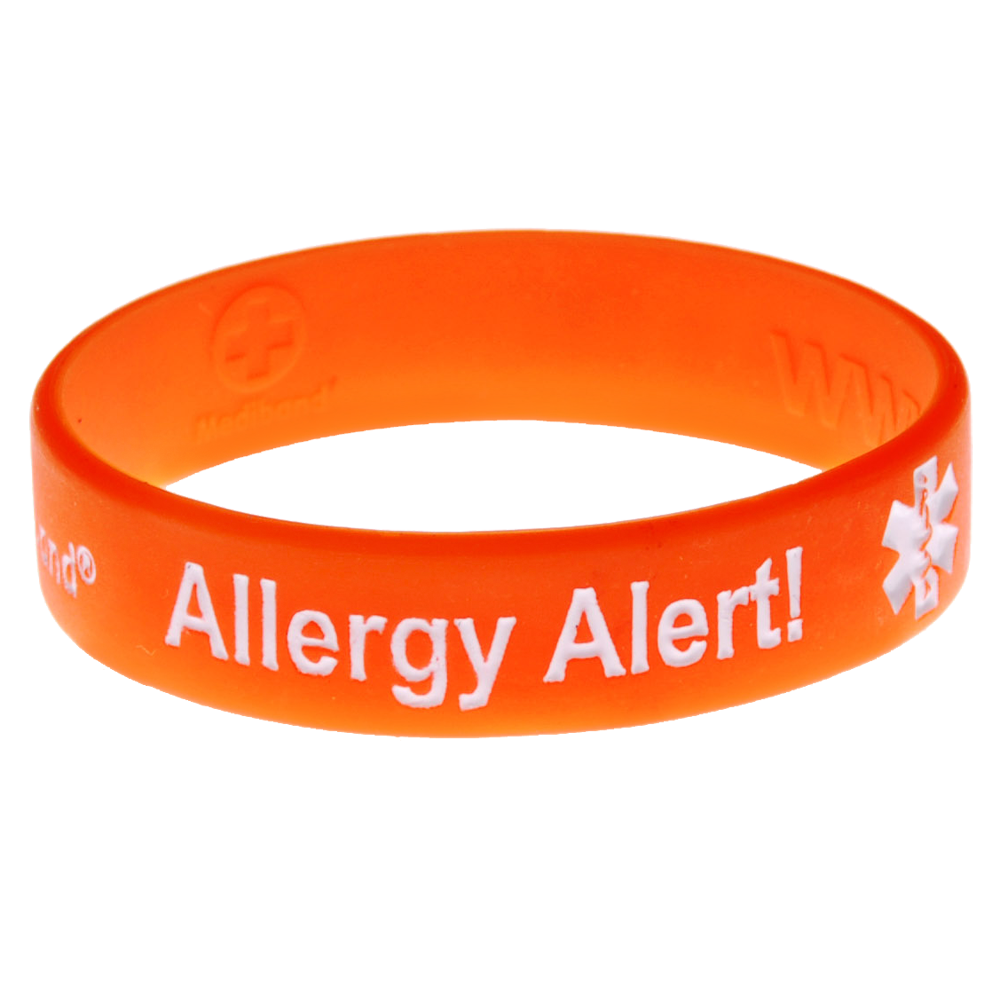
Shop Home First-Aid Essentials & Medical IDs
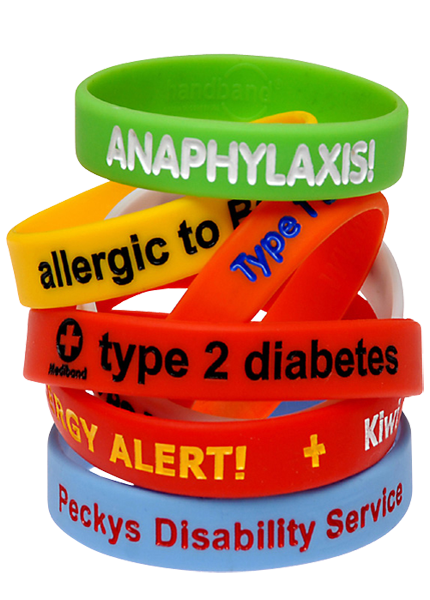
Stock your home for everyday accidents and emergencies — thermometers, cooling patches, alert bracelets, and wallet cards.


How a Home Kit Saves Trips to the GP and Hospital
Most household injuries can be fully managed at home with the right supplies and basic first-aid knowledge. According to HealthDirect's first-aid guidance, the average family deals with multiple minor injuries a year — and a well-stocked kit dramatically reduces unnecessary GP visits and ER trips.
Common Home-Treatable Incidents
- Minor cuts and scrapes — clean, antiseptic, plaster, monitor.
- Minor burns — cool running water for 20 minutes, hydrogel dressing, cover with cling film.
- Splinters and stings — tweezers, antiseptic, observe for reaction.
- Mild fever in children — thermometer, paracetamol, rest, hydrate, observe symptoms.
- Mild sprains — RICE protocol (rest, ice, compression, elevation), bandage, monitor.
- Mild allergic reaction — antihistamine, observe; escalate to EpiPen if anaphylactic.
Knowing what your kit contains and how to use it reduces panic and improves outcomes. A 10-minute family review of the kit twice a year is one of the best uses of a Sunday morning.
Where to Store the Kit
The right location matters as much as the contents:
- Accessible to all adults — not high on a shelf, not behind locked doors during waking hours.
- Out of children's reach — but where a babysitter or carer can find it within 30 seconds.
- Cool and dry — bathrooms get steamy and degrade products; kitchens get hot. Hallway cupboards or laundries are often best.
- Visible — clearly labelled "FIRST AID KIT" so any visitor can find it.
- Plus a second kit in the car — minor version for road trips, sport drop-offs, and weekend outings.
Maintaining the Kit
The most common reason a home first-aid kit fails in an emergency is expired contents. A six-monthly check (e.g. with the daylight-saving time change) covers maintenance:
- Check expiry dates — paracetamol, antiseptic, eye drops, EpiPens (often shorter shelf life), saline.
- Replenish used items — bandages, plasters, antiseptic wipes especially.
- Update contact info — GP, after-hours number, emergency contacts.
- Review for changing family needs — new baby, new chronic condition, new allergy diagnosis, school camps, travel plans.
- Repack neatly — kits get rummaged through, items shuffle. Reset every six months.
The Bracelet, the Wallet Card, and the Kit Together
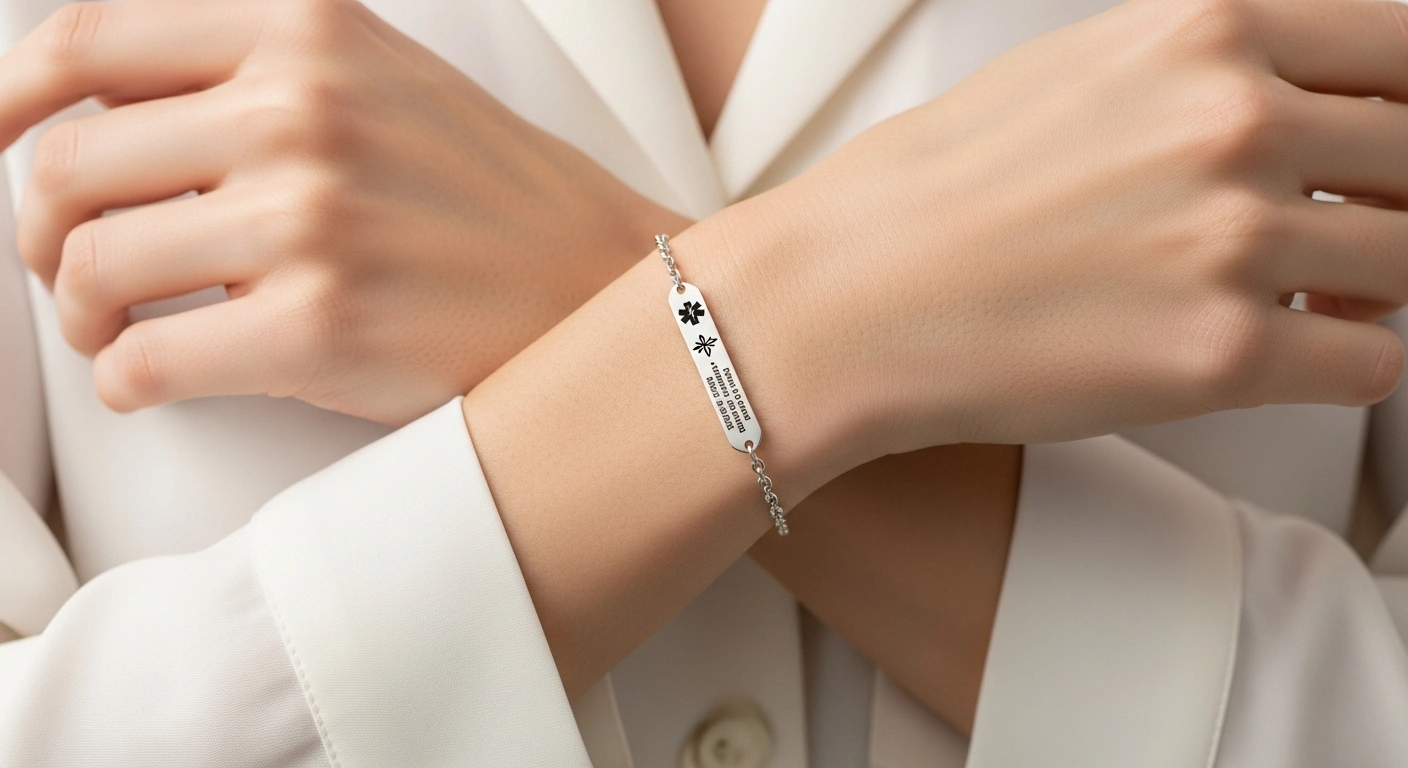
The most resilient home first-aid setup combines three things: the kit itself, family medical alert bracelets (for any chronic condition or severe allergy), and an emergency wallet card carrying the deeper medical history.
- The bracelet — stays on the wearer 24/7, talks to anyone in 30 seconds.
- The wallet card — carries fuller information for the GP or paramedic to read at length.
- The kit — provides the supplies to treat what the bracelet and card describe.
Together, they cover prevention (knowing what to be ready for), identification (telling responders what's wrong), and intervention (the actual first-aid action). One without the others is a weaker safety net.
Frequently Asked Questions
Should I buy a pre-made first aid kit or build my own?
Pre-made kits from reputable brands (Red Cross, St John, established suppliers) are a great starting point — they cover 90% of essentials. Then customise: add specific medications for your family, EpiPens or asthma inhalers if relevant, kid-specific supplies, and a current family medical info card. The hybrid approach beats both starting from scratch and relying on a generic kit.
How much does a good home first aid kit cost?
A solid pre-made home kit costs around $50-150 depending on size and quality. Custom add-ons (EpiPen, specialised bandages, premium antiseptics) can push it higher. Compared to even one avoided GP visit ($60-90) or ambulance call ($800+), the kit pays for itself in a single use over its lifetime.
Do I need a different first aid kit for kids?
Not entirely separate, but yes — add child-specific items: weight-based pediatric paracetamol/ibuprofen, kid-friendly plasters, cooling forehead patches, stick-on thermometers, and a printed list of childhood emergency phone numbers (GP, after-hours, poison information line). For homes with infants, also include rectal thermometer for accurate measurement.
How often should I replace items in my first aid kit?
Six-monthly review minimum. Adhesive plasters and bandages: replace if discoloured or sticky. Medications and eye drops: replace at expiry date. EpiPens: replace at their (typically 12-18 month) expiry. Antiseptic solutions: replace every 12 months. The daylight-saving time change is a useful calendar reminder for the review.
What's the most overlooked item in a home first aid kit?
Cling film (food wrap). Plain plastic food wrap is one of the best burns covers in the world — it's sterile when freshly unrolled, transparent so doctors can see the wound, and reduces fluid loss. Most home kits don't include it because it's not "medical-looking", but it's recommended by paramedics and burn specialists for first-line burn care.
May 08, 2026
2

Share on Facebook

Share on X

Share on Pinterest
2 Comment(s)
Darin Cook
May 11, 2021 16:25
It's good to learn that you should place important information like contact numbers in a first aid kit. My brother is wanting to prepare for emergencies at his job and he was wondering how he could prepare for any potential emergencies. I'll tell him that he should put contact numbers in a first aid kit.
Nelson Fogerty
Dec 19, 2020 14:29
Thanks for pointing out that it's important to have adhesive bandages in your first aid kit to deal with small cuts that may occur at home. I want to make sure that I can help my young son if he gets hurt, so I'm thinking about buying some adhesive bandage strips to keep in our first aid kit. I'm going to search for a good business that can sell me some adhesive bandage strips.
Recent Posts