
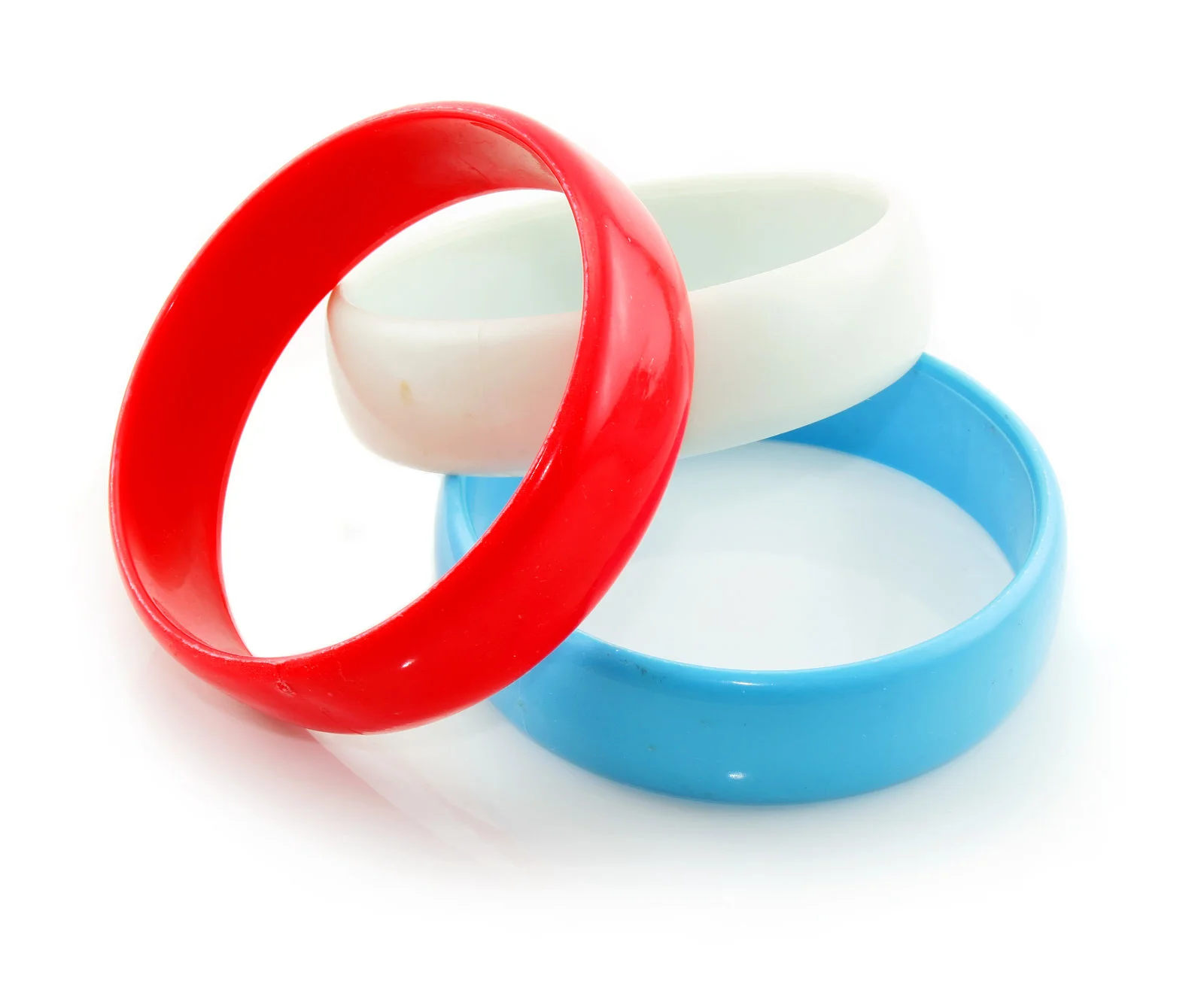
The Quiet Power of a Medical Alert Bracelet
Most people meet medical alert bracelets through a friend, a family member, or a doctor's recommendation after a diagnosis. The first reaction is often a mix of acceptance and reluctance — useful in theory, awkward in practice. The bracelet announces something private to the world; it suggests vulnerability; it pulls a chronic condition into daily view.
Yet talk to anyone who has lived with a medical alert bracelet for years and the story shifts. The bracelet stops being about the condition and starts being about peace of mind. Travel becomes simpler. Hospital visits feel safer. Family worries less. The wearer worries less. The bracelet quietly does its job, day after day, without fanfare — until the one day it's needed, and then it does its job loudly and unmistakably.
This guide walks through how a medical alert bracelet makes life easier and safer in everyday situations as well as emergencies — for the wearer, their family, and the strangers who may one day have to help them.

Easier Daily Life With a Medical Alert
The "easier" benefits of a medical alert bracelet are less dramatic than the "safer" ones — but they're what make the difference between a band you wear and a band that sits in a drawer.
Less Worry About Forgetting
People with chronic conditions live with a low background hum of "did I tell them?" — at the dentist, at a new GP, at a hospital admission, before surgery, at a friend's house, on a holiday. The bracelet outsources that worry. It tells anyone who needs to know, automatically, every time.
Smoother Hospital and Clinic Visits
At admission, the staff can confirm allergies, anticoagulants, implants, and conditions in seconds rather than minutes. Pre-operative checklists move faster. Test bookings include relevant precautions. The wallet card, the QR profile, and the bracelet together create a near-complete clinical handoff that saves time on both sides.
Easier Travel
Travel insurance, customs declarations, in-flight emergencies, foreign hospital visits — every one is smoother when a clear medical ID confirms what the wearer says about their condition. For long-haul flights, an aisle seat, water carry-on, or specific medication usually requires medical justification; a bracelet plus a doctor's letter gets it through fast.
Faster Emergency Response Without Drama
The bracelet works without anyone having to interrupt the moment. A child with diabetes goes hypo at a friend's birthday party — the parent is called within seconds because the bracelet has the number. A worker with epilepsy has a seizure in a meeting — colleagues see the band and know what to do. No drama, no improvising, no panic.
Recommended for you
Products related to this article
Hand-picked to go with what you just read.
Safer Lives — The Headline Benefit
Beyond the daily ease, a medical alert bracelet protects in the situations that truly matter. According to HealthDirect's first-aid guidance, accurate identification is one of the most important factors in early emergency care. Specifically:
It Protects Against the Wrong Treatment
Many emergency drugs can harm a patient with a particular condition. Aspirin in someone on a blood thinner. Penicillin in an allergic patient. The wrong defibrillator energy on a pacemaker recipient. Insulin treatment for what looks like — but isn't — diabetic hypoglycaemia. The bracelet tells the responder which paths are unsafe.
It Protects Against the Missed Diagnosis
Some conditions look like other things in an emergency. A diabetic hypo can look like intoxication. A panic attack can mask anaphylaxis. A seizure recovery can look like aggression. The bracelet pre-empts misdiagnosis and gets the right care started earlier.
It Protects When the Patient Can't Speak
Stroke, severe asthma, anaphylaxis, dementia, head injury, post-surgical confusion — there are many reasons a patient may be unable to communicate. The bracelet does the speaking, every time.
It Protects Children Who Can't Always Self-Advocate
A child with a food allergy at a friend's house, a child with epilepsy on a school excursion, a child with autism wandering at a beach — every one of these scenarios has the same protective hero: a clear medical alert on the wrist that any responsible adult can read.
It Protects Older Adults at Higher Risk
Falls, sudden confusion, dementia-related wandering, cardiac events, anticoagulant injuries — older adults benefit dramatically from a clear medical ID. The bracelet plus a wallet card and an emergency contact gives carers, paramedics, and ER staff the full picture in seconds.
What to Engrave for Maximum Benefit
Whether the wearer has a serious chronic condition or just one critical detail (a single allergy, a pacemaker, an anticoagulant medication), the engraving rules are the same. Five priority fields:
- Wearer's name
- Primary medical condition or alert
- Critical medication or allergy
- Emergency contact phone number
- "See wallet card" for fuller history
For people with multiple conditions, prioritise the alert that most changes emergency response — usually anticoagulants, severe allergies, or implants. Add a wallet card or QR-coded layer for the deeper detail.
Choosing a Bracelet Style That Fits Your Life
The best medical alert bracelet is the one you'll actually wear every day. Material, fit, and style all matter:
Engraved Stainless Steel
Polished, professional, durable. Survives years of daily wear, sweat, water, and incidental knocks. Ideal for adults with stable chronic conditions.
Silicone Write-On
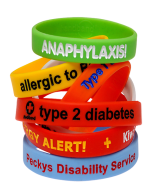
Soft, waterproof, easy to update. Best for kids, athletes, and people whose meds or contacts change. Cheap to replace as conditions evolve.
Designer Reversible
Pretty side out for daily life, alert side out for clinical settings. Popular with teens, working adults, and anyone who feels self-conscious about looking "medical."
Premium Materials — Rose Gold, Silver
For occasions when the band needs to look like jewellery first, medical ID second. Weddings, formal dinners, professional contexts where a clinical-looking band feels out of place.
QR-Coded or NFC Bands
Carries far more info than engraving — full medical history, current meds, scanned documents. Useful for complex conditions or international travel. Best paired with a traditional engraved band so the basics are readable without a phone.
Beyond the Bracelet — A Layered Safety Strategy
The bracelet is one piece. The fullest "easier and safer" plan layers it together with:
- Wallet card with full medications, doses, and recent surgeries
- Smartphone Medical ID visible on the lock screen (Apple Health, Samsung, etc.)
- Family-shared digital profile so carers can be reached fast
- Care plan with the GP shared with school, employer, or aged-care provider as relevant
- Annual review — update bracelet, wallet card, and digital profile every year or after any major change
Each layer adds a margin of safety. Together, they create a near-complete safety net that protects daily life and emergency outcomes alike.
Frequently Asked Questions
Will wearing a medical alert bracelet make me feel "branded" by my condition?
Initially, sometimes. But almost everyone who wears one for more than a few weeks reports the opposite — the bracelet stops being about the condition and starts being about peace of mind. Modern designs (reversible, stainless steel, designer) look like everyday jewellery. The clinical alert side is the one paramedics see; daily life sees the fashionable side.
How do I tell my friends and family I'm wearing one?
Most people don't need to make a big deal of it. Casual mention works: "I picked up a medical alert band for [condition] — it's just useful to have." Friends respect the practical decision. For family who'll be your emergency contacts, do let them know — they may need to confirm details with paramedics or hospital staff one day.
Will a medical alert bracelet affect my insurance or job?
No. The bracelet doesn't disclose anything insurance companies don't already know from your medical records, and it has no impact on employment. If anything, it's a sign of responsible health management. Some employers in safety-critical roles actually prefer staff with chronic conditions to wear a clear ID.
What if my condition changes — do I have to buy a new bracelet?
Depends on the style. Engraved stainless steel can be re-engraved or replaced inexpensively. Silicone write-on bands can be wiped and rewritten. QR-coded bands and smartphone Medical IDs are updated digitally without changing the physical band. Plan to review and update at least every six months.
Should every member of my family wear one, or just the person with a condition?
Even healthy family members benefit from a simple ID — at minimum, name and emergency contact. Lost-child situations resolve in minutes when there's a clear contact number on the wrist. Many families standardise on the same brand or style; it makes care plans, hospital visits, and travel easier for everyone.

Written by
Founder, Mediband
Founder of Mediband; over 20 years providing medical IDs worldwide.


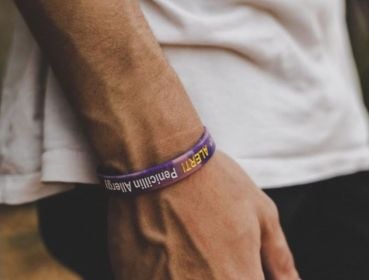
Please visit www.mediband.com for silicone medical id wristbands.
In the top right hand corner roof the website is a search bar where you can search for your condition.
Hope this helps.
regards,
Michael