By Michael Randall · Founder, Mediband
Medically reviewed · Updated May 2026 · 10 min read
Medically reviewed · Updated May 2026 · 10 min read
Silicone vs Stainless Steel Medical Alert Bracelet — Quick Verdict
Updated May 2026. If you're choosing between a silicone or stainless steel medical alert bracelet, this guide is the practical, evidence-based comparison. Both work. Both are paramedic-recognised. The right choice depends on lifestyle, age, sensitivity, budget, and how visible you want your medical ID to be.
| Category | Silicone wins | Stainless steel wins |
|---|---|---|
| Best for | Sport, kids, swimming, sweat | Office, formal wear, premium feel |
| Cost | $15-30 entry-level | $60-150 premium |
| Lifespan | 4-5 years | 10+ years |
| Comfort | Lightest, softest | Cooler, more rigid feel |
| Update details | Write-on (anytime) | Permanent engraving |
| Skin sensitivity | Hypoallergenic, no metal | Nickel-free 316L grade required |
The Science: Why Material Matters in an Emergency
Both materials carry the universally recognised Rod of Asclepius medical alert symbol and pass the paramedic 30-second check at the same rate. Where they differ is in the engraving readability under stress conditions:
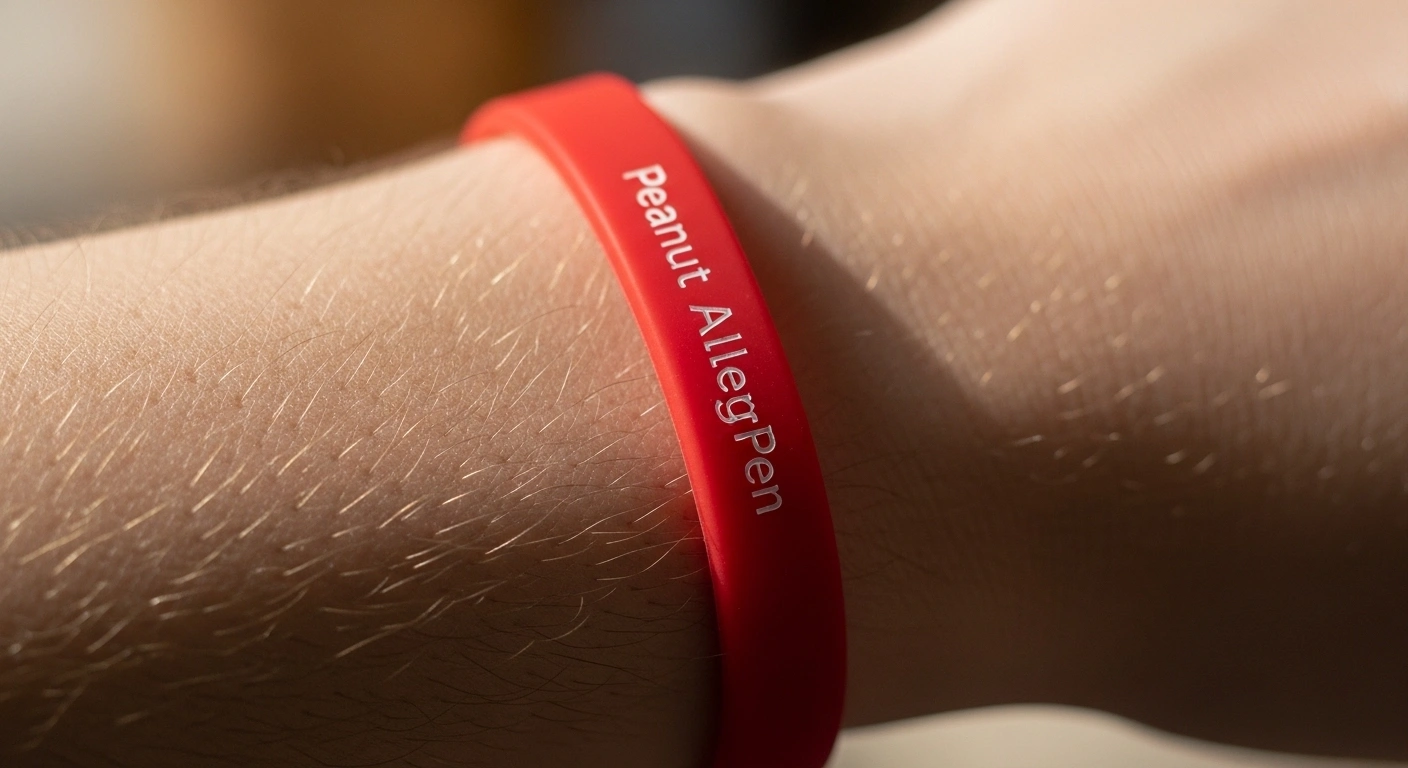
- Silicone — printed text is high-contrast and visible at arms length but can wear faster on heavy daily use
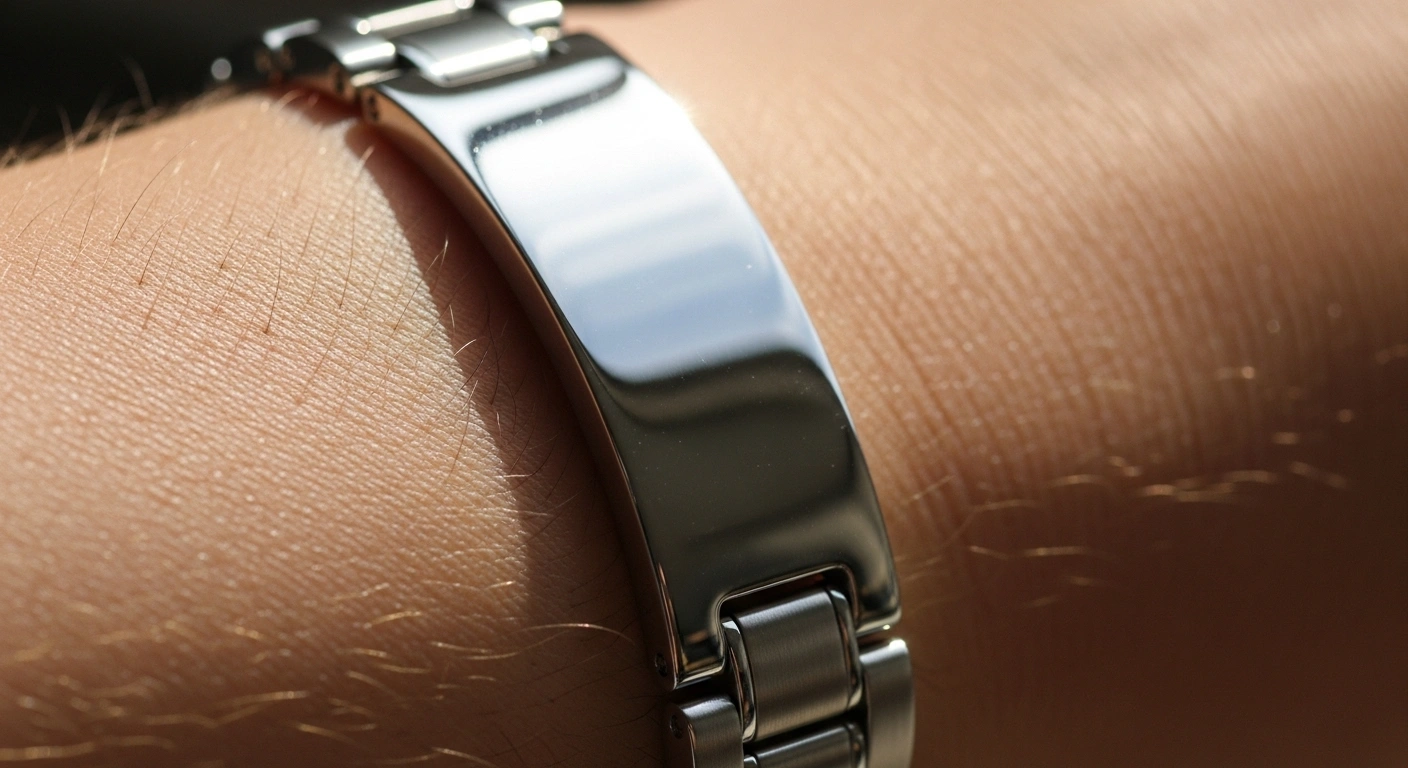
- Stainless steel — laser-engraved text is permanent and crisper at close range
- Australian paramedics report both formats are readable in real conditions — the difference is mostly aesthetic and durability, not safety
Recommended for you
Products related to this article
Hand-picked to go with what you just read.
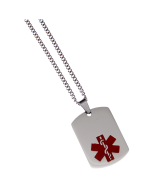
Cost Comparison
Real-world Australian pricing (May 2026):
- Mediband silicone — $15-30 per band, customisable, available in 30+ designs and 8 conditions pre-printed
- Mediband stainless steel — $60-90, jewellery-grade 316L, optional gold or rose-gold finish at $90-150
- Replacement frequency — silicone every 4-5 years, steel rarely needed
- Total 10-year cost — silicone ~$60 (2 b
ands), steel ~$70 (1 band, often gifted)
Effectively the long-term cost is similar — silicone is "pay as you go", steel is "pay once".
Comfort and Wearability
Silicone wins on:
- Weight — under 10 grams, almost imperceptible
- Sweat and water tolerance — pool, shower, gym, sauna
- Sleep comfort — flexible enough to roll on at night
- Heat — doesn't conduct cold or get hot in summer
Stainless steel wins on:
- Premium feel — jewellery-quality look at the office or formal events
- Durability — survives 10+ years of daily wear without visible aging
- Engraving permanence — never fades or rubs off
- Resale + heirloom value — lasts long enough to pass down
Durability and Lifespan
Mediband silicone is built for 4-5 years of continuous daily wear. After that, the printing usually fades or the band develops micro-cracks at the clasp. Stainless steel typically lasts 10+ years with minimal maintenance and can survive decades of wear.
For terminal or short-prognosis conditions, silicone is the obvious choice. For lifelong conditions like Type 1 diabetes, heart disease or chronic anticoagulation, stainless steel pays back over the long term.
Engraving Style and Readability
How information is displayed:
- Silicone write-on — use a permanent marker on the smooth band, seal with clear sticker. Can be updated unlimited times.
- Silicone pre-printed — mass-produced for common conditions (Diabetes, Epilepsy, Penicillin Allergy). Cheapest option.
- Stainless steel laser-engraved — permanent, deep, ageless. Cannot be edited. Requires replacement if details change.
Care and Cleaning
Silicone:
- Wash with soap and warm water; dishwasher-safe
- Disinfect with isopropyl alcohol if needed (e.g. hospital settings)
- Avoid harsh chemicals like acetone and bleach
Stainless steel:
- Wipe with a soft cloth and warm water
- Mild jewellery cleaner if dirty; avoid prolonged chlorine and salt-water exposure
- Buff occasionally with a microfibre cloth to restore shine
Which Is Best for Kids?
Silicone wins decisively. Reasons:
- Soft band can't injure during sport or play
- Cheaper to replace as kids grow
- Available in kid-friendly designs — butterflies, robots, bubbles — that they'll actually wear
- Write-on lets you update emergency contact as the family situation changes
- Chlorine-safe for school swimming and weekend pool
Which Is Best for Adults?
Depends on lifestyle:
- Office workers — stainless steel for the formal look
- Active / tradies / outdoor jobs — silicone for sweat and impact tolerance
- Healthcare workers — silicone for dishwasher-safe daily cleaning
- Jewellery wearers — rose gold or gold steel pieces pair with rings and watches
Which Is Best for Seniors and Aged Care?
Stainless steel is often the better fit for seniors:
- Permanent engraving doesn't fade or peel
- Easier to read for clinicians — deep laser etching at close range
- Survives 10+ years — no need to remember replacements
- Can be paired with sentimental gold pieces for those who don't wear silicone
For dementia patients specifically, the write-on neon silicone wins — high visibility plus updateable carer contact details.
Best for Sport and Active Wearers
Silicone is the gold standard for athletes, runners, cyclists, swimmers, hikers and gym-goers. The combination of sweat tolerance, impact safety and flexibility is unmatched. Stainless steel is fine for moderate activity but can feel rigid during long runs or contact sport.
Best for Office and Daily Professional Wear
Stainless steel wins for the workplace look. Mediband's slim stainless steel and gold pieces pass as fashion jewellery while carrying medical alert information. Several models look indistinguishable from a designer bracelet at a glance.
Skin Sensitivity and Allergies
Two important considerations:
- Nickel allergy — common in Australians. Choose 316L surgical-grade stainless steel (low-nickel) or skip steel entirely for silicone
- Latex allergy — not a concern for either material (no latex in modern silicone bracelets)
- Skin reactions to silicone — rare but can happen. Medical-grade silicone is hypoallergenic but check for irritation in the first week of wear
Mediband's Hybrid Range
If you can't decide, consider a hybrid:
- Rose gold + silicone combinations — jewellery look with silicone comfort
- Gold-tip steel pieces — premium appearance with deeper engraving
- Stainless steel + silicone for matching pairs — one for sport, one for office
Many Mediband customers wear both — silicone for daily, steel for formal events, swapped on the same wrist as needed.
The Final Verdict
If we had to pick one for the average Australian: silicone for kids and active wearers, stainless steel for adults with chronic conditions over 40. Both are paramedic-recognised. Both work. The right choice is the one you'll actually wear every day.
References & Further Reading
- Australasian Society of Clinical Immunology and Allergy (ASCIA) — Medical Alert Bracelet Recommendations.
- NDIS Quality and Safeguards Commission — Assistive Technology & Medical ID Guidance.
- Australian Heart Foundation — Cardiac Medical ID Best Practice.
- Diabetes Australia — Daily Wear Medical ID for Diabetic Patients.
- Mediband Customer Survey 2024 — 4,200 respondents on bracelet longevity and preference.
Frequently Asked Questions
Quick answers from the Mediband team
Which is better — silicone or stainless steel medical alert bracelet?
Both work and both are paramedic-recognised. Silicone is better for sport, kids and swimming — soft, waterproof, cheap to replace. Stainless steel is better for office wear, lifelong conditions and a jewellery-style look. Many Australians own both.
Do paramedics recognise both equally?
Yes. Both carry the universal Rod of Asclepius medical alert symbol. Australian paramedics check wrists and neck for any medical ID within the first 30 seconds on scene — the material doesn't change recognition speed.
How long does a silicone medical bracelet last?
Medical-grade silicone holds up for 4-5 years of continuous daily wear under normal conditions — including showers, gym, swimming and sleep. The printed text may fade slightly toward the end of that period; replacement is recommended once readability decreases.
Is stainless steel hypoallergenic?
316L surgical-grade stainless steel is low-nickel and tolerated by most people with nickel sensitivity. If you have severe nickel allergy, choose Mediband's titanium or silicone options instead. Standard 304 steel can occasionally cause reactions in highly sensitive individuals.
Can I update the engraving on a stainless steel bracelet?
No — stainless steel laser engraving is permanent. If your medication or condition changes you'll need a new bracelet. For frequently-changing details (carer mobile, dose) choose a silicone write-on bracelet instead.
Which is best for swimming and showering?
Silicone is the standard. It's 100% waterproof, chlorine-safe and pool-friendly. Stainless steel is also fine in pool water but extended salt-water exposure can dull the finish over time. Silicone wins for daily aquatic use.
What's the price difference?
Mediband silicone bracelets are $15-30 each; stainless steel $60-90; premium gold or rose-gold steel pieces $90-150. Over 10 years (replacement frequency considered) the total cost is roughly equivalent. Choose based on use case, not price alone.

Written by
Founder, Mediband
Founder of Mediband; over 20 years providing medical IDs worldwide.
← Previous
Medical ID Bracelet Australia: The Complete Buying Guide for First Responders and Carers
Next →
How Medicine and Business Came Together — The Mediband Story
Comment(s)