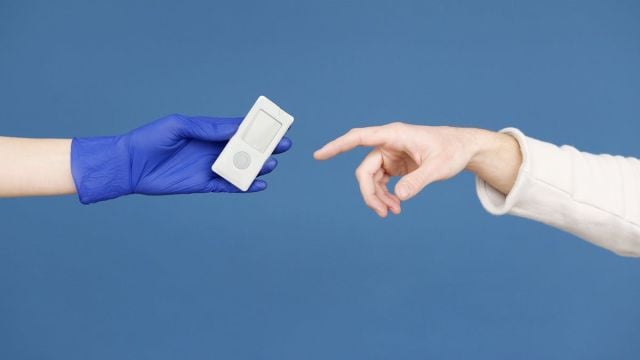
Recognising a hypo: low blood sugar signs and first aid
How to recognise a hypo and treat it with the rule of 15 — signs of low blood sugar and when it's an emergency. Australian guide.

The Mediband Blog
How to recognise a hypo and treat it with the rule of 15 — signs of low blood sugar and when it's an emergency. Australian guide.
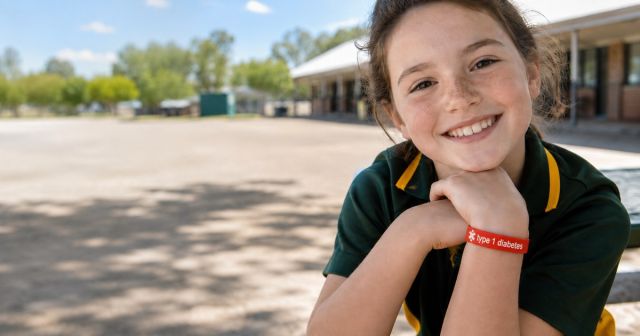
Diabetes emergencies can happen fast. Discover why wearing a medical alert bracelet is essential for people with diabetes — and what to engrave on yours.
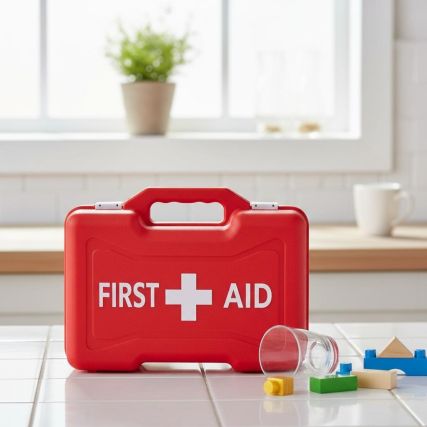
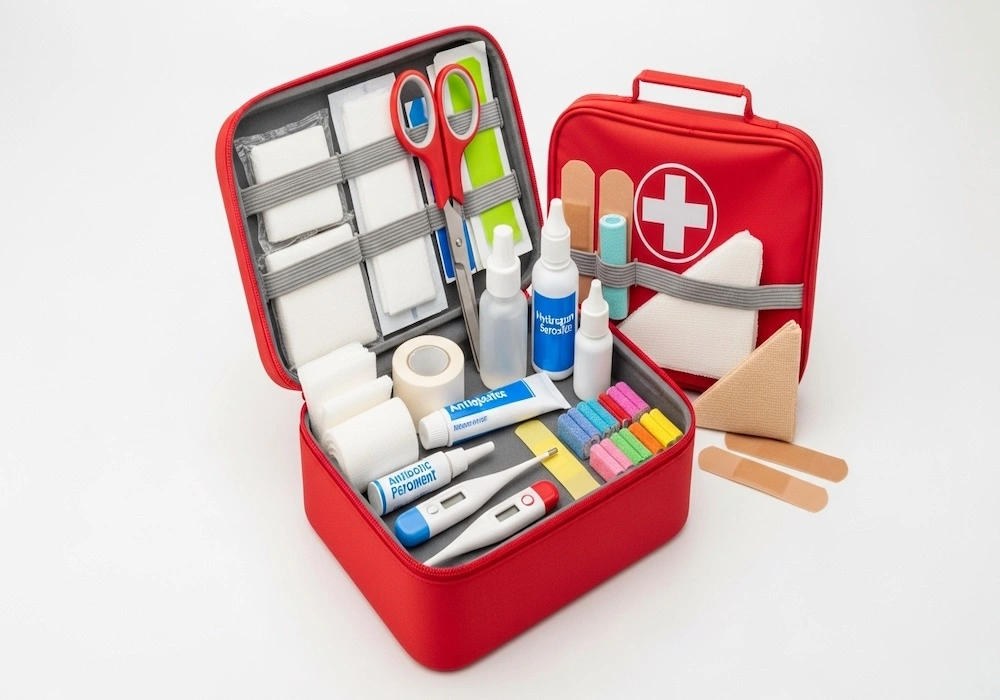
Discover essential items in a first aid kit for home emergencies and how to use them to respond effectively to accidents and injuries.
How to safely enjoy hiking, swimming and outdoor sport with a chronic condition — preparation, emergency plans, and what to engrave on your ID.
Seizure first aid, step by step: what to do during a seizure, what not to do, and when to call 000. Australian guide.
First aid kits are essential in emergencies. Learn when they’re most useful and what supplies help handle injuries at home, travel, or outdoors.
Emergency plan Australia guide: learn what to include, who needs one and how medical details can be shared quickly in a health emergency.
Learn how to respond to cardiac arrest, anaphylaxis, seizures, and diabetic emergencies with clear first aid steps and the role medical alert bracelets play.
A parent's guide to medical ID bracelets for kids: does your child need one, what to put on it, and school and sport use.
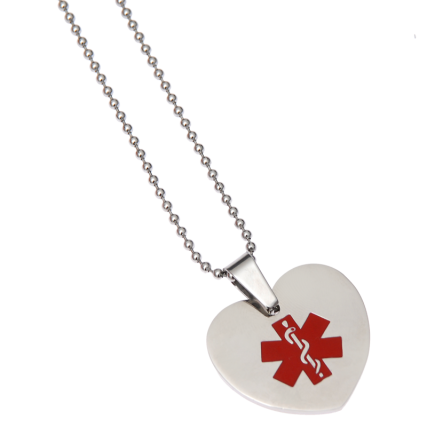
Emergency pendants explained: learn the difference between monitored alarms and engraved medical ID pendants or necklaces.
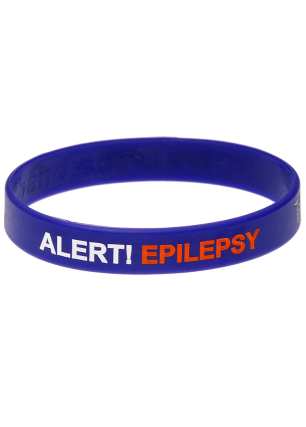
Medical alert bracelets in emergencies: learn how medical ID helps in 6 scenarios, from allergic reactions to seizures.
Bushfires, floods and storms can strike fast. Emergency preparedness essentials for families, including a medical alert bracelet.