By Michael Randall · Founder, Mediband
Medically reviewed · Updated May 2025 · 12 min read
Medically reviewed · Updated May 2025 · 12 min read
Keeping School-Age Children Safe — A 2025 Australian Parent's Guide
Updated May 2025. Australian school-age children (5-12 years) spend ~6.5 hours per school day under teacher supervision, plus before/after-school care, sport, and excursions. For families with a medical condition — allergies, asthma, Type 1 diabetes, epilepsy, autism — that’s ~33 hours per week when YOU aren’t the supervising adult. The system that catches you when you’re not there is what this guide builds.
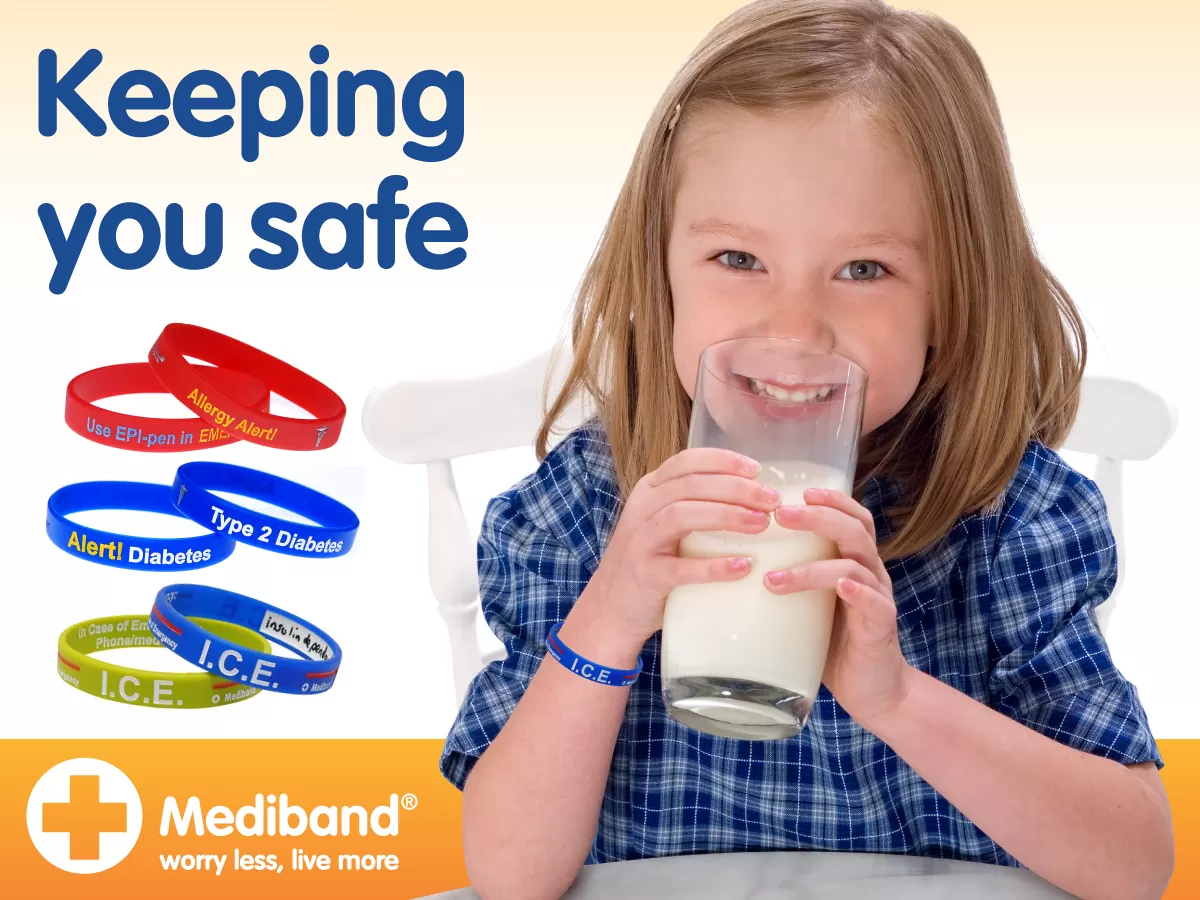
Built from ASCIA School Anaphylaxis Guidelines, Diabetes Australia school-management resources, Asthma Australia, RACGP, and 17 years of Mediband customer feedback — the practical Australian playbook every primary-school parent should have on the fridge.
The Australian school-safety landscape
- 1 in 20 Australian school-age children has a diagnosed food allergy (ASCIA 2024)
- ~720,000 Australian kids have asthma
- ~13,000 Australian children have Type 1 diabetes
- ~50,000 Australian children have active epilepsy
- 27% spike in paediatric anaphylaxis ED presentations during school terms
- 30% of allergy-related fatal anaphylaxis in 2014-2020 happened in school-age children outside parental supervision
Recommended for you
Products related to this article
Hand-picked to go with what you just read.
The 6 school-safety pillars
1. Get the school’s Health Care Plan submitted
Australian schools under anaphylaxis/asthma/diabetes policies must hold a current Health Care Plan for every student with diagnosed condition. The plan covers:
- Specific diagnosis + severity
- Medications + dosages + storage location
- Triggers + early warning signs
- Emergency response steps
- Parent + specialist contacts
- Photo of student
Submit at start of EVERY school year + update mid-year if conditions change.
2. Train the teachers (and re-train annually)
Year-1 teachers are different from year-3 teachers. Specialist teachers (sport, music, art) often don’t see your child’s Health Care Plan unless you push. Strategy:
- Meet classroom teacher in person in week 1
- Email PE teacher + specialist teachers separately
- Offer to do a 5-minute info session at staff meeting
- Provide a 1-page "what to do if..." reference card
3. Keep emergency medications at school
Depending on condition:
- EpiPen (anaphylaxis): 1 named for your child + 1 spare; school holds at least 2 general-use under anaphylaxis policy
- Reliever puffer (asthma): 1 named for your child; school holds general-use
- Glucose tabs + insulin (Type 1 diabetes): school nurse + classroom teacher trained
- Anti-seizure rescue med (epilepsy): midazolam buccal protocol if prescribed
Check expiry MONTHLY — school staff don’t always remember.
4. Visible medical alert bracelet on the wrist
The single safety device that works when:
- It’s the casual relief teacher who doesn’t know your child
- The lunchtime carer hasn’t been briefed
- A bus driver finds a confused/collapsed child after school
- The school excursion volunteer parent has no medical info
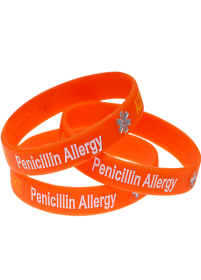
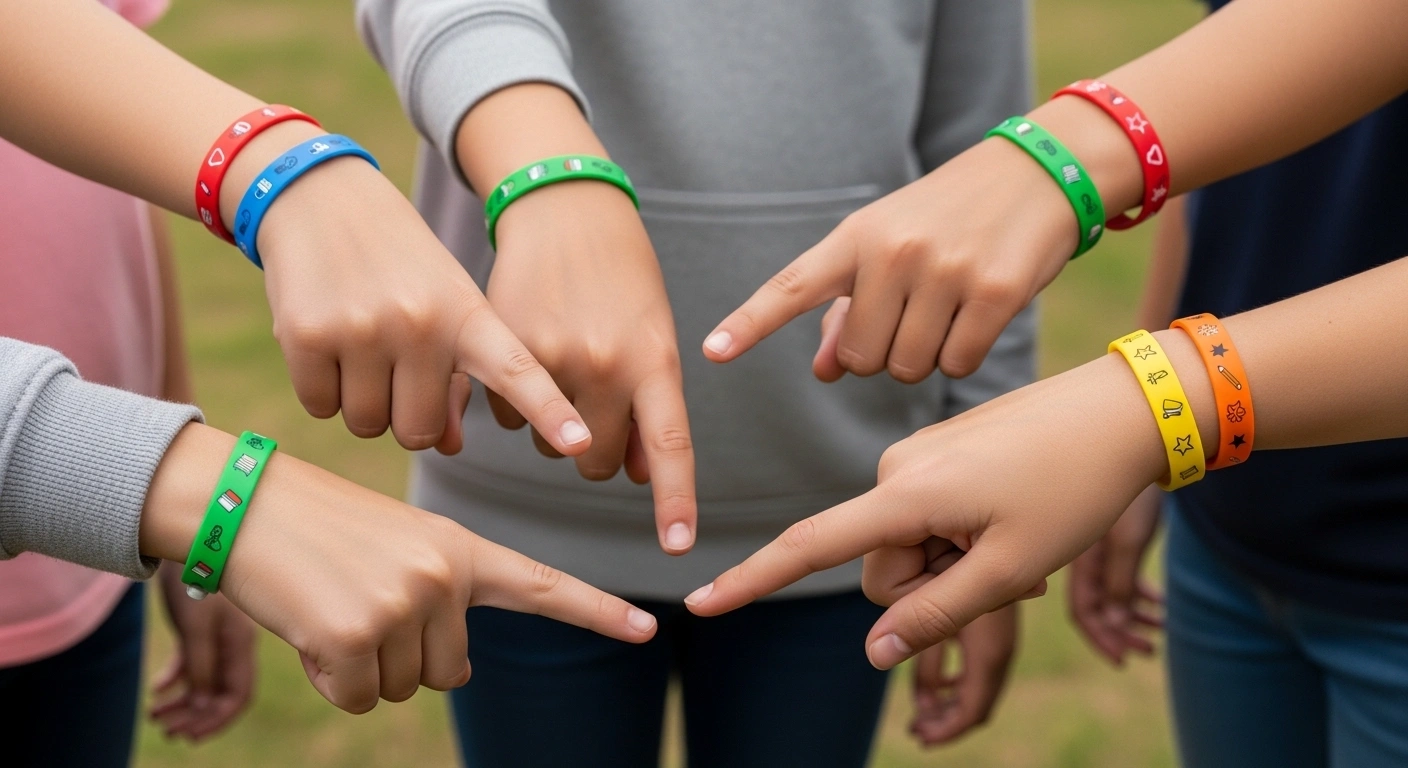
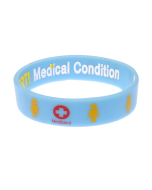
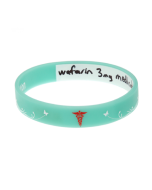
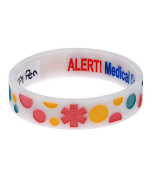
See kids medical alert bracelets — soft silicone, kid-colour choice, swim + sport safe, permanent laser engraving.

5. Communicate with friends’ parents
The biggest gap is when your child visits friends’ houses. The friend’s parent may:
- Not know about the allergy
- Underestimate severity ("a little bit won’t hurt")
- Not know how to use an EpiPen
- Not have your phone number readily available
Strategy: brief friend’s parents personally, send a written summary, send the EpiPen + spacer with your child, confirm the bracelet is on. Don’t skip this.
6. Brief the child themselves (age-appropriate)
School-age kids can take more responsibility each year:
- Age 5-6: knows their condition name, knows to tell an adult if they feel funny, never accepts food from strangers
- Age 7-8: reads packaging labels (with help), recognises early symptoms, asks an adult for puffer/EpiPen
- Age 9-10: carries own reliever puffer, knows full action plan, self-advocates
- Age 11-12: self-administers reliever, recognises severe symptoms, calls 000 if needed, sets own bracelet on each morning
School excursion safety
The riskiest school day is the excursion day. New environment, new staff supervising, often a relief teacher leading, and the routine carer support may be missing.
- Confirm the excursion supervisor has the Health Care Plan
- Confirm EpiPen + puffer in named bag + accessible
- Brief the supervising adult in person on pickup day
- Send a paper copy of the Action Plan + emergency contacts
- Ensure bracelet is on the wrist + readable
- Consider phone watch for older kids (track + emergency call)
Specific conditions at school
Food allergy + anaphylaxis
School lunch program risks: shared snacks, cooking classes, food festivals, friends sharing. Specific recommendations:
- Nut-free / allergen-free classroom (where school policy supports)
- Specific lunch table for allergy kids
- Birthday cake protocol (parent supplies safe cupcake when others bring birthday cake)
- Cooking class adaptations
- See allergy alert bracelets
Type 1 diabetes at school
Blood-glucose checks before exercise + lunch, insulin administration (pump or injection), hypoglycaemia treatment within minutes. Australian schools under Diabetes Care policies must accommodate. Diabetes alert bracelet on the wrist 24/7.
Asthma at school
Reliever puffer in school bag + spare in classroom + spare in PE department. Coaches must know about exercise-induced asthma. Asthma alert bracelet visible during sport.
Epilepsy at school
Sleep deprivation + flashing lights at school events can trigger seizures. Teach the class about seizures briefly (with parent + child permission) so peers don’t panic. Epilepsy alert bracelet tells responders not to restrain, time the seizure, call 000 if > 5 min.
Autism + non-verbal conditions
Sensory triggers in school environments can cause meltdowns or shutdowns mistaken for misbehaviour. Visible alert ID stating "Autism" + parent contact prevents misinterpretation. Australian Department of Education autism-friendly classroom guidelines available.

Before-school + after-school care
OSHC + before-school programs often have different staff than the regular school day. Don’t assume info has transferred:
- Submit Health Care Plan to OSHC separately
- Brief the actual on-duty staff member each year
- Confirm emergency medication storage
- Verify the bracelet is on at pickup time
School bus + transport safety
Many Australian primary kids travel by school bus. The driver may not know medical history:
- Some Australian states require bus drivers to be informed of student conditions
- The bracelet on the wrist is the safety device that travels with the child
- For kids with severe conditions, written info card in school bag
What if the school doesn’t follow the policy?
If your school is missing essentials (no Action Plan, no EpiPen storage, untrained staff), escalate:
- Speak with the principal first (formal meeting)
- Lodge written request quoting state Department of Education anaphylaxis/asthma/diabetes policy
- Escalate to district/regional office if unresolved
- ASCIA + Allergy & Anaphylaxis Australia provide free advocacy support
- P&C / parent groups can lobby for system-wide improvements
The "first week of school" checklist
- Submit current Health Care Plan to office + classroom teacher
- Confirm in-date EpiPen / puffer / insulin / rescue med stored at school
- Brief classroom + specialist teachers in person
- Check medical alert bracelet engraving is current
- Confirm OSHC has separate copy of Action Plan
- Brief 1-2 friend-parents you trust
- Walk through emergency response with your child age-appropriately
Common Australian parent mistakes
- Assuming the school office passes info to PE teacher (they often don’t)
- Letting the bracelet come off "for the school photo"
- Trusting "we’ll handle it" without verifying training
- Skipping the friend-parent briefing for sleepovers
- Not updating engraving when meds change mid-year
- Believing kids will "manage themselves" too early
NDIS support for school-age kids
NDIS-eligible children (autism, severe allergies, complex chronic conditions) can claim:
- Mediband medical alert bracelets (Consumables)
- School-aide support (Capacity Building)
- Allergy education programs
- Speech + occupational therapy
The Mediband promise
Mediband has supported over 100,000 Australian school families since 2008. Soft silicone kid-friendly bracelets from age 3-13, swim + sport + school safe, NDIS-registered. Trusted by Australian school nurses, paramedics, GPs, allergy + diabetes specialists.
References & further reading
- ASCIA (2024). Anaphylaxis Guidelines for Australian Schools.
- Asthma Australia. National Asthma Schools Resources.
- Diabetes Australia. School Diabetes Management Plan Template.
- State Department of Education websites (NSW, VIC, QLD, WA, SA, TAS, ACT, NT) anaphylaxis + asthma + diabetes policies.
- Allergy & Anaphylaxis Australia. Schools Resource Library.
Frequently Asked Questions
Quick answers from the Mediband team
What does the school legally have to do for my allergic / asthmatic / diabetic child?
Australian Department of Education policies (state-level) require schools to hold a current Health Care Plan, store emergency medication, train staff in first-response, and accommodate medical needs. Specifics vary by state — NSW + VIC have the strictest anaphylaxis policies. Submit Action Plan each school year + push back if any of those aren't in place.
How do I get school excursion supervisors to know about my child's allergy?
Don't rely on the school passing info to excursion supervisors. Brief them directly the week before — email + in-person. Send the EpiPen + Action Plan + bracelet confirmation. Australian schools are increasingly requiring excursion-supervisor anaphylaxis training but it's uneven.
What if the relief teacher doesn't know my child has a condition?
This is exactly why the medical alert bracelet on the wrist matters. The relief teacher may not have seen the Health Care Plan, but they will check the wrist if the child collapses or asks for help. Brief your child to point at the bracelet if asked 'what's wrong'.
At what age should my child manage their own condition at school?
Gradual handover. Age 5-6: knows their condition name, tells adults. Age 7-8: reads labels with help. Age 9-10: carries own puffer + knows action plan. Age 11-12: self-administers reliever, recognises severe signs. The bracelet stays on through every stage.
How do I brief my child's friend's parents for sleepovers?
In person, before the sleepover. Show them the EpiPen + spacer + Action Plan; have them practise the trainer pen. Confirm they have your phone number AND the child's bracelet info. Send the medications with your child. Don't assume because they 'should' know — ask explicitly.
Are kids medical alert bracelets claimable under NDIS?
Yes for eligible participants with documented chronic conditions (autism, severe allergies, Type 1 diabetes, epilepsy etc). Mediband is a registered NDIS provider. Bracelets fall under Consumables. Plan managers can invoice Mediband directly — most plans cover one replacement per year.
What's the single most important thing to do at the start of school year?
Submit the current Health Care Plan to office + classroom teacher IN PERSON in week 1. Confirm EpiPen / puffer / insulin is stored on-site and in date. Brief specialist teachers (PE, music, art) separately. Verify the medical alert bracelet is on the wrist + engraving readable.

Written by
Founder, Mediband
Founder of Mediband; over 20 years providing medical IDs worldwide.
← Previous
Keeping Allergy-Affected Children Safe — An Australian Parent's 2025 Guide
Next →
Why Posture Counts — Australian Spine + Health Guide 2025
Comment(s)