In a world of packaged snacks, on-the-go meals and tricky food labels, staying genuinely healthy is harder than it's ever been. Even the "healthy" aisle is full of sugar-spiked muesli bars and protein drinks thicker than milkshakes. So what actually works — what foods can you eat every day that will fill you up, cut cravings, and support your long-term health (especially if you're managing a chronic condition)?
The answer is refreshingly unglamorous. The five foods below have stood up to decades of nutrition research — not because they're trendy, but because they deliver fibre, protein, healthy fat, and real vitamins in forms your body recognises and uses. This updated guide from the Mediband team digs into why each one matters, how much to eat, and how these foods fit into managing diabetes, heart disease, and weight.
1. Berries — The Ultimate Between-Meals Snack
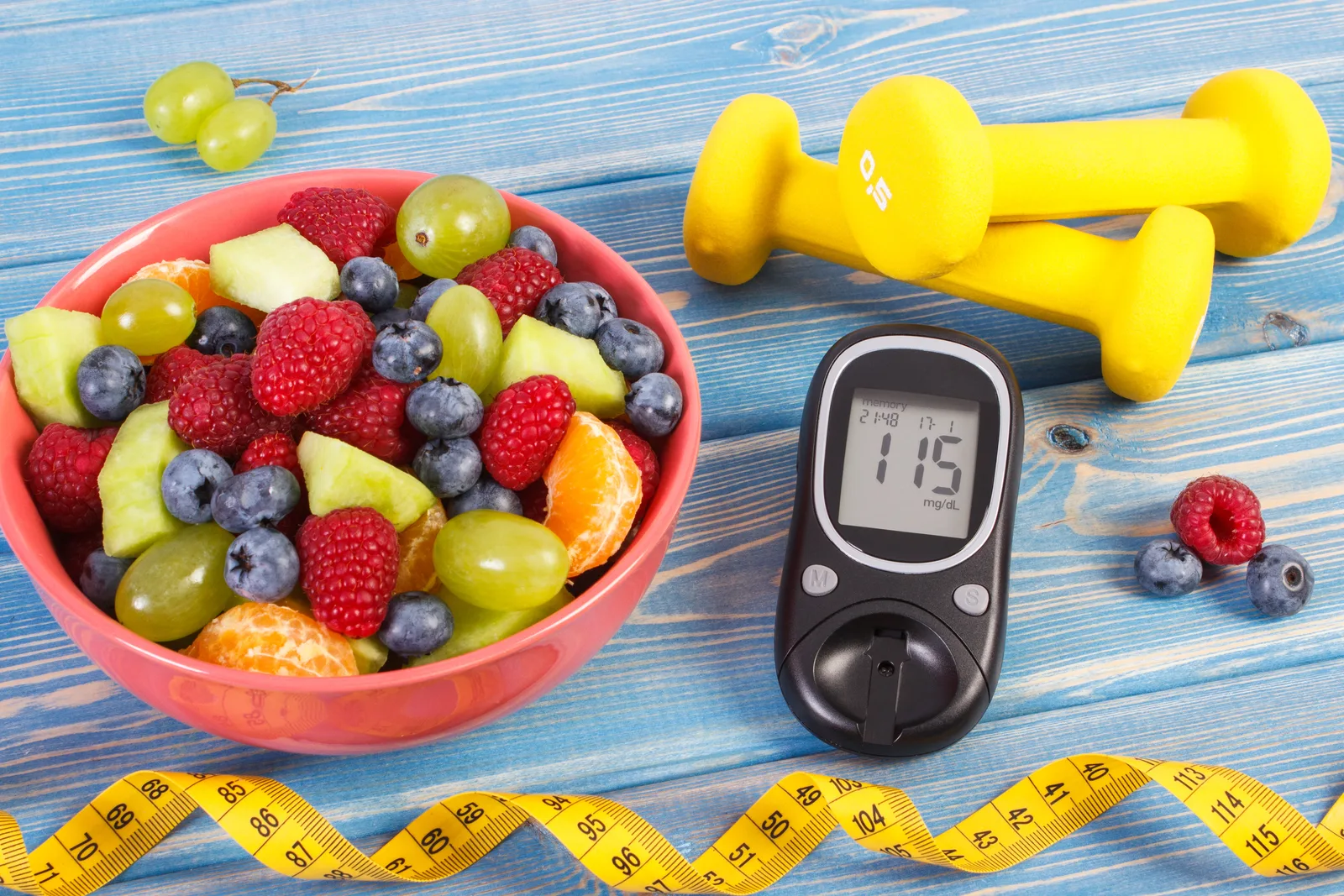
Strawberries, blueberries, raspberries and blackberries are arguably the highest-impact food per calorie you can buy. Each variety is loaded with:
- Fibre — roughly 8 grams in a cup of raspberries, outperforming most packaged "high-fibre" cereals.
- Anthocyanins — the pigment that gives berries their colour, shown to support blood-vessel health and reduce inflammation.
- Vitamin C, Vitamin K, and manganese.
- Low glycaemic index — safe for people managing blood sugar.
The fibre is what makes berries a weight-management secret weapon. Fibre fills you up and slows digestion, so the urge to grab a biscuit between meals drops away. Swap your 10am cracker for a small bowl of mixed berries — and notice how much less you graze by lunch. If fresh berries are expensive out of season, frozen work just as well; the anthocyanins are preserved.
2. Minestrone Soup — Just Like Mum Made
A proper old-school minestrone is a nutritional cheat code. A single bowl packs:
- Multiple serves of vegetables (carrot, celery, tomato, zucchini, beans, spinach)
- Plant protein from legumes and a sprinkle of parmesan
- Whole-grain carbohydrates from the pasta or barley
- A lot of water — which fills you up and reduces total calorie intake
A 2023 review in Obesity Reviews found that people who started a meal with a broth-based soup ate 100–200 fewer calories across the rest of the meal, without any conscious restriction. Minestrone is the gold-standard version: cheap, freezable, infinitely forgiving of whatever's in your crisper.
Recommended for you
Products related to this article
Hand-picked to go with what you just read.
3. Eggs — 75 Calories of Near-Perfect Nutrition
One large egg contains roughly 75 calories, 6 grams of complete protein, and every essential amino acid your body needs. Eggs are the most bio-available protein source in the food system, which is why athletes, dietitians and pretty much every nutrition expert still recommend them. Research from Heart Foundation Australia and the American Journal of Clinical Nutrition suggests that two eggs at breakfast reduces total calorie intake over the following 24 hours, compared with a carb-heavy breakfast of the same calorie count.
The saturated-fat concern around eggs has largely been retired for healthy adults. If you have established heart disease, Type 2 diabetes or familial hypercholesterolaemia, discuss your target with your GP — but for most people, 1–2 eggs a day fits comfortably in a heart-healthy diet.
4. Olives — The Mediterranean Secret
Olives are one of the quietest superfoods in the supermarket. A 10-olive serving delivers:
- Monounsaturated fat — the same heart-friendly fat found in olive oil.
- Vitamin E and polyphenols — antioxidants linked to reduced cardiovascular events in Mediterranean diet trials (PREDIMED).
- Slow-releasing satiety — because fat takes longer to digest than carbs, olives keep you full for hours.
The catch: sodium. Olives are preserved in brine, and if you eat a whole jar in one sitting your daily salt can skyrocket. Stick to 10–20 olives a day and pick reduced-salt varieties where possible. A small bowl alongside cheese, wholegrain crackers and cucumber is a brilliant diabetes-friendly lunch.
5. Spinach — 41 Calories Per Cup, Huge Nutrient Density
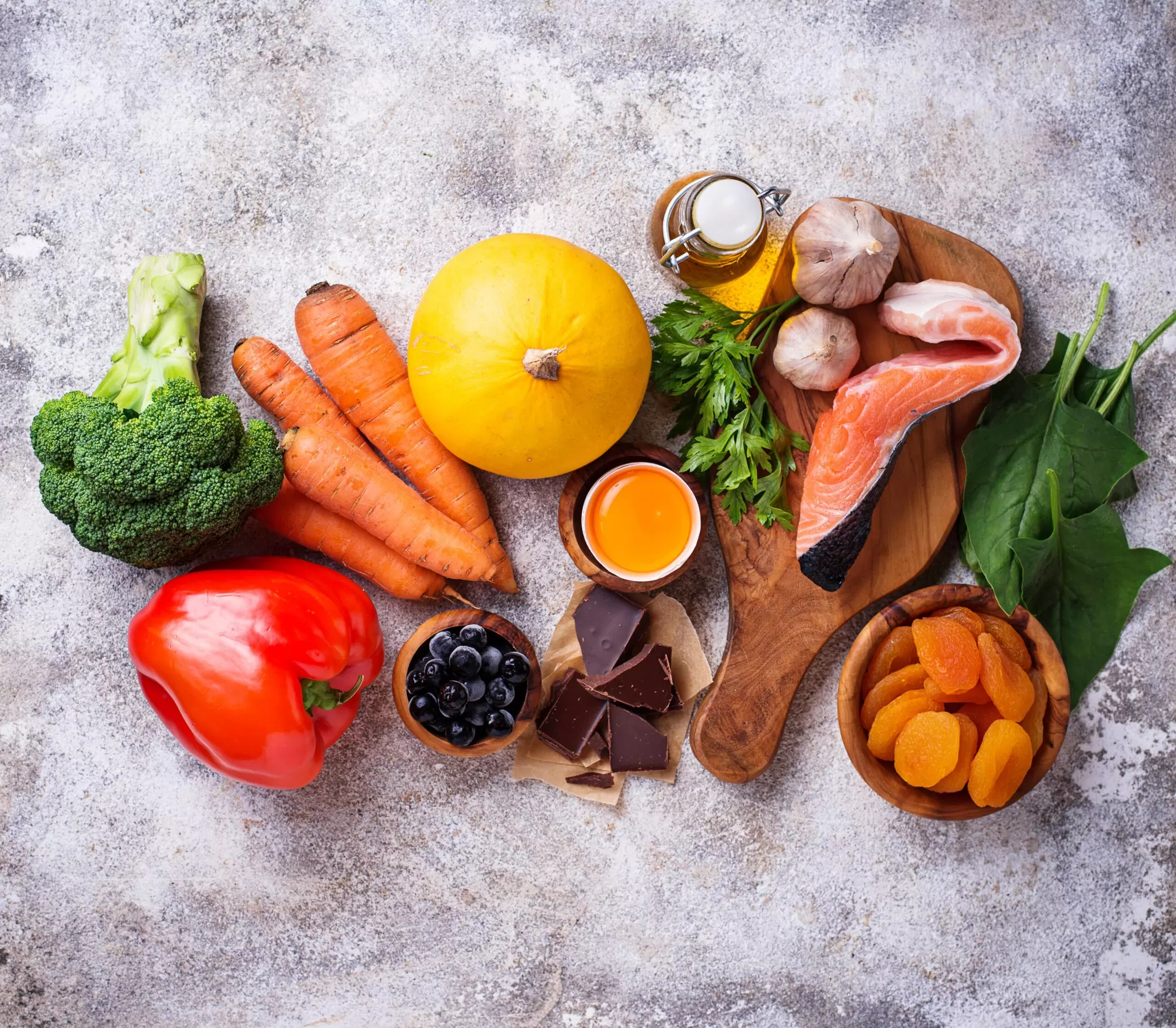
One cooked cup of spinach delivers a week's worth of vitamin K, more than 25% of your daily iron and folate, and plenty of vitamin A, magnesium and calcium — all for 41 calories. That's an extraordinary ratio. Spinach works in almost any form: sautéed with garlic, tossed into an omelette, stirred into pasta sauce, or thrown into a morning smoothie. If you're iron-deficient (common in women, runners, and plant-based eaters), pair it with a vitamin-C source (berries, capsicum, lemon) to boost absorption.
What to Skip Instead
You can't out-eat your mistakes. If the foods above go into your grocery cart but ultra-processed foods stay in it too, the benefits get cancelled out. The biggest wins come from replacing these common offenders:
- Muesli bars with added sugar (most are biscuits in disguise) → swap for a piece of fruit + a boiled egg.
- Flavoured yoghurts (often 4+ teaspoons of sugar per tub) → plain Greek yoghurt + fresh berries.
- Breakfast cereals marketed as "healthy" but high in added sugar → porridge or a 2-egg omelette.
- Deli meats high in sodium and nitrates → fresh-cooked chicken or tinned tuna.
- Sports drinks and juice → water, sparkling water with lemon, or unsweetened herbal tea.
When a Good Diet Meets a Medical ID
Eating well is a foundation — but it's not the whole building. If you're managing diabetes, a food allergy, heart disease, epilepsy or any other chronic condition, what you eat every day reduces the chance you'll end up in a crisis. What you wear on your wrist reduces the cost of a crisis if one happens anyway.
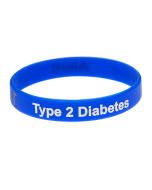
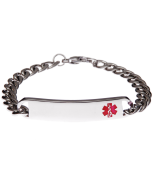
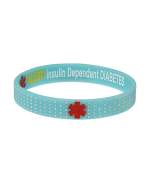
A Mediband medical alert bracelet is a $25 piece of silicone that tells a paramedic what to do in the first 30 seconds — whether you're hypoglycaemic from skipping a meal, in anaphylaxis from an unexpected allergen, or unconscious for reasons nobody at the scene knows. Diet is your first line of defence; the Mediband is your safety net.
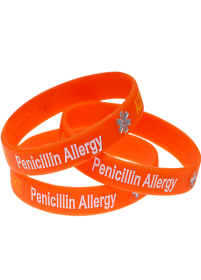
What one of our Mediband customers said after buying a penicillin-alert band:
"Wonderful prompt service. Very reasonably priced. My husband wears his penicillin alert proudly. So comfortable and not a danger to wear like a chain which can get caught in machinery. His friends all want to know where he got it. Ordered a second one just in case."
— Sophie, Modbury, South Australia
Your 7-Day Head Start
Don't overhaul your pantry in one day. Pick one of the five foods above and put it on your shopping list for this week. Swap one snack. Add one serve of vegetables. Protect your health with a medical ID if you have a chronic condition. That's it.
Consistency over perfection. Worry less. Live more.
Frequently Asked Questions
What are the healthiest snacks to help manage weight?
Berries, eggs, olives, raw vegetables with hummus, and small handfuls of unsalted nuts are all weight-friendly, keep you full, and deliver vitamins without the sugar crash of processed snacks. The key is fibre + protein + healthy fat — all three slow digestion and cut cravings.
How many eggs a day is safe to eat?
For most healthy adults, up to one egg per day is associated with neutral or modestly positive heart health outcomes. The Australian Heart Foundation now advises that eggs fit within a heart-healthy pattern provided saturated fat from other sources (butter, fatty meats, biscuits) is limited. People with diabetes or strong family history of heart disease should discuss their target with their GP.
Are olives actually good for you, or are they too salty?
Olives are rich in monounsaturated fat (the same type that makes olive oil heart-friendly) and antioxidants. The catch is the brine — high-sodium olives eaten in large quantities can push your daily salt intake too high, especially if you have high blood pressure. Look for reduced-salt varieties and stick to a small handful (15–20 olives).
Can a healthy diet replace medical alert bracelets for chronic conditions?
No. A healthy diet can slow progression, reduce flare-ups and improve your response to treatment, but it cannot communicate your diagnosis to paramedics when you're unconscious, non-verbal or in a diabetic coma. A Mediband is the emergency layer that diet can't replace.
What's the best diet for someone with diabetes?
The most researched pattern is a modified Mediterranean diet — lots of vegetables, berries, whole grains, olive oil, fish, moderate eggs, limited red meat and very limited sugar/processed carbs. It pairs well with medication and can reduce HbA1c over time. Your GP or an accredited practising dietitian can tailor it to your insulin regimen.

Written by
Founder, Mediband
Founder of Mediband; over 20 years providing medical IDs worldwide.
← Previous
Diabetic ID Bracelets: A 2025 Guide for the Newly Diagnosed
Next →
Is there a medical issue in your family?
Comment(s)