
Why "Fun" Matters for a Kid's Medical Alert
The single biggest predictor of whether a child's medical ID actually saves them in an emergency is whether they're wearing it that day. A perfectly engraved bracelet sitting in the bedside drawer is no help. So one of the most important parenting jobs after a child's diagnosis is finding ways to make their medical ID feel like something they want to wear — not something forced on them.
Kids are smart. They notice if other kids ask "what's that?" with curiosity or with mockery. They notice if a band feels different to wear during PE. They notice if it pinches in summer or rubs in winter. Designed well — and presented well — a medical alert bracelet becomes part of their identity, like a school badge or a favourite hoodie. Designed poorly, it becomes the thing they "forget" before walking out the door.

1. Let Your Child Choose the Colour and Style
Ownership equals compliance. Kids who choose their bracelet wear it consistently. Kids who have a band foisted on them tend to lose, hide, or "forget" it within weeks.
What This Looks Like in Practice
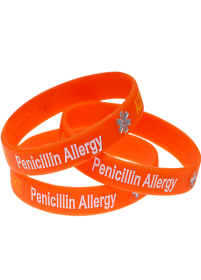
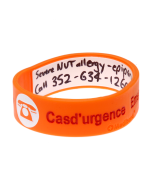
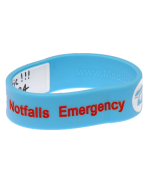
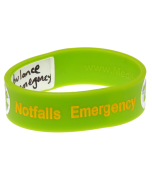
- Walk through colours together — orange, neon green, blue, pink, yellow, red. Each child has a strong preference; let them lead.
- Show them the photos online together — let them pick the design they like best, not the one you'd choose.
- Buy two or three different colours — they can rotate based on outfit, mood, or activity.
- Let them name it — "the diabetes superband" or "Maddy's safety bracelet" — silly, but it works.
The 30 minutes you spend on this conversation pays off in years of consistent wear.
Recommended for you
Products related to this article
Hand-picked to go with what you just read.
2. Tie the Bracelet to a Hero or Favourite Character
Kids who think their medical band makes them like a superhero, a Pokémon trainer, or a character from their favourite show wear it with pride instead of hiding it. The framing matters as much as the material.
Stories That Work
- "This is your superhero band." Heroes have their gear; this is yours.
- "Like the watches the spies use to talk to base." Roleplay the emergency contact phone number as their direct line to mum/dad/HQ.
- "Yours has a secret message that only paramedics can read." The engraving becomes a special code; only certain people know how to decode it.
- "Doctors and nurses recognise this — they treat people who wear them carefully." Frame it as VIP status rather than disability.
For older kids and teens, a more grown-up version: "this gives the right answer if you ever can't" — practical, calm, respectful. The story ages with the child.
3. Make It Part of the Daily Routine
The best way to ensure consistent wear is making it a non-negotiable, automatic part of the morning routine. Kids who put their bracelet on with their school shoes — and only take it off with their pyjamas — never forget it.
Build the Routine
- Same place, same time — bracelet on the bedside table or hooked next to the school bag, every night without fail.
- Pair with another routine action — shoes on, bracelet on. Pyjamas on, bracelet off (if needed) and onto bedside.
- Visible reminder — a small picture or note on the door: "Wallet. Phone. BRACELET."
- School-bag spare — for the day they lose one or it breaks during play. A backup band sits in the front pocket of the school bag, always.
- Replacement schedule — silicone bands wear out. Replace every 6-12 months as part of the back-to-school refresh, or after a major activity.
4. Talk About It Openly — But Age-Appropriately
Kids cope with things they understand far better than things they don't. Refusing to discuss why they wear the band creates anxiety; over-explaining medical detail creates fear. The sweet spot is age-appropriate, casual, repeated conversation.
For 4-7 Year Olds
"If you ever feel funny and can't talk, this tells the helper what to do." Simple, direct, no medical jargon. Reinforce that paramedics, teachers, and other safe adults will know what to do because of the band.
For 8-11 Year Olds
Add a sentence about WHY: "Some bodies need a special reminder for doctors. Yours does, and so this band does the talking if you can't." Pair with a casual show-and-tell about the engraving so they understand what it says.
For 12+ Years
Bring them into the design conversation. They can choose engraving wording, choose between styles (engraved metal vs silicone vs designer reversible), and update their wallet card themselves. Ownership of the medical-self matures into adulthood.
What to Avoid
- Talking about it in dramatic terms ("this could save your life!") — it creates fear, not security.
- Treating it as a punishment ("you have to wear this because…").
- Avoiding the conversation entirely, hoping the child won't ask. They will, and the silence creates worry.
- Comparing your child to other kids who don't need a band — emphasise that lots of kids have lots of different things.
What Information Should Be on the Bracelet
Whatever style and colour you and your child agree on, the engraving needs to do its job in an emergency. The five priority fields:
- Child's first name
- Primary medical condition — "Type 1 Diabetic", "Anaphylaxis – Peanut", "Epilepsy"
- Critical action — "EpiPen", "Insulin", "Inhaler"
- Parent or guardian phone number
- "See school care plan" if more detail lives in the office
According to HealthDirect's anaphylaxis guidance, schools that combine clear identification (a visible bracelet) with documented care plans dramatically reduce the risk of an incorrect emergency response. The fun, kid-friendly band the child loves wearing is the foundation that makes the whole safety plan work in real life.
Frequently Asked Questions
How do I get my child to wear their medical ID bracelet every day?
Three things in combination: let the child choose the colour and style themselves, build it into the morning routine (shoes on, bracelet on), and keep a spare in the school bag. Compliance jumps dramatically when the child feels ownership. The 30 minutes you spend choosing together pays off in years of consistent wear.
What's the best material for a kid's medical alert bracelet?
Soft silicone. It's waterproof, washable, durable for daily play, kid-comfortable, and easy to update if medications or contact numbers change. Avoid sharp edges, charm-style bracelets that catch on uniforms, or bands that need a clasp the child can't manage themselves.
Should I tell my child why they need a medical alert bracelet?
Yes, age-appropriately. For young children: "If you ever feel funny and can't talk, this tells the helper what to do." For older kids: bring them into the design conversation, let them help choose engraving and style. Avoiding the conversation creates anxiety; over-explaining creates fear.
How can I make the bracelet feel less "medical" to my child?
Frame it as part of their identity, not their condition: "your superhero band", "your safety bracelet", "your spy gear". Pick designer reversible styles that look like jewellery on one side. Buy two or three colours so they can rotate. Talking about other kids and adults who wear them helps normalise.
What's the right age to start a child wearing a medical alert bracelet?
As soon as a serious condition is diagnosed — even infants. Babies wear soft fabric or silicone bands. By age 4 or 5, your child is old enough to understand what the band means and why it matters. Build the habit early and it becomes second nature throughout childhood and into adulthood.

Written by
Founder, Mediband
Founder of Mediband; over 20 years providing medical IDs worldwide.
← Previous
Lymphedema Bracelet: Why It Could Save Your Life
Next →
Lymphedema Alert Bracelets — Why They Matter & What to Engrave (2026)
Comment(s)