
How to Protect Your Health in Australia: 6 Steps That Could Save Your Life
February 13, 2012

Health is the number one thing Australians say they want most in life — and it is easy to understand why. According to the Australian Institute of Health and Welfare (AIHW, 2023), almost half of all Australians live with at least one chronic condition, from diabetes and asthma to heart disease and epilepsy. Yet most people do not take consistent, practical steps to protect their health until something goes wrong. This guide gives you 6 evidence-based steps — including one that most Australians overlook entirely — that could make a critical difference.
Why Your Health Is Your Most Valuable Asset
Chronic disease is Australia's greatest health challenge. The AIHW reports that 3 in 5 Australians live with at least one chronic condition, and 1 in 4 lives with two or more. These conditions are the leading cause of illness, disability, and premature death across the country — and many are either preventable or manageable with the right habits.
Protecting your health is not just about eating well and exercising. It means understanding your body, managing your risks, and making sure that if a medical emergency does happen, the right people have the information they need to help you quickly. Mediband has been helping Australians living with chronic conditions stay safer every day for over 15 years. Here are 6 steps every Australian should take.
Shop Medical Alert Bracelets
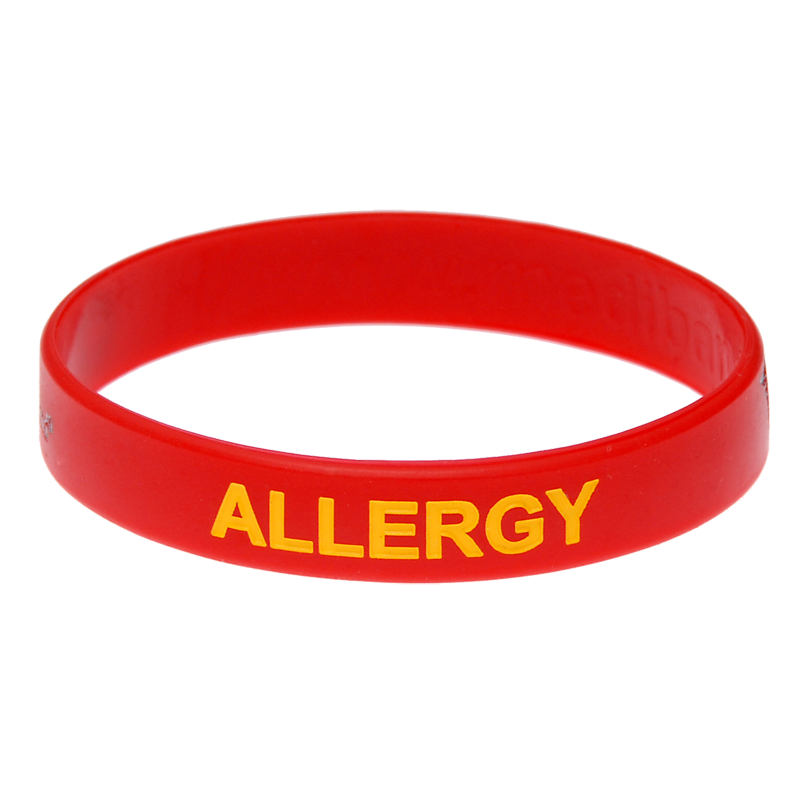
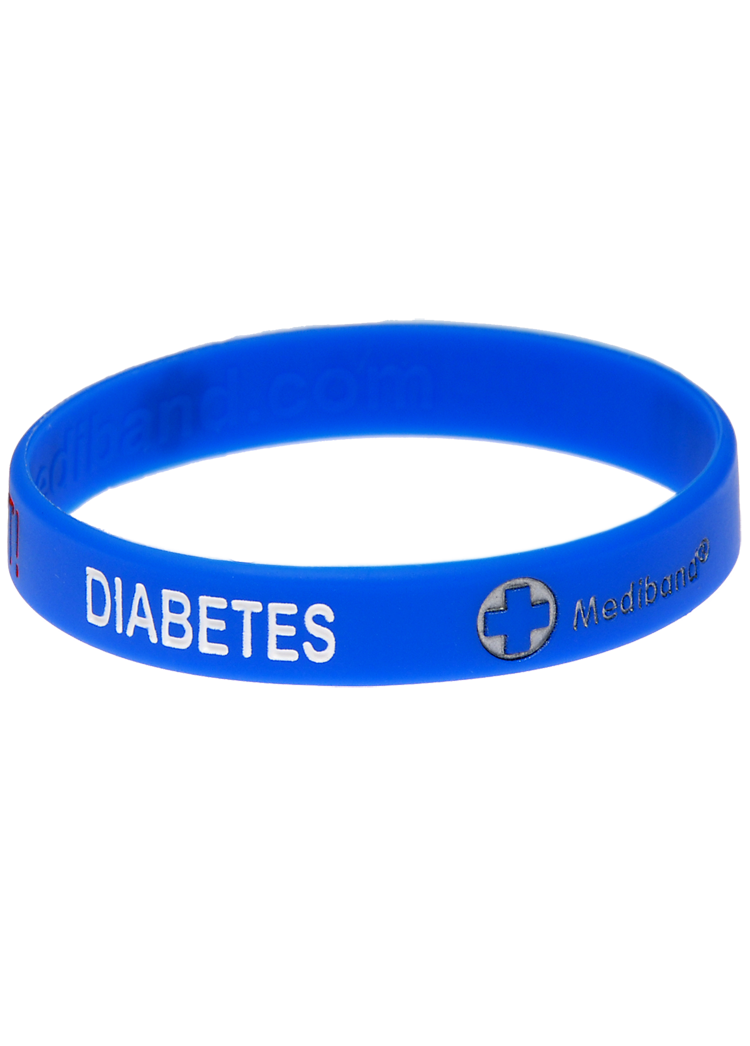
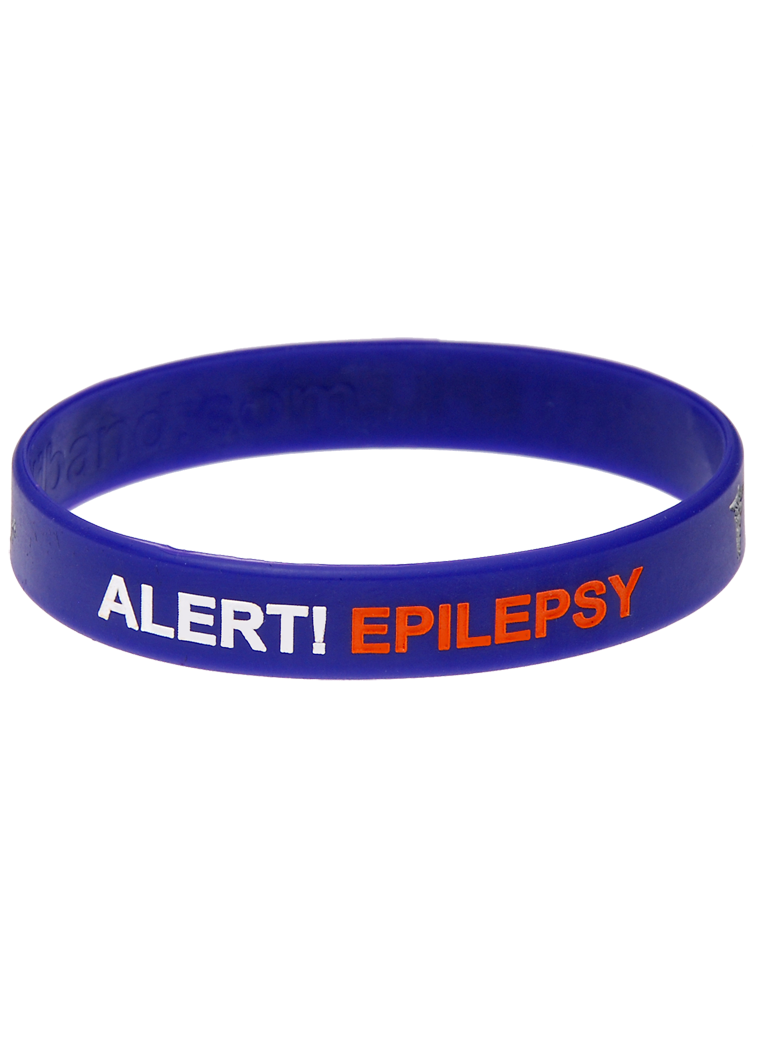
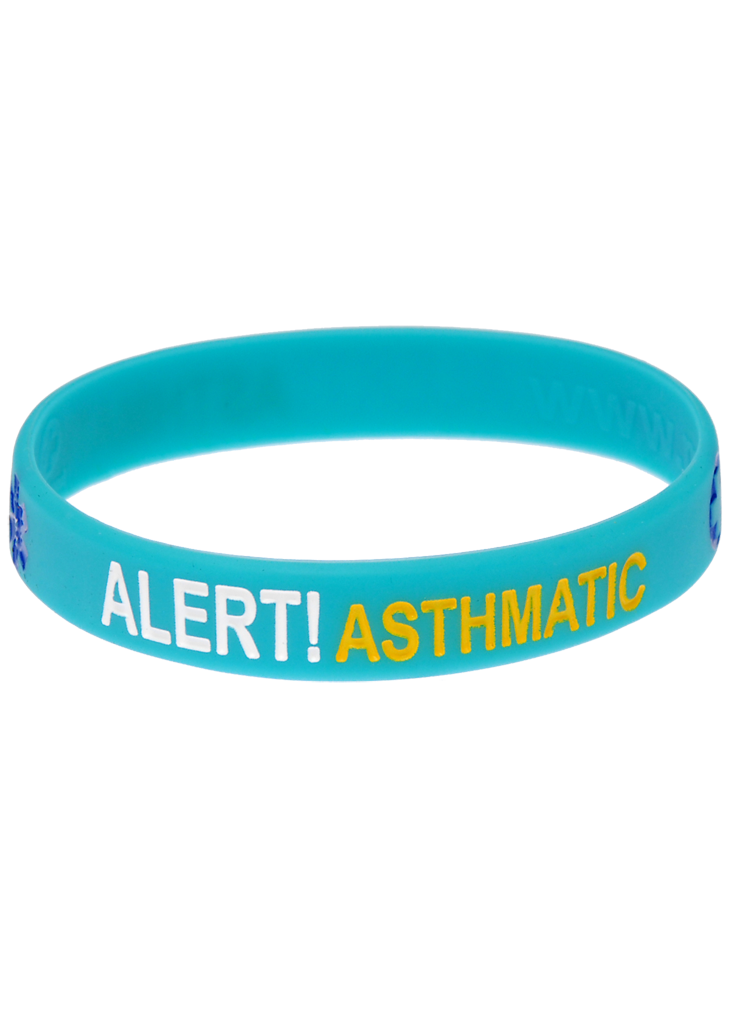
If you have a chronic condition, a medical alert bracelet is the step most Australians overlook — and the one that could matter most in an emergency.
Step 1 — Follow Evidence-Based Eating Guidelines
What the Australian Dietary Guidelines Actually Recommend
The Australian Dietary Guidelines, published by the National Health and Medical Research Council, recommend eating from all five food groups — vegetables and legumes, fruit, wholegrain foods, lean proteins, and dairy or alternatives — in proportions that provide the nutrients your body needs. They also recommend limiting foods high in saturated fat, added sugars, salt, and alcohol.
The old adage holds: all things in moderation. Eat a variety of whole foods in amounts appropriate to your activity level, and you will be doing better than the majority of Australians.
Practical Daily Eating Habits
- Eat at least 5 serves of vegetables and 2 serves of fruit daily
- Choose wholegrain bread, pasta, and rice over refined versions
- Limit ultra-processed snacks — if it has more than 5 ingredients, eat it less often
- Cook at home more than you eat out — restaurant meals are typically higher in salt, fat, and kilojoules
- Drink water as your primary beverage, not sugary drinks or juice
Step 2 — Move Your Body — More Than You Think You Need To
The Australian Physical Activity Guidelines
The Department of Health and Aged Care recommends that Australian adults do at least 150 to 300 minutes of moderate-intensity physical activity per week — roughly 30 minutes of brisk walking on most days. Regular exercise reduces the risk of type 2 diabetes by up to 58%, lowers blood pressure, improves mental health, and strengthens the immune system.
Incidental Exercise Adds Up
No time for structured exercise? Incidental activity counts toward your weekly total:
- Walk or cycle instead of driving for short trips
- Take the stairs instead of the lift
- Get off public transport one stop early and walk the rest
- Stand or pace during phone calls
- A 10-minute walk at lunchtime improves mood and cognitive performance for hours afterward
Start with a 20-minute walk each morning or evening. The most important exercise is the kind you actually do consistently.

Step 3 — Take Stress Seriously — It Is a Physical Health Risk
Chronic stress raises cortisol levels, suppresses immune function, increases blood pressure, and contributes directly to cardiovascular disease and type 2 diabetes. The Australian Psychological Society consistently reports stress as a significant factor affecting Australians' physical health — yet stress management remains the most deprioritised health habit.
Box Breathing — An Instant Reset
Box breathing is used by paramedics, surgeons, and military personnel to manage acute stress. It takes under two minutes:
- Breathe in slowly through your nose for 5 counts
- Hold for 5 counts
- Breathe out slowly for 5 counts
- Hold for 2 counts — then repeat 4 to 5 times
Use this at your desk, in the car, or before sleep whenever you feel overwhelmed.
Mind-Body Practices
Regular yoga, tai chi, and mindfulness meditation have strong clinical evidence supporting their role in reducing chronic stress. Even 10 minutes of guided meditation daily — available free through the Australian-made Smiling Mind app — produces measurable reductions in cortisol and blood pressure within 8 weeks.
Step 4 — Know Your Numbers and Get Regular Health Checks
Many serious conditions — high blood pressure, type 2 diabetes, high cholesterol — develop silently and are only found through routine screening. Australia's Medicare system covers many health assessments at no cost to eligible patients. Know these four numbers and discuss them with your GP:
- Blood pressure: Target under 120/80 mmHg — hypertension affects 1 in 3 adult Australians (Heart Foundation, 2023)
- Fasting blood glucose: Under 6.0 mmol/L — the pre-diabetes range (6.0–6.9) affects an estimated 2 million Australians
- Total cholesterol: Under 5.5 mmol/L
- Waist circumference: Under 94 cm for men, under 80 cm for women — a key marker of metabolic disease risk
If you have not had a full health assessment in the last two years, book one with your GP this week. It is one of the highest-return health investments you can make.
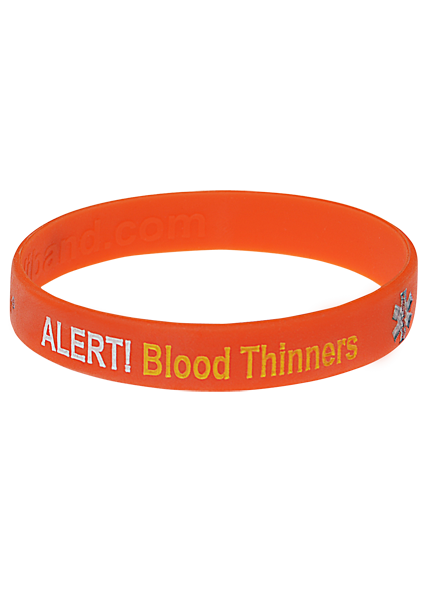
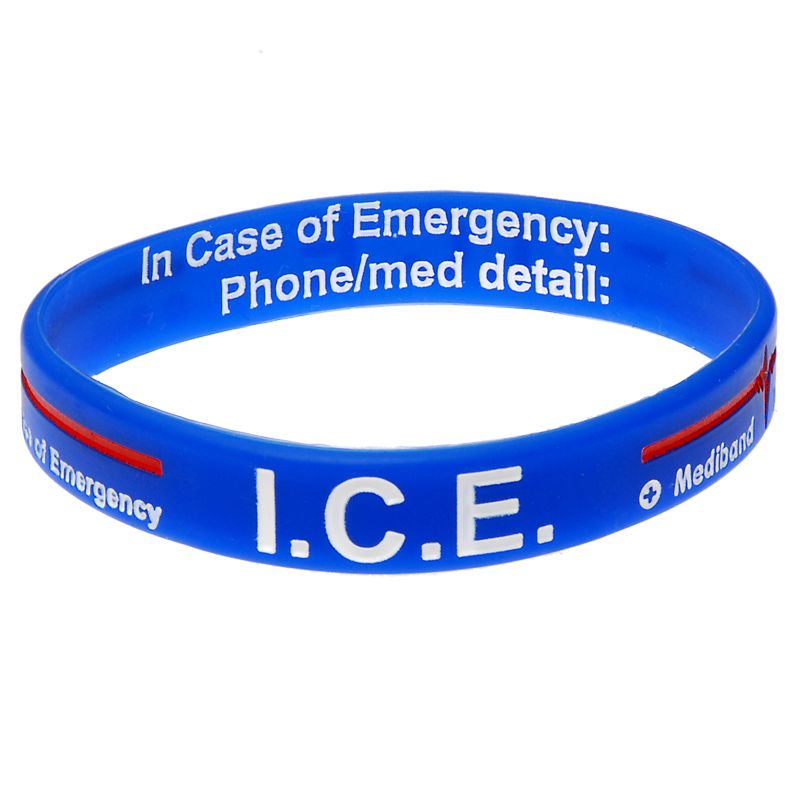
Step 5 — Wear a Medical Alert Bracelet If You Have a Chronic Condition
This is the step most Australians overlook — and one of the most important.
Why Emergency Identification Protects Your Health
When a medical emergency strikes — a seizure, a hypoglycaemic episode, an anaphylactic reaction, a cardiac event — you may not be able to speak for yourself. Paramedics and emergency responders are trained to check the wrist and neck for medical ID within the first 30 seconds of attending an unresponsive patient. A clearly labelled medical alert bracelet communicates your condition, critical medications, allergies, and emergency contacts in seconds — no technology or phone signal required.
Without that information, responders must make educated guesses. In conditions like insulin-dependent diabetes, epilepsy, and severe allergies, the wrong treatment decision can be fatal. A bracelet costs less than a restaurant meal and lasts up to two years.
Who Should Wear a Medical Alert Bracelet?
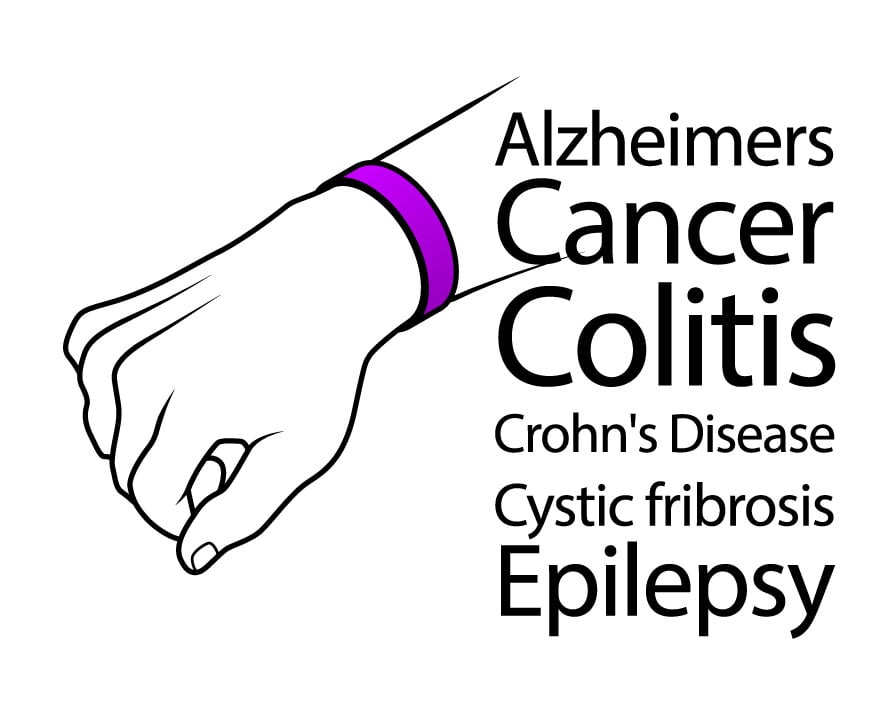
Anyone whose health status could affect emergency treatment. This includes people with diabetes, epilepsy, severe allergies or anaphylaxis risk, asthma, heart conditions, blood-thinning medications, pacemakers, dementia, autism, or any drug allergy such as penicillin that could affect the medications a responder might administer. Read our full guide: Who Should Wear a Medical Alert Bracelet?

Step 6 — Prepare for Medical Emergencies Before They Happen
Medical emergencies are, by definition, unplanned. But your response to them does not have to be. Preparation produces measurably better outcomes:
- Keep an updated medication list in your wallet or saved on your phone's emergency contact screen
- Share your medical history with at least one trusted person who can speak on your behalf
- Know your nearest hospital and after-hours GP before you need them
- Keep a basic first aid kit at home — the Australian Red Cross recommends every household have one
- If you carry an EpiPen, make sure those around you know where it is and how to use it
- Wear a medical alert bracelet every day — not just when you think you might need it
Frequently Asked Questions
What is the most important step for protecting your health in Australia?
The greatest impact comes from combining regular physical activity, a balanced diet based on the Australian Dietary Guidelines, and knowing your key health numbers. For Australians with chronic conditions, wearing a medical alert bracelet is equally important — it ensures emergency responders can give you the right treatment if you are ever unable to speak for yourself.
How often should Australians get a health check?
The Australian Government recommends a general health assessment at least every two years for adults over 45, and more frequently if you have risk factors such as a family history of heart disease, diabetes, or cancer. Medicare covers many health assessments at no cost to eligible patients. Younger adults should still see a GP annually for blood pressure monitoring and basic screening.
Do I need a medical alert bracelet if my condition is well managed?
Yes. A well-managed condition can still produce a medical emergency. A controlled diabetic can still have a hypoglycaemic episode; a person whose epilepsy is medication-controlled can still have a breakthrough seizure. Emergency responders need to know your condition regardless of how stable it is day-to-day. The bracelet is not a sign of poor health — it is a sign of good preparation.
How much exercise do I need to stay healthy in Australia?
The Australian Physical Activity Guidelines recommend at least 150 minutes of moderate activity per week — around 30 minutes on most days. Brisk walking, cycling, swimming, or any activity that raises your heart rate counts. Incidental activity such as taking stairs and walking instead of driving also contributes meaningfully to your weekly total.
What should I include on a medical alert bracelet?
Include your primary medical condition, any critical drug allergies (particularly penicillin, ibuprofen, or latex), key medications (blood thinners, insulin, or EpiPen requirement), and an emergency contact number. Keep it concise — emergency responders need to read it in seconds. A medical wallet card can carry fuller details for complex or multi-condition profiles.
Your health is your most valuable asset — but it does not protect itself. The six steps above, taken consistently, reduce your risk of chronic disease, improve your emergency preparedness, and give those around you the tools to help you when it matters most. At Mediband, we believe being prepared is as important as being healthy. Browse our full range of medical alert bracelets and take the step most Australians overlook.

Share on Facebook

Share on X

Share on Pinterest
Comment(s)
Recent Posts



Kids Cooling Patch: A Safe, Gentle Way to Manage Fever
February 27, 2026

Are Stick on Thermometers Accurate? Pros, Cons, and Mor
February 23, 2026

Alcohol Gel Sanitiser: Top 5 Benefits for Your Health
February 19, 2026