
5 Essential Things to Do After a Medical Diagnosis in Australia (2025)
February 13, 2012

Receiving a medical diagnosis — whether it's type 2 diabetes, epilepsy, a heart condition, a severe allergy, or any other chronic condition — can feel overwhelming. It's normal to experience a rush of emotions: shock, fear, confusion, even anger. But what you do in the weeks and months after diagnosis will significantly shape how well you live with your condition going forward.
In Australia, approximately 47% of adults live with at least one chronic condition, and around 20% live with two or more (Australian Institute of Health and Welfare, 2023). You are far from alone — and there are concrete, practical steps you can take right now to take back control.
1. Accept Your Diagnosis — Release Blame and Move Forward
The first and arguably most difficult step is accepting the diagnosis. This doesn't mean giving up or surrendering to the condition — it means stopping the energy drain of asking "why me?" and redirecting it toward "what now?"
Chronic illness happens for many reasons: genetics, environment, lifestyle, or simply random bad luck. Blame — whether directed inward or outward — solves nothing and can delay the practical steps that actually improve outcomes. Research consistently shows that patients who move into an acceptance mindset earlier after diagnosis experience better long-term mental and physical health outcomes.
Equally important: be careful about researching your condition obsessively online. Medical information websites are full of worst-case scenarios, rare complications, and outdated advice. Stick to reputable Australian sources — your specialist, your GP, and organisations like the Australian Institute of Health and Welfare, Healthdirect, or the peak body for your specific condition.

2. Tell Your Support Network About Your Condition
Many people instinctively want to keep a new diagnosis private — out of embarrassment, a fear of being treated differently, or not wanting to worry family members. In most cases, this instinct works against you.
Who Needs to Know?
- Close family and housemates — they need to know how to help if you have a medical episode at home
- Your workplace — your employer has a duty of care; knowing your condition allows reasonable adjustments and ensures colleagues can respond in an emergency
- Your children's school or childcare — if you are the primary carer and could be incapacitated, school staff need to have alternative emergency contacts and know who to call
- Close friends — people who spend time with you socially should know the basics of your condition and what to do if something goes wrong
What to Tell Them
You don't need to share every medical detail. Focus on what is most relevant for their safety role: what your condition is, what a medical episode looks like, what they should do if one occurs (call 000, administer an EpiPen, put you in the recovery position), and what they should not do.
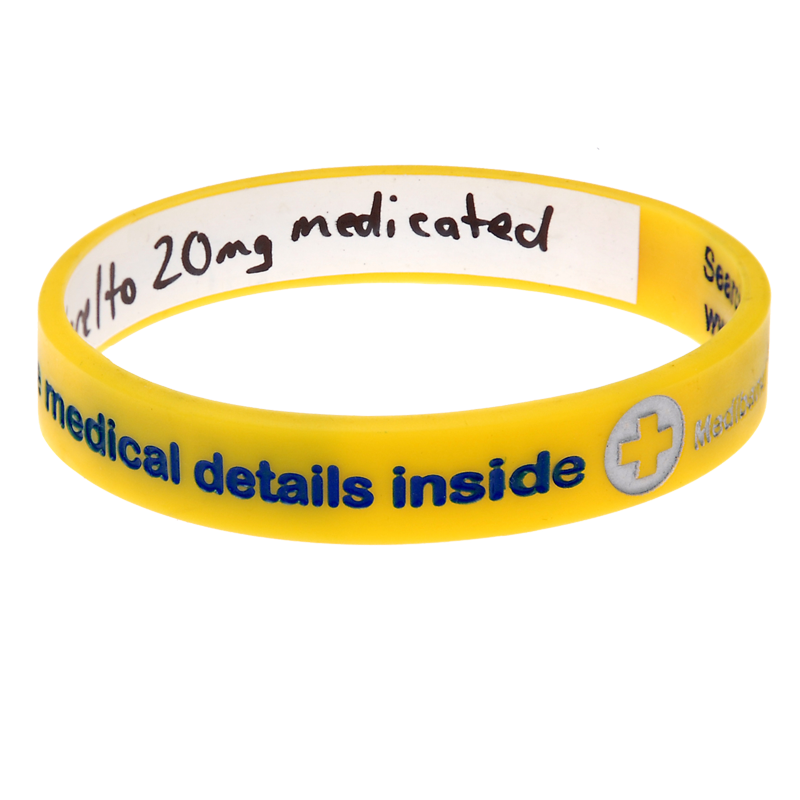
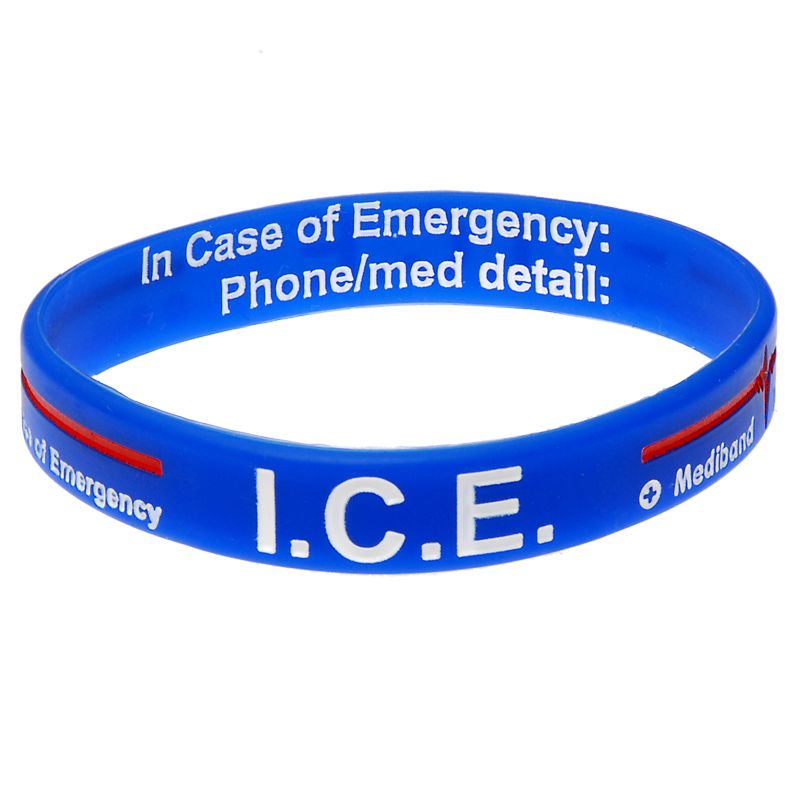
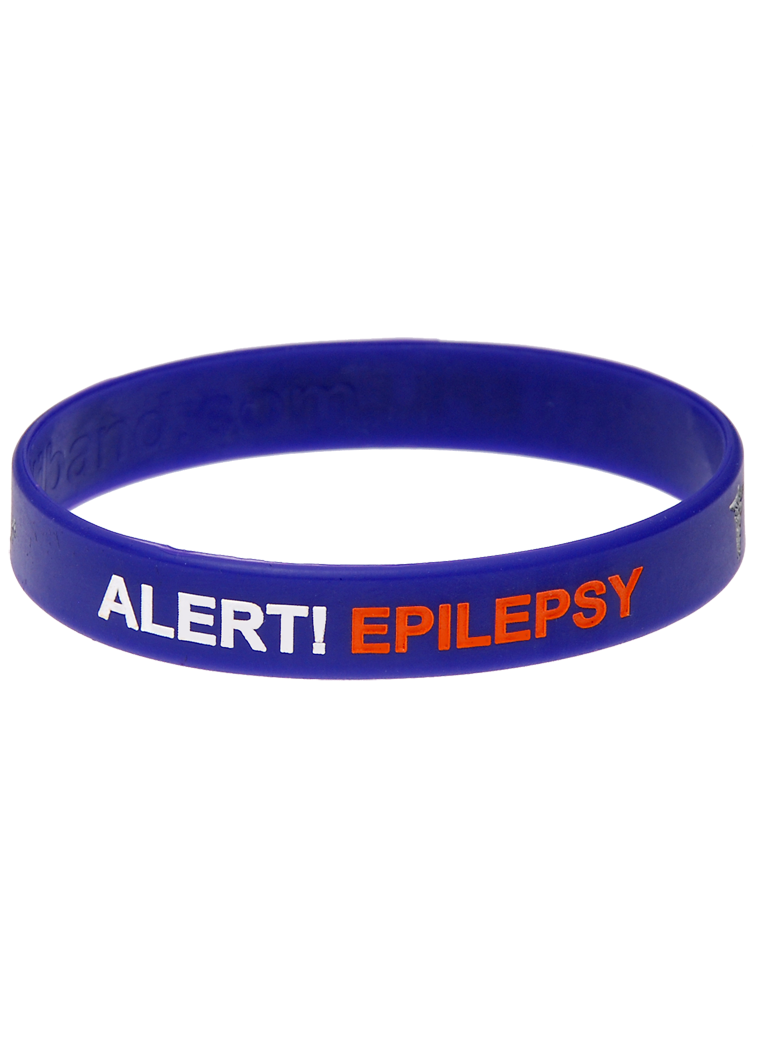
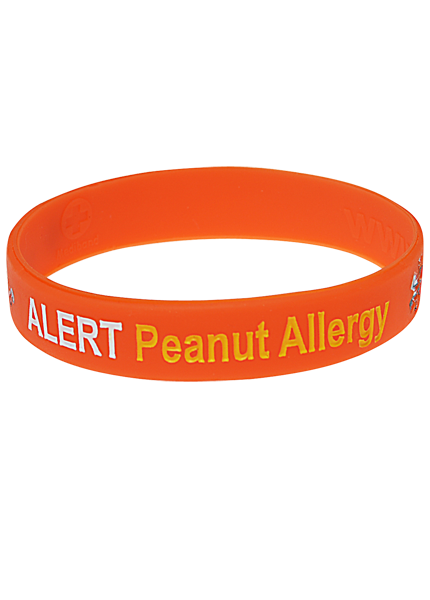
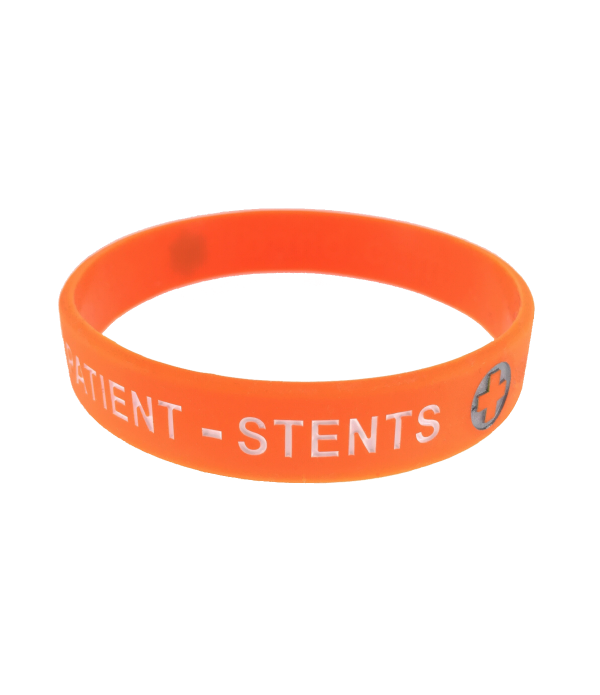
Shop Medical Alert Bracelets for Your Condition
When you can't speak for yourself, your Mediband speaks for you — across all conditions.

3. Make Sure Emergency Responders Know Your Condition
You've told your family and friends — but what about strangers? What about paramedics who arrive at a scene when you cannot speak? This is one of the most critical and most overlooked steps after a medical diagnosis.
Why a Medical Alert Bracelet Is Non-Negotiable
Many conditions — including epilepsy, severe allergies, diabetes, heart conditions, and medication requirements — can cause sudden incapacitation. In those moments, the people responding to your emergency have no way of knowing your condition unless it is immediately visible. A medical alert bracelet communicates this instantly.
Paramedics and emergency room staff worldwide are trained to check for medical alert jewellery as a first step in patient assessment. If you are unconscious, having a seizure, or unable to communicate, your bracelet is your voice.
What to Include on Your Medical Alert Bracelet
- Your primary condition — the most critical diagnosis (e.g., TYPE 1 DIABETIC, EPILEPSY, ANAPHYLAXIS RISK)
- Drug allergies — particularly important for medication allergies like penicillin, aspirin, or morphine that affect emergency treatment
- Medications that affect treatment — blood thinners (warfarin, Xarelto), immunosuppressants, or steroids
- Device alerts — pacemaker, implanted defibrillator (ICD), cochlear implant (affects MRI eligibility)
- Emergency contact — a name and phone number on the reverse side

4. Connect with Australian Health Organisations for Your Condition
One of the most valuable — and underused — steps after a diagnosis is connecting with the peak body or support organisation for your specific condition. These organisations provide evidence-based information, peer support, research updates, advocacy, and practical resources that your GP may not have time to cover.
Key Australian Support Organisations by Condition
- Diabetes: Diabetes Australia — national advocacy, resources, and peer support programs
- Heart disease / cardiac conditions: Heart Foundation Australia
- Epilepsy: Epilepsy Australia — state-based support services
- Allergies and anaphylaxis: Australasian Society of Clinical Immunology and Allergy (ASCIA)
- Cancer: Cancer Council Australia
- Mental health: Beyond Blue and headspace (for younger Australians)
- General chronic disease support: Healthdirect Australia — government-funded health advice and referral service (free call 1800 022 222)
Most peak bodies offer condition-specific forums, helplines, and local support groups. These peer networks — connecting with others who genuinely understand what you are living with — are consistently rated by patients as among the most valuable sources of support after diagnosis.
5. Look After Your Mental Health and Wellbeing
A chronic diagnosis is not just a physical event — it is a psychological one. Studies consistently show that people with chronic health conditions have significantly higher rates of depression and anxiety than the general population. In Australia, around 1 in 3 people with a chronic condition also experience a mental health condition (Australian Institute of Health and Welfare, 2022).
Looking after your mental wellbeing is not a luxury — it directly affects physical health outcomes. People who manage their mental health well after diagnosis tend to adhere better to treatment, make healthier lifestyle choices, and have better overall outcomes.
Practical steps include:
- Talk to your GP about mental health support — a Mental Health Treatment Plan entitles eligible Australians to Medicare-subsidised sessions with a psychologist
- Maintain social connections — isolation worsens both mental and physical health; don't let your condition become a reason to withdraw
- Give yourself permission to grieve — a diagnosis often involves a real sense of loss; acknowledging this is healthy, not weak
- Find humour where you can — it won't fix anything, but it lightens the load and gives perspective
- Set small, achievable goals — focusing on what you can still do and do well builds resilience and a sense of agency
- Consider mindfulness and meditation — both have strong evidence for reducing anxiety and improving coping in chronic illness
Frequently Asked Questions
What should I do immediately after being diagnosed with a chronic condition?
The most important first steps are: accept the diagnosis without self-blame, ask your doctor for a clear explanation of what the condition means for your daily life, tell your close family and support network, connect with the relevant Australian peak body for your condition, and ensure emergency responders can identify your condition by wearing a medical alert bracelet. Early action significantly improves long-term outcomes for most chronic conditions.
Do I need to tell my employer about my medical condition in Australia?
In most cases, you are not legally required to disclose a medical condition to your employer. However, if your condition affects your ability to safely perform your role, or if you need reasonable adjustments at work, disclosing to your employer allows them to make those adjustments under the Disability Discrimination Act 1992. Speak with your GP or a workplace health professional about what level of disclosure is appropriate for your specific situation.
Why do people with medical conditions need to wear a medical alert bracelet?
Many chronic conditions — including diabetes, epilepsy, heart conditions, and severe allergies — can cause sudden incapacitation where you are unable to communicate your condition to emergency responders. A medical alert bracelet provides this information instantly. Paramedics worldwide are trained to check for medical alert jewellery as a first step in patient assessment. Without it, emergency staff may administer treatments that are unsafe for your condition.
How do I find support organisations for my condition in Australia?
Most conditions have a dedicated Australian peak body — for example, Diabetes Australia, the Heart Foundation, Epilepsy Australia, and ASCIA (for allergies). Your GP can refer you to the relevant organisation. Healthdirect (1800 022 222) is a free government-funded service that can also guide you to condition-specific support services anywhere in Australia.
Is it normal to feel depressed or anxious after a medical diagnosis?
Yes — it is extremely common. Around 1 in 3 Australians with a chronic condition also experiences a mental health condition such as depression or anxiety (AIHW, 2022). A diagnosis often involves a real sense of loss, and these feelings deserve acknowledgement and support. Speak with your GP about a Mental Health Treatment Plan, which provides Medicare-subsidised access to a psychologist. You don't have to manage this alone.

Share on Facebook

Share on X

Share on Pinterest
Comment(s)
Recent Posts



Kids Cooling Patch: A Safe, Gentle Way to Manage Fever
February 27, 2026

Are Stick on Thermometers Accurate? Pros, Cons, and Mor
February 23, 2026

Alcohol Gel Sanitiser: Top 5 Benefits for Your Health
February 19, 2026