
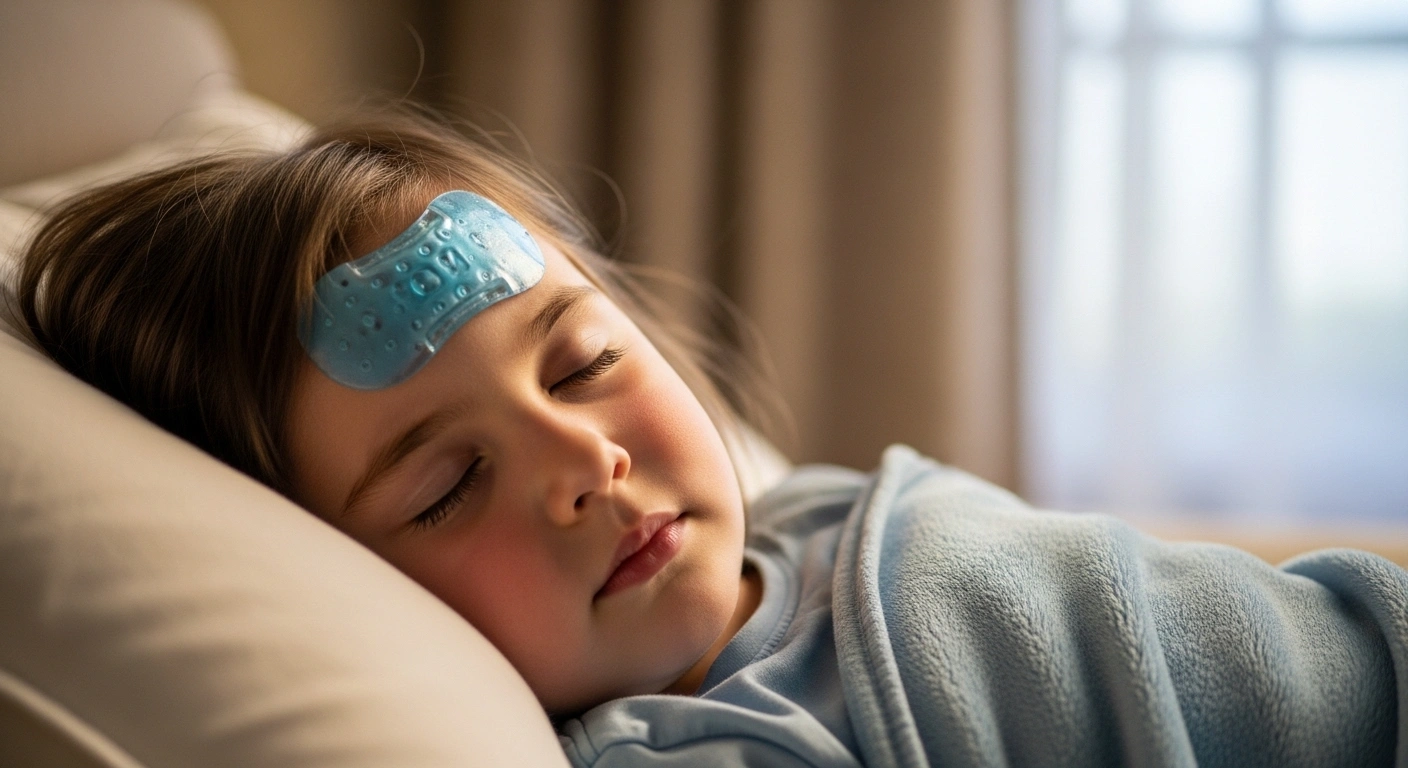

child resting with cooling patch on forehead for fever relief

There's something uniquely stressful about a child with a fever. The restlessness, the warm skin, the glassy eyes — every parent who's been through it knows that sinking feeling at two in the morning when the thermometer beeps and the number isn't what you hoped for. You want to do something, but you don't want to rush straight to medication if the fever is mild and your child just needs comfort. 

That's the exact gap that kids' cooling patches have stepped into — and why they've quietly found their way into so many family first-aid kits. Small, soft, drug-free, and genuinely soothing, these little patches have become one of the go-to tools for parents who want to help their children feel better without overcomplicating things.

What Is a Kids Cooling Patch?

Kids' cooling patches are soft, adhesive gel pads designed specifically for children. They stick to the forehead or other areas of the skin and deliver a steady cooling sensation that helps ease the discomfort that comes with fever, overheating, or general fussiness. No water, no freezing, no mess — just peel the backing off and apply.

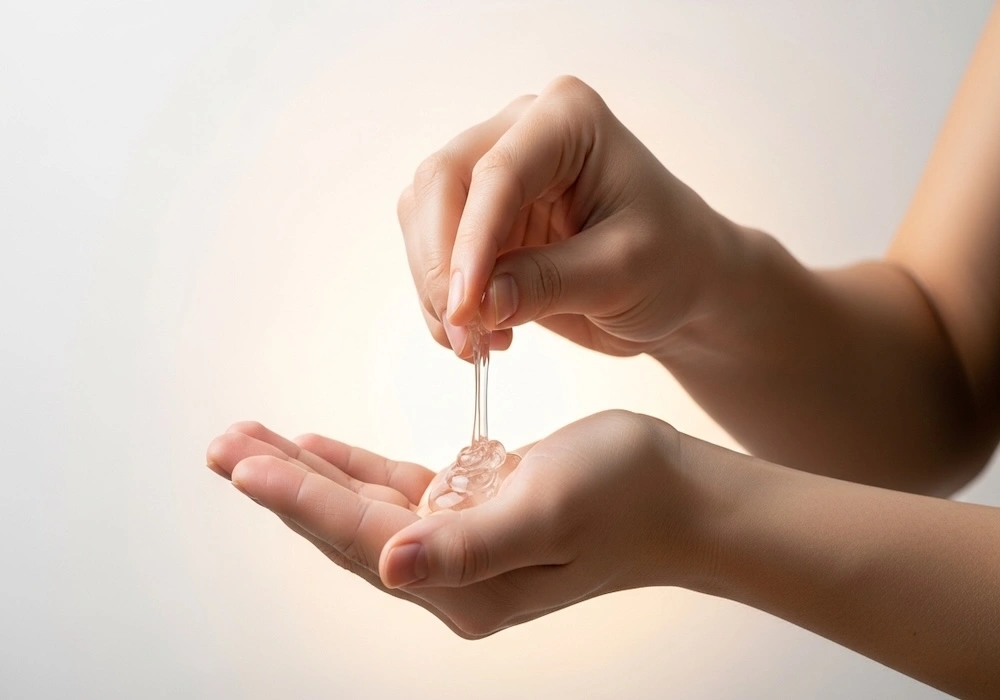
The idea behind a kids' cooling patch is simple. Each patch contains a layer of hydrogel — a water-rich, polymer-based gel — that gradually releases moisture when placed against warm skin. As that moisture evaporates, it pulls heat away from the surface, creating a cooling effect that most children find immediately soothing. The process is entirely physical. Nothing is absorbed into the body, and nothing interferes with the child's internal systems. Think of it as a smarter, more consistent version of placing a cool, damp cloth on a feverish forehead.

Key Ingredients and Materials

Most cooling patches share a similar composition, although exact formulations can vary depending on the brand. At the core of every patch is hydrogel — a water-based polymer that acts as the main cooling agent. It retains a significant amount of moisture and gradually releases it when applied to the skin, creating the evaporative cooling effect that makes the patch effective.

To support this function, many patches also include sodium polyacrylate, a compound that helps the gel hold large amounts of water. This is especially common in products designed for longer-lasting cooling performance.

Some cooling patches contain menthol, which adds an extra cooling sensation on the skin. However, it’s not always included in children’s versions, as some formulations are designed to be as gentle as possible.

You may also find natural extracts such as lavender or chrysanthemum. These are typically added for their calming and soothing properties, though their presence depends on the specific product.

The structure of the patch itself includes a non-woven fabric backing, which keeps it flexible, breathable, and comfortable on the skin. In most children’s products, this layer is hypoallergenic to reduce the risk of irritation.

Finally, each patch comes with a protective layer — usually made from PET or PU film — that is peeled off before use. This layer helps maintain freshness and prevents the gel from drying out before application.

Always check the product label for age suitability and review the ingredient list carefully, especially if your child has known sensitivities or allergies.

Different Types of Cooling Patches

Not every cooling patch works the same way or suits the same situation. The three most common types of parents come across are:

  • Pre-saturated gel forehead patches — These are the most widely used kind. They come ready to use straight from the pack, typically last six to eight hours, and are sized specifically for a child's forehead. Most are single-use only.
  • Reusable fabric-based cooling patches — These are soaked in cool water before use and can be rinsed and reapplied. They're a more budget-friendly option but require a bit more preparation.
  • Medicated fever patches — A different category entirely, these contain active pharmaceutical ingredients. They should only be used under a healthcare provider's guidance and are not the same as standard comfort-based cooling patches.

For everyday fever comfort and general use, the pre-saturated, non-medicated fever cooling patch for kids is what most caregivers rely on.

How Kids Cooling Patches Work to Manage Fever

Understanding the mechanism behind cooling patches helps set the right expectations — and helps you use them more effectively.

Mechanism of Action

When the hydrogel layer of a cooling patch meets warm skin, it begins to transfer heat through a process called evaporative cooling. The water molecules in the gel absorb thermal energy from the skin's surface and convert it into vapor as they evaporate. This draws heat away from the contact area, which is what produces the cool, relieving sensation the child feels. The process mirrors how the body naturally cools itself through sweating — just in a controlled, mess-free form.

Targeting the Forehead and Other Areas

The forehead is the most effective spot for a fever cooling patch for kids, and there's a straightforward reason for that. The skin there sits close to several surface blood vessels, which means temperature changes at the surface are felt more acutely and can influence the child's overall sense of comfort more quickly. 

Beyond the forehead, patches can also be applied to the back of the neck or the inner wrists. Avoid placing them near the eyes, on broken or irritated skin, or anywhere that seems particularly sensitive.

Temperature Regulation — What the Research Says

It's worth being clear about what cooling patches can and cannot do. They work on the skin surface — they do not clinically lower the body's core temperature. A study published in the Pakistan Armed Forces Medical Journal (2021) examined the effects of cooling gel patches on fever and heat exhaustion and found that while the patches provided a perceived cooling sensation, they did not produce significant core temperature reduction on their own.

The researchers noted that physical cooling methods like water sponging produced a more measurable temperature response. 

This is an important point for parents to understand. Cooling patches are comfort tools — they make a child feel better while the body does its work. They are not a medical treatment, and they should not be used as a substitute for proper care when the fever is high or persistent.

Why Choose Cooling Patches for Kids?

There are several practical and child-specific reasons why cooling patches have earned such a strong following among parents and pediatric caregivers.

Gentle and Non-Invasive

Children, especially younger ones, can be incredibly resistant to taking anything by mouth. Cooling patches sidestep that battle entirely. There's nothing to swallow, no dropper to wrestle over, and no discomfort during application. For a tired, cranky child who's already uncomfortable, that simplicity matters a lot.

Immediate Relief

The cooling effect begins within minutes of application. That fast sensory response can shift a restless, whimpering child into a calmer state fairly quickly — which is good for the child and genuinely helpful for whoever is doing the caregiving at that hour of the night.

Ease of Use

Here's why so many parents keep cooling patches stocked at home:

  • Zero preparation required — no measuring, heating, or mixing
  • Can be applied to a child who's already lying down or drowsy
  • Stays in place without constant monitoring or re-wetting
  • Compact enough to fit in a travel bag, school bag, or daycare kit

No Side Effects

When used correctly and within the recommended guidelines, non-medicated kids' cooling patches carry no known systemic side effects. Because nothing enters the body, there's no risk of digestive discomfort, drug interaction, or accidental overdose. Some children with particularly sensitive skin may experience mild irritation at the application site — doing a quick patch test on the inner wrist before full forehead use is a smart precaution, especially for very young children.

How to Use a Kids' Cooling Patch Properly

Getting the most out of a cooling patch really comes down to applying it the right way and knowing when it's appropriate to use one.

Application Guidelines

Start with clean, dry skin. Any moisture or product on the forehead will reduce how well the patch sticks and how effectively it cools. Peel off the protective film from the gel side, center the patch on the forehead above the eyebrows, and press gently along the edges to seal it in place. Avoid pressing too hard on sensitive areas. The patch should sit flat without bubbles or peeling edges for best results.

When to Use a Cooling Patch

Cooling patches are best used when a child has a mild fever and is uncomfortable but otherwise alert and responsive. They're also well-suited for nighttime use — a patch applied before sleep can help keep a child comfortable for several hours without waking them for re-application. They work well alongside other comfort measures like light clothing, extra fluids, and a cooler room temperature.

Quick Reference: Cooling Patch Use Guide

Situation  Use Cooling Patch?  Notes
Mild fever, child is restless but alert ✅ Yes Good comfort measure
Fever during sleep or nap time ✅ Yes Lasts hours without re-application
Post-vaccination low-grade fever ✅ Yes Non-medicated, gentle option
High fever (above 39°C / 102.2°F) ⚠️ With caution Consult a healthcare provider
Fever lasting more than 24–72 hours ❌ Not enough on its own Seek medical advice
Child under 6 months ⚠️ Check first Consult a pediatrician before use
Broken or irritated skin at the application site ❌ No

Avoid applying on damaged skin

Most pre-saturated patches are designed to remain effective for around six to eight hours. Once the patch no longer feels cool when touched, it has run its course and should be replaced with a fresh one if needed. Always follow the manufacturer's instructions — don't stretch a patch beyond its intended use window.

A few things are worth keeping in mind to use these patches safely and effectively:

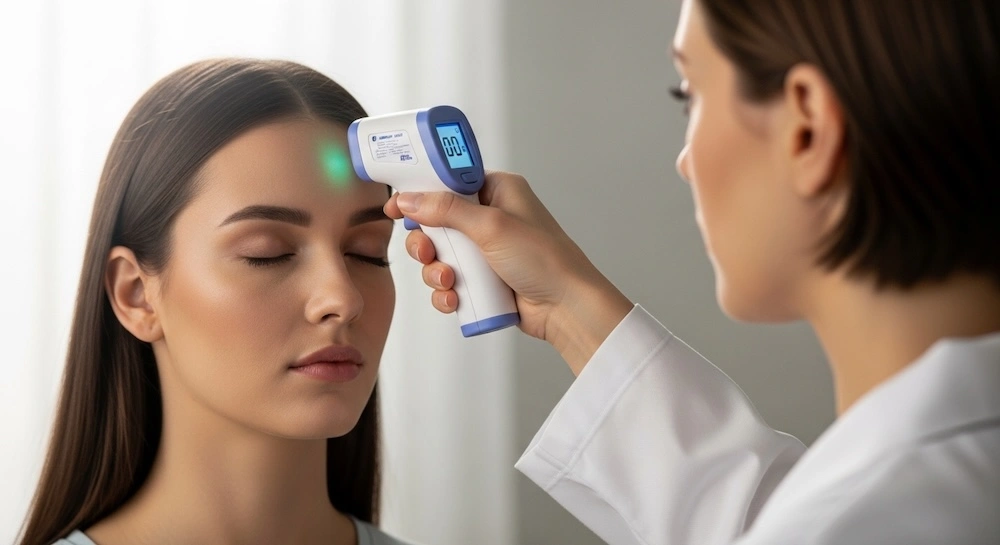
  • Never assume the patch has resolved the fever — monitor temperature regardless
  • Don't apply to very young infants without checking with a pediatrician first
  • Avoid using an expired patch — dried-out hydrogel provides little to no cooling effect
  • Don't skip the skin check — if redness, itching, or irritation develops after application, remove the patch and discontinue use

Final Thoughts

Kids cooling patches offer something genuinely useful: a drug-free, easy-to-use, and immediately comforting way to help children get through a fever with less distress. They won't replace medical care when it's needed, and they don't lower core body temperature the way medication does — but that's not their job. Their job is to make a feverish child feel more comfortable, calm, and settled, and they do that well. 

Whether used alone during a mild fever or alongside other care measures for something more significant, a quality fever cooling patch for kids is a low-risk, high-comfort addition to any home health kit. Keep them stocked, use them wisely, and always check in with a healthcare provider when fever behavior changes or symptoms start pointing toward something more serious.