Medical Alert Bracelets vs Necklaces — Which Should You Choose?
When you decide to wear a medical alert ID, you face one big design choice before any of the smaller details: wrist or neck. Both work. Both are universally recognised. Both carry the same information. But the right choice depends on your daily life, your condition, your personal style, and how the ID is most likely to be seen in an emergency. This guide walks through every factor so you can pick the one you'll actually wear every day.
According to HealthDirect Australia, the most important characteristic of any medical ID is that it's worn 24/7. The bracelet or necklace that gets removed at night, taken off for sport, or "kept for special occasions" can't do its job. Which form-factor maximises your daily compliance? That's the question to answer first.
How Paramedics Look for Medical IDs
Paramedic training across Australia, the UK, US, and most international standards is consistent: check both wrists first, then the neck, then ankles. The "30-second protocol" means within the first half-minute of arriving at an unconscious patient, the responder has scanned all four extremities for medical IDs. Both bracelets and necklaces fall within that scan. The differences come down to visibility, comfort, and lifestyle fit.
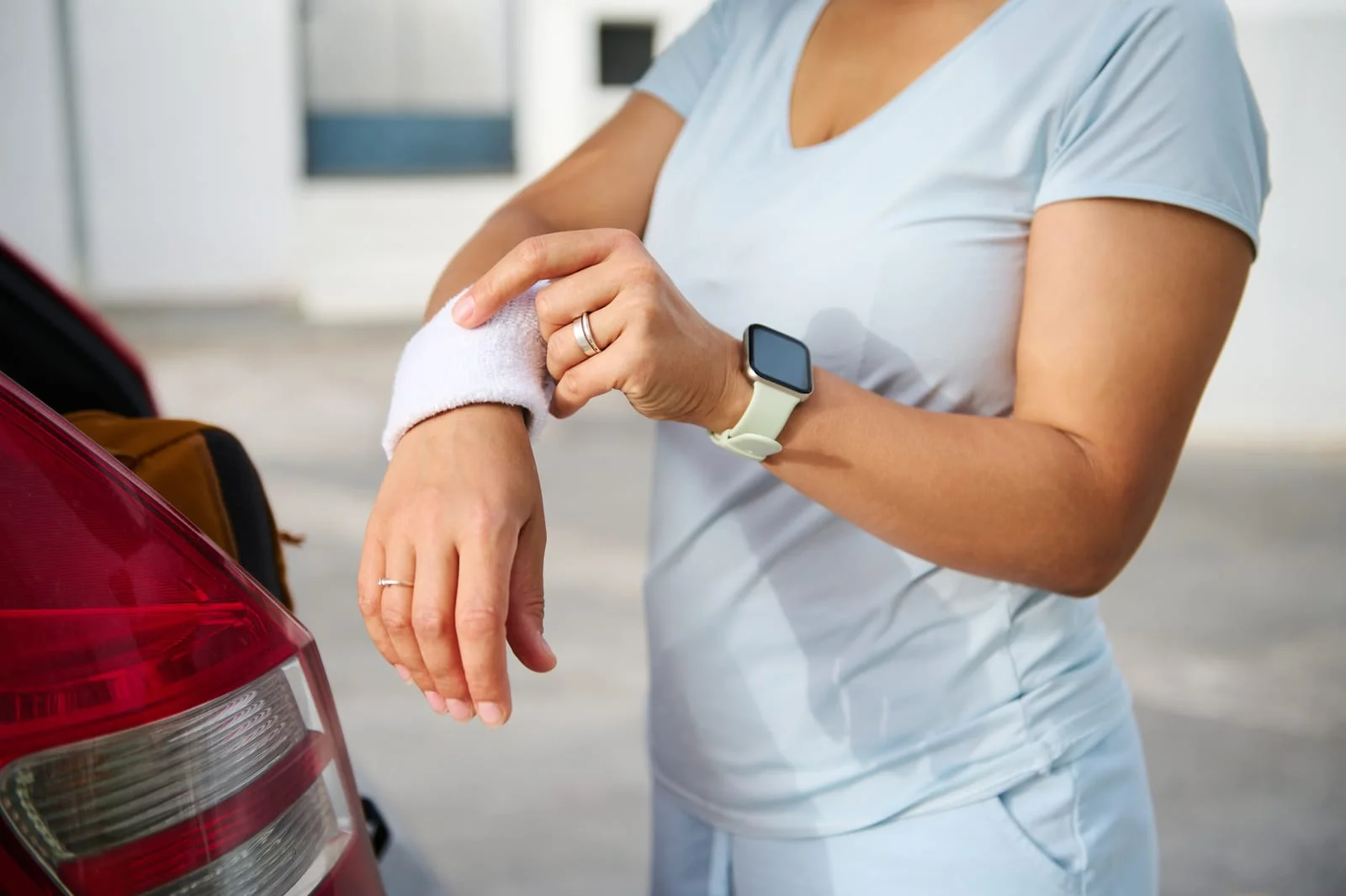
Wrist (Bracelet) Visibility
- Always exposed unless covered by long sleeves
- Easily moved aside if the responder needs to take a pulse
- Visible during normal activities (work, sport, social)
- Checked first by paramedics
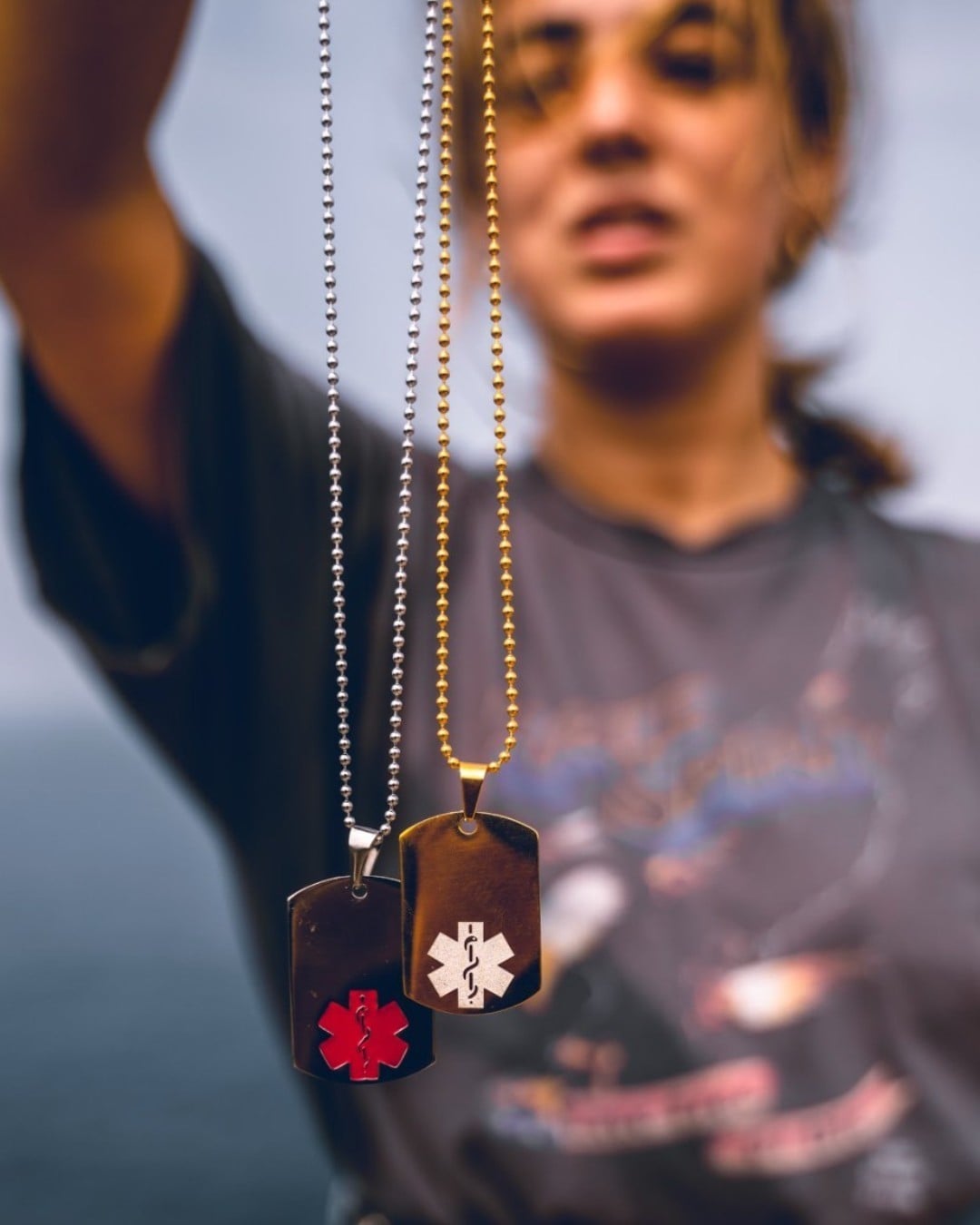
Neck (Necklace) Visibility
- Visible at the throat above clothing for most outfits
- Easier for the wearer to lift and read themselves
- Can be hidden under a shirt or tie
- Checked second in the standard protocol
Recommended for you
Products related to this article
Hand-picked to go with what you just read.
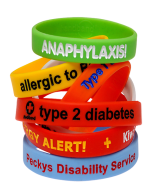
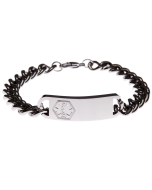
5 Factors That Determine the Best Choice for You
1. Lifestyle and Daily Activities
If you swim, do contact sport, work with your hands, or are physically active, a bracelet is generally safer — it stays put and doesn't risk neck injuries from being caught. If you wear collared shirts daily, hate things on your wrists, or have sensory issues, a necklace may suit you better.
2. Existing Jewellery and Style
If you already wear a watch on one wrist and bracelets on the other, adding a medical ID feels natural — it pairs with your existing style. If you mostly wear minimal jewellery, a thin chain with a small pendant is more in keeping with your aesthetic.
3. Comfort During Sleep
Daily 24/7 wear means both options need to be comfortable in bed. Soft silicone wristbands are excellent for sleep. Smaller stainless steel pendants are also fine. Heavy or chunky options may dig in and end up removed at night — defeating the purpose.
4. Self-Consciousness
For some wearers, a wrist band signals "medical patient" more obviously than a necklace tucked under a shirt. If hiding the ID matters to you, a pendant on a thin chain under collared workwear is the most discreet daily-wear option.
5. Multiple Conditions
For wearers with multiple conditions, neither bracelet nor necklace alone can carry all the detail. The solution is a small bracelet/pendant with the headline condition + a wallet card with the deeper detail. Both work equally well for this approach.
Pros and Cons Compared
Medical Alert Bracelet — Pros
- Most visible to paramedics (checked first)
- Hardest to lose — clasp + wrist size make slipping off unlikely
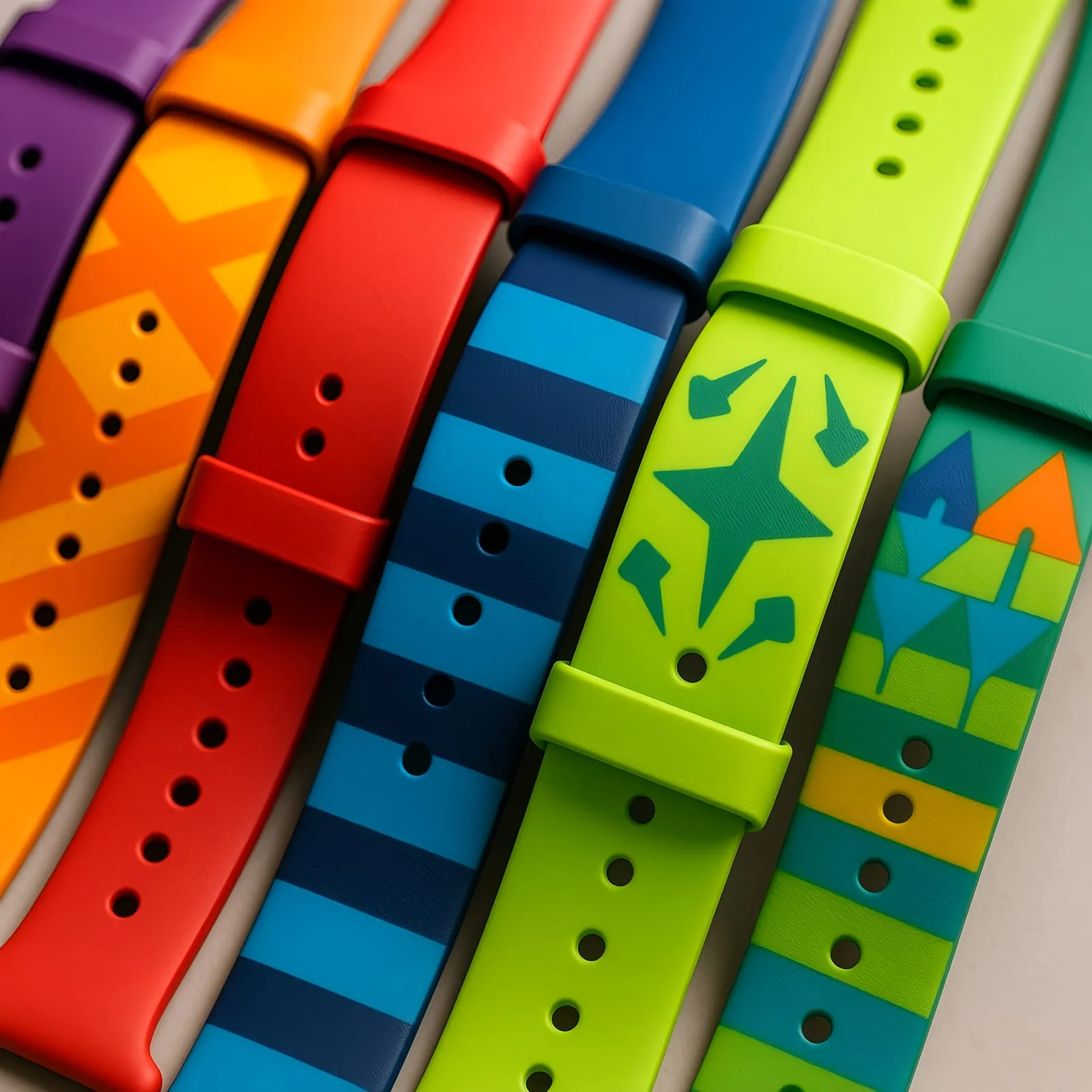
- Wide variety of materials, styles, and price points
- Comfortable for sport and active wearers
- Easy to engrave longer text on the band
Medical Alert Bracelet — Cons
- Can interfere with watch wear on the same wrist
- May feel uncomfortable for wearers with wrist sensitivity
- Can catch on equipment for some manual workers
- Visible during formal occasions if not the designer-reversible style
Medical Alert Necklace — Pros
- Discreet under shirts and ties
- No interference with watches or wristbands
- Easy for the wearer to lift and read themselves
- Naturally pairs with existing jewellery for many people
- Doesn't catch on machinery or sport equipment
Medical Alert Necklace — Cons
- Slightly slower for paramedics to find (checked second)
- Pendant text is smaller — shorter messages only
- Chains can break (better with quality silver or steel)
- Less common for contact sport (safety reasons)
- Can swing during exercise
What to Engrave on Either Form
Less is more. Whether bracelet or pendant, paramedics need to read it in five seconds. The five priority fields:
- Wearer's name — first and last.
- Primary medical condition — "Type 1 Diabetic", "Anaphylaxis – Peanut", "Epilepsy".
- Critical medication or allergy — "Warfarin", "EpiPen", "No Penicillin".
- Emergency contact phone — answered 24/7.
- "See wallet card" — points to deeper info if needed.
Pendants typically fit slightly less text than bracelets — be aware before engraving complex conditions.
When to Wear Both
Some wearers choose to wear both a bracelet AND a necklace. Reasons include:
- Multiple critical conditions that won't fit on one ID
- Backup redundancy if one breaks during sport or travel
- One discreet (necklace under shirt) for daily life, one prominent (bracelet) for sport or hospital visits
- Style preference — both are jewellery-grade
For wearers with anticoagulant therapy, severe allergies, and a pacemaker simultaneously, double-ID coverage is genuinely valuable.
How a Smartphone Can Complement (Not Replace) Your Bracelet or Necklace
Modern smartphones include health features (iPhone Health, Android Medical ID) that show emergency information on the lock screen. These are valuable BACKUPS, not replacements. Reasons:
- Phones are unreliable in emergencies — dead battery, smashed screen, locked, in another room
- Paramedics check wrists/neck first — phone is checked later if at all
- Lock-screen info varies by phone model — not all paramedics know to look
- Bracelet/necklace works internationally — phone may have local network issues abroad
Use the phone health features as a backup that carries deeper detail, but rely on your bracelet or necklace as the primary first-response identifier.
Choosing the Right Mediband for You
Browse the full Mediband range by material, style, and condition. For more on what to engrave and how the ID helps in emergencies, see our first responder guide and identification guide.
Frequently Asked Questions
Do paramedics find necklaces as quickly as bracelets?
Almost — paramedic protocols check both wrists first, then the neck. The difference is typically 10-15 seconds at most. For most emergencies, that's negligible. However, for very fast-moving emergencies (anaphylaxis where every second of treatment delay matters), the bracelet has a slight edge. For chronic-condition emergencies (diabetes, epilepsy), the difference rarely matters.
Can I wear my medical alert necklace during exercise?
For light to moderate exercise (walking, running, gym, yoga, cycling) — yes, no issues. For contact sport (rugby, AFL, martial arts) or rough activity — a necklace can swing into the face or get pulled. A wristband is safer for contact sport. Some wearers use a necklace daily and switch to a wristband for sport days.
Is a medical alert bracelet or necklace better for kids?
Bracelets are generally better for children. They're harder to lose, easier for teachers and supervisors to see, and don't pose a strangulation risk. Necklaces with very short chains are an alternative but children's neck-jewellery is generally discouraged. Soft silicone wristbands are the standard Australian choice for kids ages 3+.
Can I wear a medical alert pendant on the same chain as another piece of jewellery?
Yes — though the medical alert symbol should be clearly visible. If your chain holds a religious medal, a wedding band, and a Star-of-Life pendant, paramedics will spot the medical symbol. Just don't stack them in a way that the medical alert is hidden behind others. The Star of Life is internationally recognised, so make sure it's exposed.
What's the most popular Mediband option in Australia?
Soft silicone write-on bracelets are the most popular for everyday wearers — affordable, comfortable, easy to update. Stainless steel classic bracelets are the second-most popular for adults who want jewellery-grade quality. Designer reversibles rank third, particularly with teens and self-conscious wearers. Pendants are less common but valuable for specific lifestyles (corporate, formal-wear-heavy).

Written by
Founder, Mediband
Founder of Mediband; over 20 years providing medical IDs worldwide.
← Previous
Travelling With Epilepsy These Holidays: A Complete Australian Safety Guide (2026)
Next →
Why Every Person With Epilepsy Needs an Epilepsy Wristband (2026)
Comment(s)