Why Athletes Need a Medical Alert Bracelet
For runners, cyclists, hikers, swimmers, weight-lifters, and team athletes, the wrist is the busiest place in your body. It carries your watch, your tracker, your hydration cap and — for many people who train at intensity — a medical alert bracelet. The simple reason: training and competition push the body further than daily life. Heat, dehydration, exertion, hidden conditions, and unexpected falls all change risk profiles fast.
An emergency in the middle of a long run, a remote trail, an early-morning ride, or a contact sport can leave the athlete unable to speak. A clear medical ID on the wrist tells the next person — a fellow runner, a course marshal, an ambulance officer — exactly what they need to know in the first 30 seconds.
Sports Where a Medical ID Bracelet Is Especially Important
Some sports change the equation entirely. Athletes in these categories should treat a medical ID as standard kit:
- Endurance running, cycling, triathlon — long courses, remote sections, dehydration, electrolyte risk, hyponatremia.
- Trail running, hiking, climbing — out of mobile range; rescue teams need to know condition history fast.
- Open-water swimming and surf sports — cardiac events, immersion incidents, cold-water shock.
- Combat and contact sports — collisions, concussions, masked anticoagulant risk.
- Crossfit, weight lifting, gym training — cardiac events triggered by intense load on people with undiagnosed conditions.
- Adventure travel and multi-day events — far from home medical care, multiple race directors involved.
What About Recreational and Team Sports?
Even Sunday-league soccer, weekend basketball, or after-work yoga benefit from a quick ID — particularly for people on anticoagulants, with diabetes, asthma, or known allergies. Medical alerts have no minimum intensity threshold; they exist for the unlikely-but-life-changing moments.
Recommended for you
Products related to this article
Hand-picked to go with what you just read.
The Athlete-Specific Information to Engrave
Sports IDs deserve a slightly different priority list to standard medical alerts. Things that matter on a course or in a contact-sport setting:
- Athlete's first and last name
- Primary medical condition — diabetes, asthma, epilepsy, heart condition, anticoagulants
- Critical med or allergy — insulin, EpiPen, no aspirin, beta-blockers
- Emergency contact phone number — answered 24/7
- Race or club ID number (for events) — helps marshals match you to a profile in seconds
Some athletes also use a small QR code linking to a digital profile with full history, current meds, and "in case of emergency" contacts. This adds depth without crowding a small band.
Choosing the Right Sports Medical ID
Sports IDs need to survive everything daily wear puts a band through, plus more. Pick a band that works for your sport:
Stainless Steel
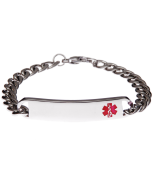
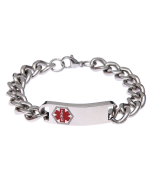
The endurance-athlete favourite — survives sweat, salt, mud, gym chalk, pool chlorine, and trail dust. Engraving stays sharp for years. Polished or brushed finish, classic or slim profile. Best for stable conditions where info doesn't change.
Silicone Write-On
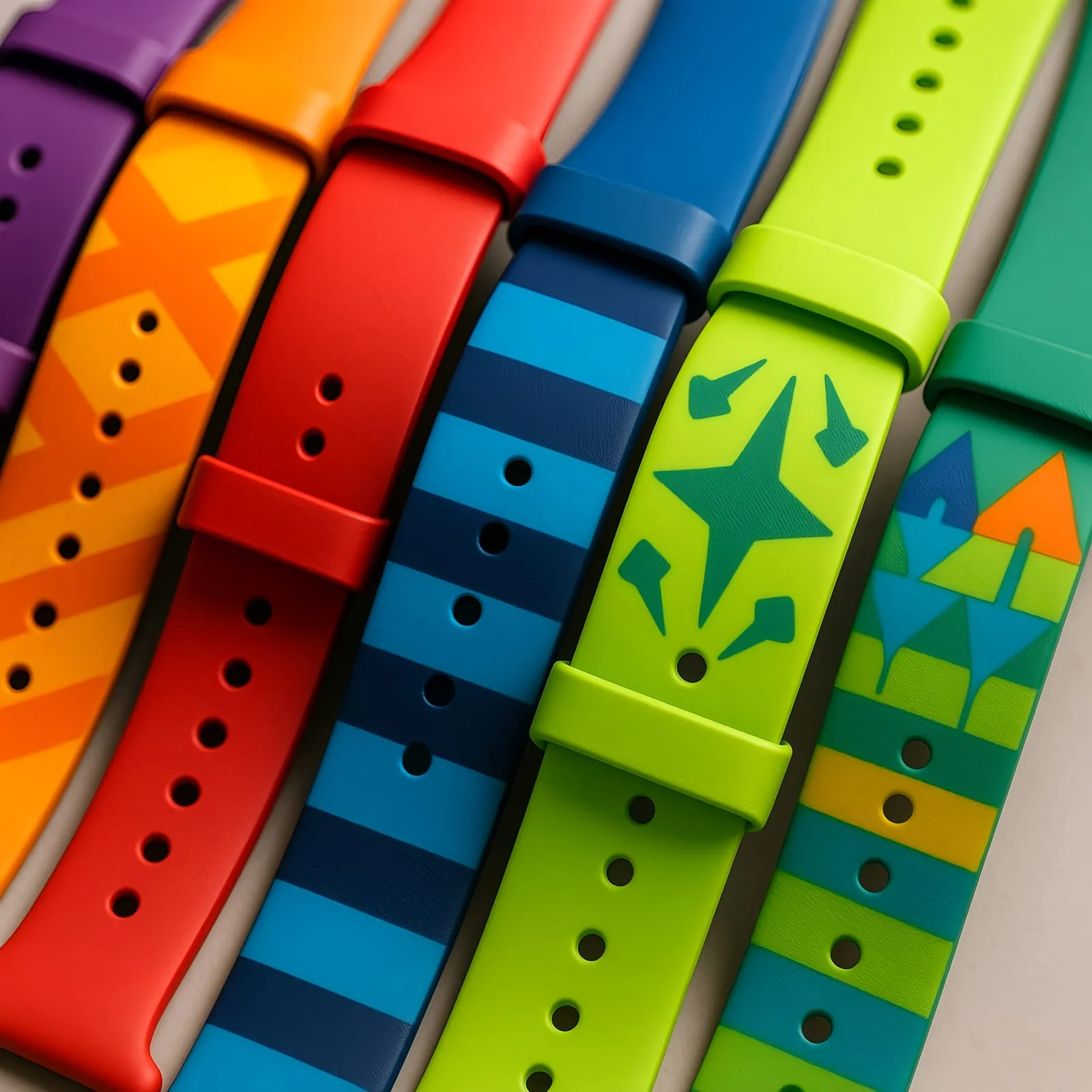
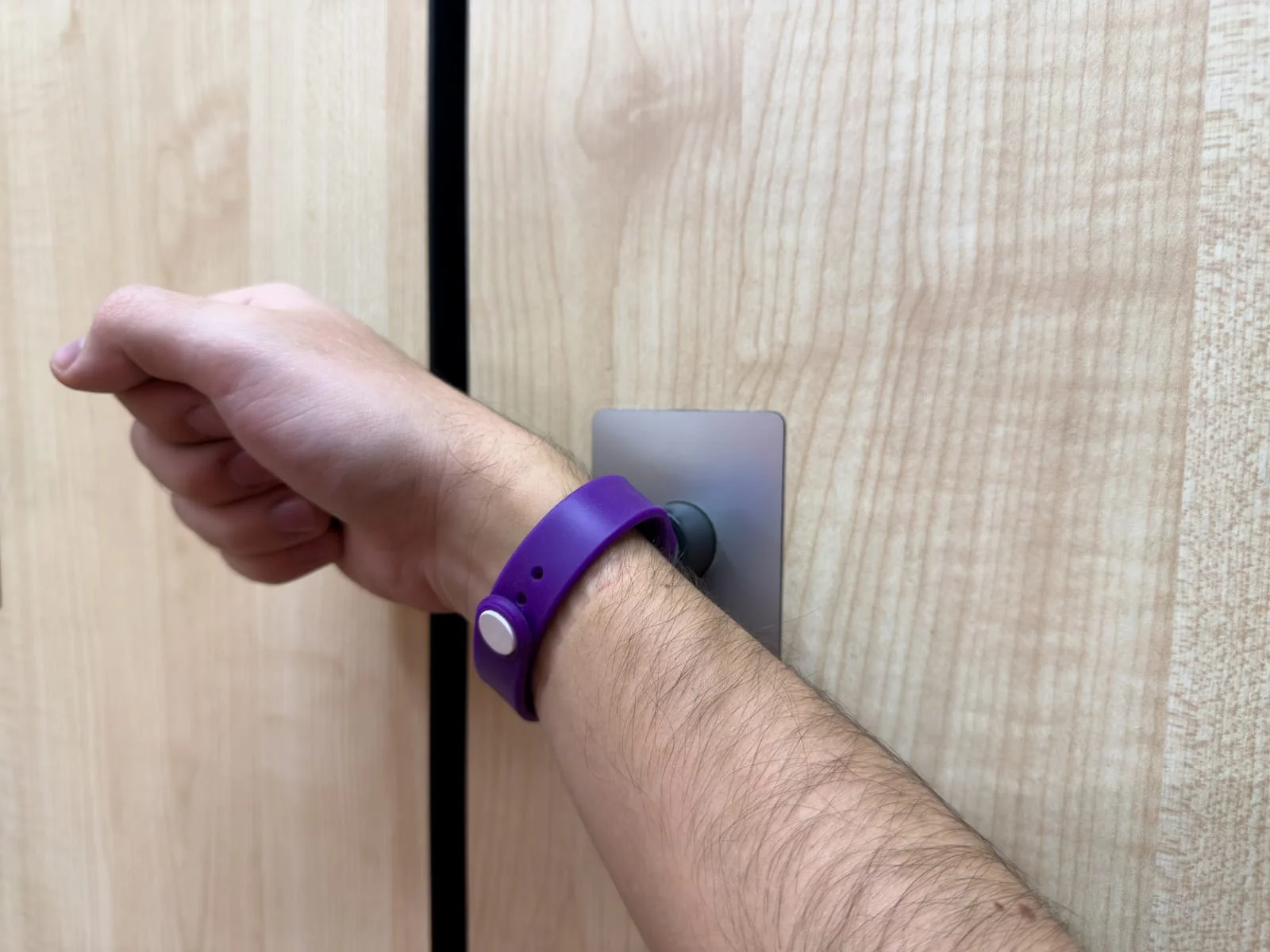
Lighter, softer, more flexible. Ideal for runners and triathletes who race many events per year. Easy to update with a new emergency contact or seasonal medication. Cheap to replace when worn through.
Designer Reversible
One side stylish, one side alert. Popular with everyday athletes who want a tasteful look outside training but a clear medical alert during competition. The flip-when-needed approach suits casual gym-goers as well as race-day specialists.
QR Code Bands and NFC Tags
Stores far more info than engraving — full medical history, current medications, scanned care plans, multiple emergency contacts. Useful for ultra-distance, multi-day events, and adventure athletes. Always pair a digital profile with engraved essentials a paramedic can read without a phone.
Specific Conditions That Require Sports Medical ID
Some conditions raise the bar from "good idea" to "essential" for any athlete:
Type 1 Diabetes
Hypoglycaemia during exertion is one of the most dangerous and easily-misread emergencies. A bystander seeing an athlete go down will often think dehydration or fatigue — when the real problem is low blood sugar. The ID changes the response in seconds.
Heart Conditions
Pacemakers, stents, implanted defibrillators, congenital arrhythmias. The wrong defibrillation energy can damage a pacemaker; an MRI may not be safe. Knowing in advance changes how paramedics respond.
Asthma and Exercise-Induced Asthma
Severe attacks during competition can become life-threatening fast. The ID flags it; the inhaler in the kit-bag closes the loop.
Anaphylaxis from Bee Stings or Food
Especially relevant for trail running, mountain biking, hiking, and outdoor team sports. The ID tells responders to use the EpiPen even if the athlete can't say so.
Anticoagulant Medication
Warfarin, Eliquis, Xarelto change every clinical decision in a contact sport injury. A head knock on someone on blood thinners is a different emergency to one on someone not.
Tips for Wearing a Sports Medical ID
To get the most out of an athletic medical ID:
- Match material to event — stainless steel for daily use, silicone for triathlon, designer for casual.
- Wear it together with your sports watch — same wrist, a clear pairing.
- Tell training partners and team-mates — they should know what to look for and what to say to a paramedic.
- Update for each major event — race-specific contact numbers, rare conditions, recent surgery.
- Check engraving twice a year — sweat, salt, and impacts can wear text faster than you'd expect.
According to HealthDirect's heart attack guidance, recognising cardiac symptoms early dramatically improves outcomes — and a clear medical alert is part of that early recognition. The same principle applies across diabetes, anticoagulants, anaphylaxis, and severe asthma.
Frequently Asked Questions
Will a medical alert bracelet interfere with my sports watch or tracker?
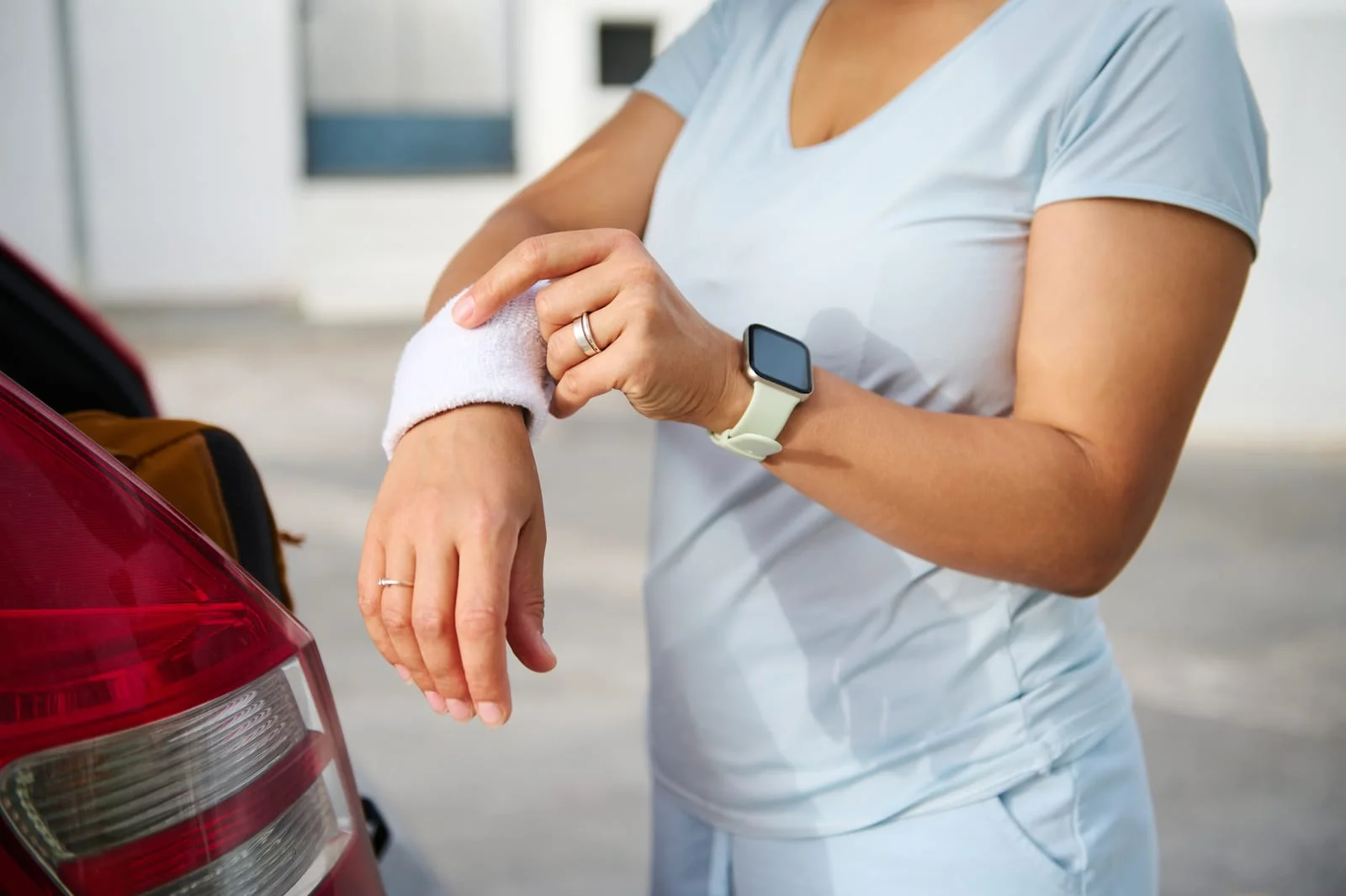
No — most athletes wear them on the same wrist or the opposite wrist with no interference. Slim profiles avoid catching, and silicone bands flex around watch straps. Some athletes prefer the band on the non-dominant wrist so it doesn't crowd the watch. Choose what's comfortable for your sport.
Can I swim with a medical alert bracelet?
Yes — pick a waterproof material. Stainless steel and silicone are both pool-safe, salt-water-safe, and shower-safe. Avoid leather, fabric, or open-link bracelets in water. Always rinse with fresh water after open-water sessions to extend the life of the engraving.
Do contact sports allow medical alert bracelets?
Most do. Silicone bands are widely accepted because they're flexible and not metal. Some leagues require any metal jewellery to be taped over for safety — silicone usually doesn't trigger this rule. Always check league regulations before competition and have a silicone backup if metal is restricted.
Should my medical alert bracelet be visible during a race?
Yes — the more visible the better. Course marshals, fellow racers, and rescue teams need to spot it instantly. Avoid wearing it under tight compression sleeves or arm warmers during cool-weather races. If you can't see it, neither can a paramedic.
What about a QR-coded medical bracelet for ultra-distance events?
Excellent choice for events with remote sections and multi-day races. The QR code links to a full medical profile that any phone can scan in seconds — far more detail than engraving allows. Pair it with engraved essentials (name, condition, contact) so paramedics without a phone still get the basics.

Written by
Founder, Mediband
Founder of Mediband; over 20 years providing medical IDs worldwide.
← Previous
Medical ID Bracelet for Kids: A Back-to-School Safety Essential
Next →
Elderly Medical Alert Bracelets: Making Safety Simple at Any Age
Comment(s)