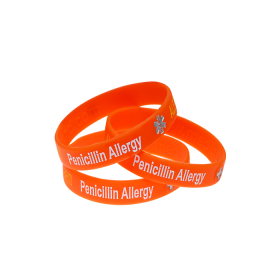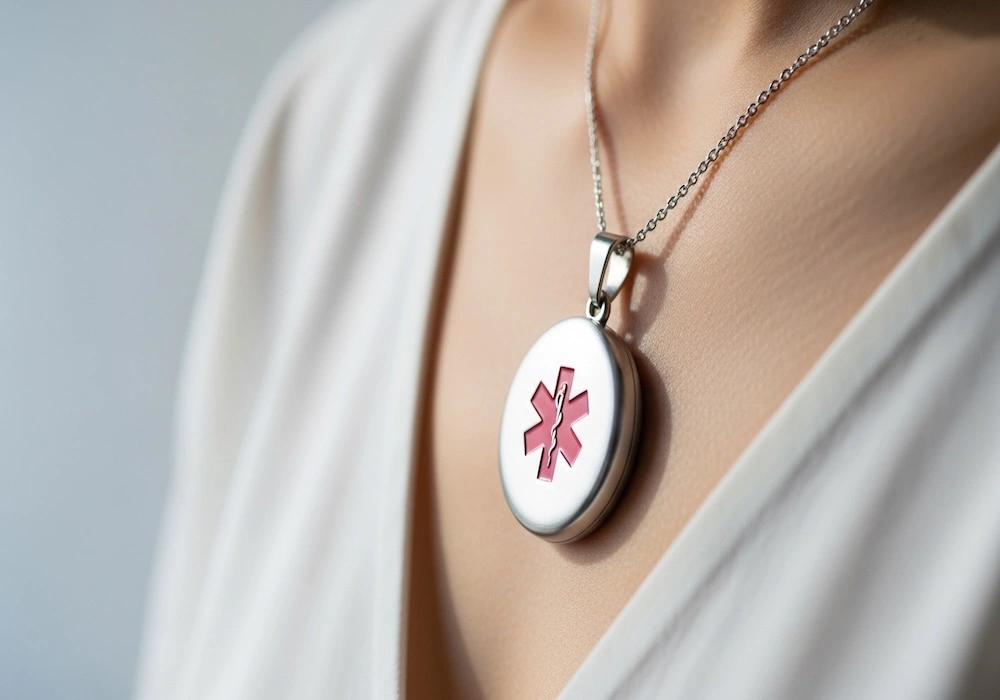

A well-stocked travel first aid kit is the difference between a holiday hiccup and a holiday disaster. Whether you’re road-tripping the coast, flying overseas with kids, camping inland or cruising the islands, a properly prepared travel medicine kit covers the small injuries, allergic reactions and chronic-condition emergencies that don’t care that you’re on holidays. This 2025 checklist walks through every element of holiday medical preparation — from medications and bandages to family travel first aid essentials and the medical alert bracelet travel rules that protect every member of the family.
Mediband has supplied Australian families with first-aid kits, medical alert bracelets and condition-specific travel medical IDs for over fifteen years. The recommendations here come from real travellers — what they pack, what they wish they had packed, and the items that earned a permanent place in the next trip’s family holiday medical alert bag.
The Core Holiday Medical Kit — What Every Family Needs
Every travel first aid kit needs a baseline of items that handle the most common holiday injuries and ailments. Start here, then add condition-specific extras based on your family’s needs:
- Adhesive bandages, gauze pads and crepe bandages. Cuts, scrapes and sprains are the most common holiday medical events — especially on beach trips, hikes and family activity holidays.
- Antiseptic wipes and antibacterial cream. Cleaning a wound is more critical than covering it. Travel-size sachets work better than full tubes.
- Paracetamol, ibuprofen and antihistamines. Pain relief, fever reduction and allergy response — kid and adult dosages of each, with the original packaging for customs.
- Sun safety: SPF50+ sunscreen, after-sun, oral rehydration. Even mild sunburn ruins a holiday day. Heat exhaustion can hospitalise children and elderly travellers fast.
- Tweezers, scissors and a thermometer. Splinter removal, bandage trimming and fever monitoring — small tools that earn their place every trip.
- Medical ID information for every family member. Allergies, chronic conditions, regular medications and emergency contacts — written down AND worn on a wrist where paramedics can see it.
Condition-Specific Travel Medical Preparation
If anyone in the family lives with a chronic condition, the standard travel first aid kit needs additions. Tailor your travel medicine kit to the conditions your family carries:
Severe allergies and anaphylaxis
Two EpiPens minimum (one for the family kit, one for the affected person’s pocket), oral antihistamines, a written ASCIA Action Plan, and a medical alert bracelet identifying the allergen. Always carry safe snacks for long travel days where allergen-free food is hard to find.
Asthma and respiratory conditions
Two reliever inhalers (separate carriers in case one is lost), spacer, peak flow meter for older children, written asthma action plan and an asthma medical ID. Dry, dusty and high-altitude destinations need extra attention.
Diabetes (Type 1 and Type 2)
Insulin (with cool storage), glucagon, test strips, lancets, pump/CGM supplies, fast-acting glucose (jellybeans or gel), a doctor’s letter and a diabetes medical ID. Pack double the supplies in case checked luggage is delayed.
Heart conditions and blood thinners
Aspirin or prescribed blood-thinner medication, condition-specific medical alert bracelet identifying anticoagulant use, and a cardiologist’s contact card. Travel insurance specific to cardiac conditions matters more than ever for international trips.
Recommended for you
Products related to this article
Hand-picked to go with what you just read.
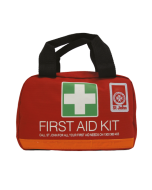

Pre-Departure Documentation
The right paperwork prevents a medical emergency from becoming an administrative one. Before any holiday trip, every family should pull these together:
- Doctor’s letter listing all conditions and medications. Required by some countries for prescription customs clearance and invaluable if you need urgent medical care abroad.
- Up-to-date prescription forms. Pack enough medication for the trip plus 1–2 weeks extra in case of delays. Bring repeat prescription scripts for backup.
- Travel insurance documentation. Print the policy summary and emergency contact card. Verify that pre-existing conditions are declared and covered — most policies exclude undisclosed conditions.
- Action plans for chronic conditions. Anaphylaxis ASCIA plan, asthma action plan, diabetes management plan — accessible in the carry-on and shared with travelling companions.
- Local emergency numbers for your destination. 911 (USA), 999 (UK), 112 (Europe), 119 (Japan). Save them in every family member’s phone before you fly.
Why a Medical Alert Bracelet Belongs in Every Travel Kit
A holiday first-aid kit covers the minor injuries you can treat yourself. A medical alert bracelet travel ID covers the moment when you can’t. If a family member is unconscious, unable to communicate, or alone when something goes wrong, the bracelet on the wrist tells first responders what they’re dealing with.
Faster, safer emergency treatment
Paramedics worldwide are trained to check the wrist first. A clearly marked medical alert ID — listing the condition, allergens to avoid, blood thinners, and emergency contact — eliminates the guesswork that costs critical minutes in an emergency. This matters double on holiday when family aren’t nearby and the local language may be different.
Critical for kids travelling with school groups or alone
Children on school camps, sports tours or solo flights need to be findable and identifiable if something goes wrong. A family holiday medical alert wristband stays on through pools, beaches and bedtime — and tells anyone who finds them what they need to know.
Translated medical IDs for international travel
In a country where English is rare — Japan, Thailand, China, Italy, Spain — a translated travel medical ID communicates the condition instantly. Mediband produces multilingual medical alert bracelets for most major travel destinations.
Special Cases — Road Trips, Camping and Cruises
Some holiday types need a customised approach beyond the standard travel medicine kit:
Road trip first aid kit. Add a high-vis vest, torch, emergency blankets and water. Country roads mean longer ambulance response times — your kit may be the only support for 30+ minutes.
Camping and bushwalking. Snake bandage, insect repellent, splint material and a satellite SOS device. Australian outback travel especially benefits from a personal locator beacon (PLB) registered with AMSA.
Cruise holidays. Ships carry medical facilities but at premium pricing — bring enough supplies for the full trip. Motion sickness medication is a near-universal need; pack more than you think you’ll need.
Theme parks and family activity holidays. Heat exhaustion, blisters, motion sickness, kid injuries from rides. Pack sunscreen, oral rehydration, motion sickness wristbands and pre-made blister plasters.
Frequently Asked Questions
What should be in a holiday travel first aid kit for a family?
A core family holiday first aid kit covers: adhesive bandages, gauze, crepe bandages, antiseptic wipes, antibacterial cream, paracetamol (adult + kid), ibuprofen, antihistamines, oral rehydration, thermometer, tweezers, scissors and SPF50+ sunscreen. Add condition-specific medications, action plans and medical alert bracelets for anyone with a chronic condition.
Do I need a doctor's letter when travelling with medications?
Yes, especially for international travel. A doctor's letter listing your conditions, medications and dosages helps customs accept prescription medication, supports emergency care if you need it overseas, and explains medical devices like insulin pumps or CGMs to airport security. Pack it in your carry-on along with the medications themselves.
Should everyone in the family wear a medical alert bracelet on holiday?
Anyone with a chronic condition, severe allergy, blood-thinner medication, or regular prescription should wear a medical alert bracelet — at home and on holiday. Children travelling on school camps, sports tours or solo flights especially benefit from a clearly marked medical ID that paramedics can read in seconds if something goes wrong.
How do I pack medications for air travel?
Keep all medications in their original packaging, in your carry-on (not checked luggage), with a doctor's letter for prescription items. Pack enough for the full trip plus 1-2 weeks extra in case of delays. Liquid medications and insulin are exempt from the 100ml carry-on rule when accompanied by a prescription — store them separately for security inspection.
What's the most overlooked item in a travel medicine kit?
Oral rehydration sachets. Heat, food and water changes, and minor stomach bugs hit travellers more often than serious injuries — and dehydration in kids and elderly travellers escalates fast. A few sachets cost almost nothing and turn a miserable holiday day into a recovery day.

Written by
Founder, Mediband
Founder of Mediband; over 20 years providing medical IDs worldwide.
← Previous
Flying with Diabetes: 2025 Australian Travel Checklist & Medical ID Guide
Next →
Superfoods for Chronic Health Conditions: Top 7 Foods That Support Daily Wellness
Comment(s)