
By Michael Randall · Founder, Mediband
Medically reviewed · Updated May 2026 · 12 min read
Medically reviewed · Updated May 2026 · 12 min read
Why Mental Health Awareness Matters
Updated May 2026. One in five Australians lives with depression or anxiety in any given year. One in eight men, three in eight women. And yet around 60% of people experiencing mental illness never seek professional help — held back by stigma, cost, or simply not knowing where to start. Suicide remains the leading cause of death for Australians aged 15-44.
The Black Dog Institute has been changing that since 1996. Mediband is proud to sponsor the Black Dog Bike Ride: a 1,200 km cross-country charity ride that raises funds, raises awareness, and proves that movement — even gentle, consistent movement — is one of the most evidence-backed treatments for mood disorders.
The Stats: Mental Health in Australia
Australian Bureau of Statistics and Beyond Blue 2024 data:
- 4.8 million Australians experience a mental health condition each year
- $10.6 billion direct annual cost to the Australian healthcare system
- 8.6 deaths per 100,000 by suicide — men 3.1x higher than women
- Only 38% of people experiencing mental illness seek professional help
- Exercise reduces depression symptoms by 43% on average (BMJ 2024 meta-analysis)
Recommended for you
Products related to this article
Hand-picked to go with what you just read.
Why Cycling Helps Mental Health
You don’t need to ride 1,200 km to get the benefit. A 2024 meta-analysis in the BMJ reviewed 218 trials covering 14,000 participants and found:
- Moderate cardio (cycling, brisk walking, swimming) reduced depression scores by 43% on average.
- The dose-response was clear — three sessions of 30 min per week showed effect within 8 weeks.
- Outdoor cycling beat indoor cycling, likely because of sunlight exposure, fresh air and reduced rumination.
- Effects were comparable to first-line SSRI antidepressants for mild-to-moderate depression.
How the Bike Ride Works
Riders pledge funds per kilometre. Mediband matches a portion of every rider’s total. 100% of donations go directly to Black Dog Institute clinical research, suicide prevention programs and free digital mental health tools.
The ride passes through major regional towns where mental health services are stretched thinnest — raising both money and the visibility of mental health support in places that need it most.
About Black Dog Institute
Founded in 1996 by Professor Gordon Parker, Black Dog Institute is Australia’s leading non-profit dedicated to understanding, preventing and treating mental illness. Their research has shaped the national approach to depression, anxiety, bipolar disorder, suicide prevention and digital mental health tools — used by over 12 million people worldwide.
Key programs include:
- MyCompass — free online self-help tool, 8 evidence-based modules
- HeadGear — 30-day mental fitness app for workplace wellbeing
- BiteBack — positive psychology platform for young Australians
- Reachout — suicide prevention research and crisis support
How to Support (Even If You Don’t Ride)
Three ways to help, in order of effort:
- Donate. Direct to Black Dog Institute — tax deductible, every dollar to research.
- Share the message. Talking openly about mental health is the most effective way to reduce stigma. The Black Dog Institute’s free R U OK? resources are designed for ordinary conversations.
- Look after your own basics. Movement, sleep, sunlight, connection. Australia’s mental health crisis won’t shift until each of us starts there.
Why Cyclists Should Wear a Medical ID
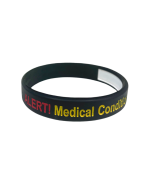
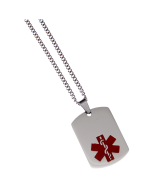
Whether you’re training for the Black Dog ride or just commuting to work, every cyclist should wear a medical alert bracelet. Reasons:
- If you’re hit and unconscious, paramedics need to know your condition, allergies and emergency contact — immediately, not after a phone search.
- Your phone needs a passcode. A medical bracelet doesn’t.
- For cyclists with epilepsy, diabetes or heart conditions, the bracelet is the single most important piece of safety gear after the helmet.
- Lone riders on regional roads are particularly vulnerable — response times average 18-24 minutes outside metro areas.
The Cyclist’s Daily Mental Health Routine
Five habits the longitudinal mental-health data keeps pointing back to for cyclists and active Australians:
- 30 minutes outdoor riding — in any weather, even commuting. Outdoor light + cardio is the highest-impact combination.
- Group riding once a week — social connection reduces depression risk 26% (BMJ 2024).
- Sleep schedule — 7-9 hours, consistent timing. Most predictive of mood stability.
- No-screen wind-down — 60 minutes before bed, especially after evening rides.
- R U OK? conversations — with at least one cycling mate per week.
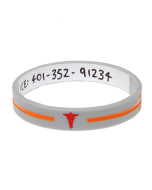
What to Engrave on Your Cyclist Bracelet
Keep it minimal and high-impact:
- Full name
- Top medical condition (e.g. “Type 1 Diabetic”, “Epilepsy”, “On Warfarin”)
- Critical allergy (e.g. “Penicillin Allergy”)
- One emergency contact — mobile + relationship
- (Optional) Blood type if known
For cyclists with no medical conditions, a simple ICE bracelet with name + emergency contact is enough — it’s the speed of identification that matters in trauma.
Recognising When You Need Help
Black Dog Institute’s short self-screen flags warning signs that warrant a GP conversation:
- Persistent low mood lasting more than 2 weeks
- Loss of interest in activities that used to bring joy (anhedonia)
- Sleep changes — either insomnia or hypersomnia
- Appetite changes — either loss or gain
- Fatigue not relieved by rest
- Difficulty concentrating
- Hopelessness or worthlessness
- Thoughts of self-harm
If you tick three or more, book a GP appointment this week. A Mental Health Treatment Plan gives you Medicare-rebated psychology sessions.
Mental Health Resources for Australians
Free, confidential, 24/7 Australian mental health support:
- Lifeline — 13 11 14 (24/7)
- Beyond Blue — 1300 22 46 36
- Suicide Call Back Service — 1300 659 467
- Kids Helpline — 1800 55 1800 (5-25 year olds)
- MensLine Australia — 1300 78 99 78
- 13YARN — 13 92 76 (Aboriginal and Torres Strait Islander)
- In immediate danger: 000
How to Find Help
If you or someone you know is struggling: call one of the lines above, see your GP, or use the free Black Dog Institute online tools at blackdoginstitute.org.au. These are evidence-based, confidential and proven to help across thousands of users.
The Mediband Promise
Mediband has supported Australian charities and mental health programs since 2008. Every bracelet sold contributes to making mental health visibility part of everyday Australian life — on bike rides, at offices, in schools and at home.
References & Further Reading
- Singh et al. (2024). Effectiveness of physical activity interventions for improving depression. BMJ.
- Australian Bureau of Statistics (2024). National Study of Mental Health and Wellbeing.
- Beyond Blue (2024). Mental Health in Australia: Statistical Reference Guide.
- Black Dog Institute — Annual Research Report 2025.
- Cycling Australia — Road Safety and Health Statistics Report.
Frequently Asked Questions
What is the Black Dog Bike Ride?
An annual long-distance charity bike ride raising funds for the Black Dog Institute. Riders pledge per kilometre; corporate sponsors (including Mediband) match donations. 100% of proceeds go to mental health research, suicide prevention and free digital tools.
How does exercise help depression and anxiety?
A 2024 BMJ meta-analysis of 218 trials and 14,000 participants found moderate cardio (like cycling) reduced depression scores by 43% — comparable to first-line SSRI antidepressants for mild-to-moderate depression. Effect seen at three 30-minute sessions per week.
Should every cyclist wear a medical ID bracelet?
Yes — especially anyone with a chronic condition, allergy, or who rides solo on regional roads. If you're hit and unconscious, paramedics need your condition, allergies and emergency contact instantly. Phones need passcodes; a medical bracelet doesn't.
How can I support the Black Dog Institute if I don't ride?
Three options: (1) Donate directly — tax deductible at blackdoginstitute.org.au; (2) Share their free R U OK? resources with friends and family; (3) Look after your own mental health basics. Sustained behaviour change is the most powerful gift.
Where can I get help if I'm struggling with my mental health?
Lifeline 13 11 14 (24/7), Beyond Blue 1300 22 46 36, MensLine 1300 78 99 78, or call 000 in immediate danger. The Black Dog Institute's online tools at blackdoginstitute.org.au are free, evidence-based and confidential.
What are the warning signs I should see a GP?
Persistent low mood lasting more than 2 weeks, loss of interest in activities, sleep or appetite changes, fatigue, difficulty concentrating, hopelessness, or thoughts of self-harm. Tick three or more on Black Dog's self-screen and book a GP this week for a Mental Health Treatment Plan.
Is outdoor cycling really better than indoor cycling for mental health?
Yes — the BMJ 2024 meta-analysis found outdoor exercise reduced depression by an additional 9% vs indoor exercise. The combination of sunlight (boosting serotonin), fresh air, and reduced screen exposure during the ride explains most of the difference.

Written by
Founder, Mediband
Founder of Mediband; over 20 years providing medical IDs worldwide.



Happy to help. Please let us know how we can help you.
The Mediband team!