Make a Medical Alert Bracelet Part of Your New Year Routine
Every January, Australians make health resolutions: eat better, move more, drink less, sleep more. The hardest part is making the resolution stick beyond February. The easiest resolution to keep is one that requires no daily effort — like wearing a medical alert bracelet. You put it on once, and it works for you every day, every emergency, every doctor's visit, for the rest of the year. No willpower required.
For anyone with a chronic condition, severe allergy, or critical medication, a medical alert bracelet is one of the simplest, highest-impact health decisions a new year can bring. According to HealthDirect Australia, accurate identification at the moment of emergency response is one of the most important factors in survival. Yet most Australians with a chronic condition don't wear visible medical identification — they intend to, but never do. A new year is the cleanest moment to change that.

Why a Medical Alert Bracelet Beats Every Other Health Resolution
1. It Works Passively
Unlike "exercise more" or "eat less sugar", wearing a bracelet requires no daily decision. You put it on, you go about your day, and the safety net is in place 24/7. Modern silicone and stainless steel bracelets are comfortable enough to forget about within a week.
2. It Pays Back Many Times Over
The bracelet costs less than a single visit to a private hospital. Compared to even one avoided medication error in a 10-year wearing life, it pays back dozens of times. Most wearers describe it as the best-value medical purchase they ever make.
3. It Doesn't Require Willpower
Most resolutions fail because daily effort is required. The bracelet asks for one decision in January — pick a style, place an order, put it on — and zero decisions for the rest of the year. The behavioural science is decisive: low-effort habits stick.
4. It Has Compound Benefits
The bracelet doesn't just help in one emergency — it helps in every emergency, every doctor's visit, every hospital admission, every overseas trip, every sport injury, every accidental medication mix-up. Each scenario where it speaks for you adds value over the year.
5. It Inspires the Whole Household
When one family member starts wearing one, others often follow. Parents and children, partners, older relatives — once one person normalises the bracelet, the whole household builds the safety habit together.
Recommended for you
Products related to this article
Hand-picked to go with what you just read.
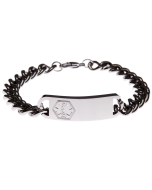
5 New Year Health Habits That Pair Perfectly with a Medical Alert Bracelet
1. Update Your Emergency Contacts
Most Australians' emergency contacts are out of date — phone numbers from 5 years ago, partners no longer together, parents who've moved house. The new year is the moment to call each contact and confirm they're still reachable. Engrave the new number on your bracelet at the same time.
2. Have a Medication Review
Book a GP appointment in January to review your medications. Any new medications need to appear on the bracelet (or the matching wallet card). Anti-coagulants, immunosuppressants, biologics, and severe allergies all change what emergency responders need to know.
3. Refresh Your Home First Aid Kit
The bracelet works hand-in-hand with a well-stocked home first aid kit. Check expiry dates on every item. Replace anything within three months of expiry. The bracelet covers the wearer's identification; the kit covers immediate treatment.
4. Take a First Aid Course
The Australian Red Cross and St John Ambulance offer affordable half-day courses. Refresh your skills every 2-3 years. Recognising stroke (FAST), using an EpiPen, managing a burn, performing CPR — all skills the bracelet on someone else's wrist may depend on you knowing.
5. Update Your Family Medical Sheet
A laminated card on the fridge with every family member's allergies, medications, and emergency contacts. Babysitters, house guests, and visiting grandparents can read it instantly when something goes wrong. Pair with everyone's bracelet for redundancy.
How to Choose the Right Bracelet for Your New Year
For Your Daily Routine
- Office wear → stainless steel classic or rose gold (dressy, lasts a decade)
- Active life → silicone (sport-safe, water-safe, replaceable)
- Self-conscious wearers → designer reversible (fashion side daily, alert side when needed)
- Premium occasions → sterling silver or leather
- Complex profile → QR-coded (links to full digital profile)
For Your Condition
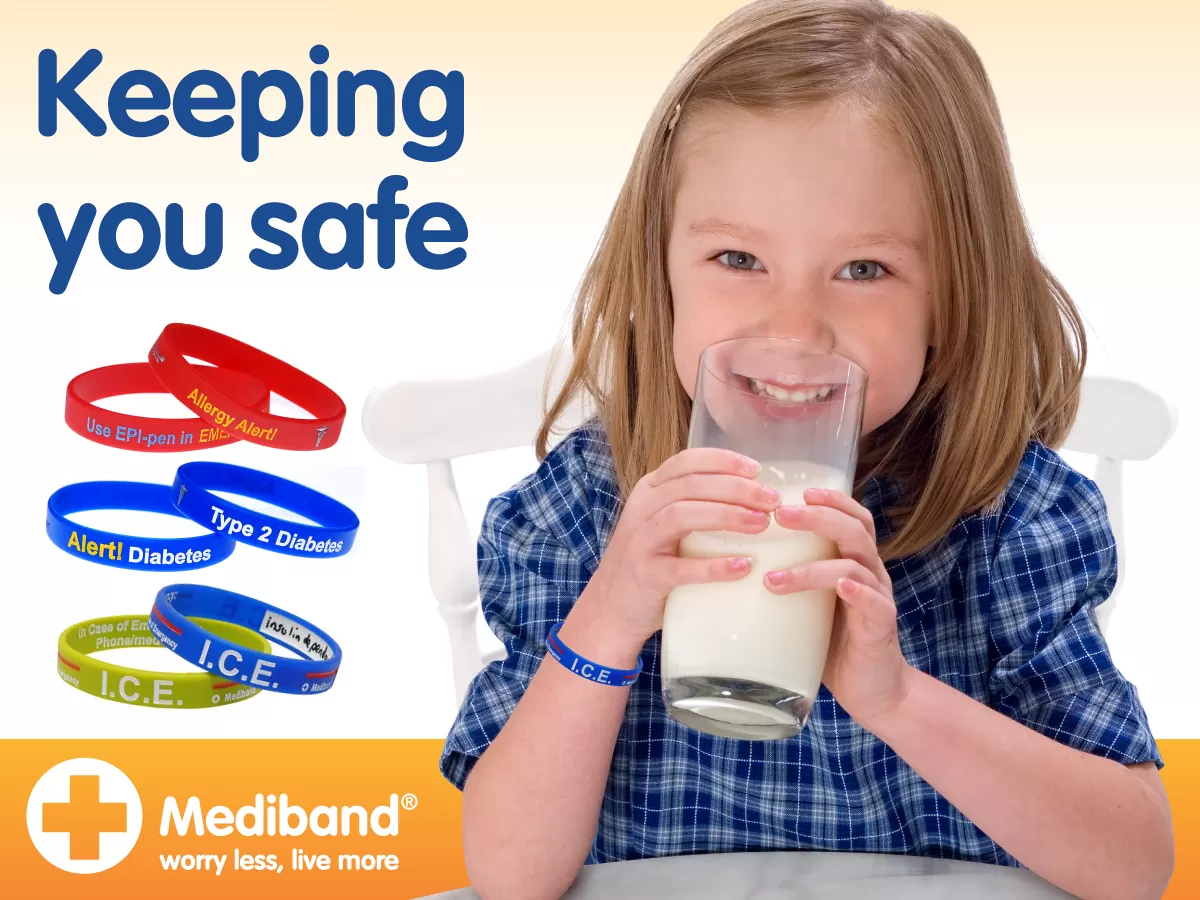
- Diabetes → blue alert band with "Type 1/2 Diabetic" + medication
- Allergy → red alert band with specific allergen ("Anaphylaxis – Peanut")
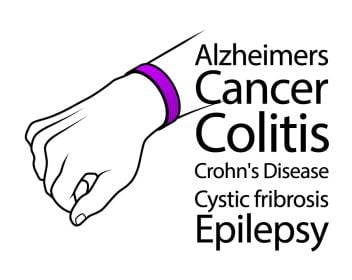
- Epilepsy → purple alert band with "Epilepsy" + medication
- Anticoagulants → general alert band with "Warfarin" or specific drug
- Multiple conditions → bracelet + wallet card combo for deeper detail
What to Engrave on Your New Bracelet
Less is more. Paramedics need to read the band in five seconds, not five minutes. The five priority fields:
- Wearer's name — first and last.
- Primary condition — short and specific.
- Critical medication or allergy — what NOT to give or what's life-saving.
- Emergency contact phone — answered 24/7.
- "See wallet card" — if you carry a fuller medical history elsewhere.
Your Mediband New Year Checklist
- Pick your style — browse the full Mediband range.
- Order before mid-January — engraved bands take 1-2 weeks to deliver.
- Put it on the day it arrives — don't save it for "when you go out".
- Wear it for a week without taking it off — silicone and stainless steel are both safe for shower, sleep, and exercise.
- Tell your family and GP — show them the engraving and where you wear it.
- Diary a 6-month review — check engraving, replace silicone bands, update contacts if needed.
For deeper detail on what to engrave, see our first responder guide and FAQ guide.
Frequently Asked Questions
What's the best new year resolution for someone with a chronic condition?
Wear a medical alert bracelet every day for the next 12 months. Unlike resolutions that require ongoing willpower (exercise, diet, sleep), the bracelet works passively — you put it on once, and the safety net is in place 24/7. For people with diabetes, epilepsy, severe allergies, anticoagulant therapy, and many other conditions, it's the highest-value health resolution available.
I bought a bracelet years ago and stopped wearing it. How do I start again?
Three steps: check the engraving is still current (medications, contacts, conditions); pick a style you'll actually wear (often the issue was discomfort or aesthetics with the old band); commit to a 7-day wear streak. Most lapsed wearers return to daily wear within two weeks once they find a band that suits their lifestyle.
Should the whole family start wearing bracelets at new year?
If multiple family members have chronic conditions, severe allergies, or critical medications, yes. Family-wide adoption normalises the bracelet for everyone (especially kids who might resist on their own) and provides redundancy: when one person is unconscious, another may not be home. Family multi-pack deals reduce the cost.
Can I update my bracelet info as my health changes through the year?
Yes — and you should, every six months and after any major change. Write-on silicone bands are easiest to update; engraved metal can be re-engraved or replaced inexpensively. QR-linked versions update instantly via your online profile. Out-of-date engraving is more dangerous than no bracelet, so don't let updates slip.
What if I forget to put it on in the morning?
Build a one-action habit: put the bracelet on with your watch every morning, or hang it on the bathroom mirror so you see it before leaving the bathroom. Most wearers settle into a 7-day routine within the first week. If you find yourself forgetting for more than a few days, switch to a wider band you can sleep in — then it stays on permanently.

Written by
Founder, Mediband
Founder of Mediband; over 20 years providing medical IDs worldwide.
← Previous
Blood Thinners and Emergencies — Why a Medical Alert Bracelet Is Vital (2026)
Next →
Mediband Safety in a Medical Emergency: How It Keeps You Safe (2026 Guide)
Comment(s)