Travelling With Epilepsy: A Complete Australian Safety Guide
For most Australians, planning a holiday means choosing a destination, booking flights, and packing a bag. For someone with epilepsy, the planning has an extra layer: how to stay seizure-safe in a place where you don't speak the language, don't know the local emergency number, and don't have your usual support network around. Done well, travel with epilepsy is completely possible and richly rewarding. Done without preparation, a seizure overseas can become a serious medical and logistical crisis. This guide walks through every aspect — from medication and bracelets to seizure-safe destinations and what to do if a seizure happens away from home.
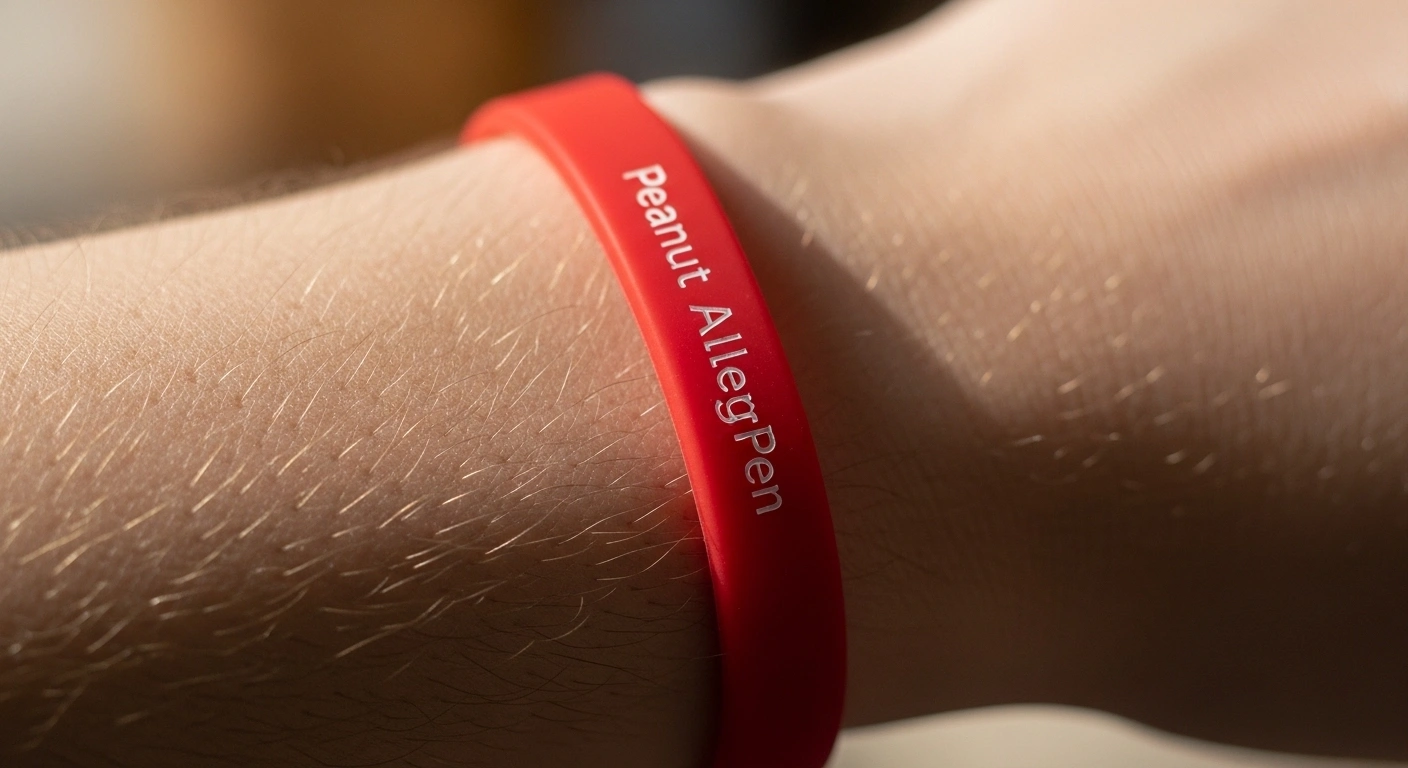
According to HealthDirect Australia, approximately 250,000 Australians live with epilepsy. Many travel regularly. The key to safe travel is preparation: medication, identification, insurance, and knowing the local emergency response. A medical alert bracelet is the single most reliable layer in that preparation because it travels with you 24/7 and is recognised internationally.

Why Epilepsy Needs Extra Travel Planning
1. Triggers Change Overseas
Sleep deprivation from time-zone changes, missed medications due to schedule disruption, alcohol consumed during celebration, dehydration in hot climates, flashing lights at clubs and theme parks — every one of these is a known seizure trigger. Travel amplifies all of them at once.
2. Local Emergency Response Differs
Paramedics in different countries follow different protocols. In some destinations, seizure response is slower or less well-trained. A clearly-engraved Mediband bridges that gap with a universally-recognised medical alert symbol.
3. Medication Availability Varies
Some anti-epileptic drugs aren't available in every country. Branded medications may have different generic equivalents. Missing or substituting medications can trigger seizures. Plan with your GP before you travel.
4. Travel Insurance Often Excludes Epilepsy
Without specific disclosure, pre-existing conditions including epilepsy may not be covered. A seizure overseas without insurance can become extremely expensive very quickly.
5. You May Be Alone During the Seizure
At a hotel, on a beach, in a café — a seizure may strike when no companion is nearby. The bracelet is the only constant identifier that speaks for you in those moments.
Recommended for you
Products related to this article
Hand-picked to go with what you just read.
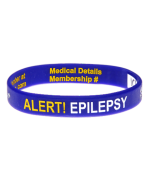
Pre-Travel Checklist for Epileptics
2 Weeks Before Departure
- Book a GP appointment — discuss the destination, time-zone changes, and medication schedule. Request a written letter explaining your condition and medications for customs/airlines.
- Order extra medication — bring 1.5× your trip duration in case of delays or loss. Split between hand luggage and checked bag.
- Check medication legality at destination — some anti-epileptic drugs are restricted in certain countries (UAE, Singapore, Japan).
- Confirm travel insurance covers epilepsy — disclose the condition explicitly. Get the coverage in writing.
- Order an epilepsy medical alert bracelet — engraved with condition, medication, and emergency contact. Allow 1-2 weeks for delivery.
1 Week Before
- Photograph all medications — original packaging with your name and dosage clearly visible. Saved on your phone.
- Save local emergency numbers — your destination's equivalent of triple-zero, your travel insurer's hotline, the Australian embassy.
- Inform travel companions — how to recognise a seizure, what to do during one, and when to call for help.
- Set medication reminders — local time zone, with alarms on your phone.
Day of Travel
- Wear the bracelet — alert side visible. Pair with a wallet card carrying deeper medical detail.
- Carry medications in original packaging — in hand luggage with the GP letter.
- Stay hydrated and rested — fatigue and dehydration are top seizure triggers during travel.
- Avoid alcohol on the flight — interacts with anti-epileptics and worsens jet lag.
What to Engrave on Your Travel Epilepsy Bracelet
Less is more. Five priority fields:
- Wearer's name — first and last.
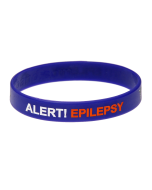
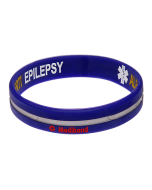
- "Epilepsy" — keep it short and unambiguous.
- Current medication — name and dose, e.g. "Keppra 500mg" or "Lamotrigine 100mg".
- Emergency contact phone — answered 24/7, with country code.
- "See wallet card" — points to fuller medical history and travel insurance.
For overseas travel, also consider a QR-coded version that links to a multilingual medical profile.
What to Do If a Seizure Happens While Travelling
If It Happens to You
Post-ictal recovery is disorienting. Stay where you are until you've fully come around. Look at your bracelet — paramedics or strangers may have already activated emergency response based on the engraving. Don't immediately resume travel; rest for at least a few hours.
If You're Travelling With Someone Who Has a Seizure
- Stay calm. Most seizures self-resolve in 1-3 minutes.
- Time the seizure. If it lasts more than 5 minutes, call local emergency services immediately.
- Cushion the head. Don't restrain or put anything in the mouth.
- Roll to recovery position after the convulsion ends.
- Check the bracelet for medication, emergency contact, and any specific instructions.
- Contact the local emergency number if breathing is impaired, multiple seizures occur, or the person has been injured during the fall.
Seizure-Safer Destinations and Activities
Lower-Risk Destinations
- Major European cities with strong healthcare and English-speaking emergency services
- New Zealand, the UK, USA, Canada
- Singapore, Hong Kong (medications generally available)
Higher-Risk Destinations (Plan Carefully)
- Remote/rural trekking destinations
- Countries with restrictions on anti-epileptic drugs
- Destinations with limited English-language emergency response
Activities to Approach With Caution
- Scuba diving (most jurisdictions require medical clearance)
- Mountain hiking alone
- Theme parks with strobe-light effects
- Late-night clubs with flashing lights
- Skydiving and adventure sports
Browse our full Mediband range for the epilepsy-specific bracelets best suited to travel. For more on how a bracelet helps in real emergencies, see our first responder guide.
Frequently Asked Questions
Is it safe to travel overseas with epilepsy?
Yes, for most people with controlled epilepsy. The key is preparation: GP-approved medication supply, condition-specific travel insurance, an epilepsy medical alert bracelet, and knowing the destination's emergency numbers. People with poorly-controlled or recently-diagnosed epilepsy should discuss travel timing and destinations with their neurologist.
Can I bring my anti-epileptic medications overseas?
Usually yes, but check the destination's regulations. Some countries (UAE, Singapore, Japan) restrict certain anti-epileptic drugs. Always carry medications in original packaging with a GP letter explaining the condition and dosage. Split supply between hand luggage and checked baggage in case of loss.
Will my Australian travel insurance cover an epilepsy emergency?
Only if you explicitly disclose epilepsy as a pre-existing condition and pay any associated premium. Without disclosure, claims related to seizures or epilepsy complications are typically excluded. Get coverage in writing before you travel.
What's the most important medical item for an epilepsy traveller?
A medical alert bracelet, engraved with the condition, medication, and emergency contact. Unlike phones (locked, dead battery), cards (in your bag), or memory (post-seizure disorientation), the bracelet is always with you and recognised by paramedics worldwide via universal symbols. Pair with a wallet card for deeper detail.
What should I do if I have a seizure on a plane?
Air crews are trained to manage seizures. Most resolve within 1-3 minutes and the plane continues. For longer or repeated seizures, the captain may divert to the nearest airport for medical attention. The medical alert bracelet tells the crew exactly what's happening from the start, speeding up the correct response.

Written by
Founder, Mediband
Founder of Mediband; over 20 years providing medical IDs worldwide.
← Previous
Happy New Year From Mediband — Welcome 2026 With a Medical Alert Bracelet
Next →
Medical Alert Bracelets vs Necklaces: Which Is Right for You? (2026 Australian Guide)
Comment(s)