

By Michael Randall, Founder, Mediband · Updated 10 June 2026 · 9 min read
Staying healthy, happy and safe isn't a separate weekend project — it's something Australian families build into daily life, one small habit at a time. The guide below pairs everyday wellness moves with practical safety prep, including a medical ID for every family member.
Every habit is sized to a normal week, every safety step is doable in under an hour, and the medical-ID layer means paramedics get the right information from the first second on scene.
Why "healthy + happy + safe" is one routine, not three
The Australian Institute of Health and Welfare links family connection, regular activity and emergency preparedness as a single buffer against everyday and unexpected health events. Households running all three together report fewer urgent GP visits and shorter hospital stays.
One routine. Three benefits. Built from short habits and a few one-time decisions (like fitting the family with medical IDs).
6 habits that keep Australian families healthy, happy and safe
1. Eat one shared meal a day
Research from the National Family Mealtime Project shows kids in families eating one daily meal together have 24% lower rates of disordered eating and stronger emotional regulation. Pick whichever meal fits — even breakfast counts.
2. Walk together for 20 minutes daily
The Heart Foundation's 30-minute target is the gold standard; 20 minutes of family walking after dinner ticks the social, cardiovascular and circadian-rhythm boxes simultaneously. Weekend: bike ride, swim, beach walk.
3. Build a no-phone hour before bed
The Sleep Health Foundation links late-evening screen time to poorer sleep across all ages. Phones in the kitchen 60 minutes pre-bed. Read, stretch, talk. Better sleep = stronger immunity + better mood.
4. Run a monthly emergency drill
5 minutes once a month. Where's the EpiPen? Where's the asthma puffer? Who calls 000? It's surprisingly fun and turns "panic" into "practiced".
5. Hydrate before caffeine or juice
Adults: 2-2.5 L water daily. Kids: 1-1.5 L. A full glass on waking, before any other drink, sets the day's hydration baseline and curbs the afternoon "snack reach".
6. Fit every family member with a medical ID bracelet
The single biggest jump in family safety per dollar. Paramedics check wrists first; a bracelet listing allergens, conditions and emergency contact saves crucial response seconds for kids, adults and elderly relatives.

Recommended for you
Products related to this article
Hand-picked to go with what you just read.
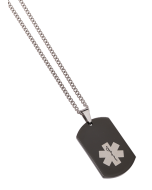
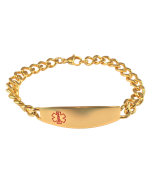
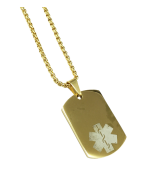
Building a healthy + happy + safe family week
Monday: Plan the meals and walking slots
15 minutes Sunday evening sets the week. Pick the shared meal time, slot the daily walks.
Tuesday-Thursday: Lock in the basics
Show up. Walk in the rain. Eat together even if takeaway. Habit beats heroics.
Friday: Family no-phone hour
Friday is easiest for the screen break — set the precedent, kids notice.
Saturday: Outdoor activity + emergency drill
Bike, swim, beach, park. 5-minute drill. Make it normal.
Sunday: Hydrate, reset, audit medical IDs
Big glass of water on waking. Quick check of every family member's bracelet text. Replace if cracked or sun-bleached.
Medical IDs by family member — what to write
Babies and toddlers
- Soft-band ID if any diagnosed condition (eczema severe, allergy, congenital)
- Name + DOB
- "Anaphylaxis: dairy" or relevant allergen
- Parent mobile number
Primary-school kids
- Name + age
- Condition + medication ("Asthma — Ventolin")
- Parent + school phone
Teenagers
- Their own design choice (engagement matters)
- Condition + medication
- Two contacts (parent + best mate's parent)
Adults
- Name + DOB
- Chronic condition + key medication
- Allergies (penicillin, sulfa)
- Emergency contact mobile
Elderly relatives
- Name + DOB
- "Dementia — please call carer"
- Blood-thinner warning if relevant
- Primary carer mobile
Australian organisations that back this routine
- Heart Foundation Australia — free walking and recipe plans
- Sleep Health Foundation — sleep quality tools
- Beyond Blue — mental-health support
- Allergy & Anaphylaxis Australia — anaphylaxis action plans
- Kids Helpline — 24/7 free counselling for under-25s
- Royal Life Saving Australia — water safety + first aid

Small daily moves, a lifetime of safety
Family wellness isn't a project — it's a rhythm. Eat together. Walk daily. Sleep well. Drill monthly. Wear the medical ID. Six habits, six minutes a day each, and the household stays healthy, happy and safe.
Frequently Asked Questions
What's the single most effective family-safety habit?
Fitting every family member with a medical alert bracelet listing allergens, conditions and emergency contact. A one-time decision that runs 24/7 — paramedics check wrists first.
How long does it take a new family habit to stick?
Behavioural-change researchers at Macquarie University report 21-30 days for simple habits like daily walking or evening no-phone time. Start with one, layer others after they're automatic.
What should a monthly family emergency drill cover?
Where the EpiPen lives, where the asthma puffer is, who calls 000 first, where the medical ID is on each family member, and where the family emergency plan is pinned (usually the fridge).
Are silicone medical ID bracelets safe for sensitive skin?
Yes — Mediband bracelets are medical-grade silicone, latex-free and free of common contact-dermatitis triggers. For very sensitive skin, slightly looser fit + an evening break of an hour.
How do I get teenagers engaged with their own health?
Hand them ownership. Let them pick the medical-ID design (we have unisex, sporty and minimal styles), schedule their own GP visits from age 14, and track their own sleep on whatever device they use.
What's a realistic shared-meal goal for busy families?
Five meals a week minimum. Breakfast counts. The act of being together (even 15 minutes) matters more than the menu.
Should elderly relatives wear a medical ID even without a chronic condition?
Yes — falls, disorientation and dehydration events are the most common elderly emergencies. A bracelet with name, key medication and primary carer phone saves crucial response time.

Written by
Founder, Mediband
Founder of Mediband; over 20 years providing medical IDs worldwide.
← Previous
MedibandPlus Pharmacy News: e-Medical IDs for Australians
Next →
How Medical ID Bracelets Save Kids' Lives in Emergencies
Comment(s)