


what is a medical alert necklace

When every heartbeat counts, communication can mean survival. A medical alert necklace gives a voice to those who may not be able to speak during a crisis, delivering vital health information to paramedics and first responders when it’s needed most. This small piece of jewelry is more than an accessory—it’s a silent guardian that can prevent mistakes, guide correct treatment, and save precious time.

What Is a Medical Alert Necklace

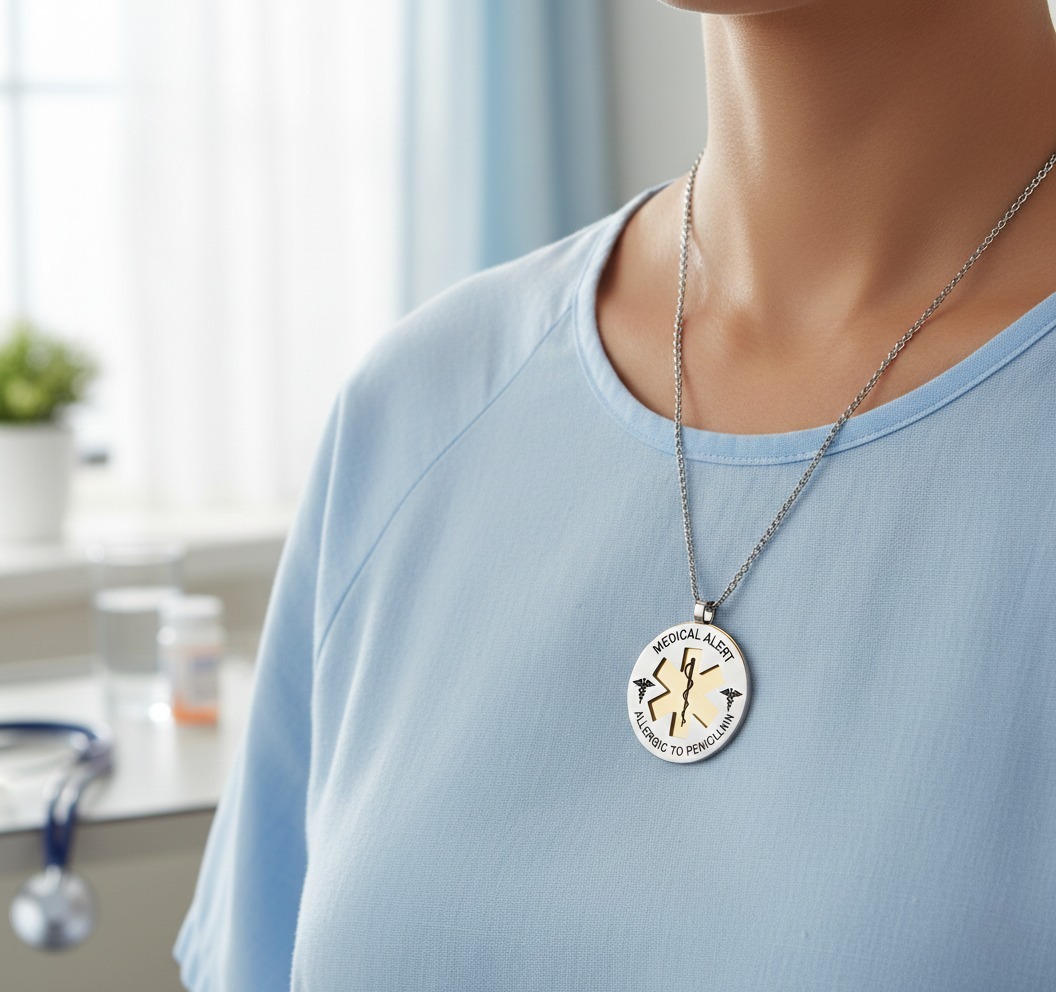
A medical alert necklace is a wearable identification device designed to share critical medical information in emergencies. It usually consists of a pendant, tag, or plate engraved with health details such as conditions, medications, allergies, or emergency contacts. When a person collapses, faints, or experiences a sudden medical event, this necklace provides life-saving clarity for responders who might otherwise have to guess or waste time searching for answers.

In practice, responders are trained to check the neck and wrists for identifiers immediately upon arrival. When they see a clear engraving that says something like “Type 1 Diabetes – Insulin Dependent” or “Allergic to Penicillin”, they can act within seconds—adjusting medication, preventing contraindicated treatment, and stabilizing the patient faster. It ensures that crucial details aren’t locked behind a phone password or left in a wallet that might not be found until much later.

A medical ID necklace plays an equally vital role for people with conditions such as epilepsy, asthma, or heart disease. In cases where patients cannot communicate, it bridges the gap between the medical team and the person in need. Unlike paper records or apps that depend on electricity or connectivity, it’s always on, always accessible, and always clear. For this reason, healthcare professionals around the world recognize it as an essential part of personal emergency preparedness.

Why Some People Prefer Necklaces Over Bracelets

Although both medical ID necklaces and bracelets serve the same purpose, many people find that necklaces better fit their comfort level, lifestyle, and health needs. The difference often comes down to sensitivity, daily use, and personal preference.

Skin considerations and swelling

People with arthritis, circulation issues, or conditions that cause swelling in the wrists may find bracelets irritating or restrictive. A necklace avoids that problem entirely—it hangs loosely around the neck and stays comfortable even during changes in temperature or movement. For patients who wear medical gloves, splints, or wrist monitors, a necklace also keeps identification unobstructed and easy to access.

Aesthetics and daily wear

Some individuals prefer the discreet and classic look of a pendant over a wristband. A necklace can blend naturally into work attire or everyday clothing, increasing the likelihood that it will be worn consistently. If an ID feels like a piece of personal jewelry rather than a medical device, people are far less likely to take it off at night or forget to put it on again in the morning.

Visibility for responders

Paramedics are trained to check the neck and wrist areas first, but necklaces offer additional visibility because they sit higher on the body. In cases where a person collapses face up, a pendant on the chest or over the shirt is often the first thing a responder notices. This clear visibility helps them act faster, especially in noisy or crowded environments where seconds can make all the difference.

A quick comparison shows why some users choose one over the other:

  • Bracelets: Convenient but may irritate wrists, less visible under long sleeves.
  • Necklaces: Stay comfortable all day, visible above clothing, and easy to check if the wearer is lying down.

The right choice depends on comfort, skin condition, and lifestyle—but both remain essential tools for medical safety.

Who Should Wear a Medical Necklace

Medical necklaces are recommended for anyone with health conditions that could impact emergency treatment. They aren’t limited to a single demographic—they’re equally valuable for children, adults, and seniors who want to ensure accurate, fast medical response.

Hidden conditions

People with conditions like epilepsy, asthma, diabetes, or heart arrhythmias benefit most. During seizures, asthma attacks, or hypoglycemic episodes, patients may not be able to explain what’s happening. A pendant that states “Epilepsy – On Medication” or “Asthma – Ventolin in Bag” allows responders to identify the issue immediately and act with precision instead of guessing.

Seniors living independently

Older adults who live alone or manage multiple prescriptions often wear a medical necklace as part of their safety plan. If they experience confusion, dizziness, or a fall, the ID can prevent dangerous drug interactions or incorrect interventions. Many carers encourage this simple measure because it ensures that even in a moment of panic, accurate information is right where it’s needed.

Children with allergies

Children are often unable to advocate for themselves in emergencies. A necklace engraved with “Nut Allergy – EpiPen in Bag” can make the difference between hesitation and action. Teachers, coaches, and paramedics can instantly see what to do without waiting for paperwork or a guardian. This is particularly crucial in schools or public places where staff turnover is high and individual allergies might not be common knowledge.

Frequent travelers

Those who travel for work or leisure benefit greatly from having their medical data visible, especially abroad. In regions where language barriers exist, the universal medical symbol on a necklace communicates instantly. Travelers who carry chronic conditions or severe allergies can rest easier knowing that their essential health information transcends translation.

What to Engrave on a Medical Alert Necklace

The power of a medical necklace lies in its engraving. Each word must earn its place because the information engraved directly affects response quality. Ideally, engraving includes the following:

  • Condition: “Epilepsy – On Medication”
  • Allergy: “Peanut Allergy – EpiPen in Bag”
  • Medication: “Warfarin – Blood Thinner”
  • Contact: “ICE: 0412 000 111”

Every engraving should prioritize legibility and simplicity. Avoid abbreviations that only clinicians understand—paramedics and bystanders should be able to interpret the information quickly without confusion. Deep laser etching rather than surface printing ensures that text remains readable over time and through daily wear.

Engraving Do’s and Don’ts:

✅ Keep it short, simple, and accurate.
✅ Use plain English and essential details.
❌ Avoid medical shorthand or private identifiers such as addresses.
❌ Don’t overload the space—more text isn’t always better if it becomes unreadable.

The key goal is speed and clarity: the less a responder needs to interpret, the faster they can provide care.

Design and Material Options for Medical ID Necklaces

Modern medical necklaces merge function with personal comfort. Choosing the right design ensures that users actually wear them daily, which is what makes them effective.

Materials: Stainless steel is the preferred choice for durability—it’s resistant to rust, moisture, and cleaning agents. Silicone cords are hypoallergenic and ideal for children or individuals with metal sensitivities. Titanium and aluminum are lightweight alternatives suitable for those who prefer minimalist styles.

Designs: Dog tags offer more engraving space and are popular among men and active adults. Pendant and bar designs appeal to people who want a subtle look while maintaining medical visibility. Many are customizable with color-coded medical symbols for specific conditions, improving recognition in an emergency.

Safety Features: Breakaway clasps and adjustable chains are essential, particularly for seniors and children. They ensure the necklace releases safely if it gets caught. Smooth finishes and balanced weight enhance comfort, preventing irritation or fatigue during prolonged wear.

When comparing products, it’s helpful to review the available range of medical ID necklaces, which include engraved stainless-steel tags, silicone cords, and interchangeable pendants designed for 24/7 use. Each is made to meet the visibility and durability standards that medical professionals rely on in real emergencies.

According to Allergy & Anaphylaxis Australia, wearing visible medical identification jewelry significantly improves the accuracy of emergency response for allergy sufferers. The organization recommends ensuring that the ID is clear, current, and always worn in a visible location.

Real-World Impact: Stories of Lives Saved

In real-world emergencies, medical necklaces often serve as the crucial clue that changes everything. Paramedics across Australia recount cases where a simple pendant guided life-saving care.

In one instance, a woman collapsed at a Sydney train station. Before paramedics even reached her bag, they saw the engraved tag: “Asthma – Ventolin in Purse.” That single piece of information allowed them to locate the inhaler instantly and deliver aid within moments. Without it, those seconds could have stretched into minutes—time she didn’t have.

In another case, a school nurse identified a child’s necklace inscribed with “Anaphylaxis – Peanut Allergy – EpiPen in Bag” during lunchtime. The engraved message led to immediate action—teachers retrieved the medication, administered it correctly, and prevented a severe reaction before paramedics arrived.

Such examples illustrate the necklace’s true power: it speaks for the unconscious, clarifies confusion, and protects those who might otherwise be vulnerable. The information it carries is often the difference between a close call and a tragedy averted.

Summary: A Small Necklace, a Big Difference

A medical alert necklace might seem simple, but in reality, it represents one of the most effective personal safety tools available. By displaying vital health information at all times, it enables first responders to act swiftly, confidently, and accurately—even in the absence of words.

For people with chronic conditions, severe allergies, or complex medication needs, the necklace transforms uncertainty into clarity. It delivers peace of mind not only to the wearer but also to family members, carers, and healthcare providers. Durable, practical, and discreet, it turns preparedness into an everyday habit—proof that sometimes the smallest details make the greatest difference when every second truly matters.

Protect what matters most. Contact us today to explore our medical alert necklace options, personalize your engraving, and request a quote. Our team is ready to help you choose a reliable, stylish solution that keeps essential information visible when it’s needed most.