
Why Sport Doesn't Have to Stop with a Medical Condition
For runners, cyclists, swimmers, hikers, gym regulars, and team athletes, sport isn't just exercise — it's identity, social life, and mental health rolled into one. So receiving a medical diagnosis (heart condition, diabetes, epilepsy, asthma, severe allergy, anticoagulant therapy) can feel like a quiet sentence that the active life is over. It's not. With a careful, considered approach, most people can keep doing the sports they love — sometimes with adjustments, sometimes with surprisingly few changes.
This guide walks through five practical ways to stay active with a medical condition, plus the medical alert essentials every athlete-with-a-condition should have on their wrist. The principle is simple: prepare for the unlikely emergency, then get on with the sport.

1. Wear a Medical Alert Bracelet — Always
This is the single most important change. Sports-related medical emergencies happen fast: a hypo during a long ride, an anaphylactic reaction at a parkrun, a seizure mid-swim, a cardiac event in a triathlon. In any of those moments, the athlete may be unable to speak. The bracelet does the talking — telling the next person (a fellow runner, a course marshal, a paramedic) exactly what they need to know in the first 30 seconds.
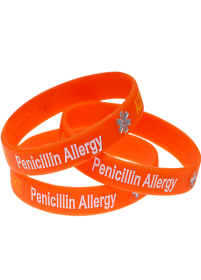
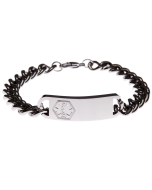
Medical alert bracelets come in materials that suit every sport: stainless steel for daily training, silicone for swimming and contact sport, designer reversible for those who want a stylish look outside training. Some sporting organisations restrict metal jewellery — silicone bands are usually accepted because they're flexible and not metal.
Recommended for you
Products related to this article
Hand-picked to go with what you just read.
2. Do Your Research — Know Your Condition
Knowing more about your specific condition helps you understand how far you can push your body. Many sports place the body under significant strain, and pushing yourself to the limit is part of competitive performance — but some conditions make this dangerous. Heart defects, undiagnosed arrhythmias, severe asthma, and undertreated diabetes can all turn an ordinary training session into a medical emergency.
Talk to Your Doctor or Specialist
Before resuming or starting a sport after diagnosis, have a frank conversation with your GP or specialist. Ask:
- What level of intensity is safe?
- What signs should make me stop immediately?
- Are there specific sports to avoid?
- Should I carry medication on the field — EpiPen, inhaler, glucose, glyceryl trinitrate?
- Should I have a pre-exercise warm-up or testing routine (e.g. blood-glucose check before running)?
Use Reliable Health Resources
Cross-reference what your doctor says with reputable sources — the Heart Foundation, Diabetes Australia, ASCIA (allergy), Epilepsy Action Australia. According to HealthDirect, regular exercise has profound benefits for chronic-disease management when done with appropriate medical supervision.
3. Don't Push It — Listen to Your Body
Once you understand your limits, the next discipline is respecting them. The temptation to push through warning signs is strongest in competitive contexts — race day, team play, personal best attempts — but it's also when the consequences are most severe.
Useful self-monitoring habits:
- Heart rate awareness — if you've been told a maximum HR, wear a tracker that warns you.
- Pre-exercise blood glucose check for insulin-dependent diabetes.
- Inhaler check — make sure your reliever is in your kit-bag every session.
- Hydration — many medications and conditions affect fluid balance.
- Recovery time — chronic conditions often need longer recovery between sessions.
Compromise is not failure — it's how you keep training for the next 30 years instead of being sidelined for the next 30 weeks.
4. Don't Hide Your Medical Condition
For ambitious athletes — especially young or junior athletes — there's a fear of being labeled as "too risky" or being dropped from a team if a condition is disclosed. The opposite is usually true: coaches and teammates who don't know are more dangerous than coaches who do.
Tell:
- Your coach or trainer — they may need to administer first aid.
- Your team-mates / training partners — they're often closest in an emergency.
- Race directors or event organisers — many include medical info in registration forms; use them.
- Your family or support person — make sure they have your medical history saved on their phone.
Disclosure done well isn't dramatic — it's a five-minute conversation that protects you and the people around you. Most athletes who disclose say their team became MORE supportive, not less.
5. Set Realistic Goals and Celebrate Progress
A serious health condition won't necessarily prevent you from being active — but it will likely shape what's realistic. Setting achievable goals based on your current condition is more rewarding than chasing pre-diagnosis benchmarks that may no longer apply.
Reframe goals:
- Consistency over intensity — three weeks of steady training beats one session that lands you in hospital.
- Distance over speed — many conditions limit peak intensity but allow long, steady efforts.
- Adaptive sport — disability sports, masters' divisions, and adaptive cycling/swimming/running are competitive and rewarding.
- Coach others — your experience may help newer athletes manage their own conditions.
What to Engrave for Active Life
Sports-specific medical IDs deserve information tailored for emergency response on a course or field:
- Athlete's name
- Primary condition — diabetes, asthma, epilepsy, heart, anticoagulants
- Critical med or "what NOT to give" — insulin, EpiPen, no aspirin, beta-blockers
- Emergency contact phone number
- Race or club ID number — for events
QR-coded bracelets are particularly useful for endurance events with remote sections — they let medics access a full medical profile from any smartphone in seconds. Pair them with engraved essentials so paramedics without a phone still get the basics.
Frequently Asked Questions
Can I do contact sports with a medical condition like diabetes or epilepsy?
Often yes — with planning. Diabetes-friendly contact sports require pre-game blood-glucose checks and easy access to fast carbs. Epilepsy guidance varies by seizure type and frequency; many people with controlled epilepsy participate in contact sports. Always check with your specialist before resuming, and inform coaches and team-mates.
Will my sports club let me wear a medical alert bracelet?
Yes — most clubs and leagues accept silicone or fabric medical alert bands because they're flexible and pose no injury risk. Some restrict metal jewellery; in that case, a silicone alert band is the safer choice. Always check league regulations before competition and have a silicone backup if metal is restricted.
What's the best bracelet material for an athlete who sweats heavily?
Silicone for the most demanding conditions (sweat, salt water, mud, gym chalk). Stainless steel is also excellent — sweat-resistant and durable for years. Avoid leather, fabric, or open-link metal that can trap moisture or catch on equipment. Always rinse with fresh water after sea swims or salt-heavy events.
How do I deal with an emergency mid-race when I'm on my own?
Three things: wear a medical alert bracelet so any responder knows what's wrong; carry essential meds (EpiPen, inhaler, glucose, GTN) in your kit; have an emergency contact saved on your phone with the "ICE" prefix so dispatchers can find it. For ultra/remote events, consider a tracker like a Garmin InReach.
Should I tell race officials about my medical condition?
Always — most race registration forms include a medical-info field for exactly this reason. Race medics can pre-position resources, alert you to potential triggers (heat, altitude), and respond faster if you do need help. Disclosure is a routine part of risk management for events.

Written by
Founder, Mediband
Founder of Mediband; over 20 years providing medical IDs worldwide.
← Previous
Medical ID, Smartwatches & Wearable Tech: A 2026 Guide
Next →
Dealing with Alzheimer's: 5 Practical Ways to Make Caring Easier
Comment(s)