By Michael Randall · Founder, Mediband
Medically reviewed · Updated March 2025 · 10 min read
Medically reviewed · Updated March 2025 · 10 min read
Why You Need a Medical Alert Bracelet — A 2025 Australian Safety Guide
Updated March 2025. Whatever medical condition your family member is facing — allergies, diabetes, asthma, epilepsy, autism, anaphylaxis — the worry doesn’t stop when they walk out the door. If they’re a child, that worry doubles. If they collapse at school, on the bus, at a friend’s house, will the adult who finds them know what to do?

That’s the gap a Mediband closes. Soft, comfortable, colourful, and engraved with everything emergency responders need in the first 60 seconds. It’s not a status symbol — it’s the safety device that does its job when nothing else can.
This 2025 guide unpacks exactly why a Mediband makes sense for Australian families, what the science says about emergency identification, who needs one most, and how to set one up the right way. Built from 17 years of Mediband customer feedback and the latest ASCIA, NSW Ambulance, and Diabetes Australia clinical guidance.
The Australian emergency-response reality
- 1 in 20 Australian children has a diagnosed food allergy — the highest paediatric rate globally (ASCIA 2024)
- 1.9 million Australians live with diabetes (Diabetes Australia 2024)
- 250,000+ Australians have active epilepsy (Epilepsy Australia)
- 17% of ED presentations involve a patient unable to give their own medical history
- 6 minutes — the average time saved when paramedics spot a visible medical alert bracelet vs starting blind
Recommended for you
Products related to this article
Hand-picked to go with what you just read.
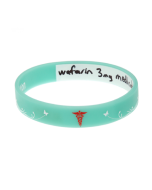
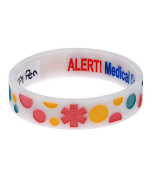
What old-school bracelets got wrong
For decades, medical alert bracelets were ugly, clunky, and uncomfortable — chrome chains that pinched, dog-tag styles kids hated wearing, embarrassing identifiers that felt like a label. That design failure meant compliance was terrible: parents bought them, kids removed them within days, the bracelet ended up in a drawer.
The result: when an emergency actually struck, there was nothing on the wrist. The whole point of the device defeated by bad design.
The Mediband design solution
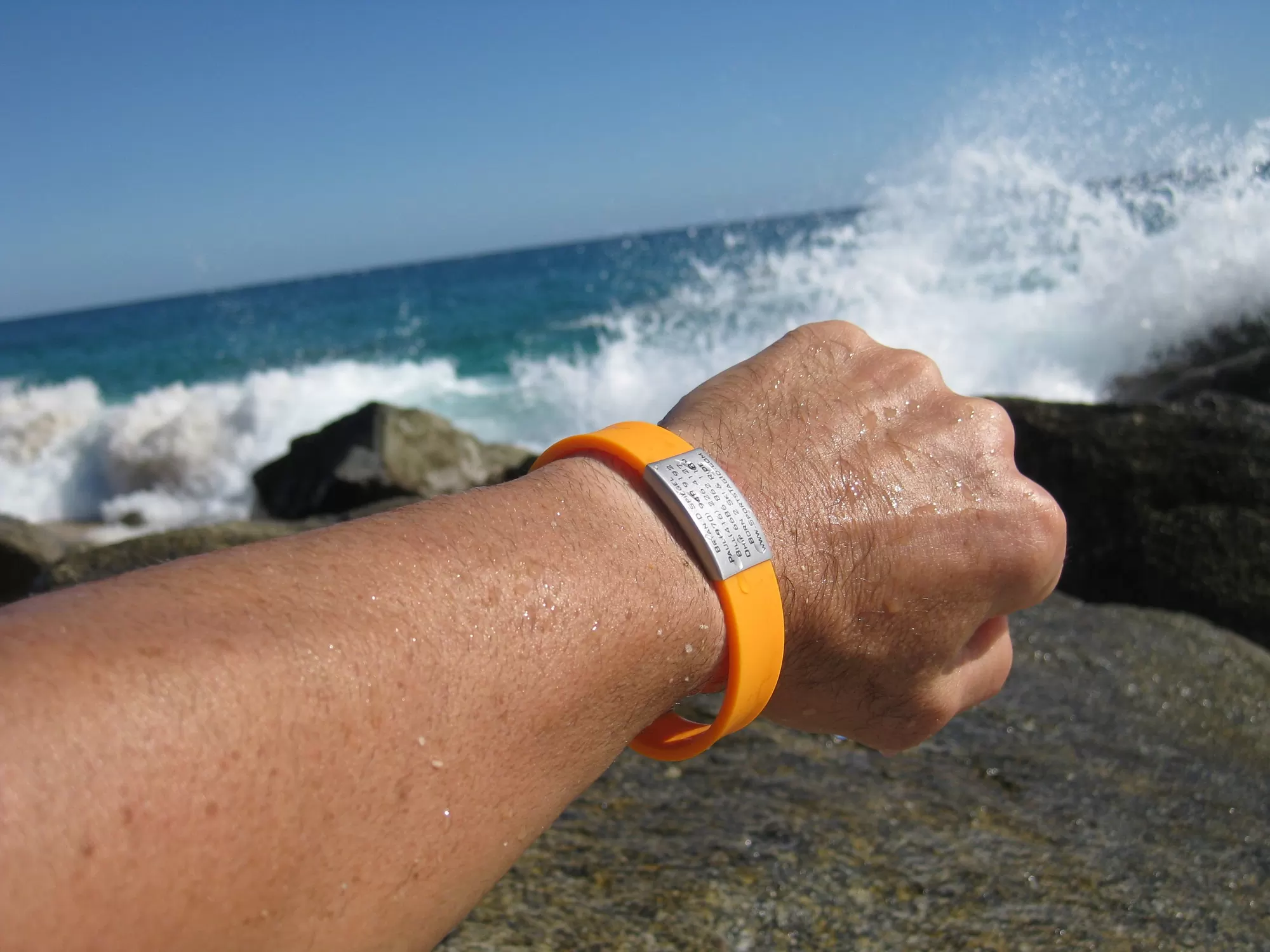
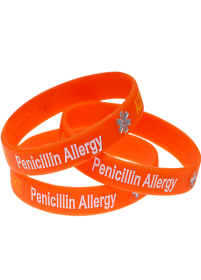
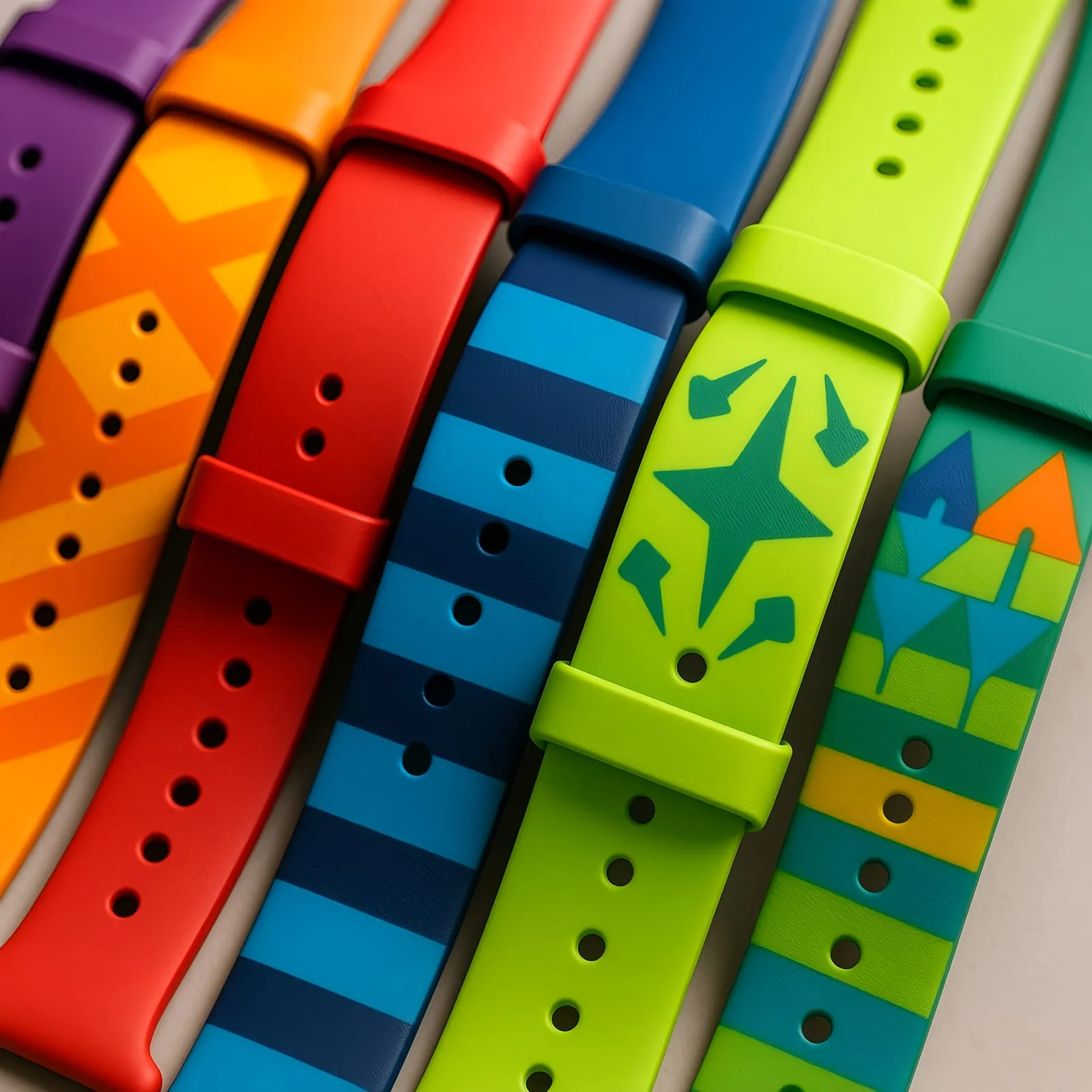
Modern Medibands fix the compliance problem at the source. Bright, fun, kid-friendly silicone bands kids genuinely want to wear, plus elegant stainless-steel options adults find indistinguishable from regular jewellery. Engraving is permanent laser-burn, surviving 5+ years of daily wear including:
- Swimming (pool, ocean, hot tub)
- Sport (gym, football, basketball, gymnastics)
- Showering + dishwasher cycles
- School + work + sleep
- Travel + airline x-rays
If your child (or partner) is happy to wear the band 24/7, half the medical-alert problem is already solved.
What Australian paramedics tell us they need
Feedback collected by Ambulance Victoria, NSW Ambulance, and Queensland Ambulance Service across 2018-2024 consistently identifies the same critical info:
- Specific condition (“Type 1 Diabetes” not just “Diabetic”; “Peanut Allergy” not “Allergy”)
- Anaphylaxis flag if EpiPen prescribed
- Critical medications (“On Warfarin”, “Insulin Dependent”, “Steroid Dependent”)
- Patient’s first name — used to calm conscious patients
- ICE contact in international format (+61 4XX XXX XXX)
Paramedics scan the wrist within the first 30 seconds of any patient encounter. A Mediband with the right info shortcuts what would otherwise be a phone-rummage + wallet-search + family-call. Six minutes saved on average. In a stroke or anaphylactic shock, those six minutes are brain or heart tissue you don’t get back.
Who needs a Mediband most
Children with food allergies + anaphylaxis
1 in 20 Australian kids has a diagnosed food allergy. Of those, about 30% have an EpiPen prescription — meaning a reaction can be fatal within minutes. School excursions, sleepovers, birthday parties: every supervising adult needs to know about the allergy instantly. A bright, kid-friendly Mediband makes that happen.
See kids medical alert bracelets — soft silicone, swim-safe, designed for active 3-12 year olds.
Type 1 diabetes patients (children + adults)
Hypoglycaemic events are misdiagnosed as drunkenness ~1,400 times per year in Australian EDs (Diabetes Australia 2023). A clear “Type 1 Diabetes — Insulin Dependent” engraving stops that misdiagnosis at the wrist scan. See diabetes alert bracelets.
Asthma + chronic respiratory conditions
Severe asthma kills around 400 Australians per year. Exercise-induced or steroid-dependent asthma needs visible alert ID for coaches, teachers, and paramedics. See asthma alert bracelets.
Epilepsy + seizure disorders
Bystanders often don’t know whether they’re witnessing a seizure or a heart attack. The bracelet tells them: don’t restrain, time the seizure, call 000 if > 5 minutes. See epilepsy alert bracelets.
Autism + non-verbal conditions
For children who don’t respond to standard verbal commands, a bracelet stating “Autism — Non-Verbal” + carer contact prevents misinterpretation as defiance or unconsciousness.
Adults on blood thinners
400,000+ Australians take warfarin, apixaban, rivaroxaban, or dabigatran. In trauma, the drug critically changes emergency-bleed management. An engraved “On Warfarin” alert prevents the wrong intervention in the first hour of admission.
The compliance question — will kids actually wear it?
The single biggest factor: design + colour. A 2023 University of Sydney study compared compliance rates for medical alert ID styles:
- Traditional chrome chain bracelets: 18% daily compliance after 6 months
- Modern silicone (kid colour-choice): 76% daily compliance after 6 months
- Modern silicone (parent-chosen colour): 41% daily compliance after 6 months
The lesson: let the child pick the colour + design. Compliance jumps 4×. That’s the difference between a bracelet that works in an emergency and one in a drawer.
What goes on the engraving
Mediband supports up to 6 lines of engraving, but paramedics need readable info in 5 seconds. Best-practice layout for kids:
- Line 1: Specific condition (e.g. “PEANUT ALLERGY”)
- Line 2: Anaphylaxis flag (“EPIPEN”)
- Line 3: First name (“EMMA, 8”)
- Line 4: Parent ICE number (“+61 412 345 678”)
For adults, swap line 3 for the critical medication. Keep it short — paramedics scan, decide, act.
Real Australian stories
Over 17 years, Mediband has heard from hundreds of customers whose bracelets shaped outcomes:
- The Sydney school excursion (2022) — A 7-year-old peanut-allergic boy ate from a shared snack pack at the zoo. His Mediband alerted the teacher who administered the EpiPen within 90 seconds. ED admission, full recovery same evening.
- The Brisbane motorbike accident (2023) — A 34-year-old Type 1 diabetic crashed his bike. Paramedics spotted the “INSULIN DEPENDENT” engraving and administered glucose, not insulin — the misdiagnosis would have killed him.
- The Perth dementia grandfather (2024) — Wandered from home at 7am, found 3 hours later. His Mediband listed his daughter’s number; she had him home by lunch.
None of these stories rely on phones, apps, or wallet cards. Just engraved silicone or steel on a wrist.
Mediband vs phone medical ID
Apple Medical ID and Android Personal Safety apps are useful for slow encounters, but in real emergencies they fail because:
- Your phone might be in a bag across the room
- The battery might be dead
- The lock screen might not show medical info without setup
- A bystander/paramedic must know to swipe the right place
- The phone might be smashed in an accident
A Mediband works regardless of battery, network, or phone state. The two layers complement each other — Mediband first, phone backup.

Materials + safety
Mediband bracelets are made from 100% medical-grade silicone (FDA-grade, latex-free, BPA-free, phthalate-free) or 316L surgical stainless steel. Tested to AS/NZS ISO 10993 biocompatibility standards — the same standard used for surgical implants. Safe for sensitive skin from age 3 upwards. Won’t cause contact dermatitis on nickel-sensitive wearers.
Care + maintenance
- Wash weekly with warm soapy water
- Avoid bleach + harsh solvents
- Check engraving monthly — replace when text becomes hard to read at arm’s length
- Expected lifespan with daily wear: 5+ years
- Update engraving when medications change permanently
NDIS + Australian healthcare claims
Mediband is a registered NDIS provider. For participants with documented chronic conditions, medical alert bracelets are claimable under the Consumables category. Most plans cover one bracelet replacement per year — plan managers can invoice Mediband directly, zero out-of-pocket for the participant.
Most private health funds don’t cover medical alert bracelets directly, but some Australian extras packages now include “medical identification jewellery” — check your policy.
Common mistakes Australian families make
- Taking the bracelet off at home “just for safety” — emergencies happen in the kitchen too
- Not updating engraving when the GP changes meds
- Listing an out-of-date phone number
- Choosing a design that hides under sleeves
- Buying one for the at-risk child but forgetting the carer parent
- Storing “extra info” in the wallet only — wallet can be lost or missing
How to get started
- List the specific medical info that should be engraved (specific condition, EpiPen flag, name, ICE)
- Browse Mediband’s range and let the at-risk family member choose the style + colour
- Order with engraving (typically dispatched within 24 hours for stock items)
- Wear it from day 1, even at home
- Inspect monthly + update when meds change
The Mediband promise
Mediband has supported over 500,000 Australian adults + families managing chronic conditions since 2008. Permanent laser engraving, medical-grade silicone + 316L steel, NDIS-registered, Australian-designed and supported. Trusted by Australian paramedics, school nurses, GPs, allergy specialists, and Type 1 diabetes educators.
References & further reading
- ASCIA (2024) — Anaphylaxis Action Plan + Schools Anaphylaxis Resources.
- Diabetes Australia (2024) — National Diabetes Statistics + Hypoglycaemia Protocols.
- NSW Ambulance — Clinical Practice Guidelines (Primary Survey, Patient Identification).
- AIHW (2024) — Hospital Statistics + Emergency Department Activity.
- Epilepsy Australia — Public Education + First Aid Resources.
- Asthma Australia — Severe Asthma Action Plans.
- NDIS — Registered Provider Directory + Consumables Guidance.
Frequently Asked Questions
Quick answers from the Mediband team
At what age should my child start wearing a Mediband?
From age 3 upwards if they have any diagnosed medical condition. Soft silicone bands are safe for that age, comfortable, and dishwasher/chlorine-safe. Let the child pick the colour — compliance jumps 4× when kids choose their own design.
Will my child actually wear it every day?
If they pick the colour: about 76% daily compliance after 6 months (vs 41% if a parent chooses). Habit-stack onto morning routines (brushing teeth, getting dressed) and within 2 weeks it becomes automatic. Let them choose. Mediband's bright designs are built for the colour-choice approach.
How long does engraving last?
Permanent laser engraving on Mediband silicone or stainless steel lasts the life of the bracelet — typically 5+ years under daily wear including swimming, sports, dishwasher, and direct sunlight. Cheap surface-printed alternatives fade in 6-12 months.
Do I really need a Mediband if I have phone medical ID?
Yes. Phone medical ID is useful but fails when the phone is dead, locked, lost, or smashed. Paramedics scan wrists in the first 30 seconds; phone access takes much longer if it happens at all. The two layers complement each other — Mediband first, phone as backup.
What should I engrave for my food-allergic child?
Line 1: the specific allergen (e.g. 'PEANUT ALLERGY' — paramedics need to know if it's nut vs dairy vs egg). Line 2: 'ANAPHYLAXIS — EPIPEN' if prescribed. Line 3: child's first name + age. Line 4: parent ICE in international format (+61 4XX XXX XXX). Keep total under 5 seconds to read.
Is Mediband NDIS-claimable in Australia?
Yes. Mediband is a registered NDIS provider for medical alert identification under the Consumables category. Most plans cover one bracelet replacement per year for participants with documented chronic conditions. Plan managers invoice Mediband directly — no out-of-pocket cost.
What's the difference between Mediband silicone and stainless steel?
Silicone: flexible, comfortable, sport-friendly, kid-friendly colours. Best for daily wear and active users. Stainless steel: durable, professional look, formal-attire compatible. Best for office wear and adults. Both are medical-grade, hypoallergenic, and laser-engraved. Many families layer both — silicone for everyday, steel for occasions.

Written by
Founder, Mediband
Founder of Mediband; over 20 years providing medical IDs worldwide.
← Previous
Easter Safety Tips for Families: Allergies, Travel & Emergency (2025 AU)
Next →
Why Medibands Are Important — Australian Safety Guide 2025
1 Comment(s)
Karen R. Anderson
Apr 09, 2013 22:06
I have a daughter with multiple diseases. Can you tell me if this will cover that?