The new year is the single most popular moment in the calendar for Australians to recommit to their health — and the single most predictable moment for those commitments to fall apart. By the second week of February, behavioural-research data from the World Health Organization shows that 60 % of resolutions are dead. The new year and your health is a story not of willpower, but of habit architecture: tiny, evidence-based behaviours, stacked into a system that doesn’t require you to feel motivated to function.
This 2026 guide walks you through seven evidence-based habits that move the needle the most for Australian adults, why most resolutions fail by mid-February, and how a discreet silicone medical ID bracelet protects anyone in your family with a chronic condition while they get into the year ahead.
Habit 1 — Wear a pedometer (or check your phone)
The 10,000-step target was a 1960s marketing creation by Yamasa Tokei, the Japanese pedometer manufacturer. Modern science is much more forgiving. A landmark 2024 meta-analysis published in the British Journal of Sports Medicine tracked 226,889 participants and found measurable mortality reduction from as few as 2,600 steps daily, with the steepest health gains between 6,000 and 8,000 steps for adults over 40.
Practical wins:
- Open your iPhone Health app or download a free pedometer for Android.
- Log your baseline for a week without trying to change anything.
- Add 1,000 steps to your daily average each week until you hit 8,000.
- Park further away. Take the stairs. Walk the long way to the printer.
The behavioural science here is competition with yourself. The dashboard makes the invisible visible.
Habit 2 — Lift something twice a week
After 40, Australian adults lose about 1 % of muscle mass per year — a condition called sarcopenia. Exercise Right Australia and the Exercise & Sports Science Australia (ESSA) both recommend two strength sessions per week. Strength training is non-negotiable for healthy ageing — it preserves bone density, balance, glucose tolerance and metabolic rate in ways that cardio alone cannot.
You don’t need a gym. A pair of dumbbells, a resistance band, or even your own body weight is enough. Three repetitions of three exercises — squats, push-ups, rows — for 15 minutes is enough to begin. The Heart Foundation notes that adults who do both cardio and strength training have a 40 % lower all-cause mortality risk than cardio-only counterparts.
Habit 3 — Eat the food, skip most supplements
Australians spend close to AUD $5 billion a year on vitamins and supplements according to the Therapeutic Goods Administration. The clinical evidence for most over-the-counter multivitamins in healthy adults with normal diets is, charitably, weak. A 2022 US Preventive Services Task Force review concluded there’s insufficient evidence that multivitamins prevent cardiovascular disease or cancer in healthy adults.
Where to spend your money instead:
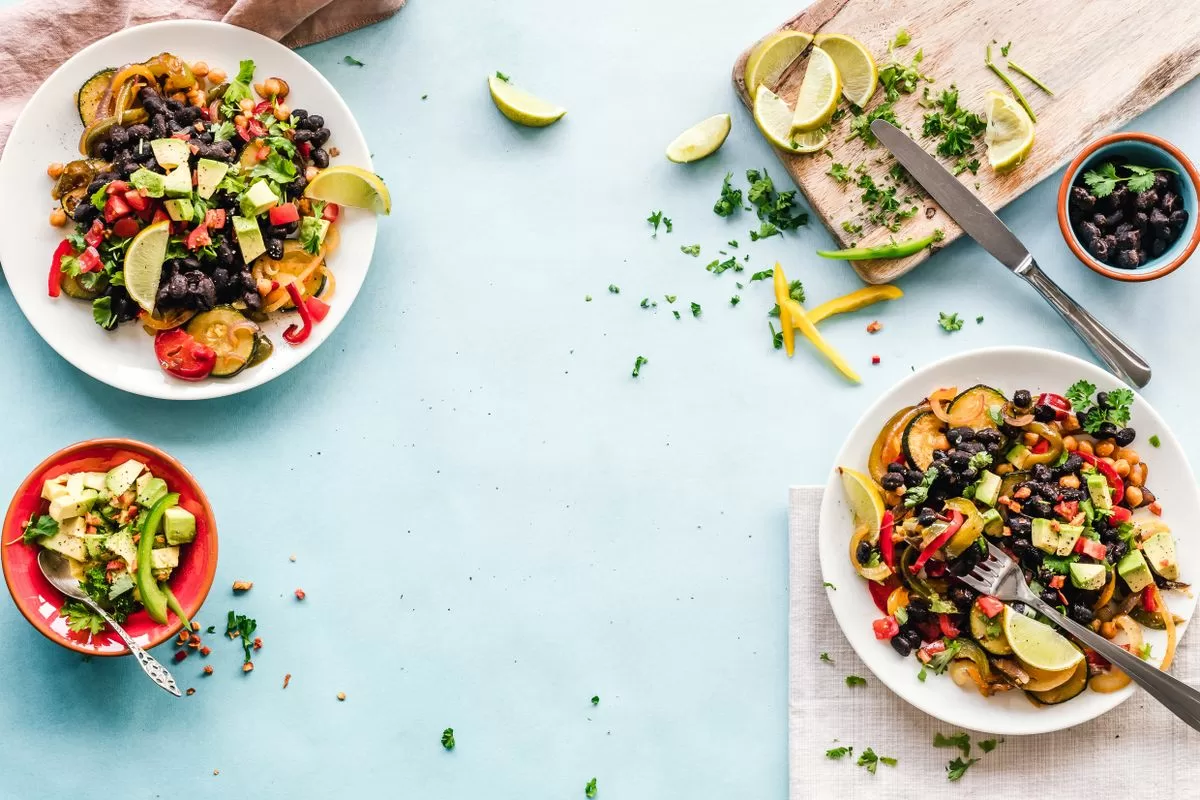
- Half your dinner plate = vegetables (Australian Dietary Guidelines).
- Two pieces of whole fruit per day. Skip the juice.
- Oily fish (salmon, sardines, mackerel) twice a week for omega-3 and vitamin D.
- A handful of nuts daily — protein, healthy fat, fibre.
- Talk to your GP before starting iron, vitamin D, or B12 supplements — these need testing, not Instagram.
Habit 4 — Sleep is the multiplier
Adults who sleep less than 6 hours per night triple their risk of catching a cold compared with those who sleep 7+ hours, according to Sleep Health Foundation Australia. Cardiovascular events rise 26 % in chronically sleep-deprived adults over a five-year window. Sleep amplifies every other health habit — cognition, hunger regulation, immune function, mood.
The fix is boring: same bed-time, same wake-time, no screens 60 minutes before lights-out, bedroom under 20°C. Skip the melatonin gummies unless your GP has prescribed them after a sleep study.
Habit 5 — Hydrate by body weight, not by trend
The 8-glasses-a-day rule is folklore. Healthdirect Australia recommends roughly 35 ml of water per kilogram of body weight, plus more in heat or after exercise. For a 70 kg adult that is 2.5 litres on a normal day, 3+ litres in summer. Coffee and tea count toward total intake; alcohol does not.
Habit 6 — Manage stress like an athlete
Chronic stress raises cortisol, which raises blood pressure, blood glucose and inflammatory markers. The Australian Government’s Healthdirect resource on stress recommends 10 minutes of daily deliberate stress management — breathwork, meditation, walking in nature, or just journaling.
Three evidence-based techniques:
- Box breathing — 4 seconds in, 4 hold, 4 out, 4 hold. Five rounds drops cortisol measurably within 90 seconds.
- 5-4-3-2-1 grounding — name 5 things you can see, 4 hear, 3 touch, 2 smell, 1 taste. Pulls you out of anxiety spirals.
- Nature exposure — 30 minutes of green space weekly reduces depression risk by 21 % according to a 2023 meta-analysis in Lancet Planetary Health.
Habit 7 — Plan for emergencies before they happen
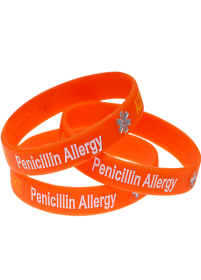
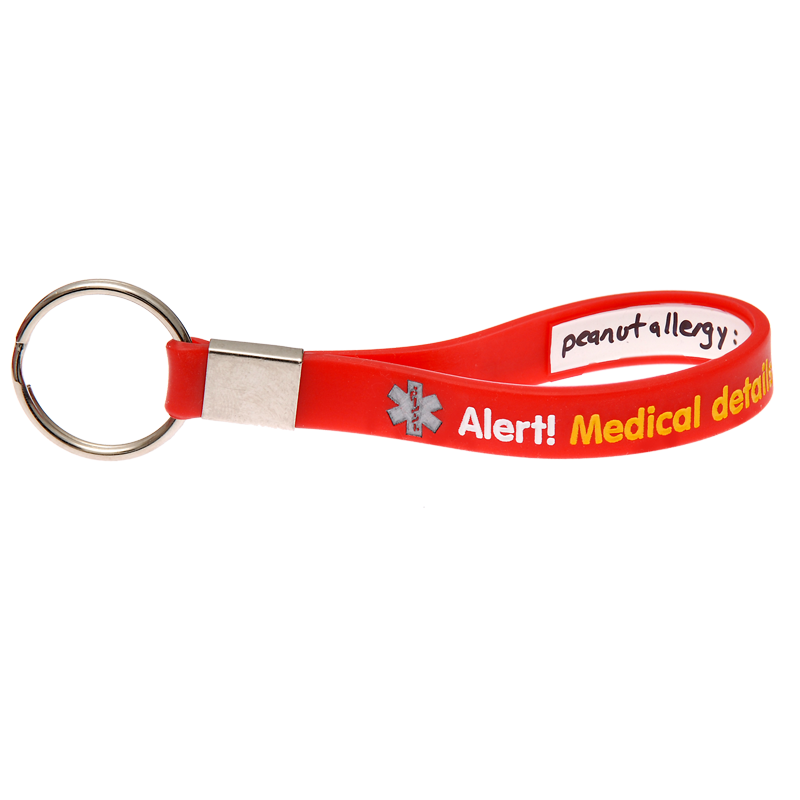
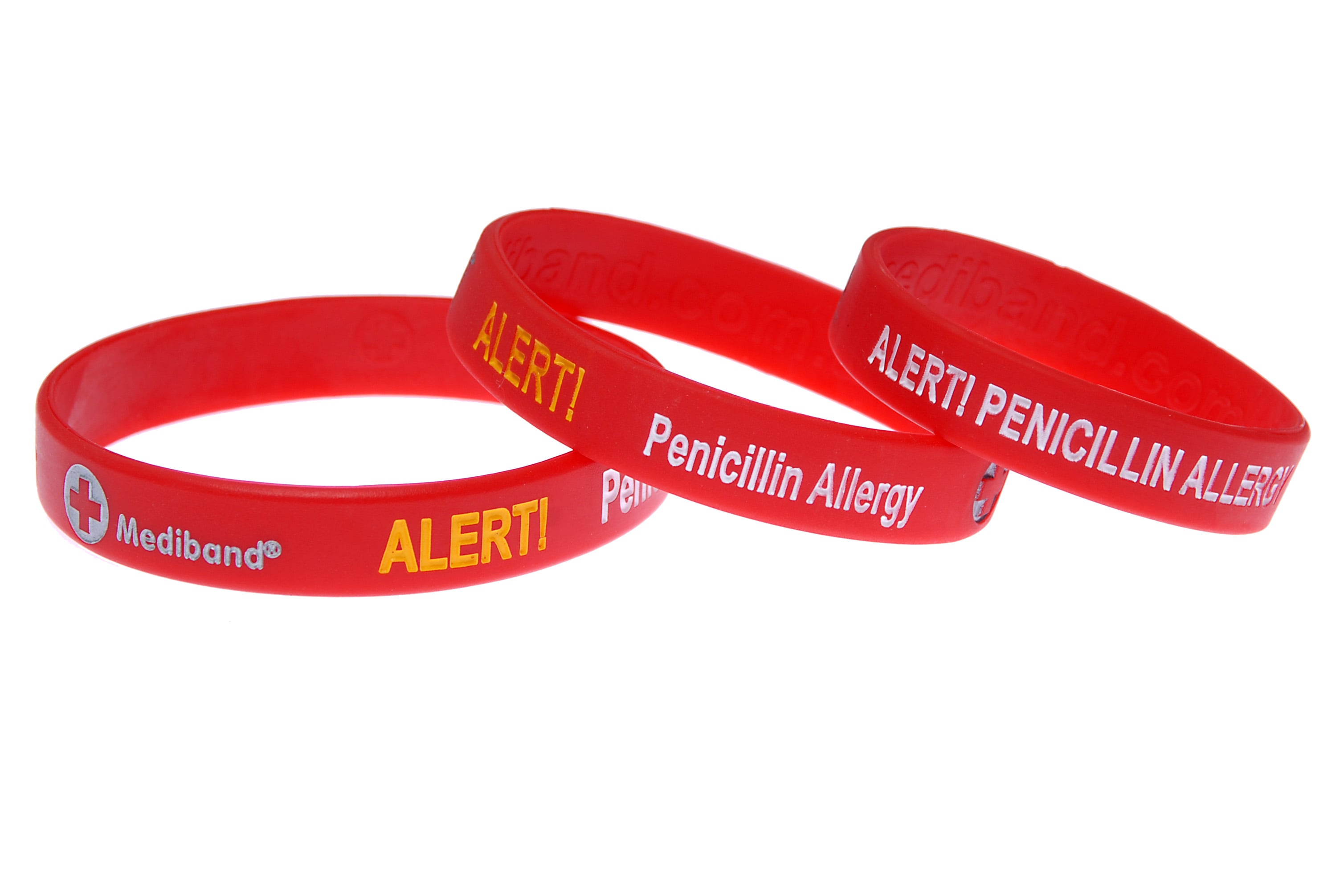
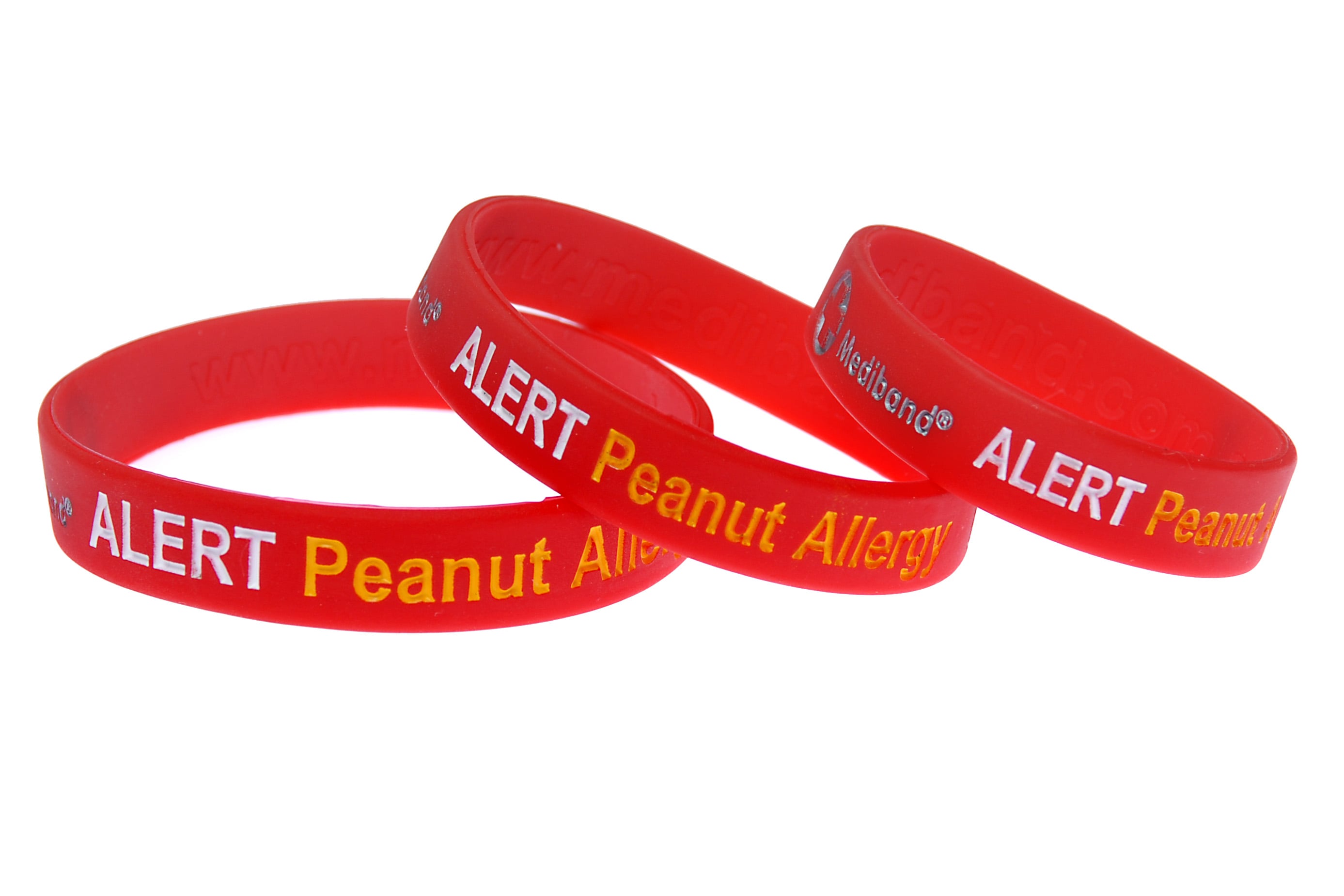
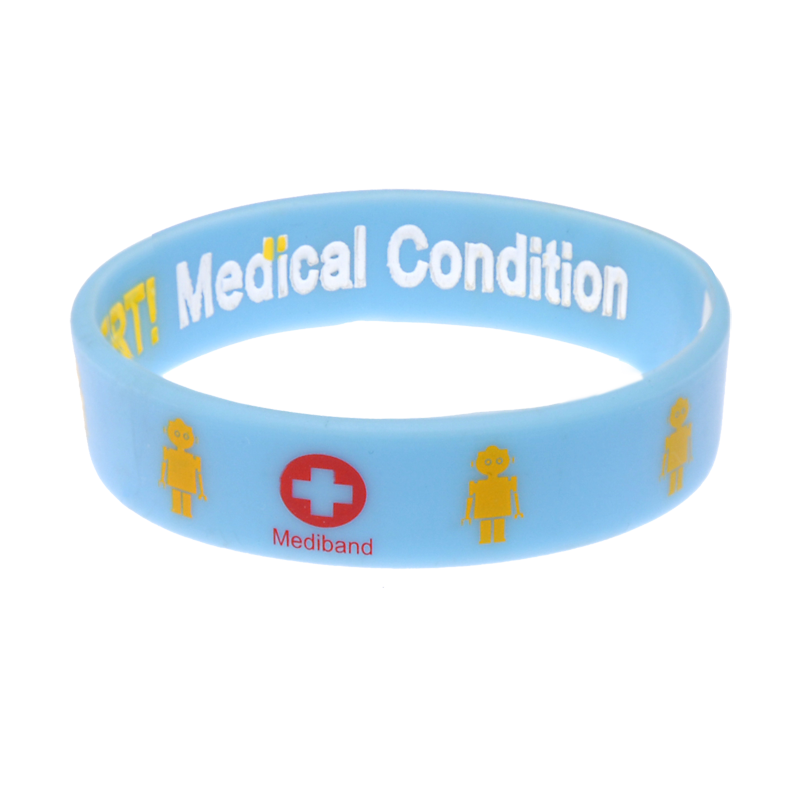
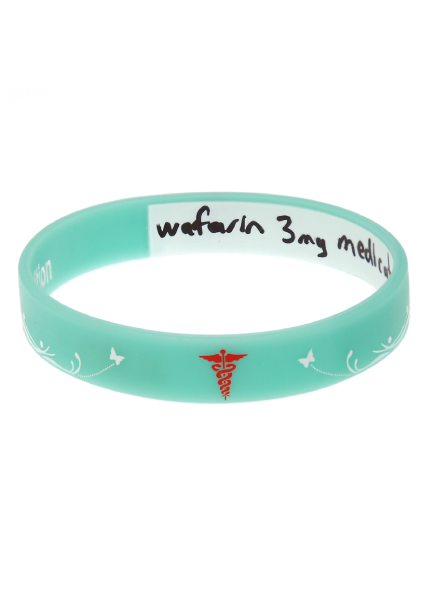
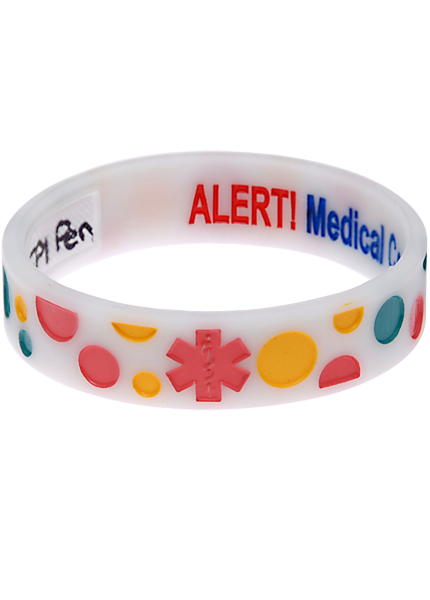
The seventh habit is the one most adults skip until something goes wrong. If you or a family member lives with type 1 or type 2 diabetes, epilepsy, severe allergies, heart conditions or asthma, a medical ID bracelet turns the first 60 seconds of an emergency from confusion to clarity.
Engraved with the condition, key medications and an emergency contact, it gives a paramedic or bystander the context they need to act. Diabetes Australia and the Epilepsy Foundation both recommend visible medical ID for adults and children with these conditions.
Lock in habit 7 — Mediband medical ID
If your new-year plan includes a family member with a chronic condition, a discreet medical ID is the one habit that costs nothing in willpower but pays out the moment something unexpected happens.
Why most new-year health resolutions fail by mid-February
Behavioural research from the Behavioural Insights Team identifies three predictable failure modes:
- Goals that are too vague. “Get fit” has no measurable end state. “Walk 6,000 steps daily by 31 March” does.
- Too many habits at once. Adding six new behaviours simultaneously overloads working memory. Pick one. Layer the next at week six.
- No environmental cue. A habit without a trigger (alarm, location, time, preceding action) dies fast. Stack new habits onto existing ones — coffee + meditation, lunch + walk, brushing teeth + planking.
Stack your habits onto things you already do
Habit stacking is the single highest-leverage technique in behavioural science. Take an existing daily anchor and attach a new behaviour to it:
- Brush teeth → 60 seconds of plank.
- First coffee of the morning → one glass of water before it.
- Sit at desk → check pedometer step count, decide your move-target for the day.
- Drive home → park 5 minutes’ walk away from home.
- Watch evening TV → bodyweight squats during ad breaks.
The minimum viable workout
Time-poor Australians can lock in serious health gains with very little time, if intensity is right:
- 10-minute walk after lunch.
- 10-minute strength circuit Tuesday + Thursday.
- 10-minute mobility/yoga Saturday morning.
30 minutes per week, structured, will outperform two hours of unfocused gym time.
For Australians with chronic conditions
If you live with type 1 or type 2 diabetes, severe allergies, asthma or epilepsy, exercise is medicine — but it has to be calibrated. Diabetes Australia notes that resistance training can drop blood glucose unpredictably for up to 24 hours after the session. Exercise-induced asthma can be triggered by cold-morning runs. People with epilepsy should avoid solo open-water swimming.
Talk to your GP, an accredited exercise physiologist, or your specialist before ramping up. And wear a visible medical ID bracelet — if anything happens mid-run, the first 15 seconds of recognition can save a life.
Kids and the new-year health push
The Australian physical activity guidelines recommend 60 minutes of moderate-to-vigorous activity daily for children aged 5 to 17. Tie it to family time: weekend bushwalks, Saturday park-runs, cycling to school, dance class. For kids with severe allergies, asthma, type 1 diabetes or epilepsy, an age-appropriate medical ID bracelet is a discreet, parent-tested safety net.
Track progress with one metric (and ignore the rest)
Wearables fail because they measure 18 things and overwhelm the user. Pick one: daily steps, resting heart rate, hours of sleep, or body weight. Track for 12 weeks. Don’t check the others.
One signal beats six. Six dashboards always beat zero discipline.
Re-test at six weeks, not Day 365
The reason January wins fall apart in February isn’t the goal — it’s the lack of a feedback loop. Block out Friday 13 February as your six-week review. What worked? What slid? Adjust the plan, don’t restart it.
Mental health matters as much as physical
January is the highest call-volume month for Lifeline (13 11 14) and Beyond Blue (1300 22 4636) in Australia. Exercise helps with low mood — clinical depression and anxiety need professional support. Reach out early.
The five-thing minimum
If you do nothing else this January, lock in these five:
- 7 to 9 hours of sleep, same window every night.
- 6,000+ steps daily.
- One strength session per week.
- Half a plate of vegetables at dinner.
- One litre of water before lunch.
Five behaviours. 365 days. The shape of a year of better health.
Frequently asked questions
How many steps a day do I actually need?
Meta-analyses show meaningful all-cause-mortality reduction from as little as 2,600 steps daily. The steepest benefit is between 6,000 and 8,000 steps for adults over 40. The 10,000-step number is a 1960s marketing creation, not a clinical threshold.
Should I take a daily multivitamin?
For healthy adults eating a balanced diet, the clinical evidence is weak. The 2022 US Preventive Services Task Force found insufficient evidence multivitamins prevent cancer or cardiovascular disease in this group. Speak to your GP about iron, vitamin D, B12 — these benefit from testing, not Instagram.
How much water should I drink daily?
Roughly 35 ml per kg of body weight, plus more in heat or after exercise. For a 70 kg adult that is 2.5 litres on a normal day, 3+ in summer. Coffee and tea count; alcohol does not.
How do I actually keep a new-year resolution past February?
Pick one habit, attach it to an existing daily anchor (coffee, lunch, brushing teeth), and re-test at six weeks. Vague goals, too many at once, and no environmental cue are the three predictable failure modes.
Should my child with a chronic condition wear a medical ID?
Yes. Diabetes Australia and the Epilepsy Foundation both recommend visible medical ID for adults and children with type 1 diabetes, epilepsy, severe allergies, or significant heart conditions. It gives teachers, coaches and bystanders the 15-second context they need.
Is sleep more important than exercise?
Sleep is the multiplier on everything else. Less than 6 hours triples your risk of catching a cold and is associated with a 26 % higher 5-year cardiovascular event rate. If you have to pick one, fix sleep first.
Do I need a gym membership?
No. Bodyweight squats, push-ups, banded rows and a resistance band cost less than a month of gym fees and deliver the same strength gains in 15 minutes a day. ESSA-accredited exercise physiologists can write you a programme if you want help.
References
- World Health Organization — Physical activity who.int
- Heart Foundation Australia heartfoundation.org.au
- Therapeutic Goods Administration (Australia) tga.gov.au
- Sleep Health Foundation Australia sleephealthfoundation.org.au
- Diabetes Australia diabetesaustralia.com.au
- Exercise & Sports Science Australia essa.org.au
- Healthdirect Australia healthdirect.gov.au
- Behavioural Insights Team behaviouralinsights.co.uk
- Beyond Blue 1300 22 4636 beyondblue.org.au
- Lifeline 13 11 14 lifeline.org.au
Written by
Founder, Mediband
Founder of Mediband; over 20 years providing medical IDs worldwide.
← Previous
Not Just for Seniors: Who Really Needs a Medical Alert Wallet Card?
Next →
Medical Allergy Bracelet for People with Severe Food Allergies
Comment(s)